Chinese Palm Fan (Livistona Chinensis)
Plants play a significant role in our lives, from providing fresh air to enhancing the aesthetics of our surroundings. One such fascinating plant is the.
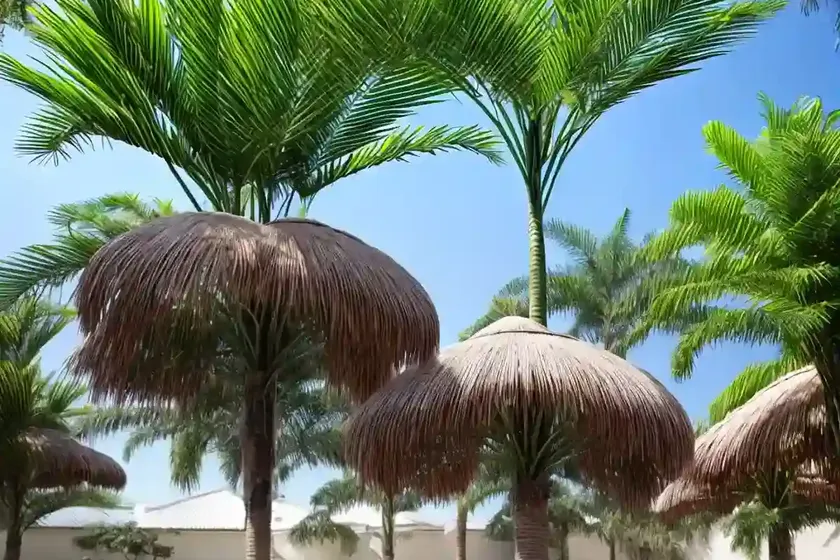
Plants play a significant role in our lives, from providing fresh air to enhancing the aesthetics of our surroundings. One such fascinating plant is the Chinese Palm Fan, scientifically known as Livistona chinensis. In this comprehensive guide, we will delve into the cultural aspects, care practices, common diseases, and much more, to help you understand and appreciate this beautiful plant.
What is the Chinese Palm Fan (Livistona chinensis)?
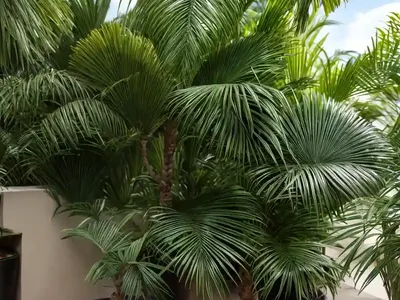
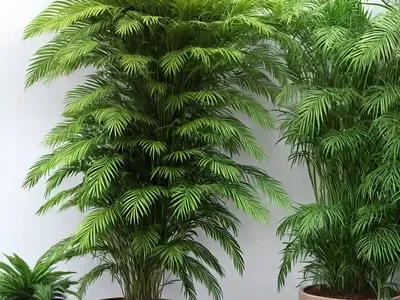
Livistona chinensis, commonly referred to as the Chinese Palm Fan, is a tropical fan palm native to several regions in East Asia, particularly in China, Japan, Taiwan, and southern Korea. This stunning palm species is known for its large, fan-shaped leaves that make it a popular choice for landscaping and indoor decor.
The Chinese Palm Fan belongs to the Arecaceae family and can thrive both indoors and outdoors, given the right growing conditions. Its distinctive appearance and low maintenance requirements make it a sought-after plant among gardening enthusiasts and interior decorators.
Key Takeaways
Before we delve into the specifics of caring for the Chinese Palm Fan, let’s highlight some key takeaways that will guide us through the various aspects of its cultivation and maintenance.
Culture
- Origin: East Asia (China, Japan, Taiwan, and southern Korea)
- Family: Arecaceae
- Common Names: Chinese Palm Fan, Livistona chinensis
- Type: Tropical fan palm
Uses
- Landscaping
- Indoor decoration
- Air purification
- Ornamental purposes
Water
- Moderate watering
- Avoid waterlogging
- Maintain consistently moist soil
Sunlight
- Bright, indirect light
- Partial shade outdoors
- Protection from harsh midday sun
Fertilizer
- Balanced, water-soluble fertilizer
- Application during the growing season
- Dilute strength for indoor plants
Soil
- Well-draining potting mix
- Rich in organic matter
- pH of 6.0 to 7.5
Pruning
- Removal of damaged or yellowing leaves
- Regular maintenance of a clean trunk
- Prune sparingly to maintain natural appearance
Propagation
- Propagation by seeds
- Offsets or suckers for division
- Warm and humid environment for propagation
Container Popularity
- Suited for container gardening
- Choose a spacious pot for mature plants
- Good drainage is essential
Container Common Diseases
- Root rot due to waterlogging
- Fungal infections in poorly ventilated soil
Disease Diagnosis
- Yellowing or wilting of leaves
- Leaf spots or discoloration
- Stunted growth
Common Pests
- Spider mites
- Mealybugs
- Scale insects
Botanist’s Tips
- Maintain adequate humidity
- Protect from cold drafts
- Regularly clean and mist the leaves
Fun Facts
- The Chinese Palm Fan is sometimes referred to as the Fountain Palm due to the arching and cascading nature of its leaves.
- It is a known air-purifying plant, contributing to a healthier indoor environment.
Chinese Palm Fan (Livistona chinensis) Care Guide
Now that we have established an overview of the Chinese Palm Fan, let’s delve into the detailed care guide for this captivating plant. Understanding its specific requirements will enable you to cultivate and maintain a healthy Chinese Palm Fan in your home or garden.
Plant Characteristics
The Chinese Palm Fan is characterized by its striking, fan-shaped leaves that can reach up to 5 feet in length. The leaves grow on long, arching petioles, creating an elegant and tropical appearance. Additionally, the plant features a solitary trunk with visible leaf scars and a dense crown of leaves at the top.
Light Requirements
Providing the appropriate amount of light is crucial for the Chinese Palm Fan’s health and growth. Whether grown indoors or outdoors, it thrives in bright, indirect light. Indoors, place the plant near a window or in a well-lit room with filtered sunlight. When grown outdoors, ensure that the plant is shielded from harsh midday sun, especially in regions with intense heat.
Water Requirements
Proper watering is essential for the Chinese Palm Fan to thrive. While it is crucial to maintain moist soil, it is equally important to avoid waterlogging, which can lead to root rot. During the growing season, water the plant thoroughly when the top inch of the soil becomes slightly dry. In winter, reduce watering frequency, allowing the soil to dry out slightly between waterings.
Soil Requirements
The Chinese Palm Fan thrives in a well-draining potting mix that is rich in organic matter. A combination of peat moss, perlite, and well-decomposed compost creates an ideal growing medium for this palm species. The soil pH should range between 6.0 and 7.5, ensuring optimal nutrient availability for the plant.
Fertilizer Needs
Fertilize the Chinese Palm Fan during the growing season to support its healthy growth and foliage development. A balanced, water-soluble fertilizer formulated for palm plants is suitable for this species. Dilute the fertilizer to half or quarter strength to prevent over-fertilization, particularly when feeding indoor plants.
Pruning Techniques
Pruning the Chinese Palm Fan should primarily focus on the removal of dried, damaged, or yellowing leaves. Regularly inspect the plant for any signs of declining foliage and promptly prune affected leaves to maintain the plant’s vitality and aesthetics. While occasional grooming of the leaf tips may be necessary, avoid excessive pruning to preserve the palm’s natural appearance.
Propagation
Propagating the Chinese Palm Fan can be achieved through several methods, including seeds and offsets or suckers. When propagating by seeds, ensure a warm and humid environment to facilitate germination. For division through offsets or suckers, carefully separate the young shoots from the parent plant and plant them in a suitable growing medium to promote root development.
Container Gardening
The Chinese Palm Fan is well-suited for container gardening, allowing individuals in various climatic regions to cultivate this tropical beauty. When selecting a container, choose a spacious pot that accommodates the plant’s mature size. Additionally, ensure that the pot has adequate drainage holes to prevent water accumulation, which can lead to root rot.
Common Diseases and Pest Control
Despite being a relatively low-maintenance plant, the Chinese Palm Fan is susceptible to certain diseases and pest infestations. Common diseases such as root rot and fungal infections can be prevented by maintaining proper watering practices and ensuring well-ventilated soil. Regular inspection for pests such as spider mites, mealybugs, and scale insects is essential to address infestations promptly and prevent damage to the plant.
Temperature Tolerance
The Chinese Palm Fan exhibits a preference for warm and humid conditions, typical of its tropical origins. When grown indoors, maintain a consistent temperature ranging between 65°F and 80°F (18°C to 27°C) to promote healthy growth. Additionally, protect the plant from cold drafts and sudden temperature fluctuations, as it does not tolerate prolonged exposure to low temperatures.
Mature Size and Growth Rate
With optimal care and growing conditions, the Chinese Palm Fan can attain a mature height of approximately 10 to 12 feet, showcasing its graceful, cascading foliage. The plant’s growth rate is moderate, and it responds well to adequate light, moisture, and nutrients, thriving in environments that mimic its natural habitat.
Indoor Care
When cultivated as an indoor plant, the Chinese Palm Fan thrives in environments with high humidity levels. Regular misting of the leaves and the use of a humidity tray or humidifier can create an optimal microclimate for the plant. Additionally, periodically cleaning the leaves with a damp cloth helps to remove dust and maintain the plant’s vibrant appearance.
Decorative Plant and Air Purification
Beyond its ornamental value, the Chinese Palm Fan is celebrated for its air-purifying properties. As it photosynthesizes, the plant efficiently removes airborne pollutants, contributing to improved air quality in indoor spaces. Its decorative foliage and air-cleaning abilities make it an ideal choice for homes, offices, and public spaces.
Chinese Palm Fan (Livistona chinensis) Health Benefits
The Chinese Palm Fan offers a range of health benefits, further enhancing its appeal as a cherished plant species for both indoor and outdoor settings. Its contributions to air purification, stress reduction, and overall well-being underscore its significance in promoting a healthier living environment.
Air Purification
The Chinese Palm Fan actively purifies indoor air by absorbing harmful pollutants and releasing oxygen during photosynthesis. Its broad, lush foliage serves as an effective natural air filter, targeting a variety of volatile organic compounds (VOCs) commonly found in indoor environments. By reducing airborne toxins, the plant helps to create a cleaner and fresher atmosphere, promoting respiratory health and overall well-being.
Stress Reduction
Numerous studies have highlighted the positive impact of plants on stress reduction and mental well-being. The presence of greenery, such as the Chinese Palm Fan, can create a calming and soothing ambiance, contributing to lower stress levels and improved concentration. Incorporating this tropical palm into indoor spaces allows individuals to experience the therapeutic benefits of nature within their immediate surroundings.
Aesthetics and Well-Being
The visual appeal of the Chinese Palm Fan and its ability to enhance the aesthetics of any space contribute to a sense of well-being and harmony. Its lush foliage, vibrant green color, and graceful form create a visually captivating presence, uplifting the ambiance of homes, offices, and public areas. Engaging with nature through the cultivation of plants like the Chinese Palm Fan provides numerous psychological and emotional benefits, promoting a holistic sense of wellness.
Chinese Palm Fan (Livistona chinensis) Varieties
With its captivating features and adaptability, the Chinese Palm Fan has garnered interest among plant enthusiasts, leading to the development of distinct cultivars and varieties. Each variety may exhibit unique characteristics in terms of leaf coloration, size, or growth habit, offering diverse options for plant enthusiasts to explore.
Variegated Chinese Palm Fan
Variegated varieties of the Chinese Palm Fan feature striking foliage patterns, with leaves adorned in hues of green and creamy white or yellow. The variegation adds a captivating visual element to the plant, making it a sought-after choice for individuals looking to incorporate unique and eye-catching plants into their indoor or outdoor spaces.
Dwarf Chinese Palm Fan
Dwarf cultivars of the Chinese Palm Fan are particularly well-suited for smaller indoor settings or container gardening. These compact varieties retain the distinctive appearance of the species while exhibiting a more restrained growth habit. Their manageable size makes them an excellent choice for individuals seeking a tropical palm presence in limited spaces.
Hybrid Chinese Palm Fan
Hybridization efforts have resulted in the creation of hybrid Chinese Palm Fan varieties that showcase a blend of traits from different palm species. These hybrids may introduce novel characteristics, such as unique leaf shapes, color variations, or growth patterns, adding to the diversity of options available to plant enthusiasts and collectors.
Chinese Palm Fan (Livistona chinensis) – Additional Considerations
In addition to the essential care practices and benefits associated with the Chinese Palm Fan, certain additional considerations can further enhance the plant’s vitality and longevity. These considerations encompass aspects such as pot size, humidity requirements, and temperature sensitivity, offering insights to further optimize the plant’s growing environment.
Pot Size and Root System
When selecting a pot for the Chinese Palm Fan, choose a size that accommodates the plant’s mature root system. Providing ample space for root development encourages healthy growth and minimizes the risk of root-bound conditions. A well-sized pot with good drainage facilitates optimal soil aeration and moisture management, contributing to the overall well-being of the plant.
Humidity Requirements
The Chinese Palm Fan thrives in environments with high humidity levels, reflecting its tropical origins. While it can adapt to moderate humidity conditions, maintaining a humid microclimate is beneficial for the plant’s growth and leaf health. Utilizing a humidity tray, regular misting, or the placement of a small humidifier near the plant can help create an ideal moisture-rich environment.
Temperature Sensitivity and Cold Hardiness
Given its tropical nature, the Chinese Palm Fan is sensitive to cold temperatures and frost. It thrives in warm and humid conditions, showcasing optimal growth within a temperature range of 65°F to 80°F (18°C to 27°C). To protect the plant from cold drafts and low temperatures, particularly during the winter months, ensure that it is shielded from chilling winds and abrupt temperature fluctuations.
Conclusion
The Chinese Palm Fan (Livistona chinensis) stands out as a captivating and versatile plant that adds a touch of tropical elegance to both indoor and outdoor spaces. Its distinctive fan-shaped leaves, air-purifying abilities, and low-maintenance nature make it a popular choice among plant enthusiasts, interior decorators, and landscape designers.
By understanding and implementing the key care practices, including proper watering, adequate light exposure, and balanced nutrition, individuals can cultivate thriving Chinese Palm Fans in their homes, offices, or gardens. Additionally, appreciating the plant’s health benefits, unique varieties, and additional considerations, such as pot size and humidity requirements, enhances the overall cultivation experience.
Embracing the presence of the Chinese Palm Fan not only enriches our immediate surroundings with natural beauty but also contributes to a healthier, more harmonious living environment. Its graceful form, air-purifying qualities, and capacity to evoke a sense of well-being make it a plant worth celebrating and incorporating into our lives.
References
- Royal Horticultural Society – Plant characteristics and care information
- University of Florida IFAS Extension – Pests and diseases of palms
- North Carolina State University Extension – How to grow fan palms indoors
- University of Florida IFAS Extension – Indoor plant care