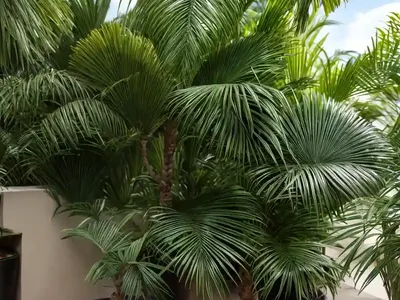
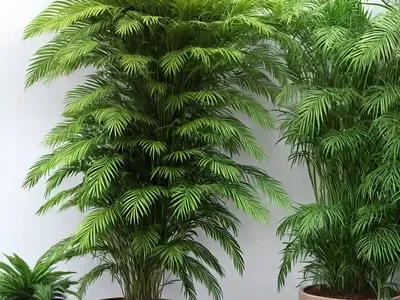
Fan Palms (Livistona Chinensis)
Plants are a fundamental part of the Earth’s ecosystem, providing numerous benefits to our lives. Among the myriad of plant species, fan palms stand out.
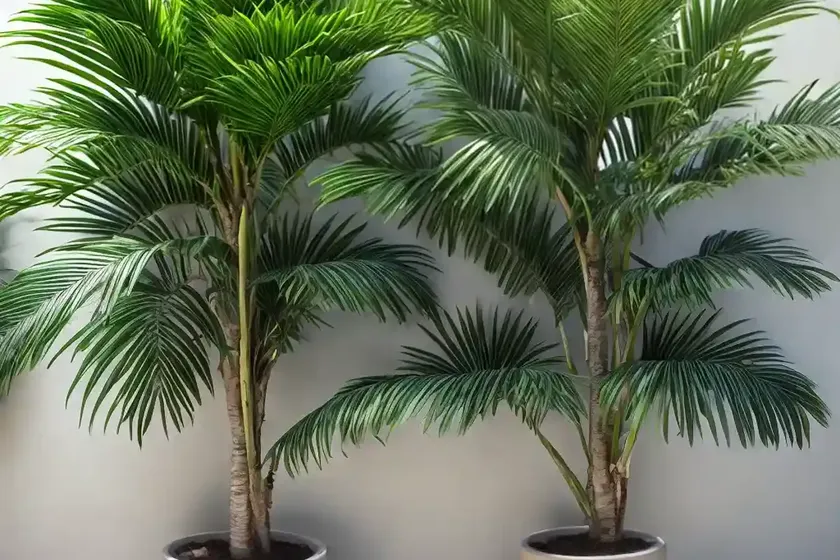
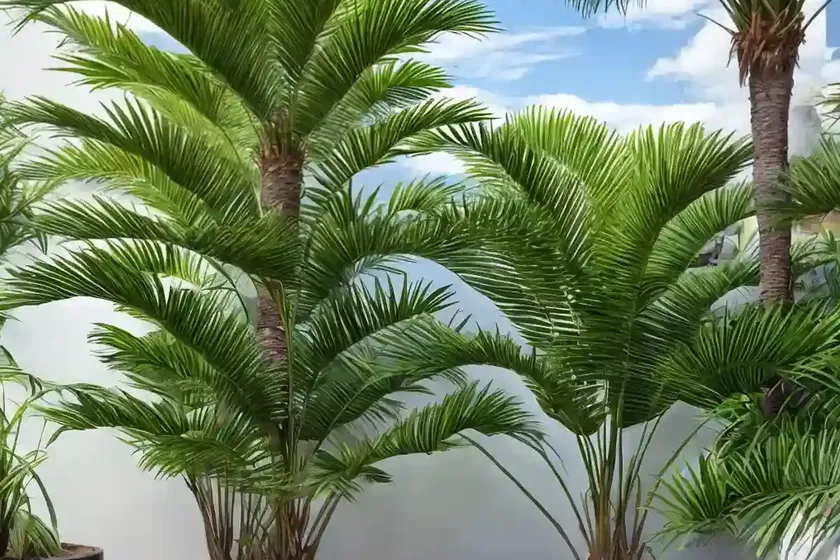

Plants are a fundamental part of the Earth’s ecosystem, providing numerous benefits to our lives. Among the myriad of plant species, fan palms stand out due to their unique appearance and various uses. In this extensive guide, we will delve into the fascinating world of fan palms, focusing specifically on the Livistona chinensis species. We will explore its cultural significance, optimal growing conditions, potential uses, common diseases and pests, propagation methods, and much more. By the end of this comprehensive guide, you will have gained a profound understanding of this captivating plant, empowering you to cultivate, care for, and appreciate it to the fullest.
What is a Plant?
Plants are living organisms in the kingdom Plantae. They are characterized by their ability to photosynthesize, utilizing light energy to convert carbon dioxide and water into organic compounds. Through this process, plants produce oxygen, making them crucial for the survival of many other living organisms on our planet. Plants also play a significant role in various ecosystems, serving as food sources, habitats, and contributing to nutrient cycles. Additionally, they are utilized by humans for food, medicine, materials, and aesthetic purposes.
Fan Palms (Livistona chinensis)
Fan palms are a group of palm tree species known for their striking fan-shaped leaves and elegant appearance, making them a popular choice for both indoor and outdoor landscaping. Among the diverse varieties of fan palms, Livistona chinensis stands out for its unique combination of beauty and versatility. This species, also known as the Chinese fan palm, features lush, fan-shaped fronds and exudes a tropical ambiance, making it a favorite among plant enthusiasts and landscapers.
Key Takeaways
Before we dive into the detailed aspects of fan palm care and cultivation, let’s establish some key takeaways about Livistona chinensis that will be further explored in this guide.
Culture
- Scientific Name: Livistona chinensis
- Common Name: Chinese Fan Palm
- Type: Palm Tree
- Origin: Eastern Asia, Japan, Southern China, Taiwan
Uses
- Indoor Decor: Adds a tropical touch to indoor spaces
- Outdoor Landscaping: Ideal for creating lush, tropical landscapes
- Air Purification: Effectively removes indoor air pollutants
- Traditional Medicine: Utilized in traditional Chinese medicine
- Culinary Uses: Various parts used in cuisine
Growing Conditions
- Water: Moderate watering requirements
- Sunlight: Thrives in bright, indirect light
- Fertilizer: Regular feeding during the growing season
- Soil: Well-draining, fertile soil
- Pruning: Minimal maintenance required
- Propagation: Can be propagated from seeds
Common Diseases and Pests
- Diseases: Susceptible to fungal infections under humid conditions
- Pests: Vulnerable to spider mites and scale insects
Now, let’s delve into each of these aspects in detail, exploring the intricacies of cultivating and caring for Livistona chinensis.
Culture
Water
Proper watering is essential for the health and vitality of fan palms. Overwatering or allowing the roots to sit in standing water can lead to root rot, while underwatering can cause the leaves to wilt and dry out. Striking the right balance is crucial for maintaining optimal soil moisture levels.
- Watering Frequency: Water your Chinese fan palm moderately, allowing the top inch of the soil to dry out before watering again. The frequency will vary depending on environmental factors such as temperature and humidity.
- Soil Moisture: Ensure that the soil is well-draining to prevent waterlogged conditions that can lead to root rot. Use a pot with drainage holes to facilitate excess water removal.
- Water Quality: Use room-temperature water to avoid shocking the plant with cold water.
Sunlight
Chinese fan palms thrive in bright, indirect light. While they can tolerate some direct sunlight, prolonged exposure to intense, direct sun rays can lead to leaf burn and diminished overall health. Understanding the plant’s light requirements is vital for ensuring its well-being and longevity.
- Optimal Light: Place the Chinese fan palm in a location with bright, filtered light, such as near a window with sheer curtains. Avoid direct exposure to harsh midday sun, especially in regions with intense sunlight.
- Indoor Placement: When grown indoors, position the palm near a window that receives ample natural light, but shielded from direct sun rays.
Fertilizer
Proper fertilization provides essential nutrients for the Chinese fan palm’s growth and development. However, it’s crucial to administer the right type and amount of fertilizer to avoid potential nutrient imbalances and salt buildup in the soil.
- Fertilizer Type: Use a balanced, water-soluble fertilizer specifically formulated for palm trees or general use houseplant fertilizer with an N-P-K ratio of 12-4-12 or similar.
- Application Frequency: Feed the Chinese fan palm during the growing season (spring and summer) every 2-4 weeks. Reduce feeding during the winter months when the plant’s growth slows down.
- Avoid Overfeeding: Follow the recommended dosage on the fertilizer label to prevent fertilizer burn, which can damage the plant’s roots and foliage.
Soil
Providing the proper soil conditions is essential for the Chinese fan palm to thrive. The ideal soil should offer good drainage while retaining adequate moisture and nutrients to support the plant’s growth.
- Soil Type: Use a well-draining, peat-based potting mix with a slightly acidic to neutral pH (6.1-7.5). A mix formulated for palm trees or tropical plants is generally suitable.
- Aeration: Incorporate perlite or coarse sand into the potting mix to improve aeration and drainage.
- Container Selection: Select pots with drainage holes to prevent waterlogging and facilitate proper drainage.
Pruning
Chinese fan palms generally require minimal pruning, mainly consisting of the removal of old, yellowed, or damaged fronds. Pruning the palm’s canopy can help maintain its appearance, promote air circulation, and enhance the plant’s overall health.
- Old Frond Removal: Trim away old or yellowed fronds close to the base of the stem using sharp, clean pruning shears. This allows the palm to allocate energy to new growth and prevents potential disease issues associated with decaying fronds.
- Canopy Maintenance: Trim any browned leaf tips or damaged sections of the fronds to maintain the plant’s aesthetics and remove potential entry points for pests and diseases.
- Caution: Avoid over-pruning, as excessive removal of healthy fronds can stress the palm and impede its growth.
Propagation
While propagation of Chinese fan palms is most commonly accomplished through seeds, it is also possible to propagate them from offsets or suckers produced at the base of the plant. Understanding the methods and best practices for propagation can expand your options for multiplying these captivating palms.
- Seed Propagation: The propagation of Chinese fan palms from seeds involves harvesting mature seeds, preparing the planting medium, and providing the optimal conditions for germination.
- Offset Propagation: Offsets or suckers that emerge from the base of mature fan palms can be carefully separated and replanted to establish new individual plants.
- Patience: Propagation of fan palms requires patience, as the process can take time and favorable conditions to achieve successful germination and establishment.
Container Popularity
Due to their striking appearance and adaptability, Chinese fan palms are popular choices for container cultivation. When grown in containers, they can be utilized as stunning ornamental accents in various indoor and outdoor settings, contributing to the creation of tropical, lush environments.
Indoor Display
- Decorative Accents: Chinese fan palms serve as captivating focal points in indoor spaces, adding a touch of tropical elegance to home interiors, offices, and commercial establishments.
- Air Purification: The palms contribute to indoor air quality by effectively removing common indoor pollutants, enhancing the well-being of occupants.
- Space Adaptability: Their moderate size makes Chinese fan palms suitable for various indoor settings, including living rooms, hallways, and office spaces.
Outdoor Landscaping
- Landscape Focal Points: When planted outdoors, Chinese fan palms create stunning focal points within tropical and exotic garden designs, adding visual interest and enhancing the overall aesthetic appeal.
- Patio and Poolside Accent: Placing Chinese fan palms around patios, decks, or pool areas can create a lush, resort-like atmosphere, accentuating the outdoor living space.
- Container Gardening: The palms are well-suited for container gardening, allowing individuals in a wide range of climates to enjoy their beauty and tropical ambiance.
Common Diseases
Disease Diagnosis
As with all plants, Chinese fan palms are susceptible to certain diseases and infections, particularly under conditions of high humidity and poor air circulation. Understanding and identifying these potential issues early on is crucial for implementing effective treatment and preventative measures.
- Fungal Infections: The palm may develop fungal diseases such as leaf spot, stem rot, or root rot when exposed to prolonged moisture, leading to discolored, wilted, or decaying foliage and stems.
- Leaf Yellowing: Yellowing or browning of fronds can indicate various issues, including overwatering, underwatering, nutrient deficiencies, or pest infestations.
- Environmental Stress: Stress factors such as extreme temperatures, improper watering, or inadequate lighting can weaken the plant, making it more susceptible to diseases.
Common Pests
Chinese fan palms are vulnerable to pest infestations, with certain pests posing a risk to the plant’s overall health and vigor. Regular inspection and prompt intervention are essential for managing and preventing pest-related issues.
- Spider Mites: These tiny pests can infest the palm, causing stippling, webbing, and general decline in plant health. They are often found on the undersides of leaves.
- Scale Insects: Scale insects can appear as small, raised bumps on the stems and foliage, feeding on the plant’s sap and causing leaf yellowing and wilting.
Botanist’s Tips
Nutrient Management
Regularly monitor the Chinese fan palm’s nutrient levels and address any deficiencies promptly. A balanced fertilizer regimen and occasional supplementation with micronutrients can support the plant’s growth and vitality.
Air Circulation
Maintain adequate air circulation around the Chinese fan palm, particularly in indoor environments. Stagnant, humid air can increase the risk of fungal diseases and pest infestations. Use fans or open windows to promote air movement.
Temperature Considerations
Chinese fan palms thrive in warm, humid environments and are sensitive to cold temperatures. Protect the plant from drafts and extreme cold, as prolonged exposure to low temperatures can damage the foliage and impede growth.
Insect Control
Regularly inspect the palm for signs of pest infestations. Early detection allows for prompt intervention, preventing the pests from causing extensive damage to the plant.
Fun Facts
Before wrapping up this comprehensive guide, let’s explore some intriguing and lesser-known facts about Chinese fan palms.
- Cultural Significance: Livistona chinensis holds cultural significance in various traditions and is utilized in ceremonies and celebrations in certain regions of Asia.
- Historical Uses: The fan-shaped leaves of the palm have been historically used for a variety of purposes, including weaving, thatching, and crafting various items.
- Culinary Applications: Certain parts of the Chinese fan palm are used in traditional cuisines for their flavor and nutritional properties, adding diversity and depth to culinary practices.
- Ecological Importance: As with many plant species, Chinese fan palms contribute to the ecological balance of their native habitats, serving numerous ecological roles.
- Historical Symbolism: The palm has been symbolically associated with various virtues and meanings in different cultures, adding an element of cultural significance to its presence.
Links to External Resources
As the world of plants and gardening is vast and continually evolving, it’s essential to have access to reputable sources of information and expertise. Here are some valuable external resources for further exploration of fan palms and related topics:
- The Royal Botanic Gardens, Kew – A renowned center for plant science and education, offering a wealth of resources on palm trees, including Livistona chinensis.
- University of Florida IFAS Extension – The University of Florida’s Institute of Food and Agricultural Sciences Extension provides research-based information on palm tree care and cultivation.
- American Horticultural Society – AHS offers educational resources and publications covering diverse plant species, including palms and tropical plants.
- Royal Horticultural Society (RHS) – RHS provides expertise on gardening and horticultural practices, with extensive information on ornamental and exotic plants, including fan palms.
- PlantPathology.ucdavis.edu – The UC Davis Plant Pathology website offers valuable insights into plant diseases, including those relevant to palm trees, and their management.
By utilizing the information presented in this guide and tapping into the expertise of these external resources, you can embark on a fulfilling journey of fan palm cultivation, appreciation, and preservation.
In conclusion, the Chinese fan palm (Livistona chinensis) stands as a captivating example of nature’s beauty and versatility. Its unique fan-shaped fronds, cultural significance, and various applications make it a cherished addition to indoor and outdoor environments. By understanding its needs, growth patterns, and potential challenges, enthusiasts and gardeners can cultivate and enjoy the splendor of this remarkable palm, elevating their living spaces and connecting with the natural world in profound ways.
As we continue to explore the myriad wonders of the plant kingdom, let’s cherish and celebrate the remarkable contributions of plants like the Chinese fan palm, enhancing our lives and enriching our understanding of the world around us.