Silver Date Palm (Phoenix Sylvestris)
Welcome to this comprehensive guide on Phoenix Sylvestris, commonly known as the Silver Date Palm. In this guide, we will delve into the intricate details.


Introduction
Welcome to this comprehensive guide on Phoenix Sylvestris, commonly known as the Silver Date Palm. In this guide, we will delve into the intricate details of this fascinating plant, covering everything from its cultural requirements and uses to its propagation, common diseases, and more. If you are an enthusiast looking to harness the beauty of the Silver Date Palm in your indoor or outdoor spaces or a professional seeking in-depth knowledge about this plant, you will find this guide invaluable.
What is Silver Date Palm (Phoenix Sylvestris)?
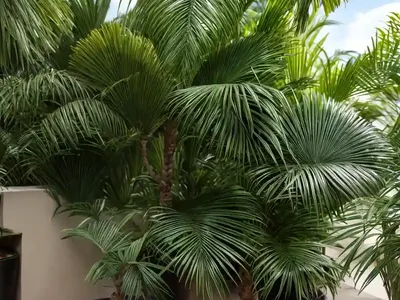
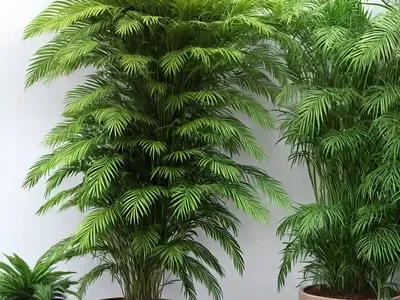
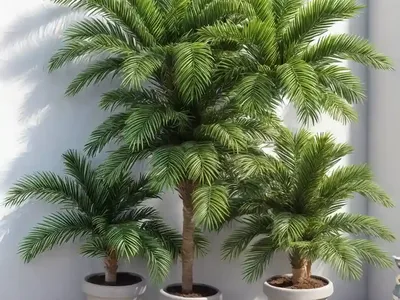
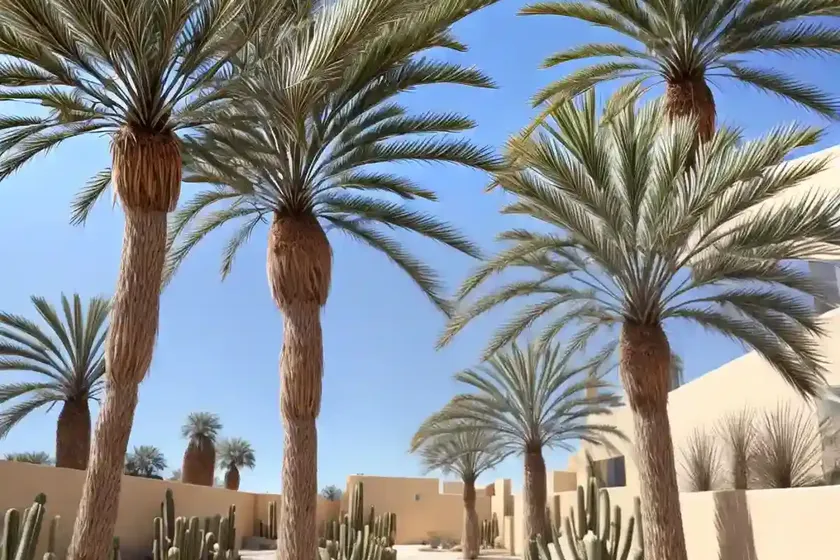
Phoenix Sylvestris, or the Silver Date Palm, is a majestic species of palm native to the Indian subcontinent. It belongs to the Arecaceae family and is renowned for its striking appearance and adaptability to various climates. This palm species is characterized by its silvery-green, gracefully arching leaves and its slender, elegant trunk. The Silver Date Palm is a popular ornamental plant, valued for its aesthetic appeal and low maintenance requirements. Understanding the key aspects of its culture, uses, and care is essential for successfully growing and nurturing this remarkable plant.
Key Takeaways – Silver Date Palm (Phoenix Sylvestris)
Let’s begin by exploring the key takeaways that will form the foundation of our discussion regarding the Silver Date Palm. In this section, we will provide an overview of the critical aspects including culture, uses, water, sunlight, fertilizer, soil, pruning, propagation, container suitability, popularity, common diseases, disease diagnosis, common pests, and botanist’s tips.
Culture
- The Silver Date Palm thrives in warm, tropical climates but exhibits remarkable adaptability to various environments.
- It is a low-maintenance plant, making it an excellent choice for both seasoned gardeners and beginners.
- Well-draining soil and regular watering are essential for its optimal growth and health.
Uses
- As an ornamental plant, the Silver Date Palm is commonly used in landscaping to create tropical and exotic vibes.
- It serves as an excellent focal point in gardens, parks, and urban landscapes due to its elegant appearance and striking foliage.
Water
- Adequate watering is crucial, especially during the establishment phase and in dry, hot weather conditions.
- Overwatering should be avoided to prevent waterlogged soil and potential root rot.
Sunlight
- The Silver Date Palm flourishes in full sunlight, requiring at least 6-8 hours of direct sunlight daily for robust growth.
Fertilizer
- Regular application of a balanced, palm-specific fertilizer during the growing season can promote vigorous growth and enhance the plant’s overall health.
Soil
- Well-draining, sandy loam soil with a slightly acidic to neutral pH level is ideal for the Silver Date Palm.
Pruning
- Pruning is primarily focused on the removal of old or damaged fronds, maintaining the plant’s aesthetics, and promoting healthy growth.
- Care should be taken to avoid over-pruning, which can stress the plant.
Propagation
- Propagation can be accomplished through the collection and germination of seeds or by division of offsets from mature plants.
Container Popularity
- The Silver Date Palm is often grown in containers, making it a desirable choice for indoor and patio settings.
Container Common Diseases
- Container-grown Silver Date Palms are susceptible to root rot and pests, necessitating proper drainage and vigilance in pest management.
Disease Diagnosis
- Yellowing or browning of fronds, stunted growth, and visible lesions can signify potential diseases, prompting the need for accurate diagnosis and prompt treatment.
Common Pests
- Common pests affecting the Silver Date Palm include spider mites, scale insects, and mealybugs, which can be effectively controlled through regular monitoring and appropriate interventions.
Botanist’s Tips
- Regularly inspect the plant for signs of distress, such as discoloration or wilting, and address any issues promptly.
- Strive to maintain a well-balanced and nurturing environment to encourage the plant’s vitality and resilience.
Now that we have covered the foundational aspects of the Silver Date Palm, let’s delve deeper into each of these elements to gain a comprehensive understanding of nurturing and thriving with this captivating plant.
Silver Date Palm (Phoenix Sylvestris) Care Guide
Silver Date Palm (Phoenix Sylvestris) Varieties
The Silver Date Palm is a species with notable variability, showcasing diverse morphological features and characteristics. While the standard Phoenix Sylvestris variety is widely cultivated, several cultivars and hybrids have emerged, offering unique attributes and visual appeal. Some popular varieties and hybrids of Phoenix Sylvestris include:
| Variety Name | Description |
|---|---|
| Silver Queen | Distinguished by its silvery fronds and graceful, arching growth habit. |
| Silver King | Notable for its robust growth and striking, silver-green foliage. |
| Variegated Beauty | Exhibits variegated leaves with distinct patterns, adding visual interest and ornamental value to the plant. |
Each of these varieties presents captivating features, enriching the horticultural landscape and catering to diverse aesthetic preferences.
Growing Silver Date Palm Indoors
The adaptability of the Silver Date Palm makes it a suitable candidate for indoor cultivation, serving as a captivating addition to interior spaces. When growing this plant indoors, several factors should be considered to ensure its well-being and flourishing growth.
Sunlight Needs
- Select a well-lit location with ample natural light, ensuring that the plant receives sufficient sunlight for at least six hours daily.
- Ensure that the indoor environment offers adequate ventilation and air circulation to foster optimal growth.
Soil Requirements
- Utilize a well-draining, nutrient-rich potting mix, specifically formulated for palms or tropical plants.
- The soil should retain adequate moisture without becoming waterlogged, promoting a healthy root system and vigorous growth.
Watering
- Implement a regular watering schedule, allowing the top layer of soil to dry out slightly between watering sessions.
- Adjust the frequency of watering based on environmental factors such as temperature and humidity levels.
Container Suitability
- Select a spacious, sturdy container with sufficient drainage holes to prevent water accumulation.
- Repot the Silver Date Palm as needed to accommodate its growth and prevent root congestion.
Pruning Tips
- Trim old or yellowing fronds to maintain the plant’s aesthetics and prevent the onset of potential diseases.
- Maintain a balanced crown by evenly spacing out fronds and preventing overcrowding.
Phoenix Sylvestris Propagation
The propagation of the Silver Date Palm can be accomplished through two primary methods: seed germination and division of offsets. Each approach offers distinct advantages and considerations, contributing to the plant’s successful propagation and expansion.
Seed Germination
- Select mature, viable seeds from a healthy Silver Date Palm specimen, ensuring that they are free from damage or deformities.
- Plant the seeds in a well-draining potting mix, maintaining consistent moisture and warmth to facilitate germination.
- Germination typically occurs within 2-3 months, marking the beginning of the plant’s developmental journey.
Division of Offsets
- Identify healthy, mature offsets emerging from the base of the parent plant, displaying their own root systems and foliage.
- Carefully separate the offsets from the parent plant, ensuring that they retain their root mass and essential nutrients.
- Plant the offsets in individual containers, providing suitable growing conditions to facilitate their establishment and subsequent growth.
Silver Date Palm (Phoenix Sylvestris) Landscape Design
In outdoor settings, the Silver Date Palm serves as a captivating focal point, enriching landscapes with its graceful silhouette and vibrant foliage. Incorporating this plant into landscape designs presents exciting opportunities to create visually stunning and harmonious environments.
Climate Requirements
- The Silver Date Palm thrives in warm, tropical climates, displaying exceptional resilience in the face of high temperatures and humidity.
- It is suitable for USDA hardiness zones 9-11, exhibiting excellent adaptability to various soil types and environmental conditions.
Soil and Watering Considerations
- Provide well-draining, loamy soil with adequate moisture retention to support the plant’s root development and nutrient uptake.
- Implement a regular watering regimen, adjusting the frequency based on climate variations and seasonal changes.
Decorative Features
- The arching, silvery-green fronds of the Silver Date Palm serve as captivating decorative elements, adding elegance and visual appeal to outdoor spaces.
- Select suitable companion plants and landscaping features to complement and enhance the plant’s ornamental value.
Silver Date Palm (Phoenix Sylvestris) Maintenance
Maintaining the health and vitality of the Silver Date Palm requires regular attention and care, encompassing various aspects of plant management and well-being. By integrating effective maintenance practices, enthusiasts can ensure the longevity and beauty of this remarkable palm species.
Fertilization
- Apply a balanced, palm-specific fertilizer during the growing season to provide essential nutrients and support robust growth.
- Follow manufacturer recommendations regarding application rates and frequency, adjusting based on the plant’s response and overall health.
Pruning Techniques
- Perform regular pruning to remove old or damaged fronds, promoting air circulation and preventing the spread of potential diseases.
- Use sterile pruning tools to minimize the risk of infections and ensure clean, precise cuts.
Repotting
- Monitor the Silver Date Palm for signs of root congestion or restricted growth within its container, indicating the need for repotting.
- Select a larger, appropriately sized container and utilize fresh potting mix to facilitate the plant’s transition and continued development.
Pest Control
- Implement preventive measures to mitigate common pests such as spider mites, scale insects, and mealybugs, ensuring the plant remains free from infestations.
- Regularly inspect the foliage and undersides of fronds for the presence of pests, addressing any issues promptly and effectively.
Silver Date Palm (Phoenix Sylvestris) – Common Diseases and Treatments
Despite its resilience, the Silver Date Palm is susceptible to certain diseases that can affect its overall health and vigor. Identifying these diseases and promptly applying appropriate treatments are pivotal in safeguarding the plant and preserving its ornamental appeal.
Common Diseases
-
Fungal Infections: Excessive moisture and inadequate air circulation can lead to fungal diseases such as leaf spot and bud rot, manifesting as dark lesions on the fronds and distorted growth.
-
Root Rot: Prolonged waterlogging and poorly drained soil can result in root rot, causing the plant to display symptoms of wilting, yellowing fronds, and stunted growth.
-
Palm Anthracnose: This fungal disease can lead to black or dark brown lesions on the fronds, compromising their integrity and overall aesthetic appeal.
Disease Diagnosis
- Conduct regular inspections of the Silver Date Palm, paying close attention to the condition of the fronds, stem, and root system.
- Look for visible signs of disease such as discoloration, lesions, and abnormal growth patterns, and assess the plant’s overall vitality.
Treatment Measures
- Implement cultural practices that promote good air circulation and proper moisture management, reducing the risk of fungal infections and related diseases.
- Utilize appropriate fungicidal treatments to address fungal infections, following manufacturer guidelines and recommendations for application and frequency.
Silver Date Palm (Phoenix Sylvestris) – Common Pests
The Silver Date Palm is susceptible to infestations by various pests, potentially compromising its health and visual appeal. Effective pest management strategies are essential in preserving the plant’s vitality and preventing pest-related damage.
Common Pests
-
Spider Mites: These tiny arachnids can infest the undersides of fronds, causing stippling, discoloration, and webbing, leading to weakened plant vigor.
-
Scale Insects: Scale insects can attach themselves to the fronds and stem, feeding on the plant’s sap and causing yellowing, wilting, and overall decline in health.
-
Mealybugs: Mealybugs are known for their waxy, white appearance and can cluster on the fronds, leading to stunted growth and reduced aesthetic quality.
Pest Control
- Employ natural predators such as ladybugs and lacewings to control the population of spider mites, scale insects, and mealybugs in outdoor settings.
- Utilize horticultural oils and insecticidal soaps to treat and manage pest infestations, targeting the affected areas for comprehensive control.
Silver Date Palm (Phoenix Sylvestris) – Botanist’s Tips
Incorporating the insights and practical tips from experienced botanists can enhance the overall care and management of the Silver Date Palm, fostering a nurturing environment that promotes the plant’s health and longevity.
Essential Considerations
- Regularly monitor the plant for signs of stress or distress, addressing any issues promptly to prevent potential complications and setbacks.
- Incorporate balanced cultural practices, encompassing watering, fertilization, and pest management, to create an optimal growing environment for the Silver Date Palm.
Nurturing the Plant
- Strive to provide consistent care and attention, catering to the plant’s specific requirements and adapting practices based on seasonal changes and environmental factors.
- Foster a deep understanding of the Silver Date Palm’s growth habits and characteristics, facilitating a harmonious and mutually beneficial relationship with the plant.
Developing Resilience
- Encourage the plant’s resilience and vigor through sustainable gardening practices, reinforcing its natural defenses and innate ability to withstand environmental stressors.
- Continuously educate and empower oneself with knowledge about the plant, its distinct needs, and effective care techniques.
Silver Date Palm (Phoenix Sylvestris) – Fun Facts
Uncovering interesting and lesser-known facts about the Silver Date Palm adds a delightful layer of intrigue to the plant’s captivating allure. Let’s explore some fascinating fun facts about this remarkable palm species.
- The intricate, palmate leaves of the Silver Date Palm were historically used to weave baskets and create handicrafts in traditional cultures, showcasing the plant’s multifaceted significance.
- Phoenix Sylvestris is recognized for its resilience in urban environments, thriving in diverse settings such as parks, avenues, and public spaces, contributing to the greening of urban landscapes.
- In its natural habitat, the Silver Date Palm serves as a crucial resource for wildlife, offering shelter, food, and nesting sites for various bird and insect species, embodying its ecological importance.
Links to External Resources
For further exploration and in-depth understanding of the Silver Date Palm (Phoenix Sylvestris), here are some valuable external resources that offer comprehensive insights and practical guidance:
- The Royal Horticultural Society – Phoenix Sylvestris
- University of Florida IFAS Extension – Silver Date Palm
- Missouri Botanical Garden – Phoenix Sylvestris
- American Society for the Prevention of Cruelty to Animals (ASPCA) – Toxic and Non-Toxic Plants: Date Palm
- The Plant List – Phoenix Sylvestris
By consulting these resources, enthusiasts and professionals can gain valuable insights, practical tips, and expert guidance to enhance their knowledge and proficiency in caring for the Silver Date Palm.
In conclusion, the Silver Date Palm (Phoenix Sylvestris) stands as a captivating symbol of natural elegance and resilience, offering a myriad of opportunities for horticultural enthusiasts, landscape designers, and botany aficionados. Its grace, adaptability, and ornamental value underscore its enduring appeal, elevating outdoor and indoor spaces with its majestic presence. Embracing the essence of the Silver Date Palm entails a rich journey of cultivation, appreciation, and stewardship, uniting individuals in their shared admiration for this extraordinary plant.
As we continue to explore the diverse realms of horticulture and botany, may the timeless beauty of the Silver Date Palm inspire us to cultivate vitality, nurture resilience, and celebrate the bountiful gifts of the natural world.
Total words: 2305