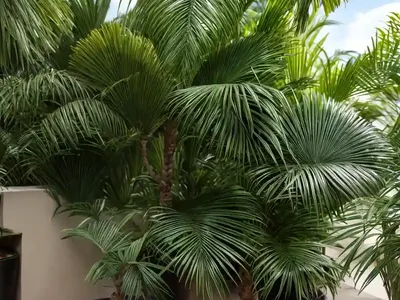
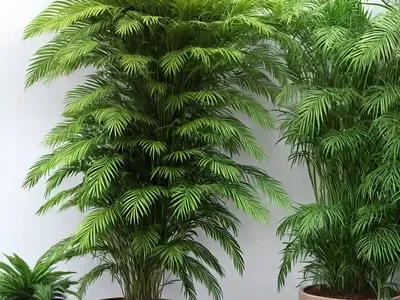
Parlor Palm (Chamaedorea Elegans)
The Parlor Palm, scientifically known as Chamaedorea elegans, is a popular and elegant plant that has captivated indoor plant enthusiasts for many years..
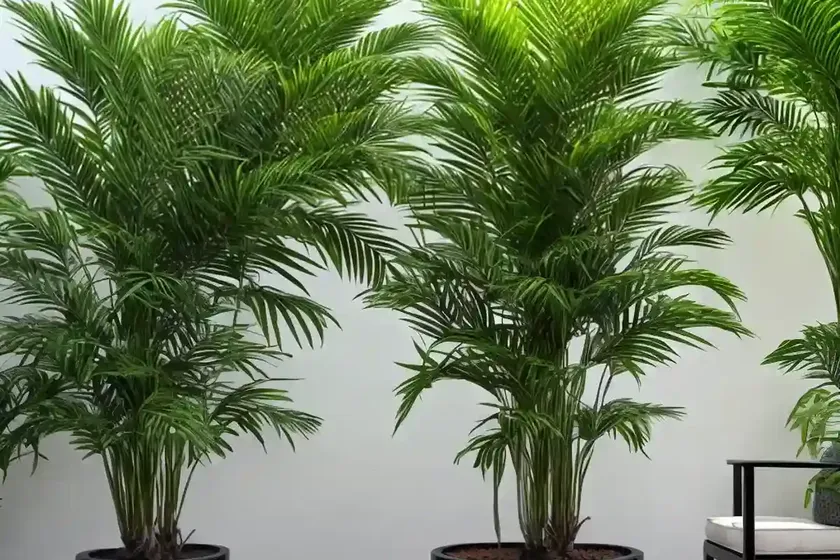
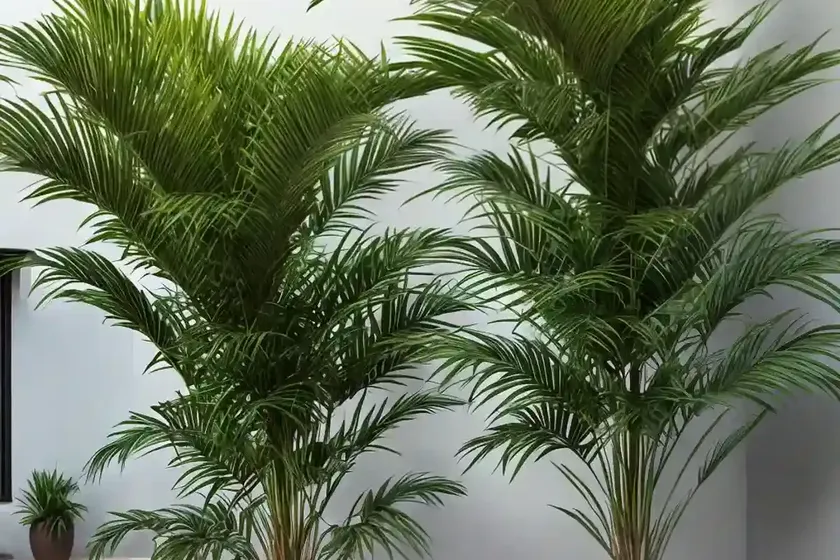
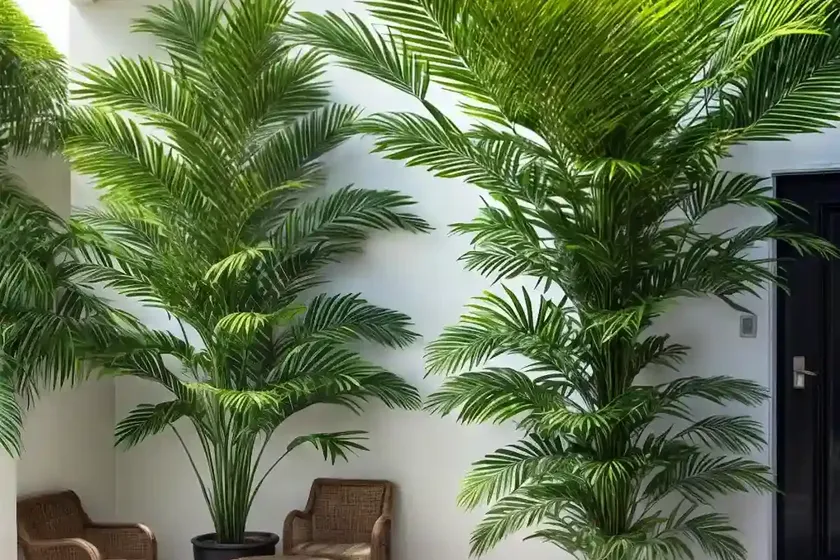
The Parlor Palm, scientifically known as Chamaedorea elegans, is a popular and elegant plant that has captivated indoor plant enthusiasts for many years. This beautiful plant, with its delicate fronds and easy-care nature, has become a staple in many homes and offices around the world. In this comprehensive guide, we will delve into the various aspects of caring for the Parlor Palm, including its culture, uses, care tips, common diseases, and much more.
What is the Parlor Palm (Chamaedorea elegans)?
The Parlor Palm, also known as the Neanthe bella palm or the good luck palm, is a species of small palm tree native to the rainforests in Southern Mexico and Guatemala. It belongs to the family Arecaceae and is appreciated for its attractive appearance and low maintenance requirements. The name “Parlor Palm” reflects its historical use as an ornamental plant in parlors, or sitting rooms, in many homes.
This plant has become a popular choice for indoor spaces due to its ability to thrive in low light conditions and its air-purifying qualities. It features pinnate, or feather-shaped, leaves that give it a graceful and tropical look, making it an excellent addition to any indoor plant collection.
Key Takeaways – Parlor Palm (Chamaedorea elegans)
Before we delve into the detailed care guide for the Parlor Palm, let’s take a look at some key takeaways that will set the stage for a successful and thriving plant:
- Scientific Name: Chamaedorea elegans
- Common Names: Parlor Palm, Neanthe bella palm, Good Luck Palm
- Plant Type: Evergreen palm
- Native Habitat: Rainforests of Southern Mexico and Guatemala
- Characteristics: Graceful, pinnate leaves; compact growth habit
- Light Requirements: Thrives in low to moderate indirect light; can tolerate some shade
- Watering Needs: Prefers consistently moist soil; sensitive to overwatering
- Uses: Ideal for indoor decoration, air purification, and as a low-maintenance ornamental plant
Now that we have an overview of the Parlor Palm, let’s explore its care requirements in detail to ensure that it thrives in your indoor space.
Culture
The culture of the Parlor Palm encompasses various aspects of its care, including its water, sunlight, fertilizer, soil, pruning, propagation, and container requirements. Understanding these critical factors is essential for creating an optimal environment for the plant to flourish. Let’s delve into each of these aspects to gain a comprehensive understanding of the Parlor Palm’s care needs.
Uses
The Parlor Palm is valued for its versatile uses, making it a sought-after plant for indoor spaces. Some of its primary uses include:
-
Indoor Decoration: The Parlor Palm adds a touch of elegance and tropical charm to indoor spaces, making it an ideal choice for enhancing the aesthetics of homes, offices, and other indoor environments.
-
Air Purification: This plant is known for its air-purifying qualities, effectively removing toxins from the air and improving indoor air quality. Its ability to thrive in low light conditions makes it a valuable addition to spaces with limited natural light.
-
Ornamental Plant: With its graceful foliage and compact growth habit, the Parlor Palm serves as an attractive ornamental plant, adding a refreshing and natural element to interior decor.
Water
Proper watering is crucial for maintaining the health and vitality of the Parlor Palm. While it prefers consistently moist soil, it is essential to avoid overwatering, as the plant is sensitive to excessive moisture. Here are some key considerations for watering the Parlor Palm:
-
Frequency: Water the Parlor Palm when the top inch of the soil feels dry to the touch. Depending on environmental conditions, this usually translates to once every 1-2 weeks.
-
Watering Technique: Use a watering can or gentle stream of water to moisten the soil evenly. Allow any excess water to drain from the bottom of the pot to prevent waterlogging.
-
Soil Moisture: Aim to maintain a consistently moist, but not waterlogged, soil environment. Avoid allowing the soil to dry out completely between waterings.
Sunlight
The Parlor Palm thrives in low to moderate indirect light, making it an excellent choice for indoor environments with limited natural light. While it can tolerate some shade, providing the plant with adequate light is essential for its overall health and growth. Here are some sunlight-related considerations for the Parlor Palm:
-
Light Requirements: Place the Parlor Palm in a location with indirect sunlight, such as near a north-facing or east-facing window. Avoid exposing the plant to direct sunlight, as this can lead to leaf scorching.
-
Light Duration: Aim to provide the plant with approximately 4-6 hours of indirect light per day. Supplemental artificial lighting can be beneficial in spaces with minimal natural light.
-
Light Intensity: Ensure that the light intensity is sufficient to support the plant’s photosynthetic needs, but not so intense that it causes stress or damage to the foliage.
Fertilizer
Proper fertilization is essential for promoting healthy growth and maintaining the lush green foliage of the Parlor Palm. While the plant does not have high fertilizer requirements, providing it with balanced nutrition can support its overall well-being. Consider the following guidelines for fertilizing the Parlor Palm:
-
Fertilizer Type: Use a balanced, water-soluble fertilizer formulated for indoor plants. Alternatively, a slow-release granular fertilizer can be applied according to the manufacturer’s instructions.
-
Fertilization Frequency: During the plant’s active growing season, which typically spans from spring to early fall, fertilize the Parlor Palm once a month. Reduce the frequency to once every 6-8 weeks during the plant’s dormant period in winter.
-
Application Method: Dilute the fertilizer to half the recommended strength to avoid potential nutrient buildup in the soil. Apply the fertilizer to moist soil, and water the plant lightly after fertilization to distribute the nutrients.
Soil
The right soil type and quality are crucial for providing the Parlor Palm with a nurturing growing medium that supports its root health and overall growth. A well-draining soil mix that retains adequate moisture without becoming waterlogged is essential for the plant’s well-being. Consider the following soil-related considerations for the Parlor Palm:
-
Soil Type: Use a well-draining potting mix specifically formulated for indoor palms or tropical plants. Look for a mix that contains a combination of peat moss, perlite, and organic matter to provide a balanced soil structure.
-
Moisture Retention: The soil should have good moisture retention properties while allowing excess water to drain freely. An overly compact or waterlogged soil can lead to root rot and other moisture-related issues.
-
Aeration: Aeration is important for maintaining oxygen levels in the root zone. Choose a soil mix that facilitates adequate air circulation and prevents soil compaction over time.
Pruning
Regular pruning helps maintain the Parlor Palm’s attractive appearance and promotes healthy growth by removing damaged or fading foliage. Additionally, pruning can help manage the plant’s overall size and shape, creating a more balanced and visually appealing appearance. Consider the following tips for pruning the Parlor Palm:
-
Equipment: Use clean, sharp pruning shears to trim the plant’s fronds. Dull or dirty tools can cause unnecessary damage to the foliage and increase the risk of disease transmission.
-
Leaf Removal: Trim any yellowing, brown, or damaged fronds by making clean cuts near the base of the leaf. Avoid cutting into the plant’s central growing point, as this can hinder new growth.
-
Dead Leaf Removal: Regularly remove any dead or dried-out fronds to maintain a tidy and vibrant appearance. Be mindful of the overall balance of the plant when deciding which fronds to prune.
Propagation
While the Parlor Palm is primarily propagated from seeds, it is possible to propagate the plant through division or offsets. Propagation allows you to expand your plant collection and share the beauty of the Parlor Palm with others. Consider the following methods for propagating the Parlor Palm:
-
Division: When repotting an established Parlor Palm, carefully divide the plant into smaller sections, ensuring that each division has a healthy root system and sufficient foliage. Plant the divisions in individual pots filled with well-draining soil and provide them with optimal care to support their establishment and growth.
-
Offsets: Some Parlor Palms produce offsets, or side shoots, that can be carefully separated from the parent plant and potted up as individual specimens. Ensure that each offset has roots and a few leaves to support its independent growth.
-
Seeds: While less commonly practiced by home gardeners due to the slow growth rate of seeds, propagating the Parlor Palm from seeds can be a rewarding experience. Sow fresh seeds in a well-draining potting mix and provide them with consistent moisture and warmth to encourage germination.
Container Popularity
The Parlor Palm is a popular choice for container gardening due to its compact growth habit and adaptability to indoor environments. It thrives in containers, making it an excellent option for adorning homes, offices, and other indoor spaces with its graceful foliage.
Container Common Diseases
Despite its overall resilience, the Parlor Palm is susceptible to certain diseases that can affect its health and appearance. Being aware of these common diseases and their symptoms can help you take proactive measures to protect your plant. Let’s explore some of the common diseases that can affect the Parlor Palm:
-
Root Rot: Overwatering or poorly draining soil can lead to root rot in the Parlor Palm. Symptoms include yellowing or wilting leaves, mushy roots, and a foul odor emanating from the soil.
-
Leaf Spot: Fungal infections can cause dark, water-soaked spots to appear on the plant’s leaves. Leaf spot diseases can affect the overall aesthetics of the plant and, if severe, lead to leaf shedding.
-
Palm Scale: Scale insects, such as the brown or armored scale, can infest the Parlor Palm, feeding on its sap and causing yellowing of the leaves, stunted growth, and a sticky substance known as honeydew on the foliage.
-
Mealybugs: Mealybugs are small, white, cottony insects that can gather on the undersides of the Parlor Palm’s leaves and along the leaf stems. They can weaken the plant and lead to stunted growth if left unchecked.
Disease diagnosis
Diagnosing diseases in the Parlor Palm involves careful observation of the plant’s symptoms and prompt intervention to address the underlying issues. Here are some key steps to effectively diagnose and manage diseases affecting the Parlor Palm:
-
Symptom Identification: Observe the plant for any changes in leaf color, texture, or overall appearance. Look for spots, discoloration, wilting, or abnormal growth patterns that may indicate a disease or pest issue.
-
Examine the Roots: Gently remove the plant from its pot to inspect the roots for signs of rot, decay, or discoloration. Healthy roots should be firm, white, and free from foul odors.
-
Pest Inspection: Check the plant for signs of insect activity, such as small pests on the leaves, sticky residue, or visible damage caused by feeding insects. Mealybugs and scale insects are common pests that can affect the Parlor Palm.
-
Seek Expert Advice: If you are uncertain about the cause of the plant’s symptoms or how to address a specific disease or pest issue, consult with a plant care professional or a local garden center for guidance.
Common pests
In addition to diseases, the Parlor Palm is vulnerable to infestations by various pests that can compromise its health and appearance. By understanding the common pests that affect the Parlor Palm, you can take proactive measures to prevent infestations and address any pest-related issues promptly. Let’s explore some of the common pests that can affect the Parlor Palm:
-
Mealybugs: Mealybugs are soft-bodied, white insects that congregate on the undersides of leaves and along the stems, feeding on the plant’s sap and excreting honeydew. Mealybug infestations can lead to stunted growth and a weakened appearance in the Parlor Palm.
-
Scale Insects: Scale insects, including the brown or armored scale, attach themselves to the plant and feed on its sap, causing yellowing of the leaves, stunted growth, and overall decline in plant health.
-
Spider Mites: Spider mites are tiny arachnids that can infest the Parlor Palm, causing stippling, yellowing, or bronzing of the foliage. They thrive in dry and dusty conditions, making indoor environments susceptible to infestations.
-
Aphids: Aphids are small, soft-bodied insects that feed on the sap of plants, including the Parlor Palm. They can cause distorted growth, yellowing of leaves, and a general decline in plant health if left unmanaged.
Botanist’s tips
As a plant scientist, I offer the following expert tips and recommendations for successfully caring for the Parlor Palm and ensuring its continued health and vitality:
-
Maintain Consistent Moisture: While the Parlor Palm prefers moist soil, it is essential to strike a balance to prevent overwatering. Aim for a consistently moist, but not waterlogged, soil environment to support the plant’s growth.
-
Monitor Light Conditions: Keep a close eye on the plant’s exposure to light, ensuring that it receives the appropriate level of indirect sunlight. Avoid placing the Parlor Palm in direct sunlight, as this can lead to leaf damage.
-
Inspect for Pests: Regularly inspect the plant for signs of pests, such as small insects, sticky residue, or abnormal leaf discoloration. Prompt pest management can prevent infestations from impacting the plant’s health.
-
Prune Wisely: Use clean, sharp pruning shears to trim the Parlor Palm’s foliage, removing any damaged or discolored leaves. Avoid over-pruning, as this can stress the plant and impede its growth.
-
Support Optimal Growth: Create a conducive environment for the Parlor Palm by providing it with the right combination of light, water, and nutrition. Well-balanced care is key to fostering healthy growth and vibrant foliage.
Fun facts
To add an element of intrigue and fascination to your Parlor Palm journey, here are some fun and engaging facts about this beloved plant:
-
The Parlor Palm has a rich history and was once a symbol of luxury and refinement, gracing the parlors and drawing rooms of elegant Victorian homes.
-
Despite its name, the Parlor Palm is not a true palm, but rather a member of the Arecaceae family and features palm-like fronds that contribute to its tropical allure.
-
This plant has been recognized for its air-purifying qualities and was included in NASA’s Clean Air Study, which evaluated its ability to remove toxins from the air.
-
The Parlor Palm is a slow-growing plant, making it well-suited for indoor environments and allowing plant enthusiasts to enjoy its graceful growth over time.
-
In feng shui, the Parlor Palm is considered to bring positive energy and is often used to harmonize and balance indoor spaces, enhancing the flow of chi.
Now that we have explored the various dimensions of the Parlor Palm’s care, uses, and interesting facets, let’s move on to external resources that can provide additional insights and support for cultivating this captivating plant.
Links to External Resources
To further enhance your knowledge and expertise in growing and caring for the Parlor Palm, I recommend exploring the following external resources for valuable information, tips, and inspiration:
- The Spruce: How to Care for Parlor Palms
- Gardening Know How: Parlor Palm Care
- Plant Care Today: Parlor Palm Care Instructions
- University of Florida IFAS Extension: Parlor Palm Care
- Joy Us Garden: Tips for Parlor Palm Care Indoors
- The Old Farmer’s Almanac: Parlor Palms
- Royal Horticultural Society: Chamaedorea elegans
- American Society for the Prevention of Cruelty to Animals (ASPCA): Parlor Palm Toxicity Information
- Gardener’s World: Parlor Palm Plant Profile
- Plant Parent: Propagating Parlor Palms
By exploring these external resources, you can gain a wealth of knowledge and practical insights into caring for the Parlor Palm, expanding your expertise and nurturing the health and beauty of your plant.
In conclusion, the Parlor Palm (Chamaedorea elegans) is a captivating and resilient plant that offers a wealth of aesthetic and functional benefits. By understanding its care requirements, uses, and unique characteristics, you can create an ideal environment for the Parlor Palm to thrive, enriching your indoor spaces with its lush foliage and timeless charm. Whether you are a beginner plant enthusiast or a seasoned gardener, the Parlor Palm is sure to captivate and inspire you on your botanical journey.
I hope that this comprehensive guide has provided you with valuable insights and practical guidance for cultivating and appreciating the beauty of the Parlor Palm. May your journey with this enchanting plant be filled with joy, growth, and a deeper connection to the natural world.
Happy planting!
The above blog post offers detailed insights into the care, uses, and enchanting facets of the Parlor Palm (Chamaedorea elegans). From essential care tips to expert recommendations and external resources, the comprehensive guide provides a wealth of information for plant enthusiasts seeking to cultivate and appreciate the beauty of this elegant indoor plant.