Crabapple (Malus)
Welcome plant enthusiasts and nature lovers! In this blog post, we are going to dive into the fascinating world of Crabapple trees, scientifically known as.
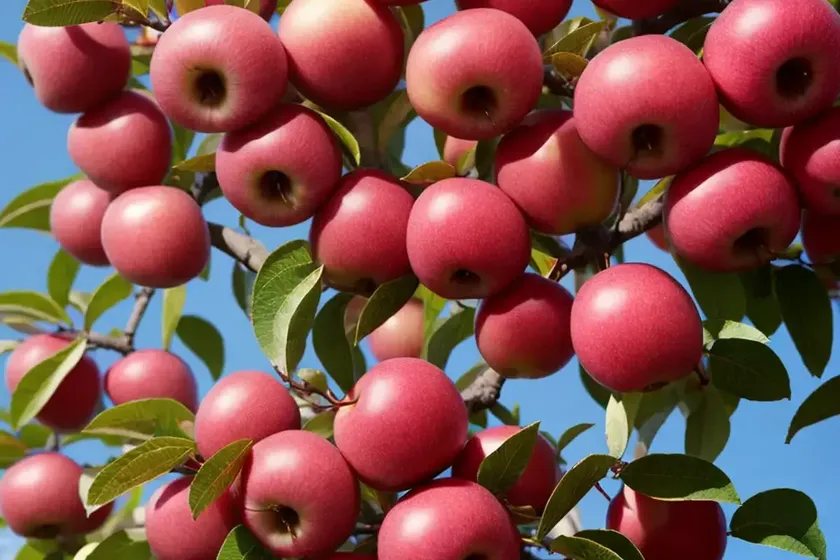
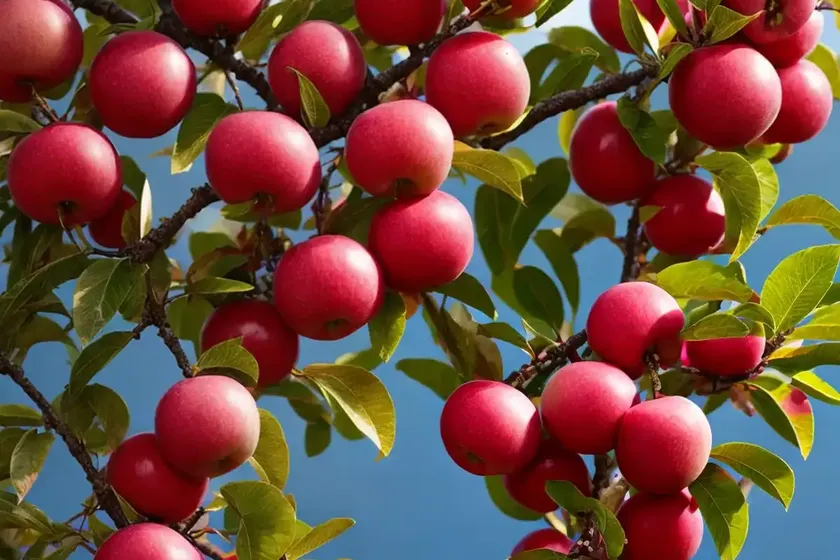
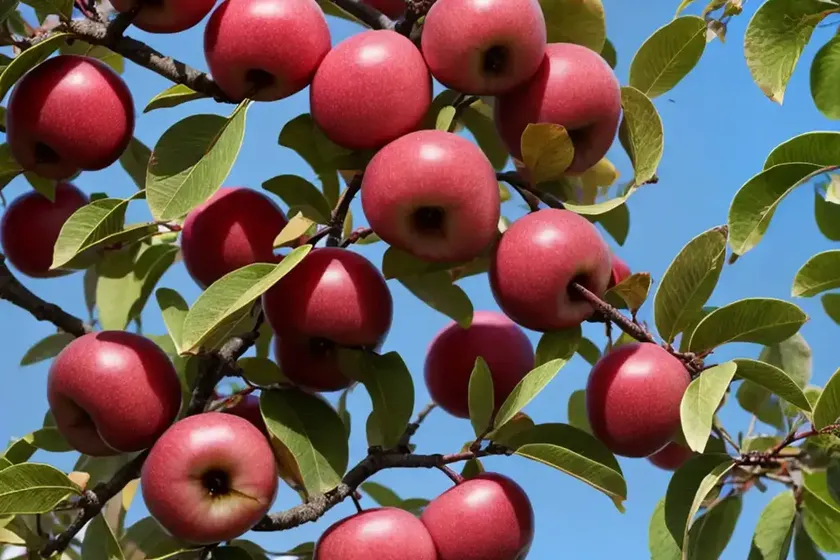
Welcome plant enthusiasts and nature lovers! In this blog post, we are going to dive into the fascinating world of Crabapple trees, scientifically known as Malus. This stunning genus encompasses a wide variety of species and cultivars that are cherished by gardeners and landscapers worldwide. We will explore the cultural aspects, uses, care tips, and interesting facts about these beautiful trees.
What is a Crabapple (Malus)?
Malus is a genus of approximately 35 species of small deciduous trees and shrubs in the family Rosaceae. The genus is native to the temperate regions of the Northern Hemisphere, with the majority of species being distributed in Asia, North America, and Europe. The crabapple is particularly renowned for its attractive blossoms, colorful fruit, and often striking autumn foliage.
Crabapple trees are appreciated for their versatility in the landscape, offering aesthetic value as well as providing food and habitat for wildlife. With a wide range of sizes, shapes, and flowering and fruiting characteristics, crabapples have become a popular choice in gardens, parks, and urban spaces.
Key Takeaways – Crabapple (Malus)
Before delving into the detailed aspects of crabapple culture, uses, care, diseases, and pests, let’s take a moment to highlight the key takeaways about this captivating tree.
- Scientific Name: Malus
- Common Name: Crabapple
- Family: Rosaceae
- Type: Deciduous tree/shrub
- Notable Features: Beautiful blossoms, colorful fruit, ornamental foliage
- Uses: Ornamental, wildlife attractant, edible fruit
- Popularity: Widely cultivated in gardens and parks
- Cultural Uses: Landscaping, gardens, urban plantings
Now, let’s move on to understand the elements of cultivating and caring for these remarkable trees.
Culture
When considering the culture of Malus trees, several factors need to be taken into account to promote their optimal growth and development. These include water, sunlight, fertilizer, soil, pruning, and propagation.
Uses
The crabapple offers a myriad of uses, contributing to both the aesthetic appeal of landscapes and the ecological balance of natural habitats.
Ornamental Use:
– Crabapples are often planted as ornamental trees for their beautiful blossoms, attractive fruit, and vibrant autumn foliage.
– They are frequently used as focal points in landscapes, as well as in group plantings, along borders, and in public parks and gardens.
Wildlife Attractant:
– The fruit of crabapple trees is an important food source for birds and small mammals, thereby supporting biodiversity and ecological balance in natural settings.
– Because of their value to wildlife, crabapples are widely planted to attract and sustain various bird species.
Edible Fruit:
– Some cultivars are specifically grown for their culinary use, with the fruit being used to make preserves, jellies, and other culinary products.
– The fruit can be enjoyed fresh or processed into a variety of delectable treats.
Water
Proper watering is crucial for the health and vitality of Malus trees, particularly during their establishment phase and in periods of drought.
Establishment Phase:
– Newly planted crabapples require regular watering to assist in the development of their root systems and promote establishment in their new environment.
– It is important to provide consistent moisture without waterlogging the soil.
Drought Conditions:
– During dry spells, supplemental watering is advisable to maintain adequate soil moisture and support the tree’s physiological functions.
– Water deeply and ensure the root zone is sufficiently hydrated to prevent stress and dehydration.
Sunlight
The sunlight requirements of crabapple trees are integral to their overall growth, flowering, and fruiting potential.
Full Sun:
– Malus trees thrive in full sun, which typically equates to at least 6 hours of direct sunlight per day.
– Adequate sunlight exposure promotes healthy foliage, robust flowering, and the development of high-quality fruit.
Partial Shade:
– While crabapples prefer full sun, they can tolerate partial shade. However, reduced sunlight may impact their flowering, fruiting, and overall vigor.
Fertilizer
Fertilization plays a pivotal role in sustaining the nutrient levels required for prolific flowering, fruiting, and overall plant health.
Nutrient Requirements:
– Crabapple trees benefit from a balanced fertilizer that supplies essential macronutrients such as nitrogen, phosphorus, and potassium, as well as micronutrients including iron, manganese, and zinc.
Application Timing:
– Fertilize crabapples in early spring as they begin their active growth phase. Avoid late-season fertilization to prevent encouraging tender new growth that can be vulnerable to frost damage.
Soil
A suitable soil environment is essential to ensure the well-being and longevity of Malus trees.
Well-Drained Soil:
– Crabapples prefer well-drained soil that prevents waterlogging and the potential for root suffocation.
– Aeration of the soil allows for the exchange of gases, fostering healthy root development and microbial activity.
Soil pH:
– The optimal soil pH range for crabapple trees is typically between 5.5 and 6.5. A slightly acidic to neutral pH promotes nutrient availability and uptake.
Pruning
Pruning is an important aspect of crabapple tree care, serving various purposes including shaping, structural enhancement, and fruit production.
Timing:
– Pruning is best carried out during the dormant season in late winter or early spring, before new growth emerges.
– Summer pruning can be employed for corrective shaping, but major pruning is generally reserved for the dormant period.
Objectives:
– Prune to remove dead, damaged, or diseased wood and to enhance air circulation within the canopy.
– Thinning cuts may be utilized to reduce canopy density, promoting light infiltration and minimizing disease pressure.
Propagation
The propagation of Malus trees can be achieved through several methods, each with distinct advantages and challenges.
Seed Propagation:
– Sowing seeds is a viable propagation method to produce crabapple trees, particularly for developing new cultivars and species.
– Seed propagation can yield a wide range of genetic variability, resulting in unique characteristics in the offspring.
Vegetative Propagation:
– Grafting and budding are common methods of vegetative propagation utilized for preserving specific traits and characteristics of selected crabapple varieties.
– These techniques enable the consistent replication of desired attributes in the propagated plants.
Container Popularity
Crabapple trees are increasingly being cultivated in containers, offering an opportunity to enjoy their ornamental features in smaller spaces.
Urban Landscapes:
– Container-grown crabapples are well-suited for urban landscapes, balconies, and patios, providing a touch of nature in compact environments.
– Their compact size and floral display make them desirable options for adding visual interest in urban settings.
Seasonal Displays:
– Containerized crabapples can be featured in seasonal displays, such as spring flower shows and autumn festivals, showcasing their vibrant blossoms and colorful fruit.
Container Common Diseases
When growing crabapples in containers, it is essential to be aware of potential diseases that may affect the trees.
Root Rot:
– Poor drainage in containers can lead to waterlogged soil, predisposing crabapples to root rot diseases caused by various fungi.
– Healthy root systems are vital for container-grown trees to withstand environmental stressors and disease pressure.
Anthracnose:
– Anthracnose fungi can infect crabapple foliage, causing leaf spots and defoliation. The disease can be exacerbated by moist conditions and poor air circulation within containers
Disease Diagnosis
Diagnosing and managing diseases is imperative for maintaining the health and beauty of crabapple trees.
Symptom Observation:
– Carefully observe the symptoms exhibited by the tree, such as leaf spots, wilting, discoloration, and unusual growth patterns.
– Identifying the specific symptoms can aid in determining the underlying cause of the tree’s distress.
Pathogen Identification:
– Consult with plant pathologists or horticultural experts to accurately identify the disease-causing pathogens and formulate an effective management strategy.
– Laboratory diagnostics and testing can be employed for precise pathogen identification in cases of ambiguity.
Common Pests
Several insect pests can pose a threat to crabapple trees, potentially impacting their growth and aesthetic appeal.
Aphids:
– Aphids are common sap-feeding insects that can colonize and damage tender new growth, causing leaf curling, distortion, and the development of sticky honeydew.
– Natural predators such as ladybird beetles and lacewings can assist in controlling aphid populations.
Caterpillars:
– Various caterpillar species, including the tent caterpillar and the fall webworm, can defoliate crabapple trees if populations go unchecked.
– Bacillus thuringiensis (Bt) and other biological insecticides are effective options for managing caterpillar infestations.
Botanist’s Tips
To ensure the successful cultivation and enjoyment of crabapple trees, consider the following expert tips and guidelines.
Cultivar Selection:
– Choose crabapple cultivars that are well-suited to your specific growing conditions, such as size constraints, soil type, and sunlight availability.
– Select cultivars prized for their disease resistance, ornamental traits, and wildlife-friendly attributes.
Adequate Air Circulation:
– Promote good airflow within and around the canopy of crabapple trees by proper spacing, selective pruning, and avoiding excessive mulching around the trunk.
– Enhanced air circulation helps reduce humidity levels and minimizes the risk of foliar diseases.
Fun Facts
Before concluding our exploration of crabapples, let’s uncover some fascinating and delightful facts about these charming trees.
- The wood of crabapple trees is valued for its hardness and is utilized in the crafting of tool handles and small wooden objects.
- Crabapples are closely related to domesticated apple trees (Malus domestica) and can potentially hybridize with them, contributing to the genetic diversity of cultivated apple varieties.
- In various cultures and folklore, crabapples have been associated with symbolism representing love, fertility, and protection.
Links to External Resources
To further expand your knowledge and appreciation of crabapple trees, explore the following external resources:
- Crabapple Culture and Care Guide
- Malus sylvestris (Crabapple) – Royal Horticultural Society
- Growing Crabapple Trees – University of Minnesota Extension
- Crabapple Tree Diseases and Pests – University of Illinois Extension
- Flowering Crabapple Trees for the Landscape – Colorado State University Extension
Armed with this knowledge and information, you are better equipped to embrace the beauty and benefits of crabapple trees, fostering their growth and enhancing their impact in landscapes and gardens. Whether you are a fervent gardener, a landscaping enthusiast, or a nature lover, the allure of crabapples is sure to captivate your heart and imagination.
Happy gardening and may your landscapes bloom with the enchanting elegance of Malus!


