Ecuador Philodendron (Philodendron Verrucosum)
Welcome to the ultimate guide to the Ecuador Philodendron, also known as Philodendron Verrucosum. As a plant scientist and enthusiast, I am excited to.
Welcome to the ultimate guide to the Ecuador Philodendron, also known as Philodendron Verrucosum. As a plant scientist and enthusiast, I am excited to share the in-depth knowledge and practical tips for cultivating and caring for this stunning plant species. In this comprehensive guide, we’ll explore the Ecuador Philodendron’s characteristics, ideal growing conditions, propagation methods, and much more. Whether you’re a seasoned plant lover or just starting your green journey, this article will equip you with the essential know-how to nurture and admire the beauty of the Ecuador Philodendron.
What is Plant: Ecuador Philodendron (Philodendron Verrucosum)?
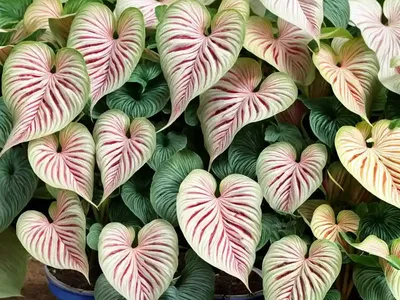
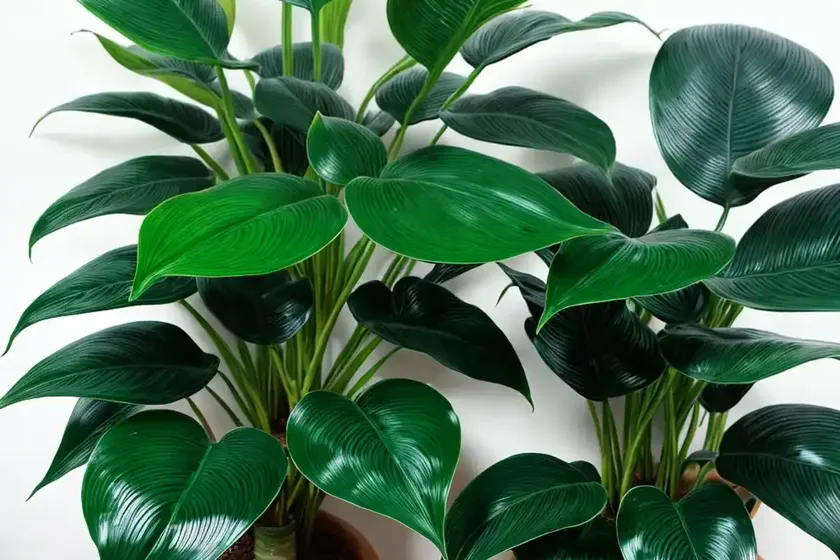
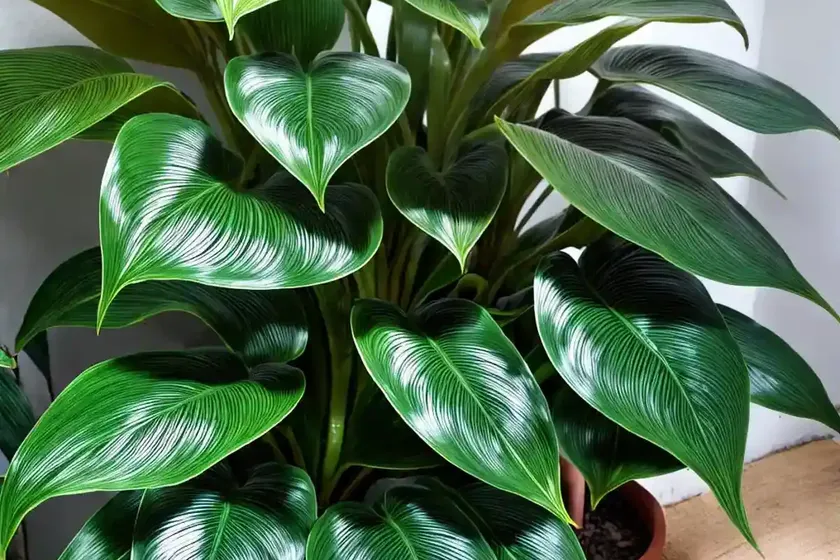
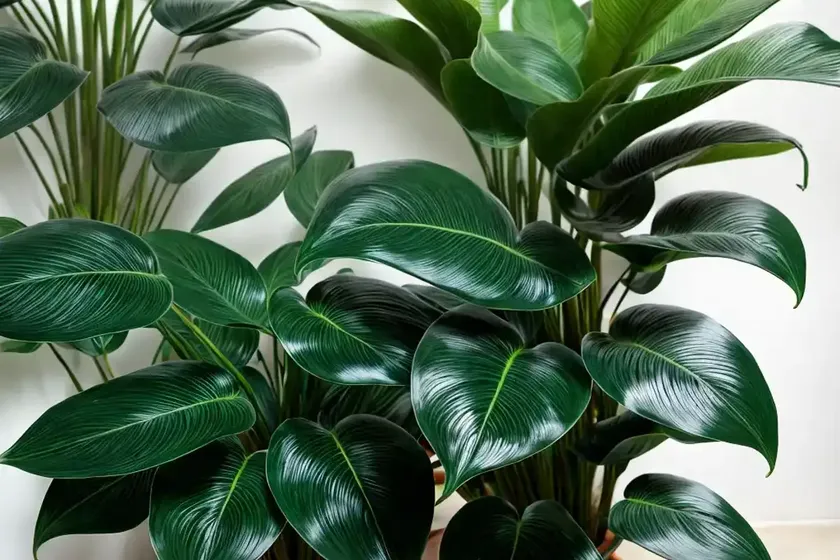
The Ecuador Philodendron (Philodendron Verrucosum) is a striking tropical plant native to the rainforests of Ecuador and other regions of South America. This evergreen perennial belongs to the Araceae family and is renowned for its large, velvety, heart-shaped leaves that feature a unique texture and distinctively marked petioles. The plant’s vibrant foliage and its impressive ability to adapt to various environments have made it a sought-after choice for indoor and outdoor cultivation among plant enthusiasts and horticulturists.
Key Takeaways – Ecuador Philodendron (Philodendron Verrucosum)
Before we delve into the specifics of caring for the Ecuador Philodendron, let’s highlight some key takeaways that will guide the discussion throughout this comprehensive guide. Here are some essential aspects to keep in mind:
- Ecuador Philodendron Care: Understanding the fundamental care requirements and best practices for nurturing the Ecuador Philodendron.
- Philodendron Verrucosum Characteristics: Exploring the unique characteristics, including leaf morphology, growth habits, and environmental preferences of Philodendron Verrucosum.
- Growing Ecuador Philodendron Indoors: Unveiling the tips and tricks for successfully cultivating the Ecuador Philodendron within indoor spaces.
- Philodendron Verrucosum Propagation: Delving into the various propagation methods and techniques that can be employed to expand your Philodendron Verrucosum collection.
- Ecuador Philodendron Watering Needs: Understanding the specific watering requirements crucial for maintaining the health and vitality of the Ecuador Philodendron.
- Philodendron Verrucosum Light Requirements: Shedding light on the optimal lighting conditions to ensure the optimal growth and development of Philodendron Verrucosum.
- Common Pests Affecting Ecuador Philodendron: Identifying and addressing potential pest infestations that may pose a threat to the well-being of your Ecuador Philodendron.
This comprehensive guide will address each of these key takeaways in detail to provide you with a comprehensive understanding of how to care for and appreciate the splendor of the Ecuador Philodendron.
Culture
Uses
The Ecuador Philodendron, with its lush and distinctively patterned foliage, is adored for its ornamental appeal, making it a popular choice for interior decoration and landscaping. Its impressive capacity to thrive in various conditions, coupled with its stunning visual attributes, has earned it a special place in both indoor and outdoor horticultural settings.
The plant’s trailing habits enable it to be grown in hanging baskets or placed atop elevated surfaces, allowing its cascading vines to showcase their elegance. Additionally, its air-purifying properties, as with many other philodendron species, make it a valuable addition to indoor spaces, enhancing air quality and creating a refreshing atmosphere.
Water
Maintaining appropriate soil moisture levels is crucial for the health and vigor of the Ecuador Philodendron. While the plant appreciates consistent moisture, it’s essential to avoid overwatering, which can lead to root rot and other related issues. The frequency of watering largely depends on environmental factors such as temperature, humidity, and soil composition.
To gauge the plant’s water needs, it’s advisable to check the moisture level of the soil. A general rule is to allow the top inch of the soil to dry out between waterings. When watering, it’s important to ensure thorough saturation, allowing excess water to drain freely from the bottom of the pot to prevent waterlogging.
Sunlight
In its native habitat, the Ecuador Philodendron thrives under the dappled light of the rainforest canopy, receiving filtered sunlight that prevents direct exposure to intense rays. When grown indoors, it’s important to replicate these light conditions to ensure optimal growth and development.
Ideal locations for the Ecuador Philodendron indoors include positions near east or north-facing windows, where the plant can receive bright, indirect light. Avoid placing the plant in direct sunlight for prolonged periods, as this can result in leaf burn and diminished overall health.
Fertilizer
Proper fertilization is an essential component of Ecuador Philodendron care, contributing to the plant’s overall vitality and visual appeal. During the growing season, which typically spans from spring to early fall, regular applications of a balanced, water-soluble fertilizer can enhance the plant’s growth and vigor.
It’s recommended to use a fertilizer formulated specifically for foliage plants, applying it at half the manufacturer’s suggested strength to avoid the risk of over-fertilization. As the growing season wanes with the onset of fall and winter, it’s advisable to reduce or cease fertilizer applications to align with the plant’s natural growth cycle.
Soil
The Ecuador Philodendron thrives in well-draining, organically-rich soil that provides a balanced blend of aeration, moisture retention, and essential nutrients. A standard potting mix formulated for tropical foliage plants can serve as an excellent growing medium for the Ecuador Philodendron.
It’s crucial to ensure that the chosen soil mix allows excess water to drain efficiently, preventing the risk of waterlogged conditions. Furthermore, incorporating organic matter such as peat moss or coconut coir into the soil mix can help augment its moisture-retaining capabilities, promoting a favorable root environment for the plant.
Pruning
Pruning is an important aspect of Ecuador Philodendron care, allowing for the removal of damaged, unsightly, or overgrown foliage while promoting a tidy and compact growth habit. Additionally, pruning can encourage the Ecuador Philodendron to develop new stems and leaves, contributing to its overall aesthetic appeal.
When pruning the plant, it’s crucial to use sterilized pruning tools to prevent the transmission of diseases. Trimming back overgrown vines and removing yellowed or diseased leaves can help maintain the plant’s health and visual allure. Additionally, regular pruning can help shape the plant and prevent it from becoming excessively leggy.
Propagation
Propagating the Ecuador Philodendron offers the opportunity to expand your plant collection and share the beauty of this species with fellow enthusiasts. The most common methods of propagation for Philodendron Verrucosum include stem cuttings and aerial root propagation.
Stem Cuttings: To propagate the Ecuador Philodendron from stem cuttings, select a healthy, mature stem with several nodes. Using a clean, sharp blade, carefully cut the stem just below a node, ensuring that the cutting is approximately 4-6 inches in length. Remove any lower leaves from the cutting to expose the nodes. Plant the cutting in a suitable propagation medium, such as a mix of perlite and peat moss, ensuring that at least one node is buried in the growing medium. Maintain a consistently moist, humid environment for the cutting, providing indirect light and warmth to facilitate root development.
Aerial Root Propagation: The Ecuador Philodendron is renowned for its ability to develop aerial roots, which can be utilized for propagation purposes. Aerial roots that have developed along the plant’s stems can be gently detached and implanted in a suitable growing medium to encourage the development of new plants. Maintain high humidity and consistent moisture levels to support the establishment of roots from the detached aerial roots.
Container Popularity
The allure of the Ecuador Philodendron as a container plant stems from its versatility and adaptability to various growing environments. Whether grown indoors as part of an interior décor ensemble or placed in outdoor containers to adorn patios and balconies, the Ecuador Philodendron lends a touch of tropical elegance to any setting.
When selecting containers for the Ecuador Philodendron, consider the plant’s growth habits and the space in which it will be placed. Hanging baskets, decorative pots, and trough-style containers can all serve as suitable vessels for showcasing the cascading beauty of the plant’s trailing vines. Additionally, the choice of container should align with the plant’s moisture requirements, ensuring proper drainage and aeration to maintain a healthy root system.
Common Diseases
Disease Diagnosis
Though the Ecuador Philodendron is generally resilient, it is susceptible to certain diseases and issues that can impact its overall well-being. Understanding the symptoms and signs of common diseases is crucial for implementing timely interventions to mitigate their effects.
Leaf Spot Diseases: Fungal infections such as leaf spot can manifest as dark, water-soaked lesions on the plant’s foliage. These lesions may spread and cause the affected leaves to wilt and deteriorate. To prevent the spread of leaf spot diseases, it’s important to maintain optimal air circulation and refrain from overwatering, which can create conditions favorable to fungal growth.
Root Rot: Excessive moisture levels in the soil can lead to the onset of root rot, a condition characterized by the decay of the plant’s roots. Symptoms of root rot include wilting, yellowing foliage, and a foul odor emanating from the plant’s root zone. To prevent and address root rot, it’s imperative to adjust watering practices and ensure proper soil drainage to safeguard the plant’s root health.
Pests and Disease Prevention: Implementing preventative measures, such as regular inspection of the plant for signs of pests or diseases, can help detect and address issues before they escalate. Additionally, maintaining proper air circulation, ensuring adequate spacing between plants, and employing good sanitation practices can contribute to disease prevention.
Common Pests
Common Pests Affecting Ecuador Philodendron
The Ecuador Philodendron, like many other ornamental plants, can fall victim to pest infestations that compromise its health and visual appeal. Being able to identify common pests and their associated symptoms is vital for implementing targeted pest management strategies.
Aphids: These small, sap-sucking insects can colonize the undersides of the Ecuador Philodendron’s leaves, causing distorted growth and the excretion of sticky honeydew. Control measures for aphids include physically removing them from the plant using a gentle stream of water, as well as the application of insecticidal soap or neem oil.
Mealybugs: Mealybugs appear as small, cottony masses along the stems and leaf undersides of the plant. They feed on the plant’s sap, leading to weakened growth and the presence of honeydew. Control measures for mealybugs involve removing them manually, followed by the application of horticultural oil or insecticidal soap to eliminate any remaining individuals and their eggs.
Spider Mites: These tiny arachnids can cause stippling and webbing on the Ecuador Philodendron’s leaves, leading to a decline in the plant’s overall vigor. Regularly misting the plant and maintaining adequate humidity levels can help deter spider mite infestations. Additionally, the application of insecticidal soap or neem oil can aid in controlling spider mites.
Thrips: Thrips are slender, winged insects that can cause stippling, discoloration, and silvering of the plant’s foliage. Managing thrips can be challenging, but the application of insecticidal soap or neem oil, coupled with maintaining optimal growing conditions, can aid in controlling their population.
Botanist’s Tips
For the novice and experienced plant enthusiasts alike, the following tips are designed to optimize your care and cultivation of the Ecuador Philodendron, enabling you to create an environment where the plant can thrive.
-
Monitoring Moisture Levels: Regularly assess the moisture content of the soil to prevent overwatering, which can lead to root problems. Allow the soil to dry slightly between waterings to maintain appropriate moisture levels for the plant.
-
Maintaining Humidity: As a tropical plant, the Ecuador Philodendron thrives in high humidity environments. Misting the plant, using a humidifier, or placing the plant on a pebble tray filled with water can help elevate humidity levels.
-
Supporting Healthy Growth: Consider providing structural support such as a trellis or moss pole for the Ecuador Philodendron to climb and showcase its trailing habits. This not only enhances the plant’s aesthetic appeal but also encourages robust growth.
-
Regular Inspections: Routinely inspect the plant for any signs of pests, diseases, or environmental stress. Early detection of issues can facilitate prompt and effective interventions to safeguard the plant’s well-being.
-
Balanced Fertilization: Adhere to a consistent fertilization schedule, ensuring that the plant receives a balanced, diluted fertilizer during the active growing season. Avoid excessive fertilization, as this can lead to nutrient imbalances and potential damage to the plant.
Fun Facts
To enrich your appreciation for the Ecuador Philodendron and its intriguing attributes, consider the following fascinating fun facts about this captivating plant species:
- The distinct velvety texture of the Ecuador Philodendron’s leaves serves as a natural adaptation to capture moisture and nutrients from the air, allowing the plant to thrive in its native rainforest environment.
- Philodendron Verrucosum is revered for its air-purifying properties, effectively removing toxins and impurities from the surrounding environment, thereby contributing to improved air quality.
- In its natural habitat, the Ecuador Philodendron often grows as an epiphyte, anchoring itself on tree trunks and branches with its aerial roots, illustrating its adaptive nature and versatility.
Links to External Resources
To further deepen your understanding of caring for the Ecuador Philodendron and delve into additional resources, consider exploring the following reputable websites and publications:
-
The American Phytopathological Society – An authoritative source on plant pathology and disease management, offering valuable insights into addressing common diseases affecting philodendron species.
-
The Royal Horticultural Society – The RHS website provides a wealth of information on horticulture, offering plant care guides, cultivation tips, and expert advice on growing a diverse range of plant species, including philodendrons.
-
University of Florida IFAS Extension – The University of Florida’s IFAS Extension resource provides detailed information on indoor pests and pest management strategies, offering practical guidance for addressing pest issues affecting indoor plants such as the Ecuador Philodendron.
In conclusion, the Ecuador Philodendron (Philodendron Verrucosum) stands as a captivating and adaptable plant species that epitomizes both beauty and resilience. By implementing the insights and recommendations outlined in this comprehensive guide, you can create an optimal environment for the Ecuador Philodendron to flourish, allowing its lush foliage and trailing vines to enrich your indoor and outdoor spaces. As you embark on your journey of caring for this remarkable plant, may the knowledge shared in this guide serve as a valuable companion, empowering you to foster a thriving and enchanting Ecuador Philodendron in your own botanical haven.