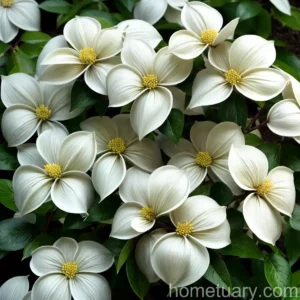
Cornus kousa (Kousa Dogwood) – A Comprehensive Guide
Cornus kousa, commonly known as Kousa Dogwood, is a small to medium-sized deciduous tree that belongs to the dogwood family Cornaceae. This captivating tree is native to East Asia, particularly Korea, China, and Japan. With its beautiful four-petaled flowers and striking exfoliating bark, the Kousa Dogwood has gained immense popularity in landscaping, horticulture, and urban forestry. In this comprehensive guide, we will explore the culture, uses, care, and maintenance of the Cornus kousa, as well as its role in ecological systems and human culture.
What is Cornus kousa (Kousa Dogwood)?
Cornus kousa is a species of flowering plant in the dogwood family, known for its stunning display of flowers, berries, and foliage. It is a multi-stemmed ornamental tree that typically reaches a mature height of 15-30 feet, although some cultivars can grow significantly taller. The tree features a spreading, horizontal branching structure that creates a picturesque silhouette, especially during the flowering season.
Key Takeaways – Cornus kousa (Kousa Dogwood)
- Scientific Name: Cornus kousa
- Common Names: Kousa Dogwood, Japanese Dogwood
- Family: Cornaceae
- Native Habitat: East Asia (China, Korea, Japan)
- Uses: Ornamental, landscaping, wildlife attractant
- Notable Features: Striking floral display, exfoliating bark, edible berries
Now, let’s delve into the various aspects of the Cornus kousa, from its cultural significance to its care and maintenance requirements.
Culture of Cornus kousa (Kousa Dogwood)
The culture of Cornus kousa encompasses its historical and contemporary uses, its role in human culture, and its ecological importance. Let’s explore these aspects in detail.
Uses
The Kousa Dogwood holds significant cultural, ecological, and horticultural value due to its distinct features and benefits.
-
Ornamental: Cornus kousa is highly valued as an ornamental tree, prized for its striking floral display, beautiful bark, and vibrant fall foliage. It is a popular choice for landscaping in residential and public spaces, adding visual interest and seasonal diversity to gardens and parks.
-
Wildlife Attractant: The tree’s small, raspberry-like fruits are relished by various bird species, making it an important food source for avian wildlife. The flowers also attract pollinators such as bees and butterflies, contributing to the overall biodiversity of the ecosystem.
-
Cultural Significance: In some East Asian cultures, the berries of Cornus kousa are used for culinary purposes, including making preserves and wine. Additionally, the tree holds symbolic value in traditional folklore and has been featured in art and literature.
Water
The Kousa Dogwood prefers moist, well-drained soil, especially during its establishment phase. Adequate watering is crucial to support healthy growth and the development of its vibrant flowers and foliage. During periods of drought, supplemental watering may be necessary to ensure the tree’s overall well-being.
Sunlight
Cornus kousa thrives in partial shade to full sun, although it generally prefers dappled sunlight, especially in regions with hot summers. A location that receives morning sun and afternoon shade is often ideal for promoting the best flowering and foliage coloration.
Fertilizer
When it comes to fertilization, Cornus kousa benefits from an application of a balanced, slow-release fertilizer in early spring, before the new growth emerges. It is essential to follow the manufacturer’s recommended application rates to avoid over-fertilization, which can lead to excessive vegetative growth at the expense of flowering.
Soil
The Kousa Dogwood thrives in well-drained, slightly acidic to neutral soil with a pH range of 5.5 to 6.5. It is important to ensure good soil aeration to prevent waterlogging, as overly compacted or waterlogged soil can lead to root suffocation and plant stress.
Pruning
Pruning is an essential aspect of Cornus kousa care, contributing to the maintenance of the tree’s health, shape, and flowering potential.
-
Timing: Pruning is best carried out during the dormant season in late winter or early spring, before new growth begins. This timing helps minimize stress to the tree and allows for optimal wound healing.
-
Objectives: The primary goals of pruning the Kousa Dogwood include removing dead, damaged, or diseased branches, shaping the tree for an attractive form, and promoting better airflow and light penetration within the canopy.
-
Techniques: Proper pruning techniques should be employed to achieve the desired results without compromising the tree’s health. This includes making clean cuts just outside the branch collar to facilitate proper healing and reduce the risk of disease entry.
Propagation
The propagation of Cornus kousa can be achieved through several methods, including seed propagation, hardwood cuttings, and grafting. Each method has its advantages and considerations, and the choice of propagation technique often depends on the specific goals and resources available.
-
Seed Propagation: Propagating Kousa Dogwood from seeds is a viable method, especially for breeding programs and the development of new cultivars with desirable traits. However, it is important to note that seed-grown trees may exhibit genetic variation and take several years to reach maturity and flowering age.
-
Hardwood Cuttings: This method involves taking dormant hardwood cuttings from the parent tree and treating them with rooting hormone before planting them in a suitable growing medium. Hardwood cuttings offer a higher degree of genetic uniformity and can produce rooted plants in a shorter timeframe compared to seeds.
-
Grafting: Grafting is a common propagation method for ensuring the retention of specific cultivar traits, particularly in the production of named varieties and ornamental selections. It involves joining a scion (desired cultivar) onto a compatible rootstock, resulting in a tree with the combined characteristics of both parent plants.
Container Popularity
The compact size and ornamental appeal of Cornus kousa make it well-suited for container cultivation, allowing gardeners with limited space to enjoy its beauty on patios, balconies, and small gardens. When grown in containers, the tree can be positioned strategically to enhance outdoor living spaces and to bring seasonal interest to urban and suburban environments.
Container Common Diseases
While container-grown Kousa Dogwoods are generally less prone to certain soil-borne diseases than those planted in the ground, they may still be susceptible to some common issues:
-
Root Rot: Overwatering or poor drainage can lead to root rot in container-grown trees. It is important to ensure that the growing medium allows excess moisture to drain freely, preventing waterlogged conditions that can promote root rot pathogens.
-
Powdery Mildew: In humid or poorly ventilated environments, containerized Kousa Dogwoods may experience powdery mildew, a fungal disease that manifests as a white, powdery growth on the foliage. Adequate spacing and good airflow around the tree can help reduce the risk of powdery mildew.
Disease Diagnosis
Diagnosing diseases in container-grown Kousa Dogwoods involves careful observation of the tree’s symptoms and a proper understanding of common plant diseases that can affect this species. Visual cues such as leaf discoloration, wilting, and unusual growth patterns can provide valuable clues about the underlying issue.
Common Pests
Containerized Kousa Dogwoods can be vulnerable to a range of pests, including aphids, scale insects, and spider mites. Regular monitoring of the tree’s foliage, stems, and branches can help detect pest infestations early, allowing for targeted management strategies such as horticultural oil applications or biological controls.
Botanist’s Tips
As a plant scientist dedicated to the study and conservation of plant species, particularly ornamental and landscape plants, I have gathered valuable insights and tips for cultivating and appreciating Cornus kousa in various settings. Here are some botanist-approved tips for the successful cultivation of Kousa Dogwood:
-
Selecting Cultivars: When choosing a Kousa Dogwood for your landscape or garden, consider the specific cultivar’s attributes, such as flower color, growth habit, and disease resistance. Some popular cultivars include ‘Milky Way’, ‘Satomi’, and ‘Stellar Pink’, each offering unique characteristics for different design preferences.
-
Promoting Biodiversity: Incorporating Kousa Dogwoods into diverse, ecologically-friendly landscapes can benefit local wildlife and contribute to the overall resilience of urban ecosystems. By creating habitat diversity, supporting pollinators, and providing food sources for birds, the Kousa Dogwood can play a vital role in sustainable landscaping practices.
-
Educational Opportunities: The Kousa Dogwood presents valuable opportunities for educational outreach and botanical education. Its distinct features, growth habits, and ecological interactions offer rich learning experiences for students, garden enthusiasts, and nature lovers alike.
Fun Facts
-
Fall Color: Aside from its spring and summer beauty, Cornus kousa is known for its stunning fall foliage, with leaves turning vibrant shades of red, orange, and burgundy. The tree’s autumn display adds a striking finale to the growing season.
-
Edible Berries: The raspberry-like fruits of the Kousa Dogwood are not only attractive to wildlife but also edible for humans. They can be used to make jams, jellies, and syrups, and are prized for their slightly sweet flavor.
-
Exfoliating Bark: As the tree matures, its bark exfoliates and peels away, revealing a patchwork of tan, beige, and gray tones. This unique bark texture adds visual interest, particularly in the winter landscape.
Links to External Resources
For further information on Cornus kousa and related topics, the following resources provide valuable insights and practical guidance:
-
The American Conifer Society – Offers in-depth information on conifers, including select species of ornamental trees like Cornus kousa.
-
The Royal Horticultural Society – Provides gardening advice, plant information, and horticultural resources for enthusiasts and professionals.
-
The US National Arboretum – Features educational materials and plant collections, including dogwood species and cultivars.
-
The North American Rock Garden Society – Focuses on the appreciation and cultivation of alpine plants, including resources on dogwoods and other ornamental species.
-
The American Public Gardens Association – Showcases public gardens, botanical collections, and educational programs dedicated to horticultural and conservation initiatives.
-
The Missouri Botanical Garden – Offers botanical information, plant databases, and educational opportunities for plant enthusiasts and professionals.
In conclusion, Cornus kousa, or the Kousa Dogwood, is a captivating ornamental tree with diverse uses, cultural significance, and ecological value. Its exquisite flowers, edible berries, and unique bark make it a cherished addition to landscapes, gardens, and urban green spaces. By understanding its cultural significance, environmental requirements, and maintenance practices, we can appreciate and steward this beautiful tree for generations to come.
Whether enjoyed for its aesthetic allure, ecological benefits, or cultural symbolism, the Kousa Dogwood stands as a testament to the enduring appeal and value of ornamental and native plant species in our natural world.
The comprehensive guide provides insights into the cultural significance, uses, care, and maintenance of Cornus kousa (Kousa Dogwood). The discussion covers water, sunlight, soil, fertilizer, and propagation, along with tips, fun facts, and links to external resources for further exploration.