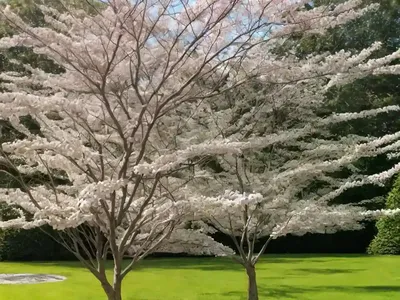
Japanese Flowering Dogwood (Cornus Kousa)
The Japanese Flowering Dogwood, scientifically known as Cornus Kousa, is a stunning ornamental tree known for its captivating blossoms and exceptional.
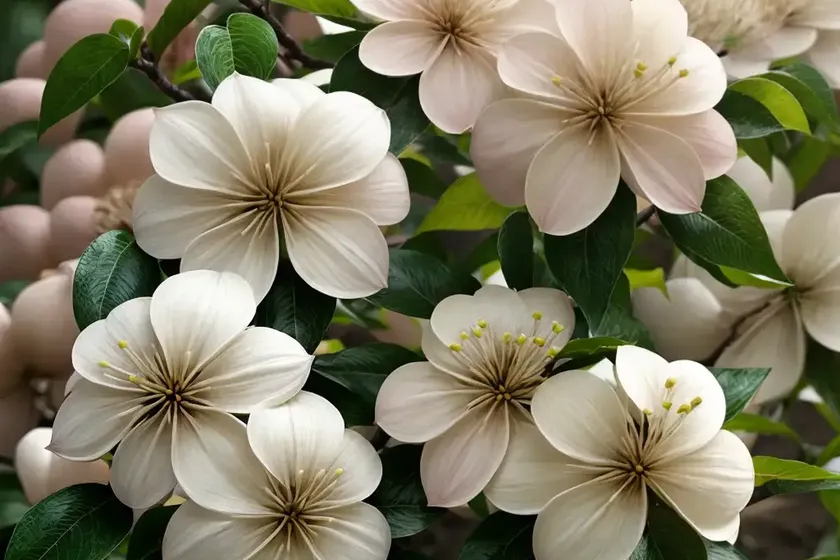
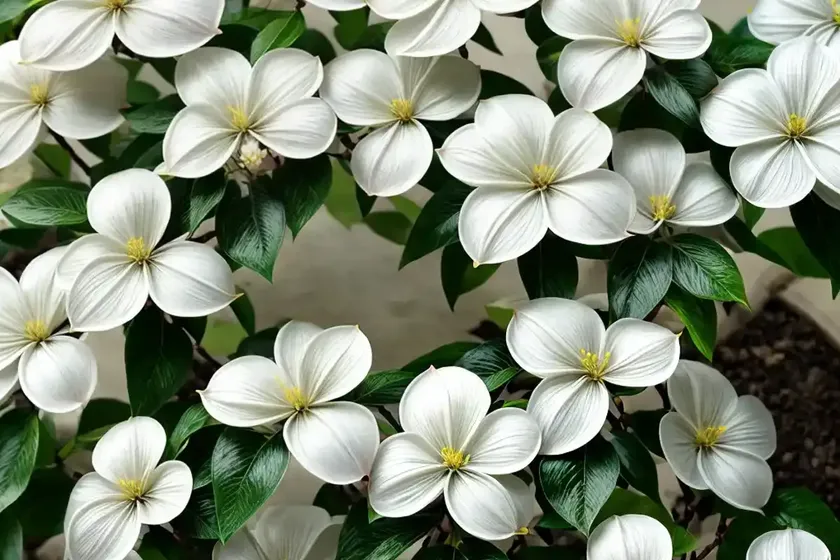
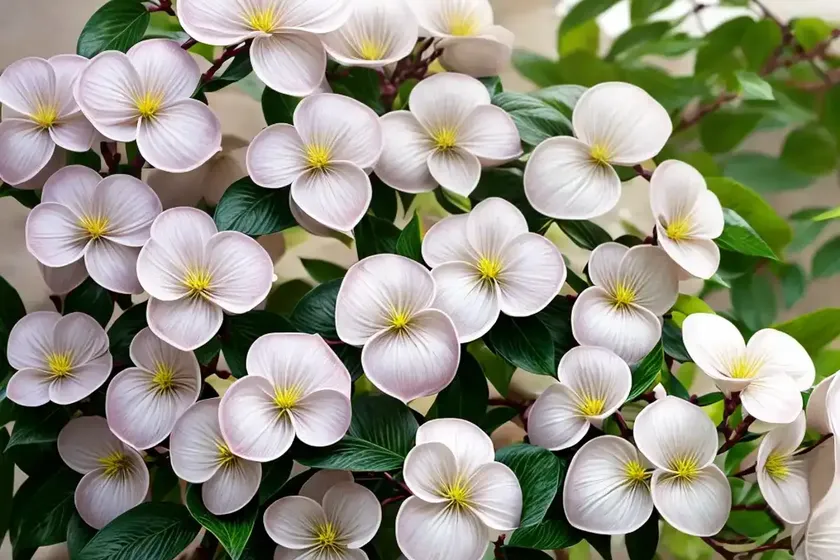
The Japanese Flowering Dogwood, scientifically known as Cornus Kousa, is a stunning ornamental tree known for its captivating blossoms and exceptional hardiness. As a plant scientist, I am thrilled to guide you through the intricate world of this beautiful tree, covering everything from its cultural significance to its maintenance and care. In this comprehensive guide, we will explore the various aspects of Japanese Flowering Dogwood, providing valuable insights into its uses, cultivation, potential challenges, and much more.
What is the Japanese Flowering Dogwood (Cornus Kousa)?
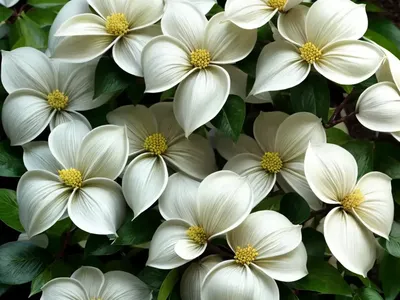
The Japanese Flowering Dogwood, Cornus Kousa, is a deciduous tree that belongs to the dogwood family Cornaceae. Originating from East Asia, particularly Japan, Korea, and China, this tree has gained immense popularity for its elegant flowers, attractive foliage, and vigorous growth habit. It is known for its distinctive white or pink bracts that resemble flowers and appear in late spring or early summer, adding a touch of beauty to the landscape.
Key Takeaways – Japanese Flowering Dogwood (Cornus Kousa)
Before delving into the detailed aspects of Japanese Flowering Dogwood, let’s highlight the key takeaways that we will cover in this comprehensive care guide:
- Culture
- Uses
- Water
- Sunlight
- Fertilizer
- Soil
- Pruning
- Propagation
- Container
- Popularity
- Common Diseases
- Disease Diagnosis
- Common Pests
- Botanist’s Tips
- Fun Facts
- Links to External Resources
Culture
The Japanese Flowering Dogwood holds a significant place in various cultures, especially in East Asia. In Japan, it is often regarded as a symbol of resilience and beauty, representing strength in the face of adversity. The tree is also used in traditional landscape designs, where its elegant blossoms play a crucial role in creating harmonious and serene environments. Furthermore, the fruit of the Japanese Flowering Dogwood is occasionally used for culinary purposes and is considered an edible delicacy in certain regions.
Uses
The Japanese Flowering Dogwood serves several purposes, both ornamental and practical. Some of its common uses include:
- Ornamental Tree: With its enchanting flowers and vibrant foliage, the Japanese Flowering Dogwood is widely planted as an ornamental tree in gardens, parks, and landscapes.
- Wildlife Habitat: The tree provides a valuable source of food and shelter for various wildlife, including birds and small mammals, making it a vital component of ecological systems.
- Cultural Significance: Due to its symbolic significance in various cultures, the Japanese Flowering Dogwood holds an essential place in traditional festivities and rituals.
Water
Proper watering is crucial for the health and vitality of the Japanese Flowering Dogwood. While the tree is relatively tolerant of dry conditions once established, it thrives best in moist, well-drained soil. During periods of drought, supplemental watering may be necessary to ensure that the roots receive adequate moisture. However, it is essential to avoid waterlogged soil, as excessive moisture can lead to root rot and other detrimental conditions.
Sunlight
The Japanese Flowering Dogwood flourishes in partial shade to full sun, making it a versatile tree that can adapt to various light conditions. In regions with intense summer heat, providing afternoon shade can help protect the tree from stress and sunscald. Additionally, planting the tree in a location with dappled sunlight or partial shade can result in enhanced flower production and prolonged bloom periods.
Fertilizer
Appropriate fertilization can significantly contribute to the growth and overall well-being of the Japanese Flowering Dogwood. A balanced, slow-release fertilizer formulated for acid-loving plants can be applied in early spring before new growth emerges. It is essential to follow the recommended application rates and avoid excessive fertilization, as this can lead to nutrient imbalances and potential damage to the tree.
Soil
The Japanese Flowering Dogwood thrives in well-drained, slightly acidic soil with a pH range of 5.5 to 6.5. Loamy, fertile soils with good moisture retention are ideal for supporting healthy root development and optimal growth. Incorporating organic matter, such as compost or well-rotted leaf mulch, into the soil can improve its structure and fertility, creating an ideal growing environment for the tree.
Pruning
Pruning is an essential aspect of Japanese Flowering Dogwood maintenance, helping to shape the tree, stimulate new growth, and remove damaged or unwanted branches. It is advisable to prune the tree during the dormant season, preferably in late winter or early spring before the onset of new growth. Care should be taken to avoid over-pruning, as this can compromise the tree’s natural form and reduce its vigor.
Propagation
The propagation of Japanese Flowering Dogwood can be achieved through various methods, including:
- Seed Propagation: Collecting and germinating seeds from mature fruits provides a straightforward way to propagate new trees, albeit with genetic variation.
- Cutting Propagation: Stem cuttings can be taken and rooted under controlled conditions to produce genetically identical clones of the parent tree.
- Layering: Air layering or ground layering can be utilized to encourage the development of roots on selected branches, leading to the production of new plants.
Container Popularity
The Japanese Flowering Dogwood is also well-suited for container cultivation, making it an excellent choice for urban gardens, patios, and balconies. When grown in containers, it is essential to select a spacious, well-draining pot and provide adequate care to ensure the tree’s continued health and vigor.
Common Diseases
Despite its overall resilience, the Japanese Flowering Dogwood is susceptible to certain diseases and health issues. Some common diseases that can affect the tree include:
- Anthracnose: This fungal disease can cause leaf spotting, defoliation, and twig dieback, particularly during periods of cool, wet weather.
- Powdery Mildew: Characterized by a white, powdery growth on leaves, powdery mildew can impact the aesthetic appeal and health of the tree.
- Root Rot: Excessive soil moisture and poor drainage can lead to root rot, resulting in stunted growth and decline.
Disease Diagnosis
Diagnosing and addressing diseases promptly is essential for maintaining the health and vitality of the Japanese Flowering Dogwood. Careful observation of the tree’s foliage, bark, and overall appearance can provide valuable insights into potential health issues. Seeking assistance from experienced arborists or plant health specialists can aid in accurate disease diagnosis and the implementation of effective treatment and management strategies.
Common Pests
Several pests can pose challenges to the Japanese Flowering Dogwood, including:
- Dogwood Borer: The larvae of the dogwood borer can tunnel into the tree’s trunk and branches, causing extensive damage and weakening the overall structure.
- Scale Insects: These pests can infest the branches and leaves of the tree, leading to weakened growth and potential stress.
- Dogwood Clubgall Midge: The larvae of this midge species can cause abnormal growths or galls on the leaves and twigs, affecting the tree’s aesthetic appearance.
Botanist’s Tips
For those seeking to cultivate and care for Japanese Flowering Dogwood, here are some valuable tips from botanists and plant scientists:
- Selecting Varieties: Consider exploring different Cornus Kousa varieties to discover unique characteristics and traits that align with your preferences and growing conditions.
- Soil Amendment: Incorporating organic matter and suitable amendments can improve the soil structure and enhance the tree’s nutrient uptake and overall health.
Fun Facts
Uncover fascinating facts about the Japanese Flowering Dogwood that showcase its captivating nature and distinctive attributes:
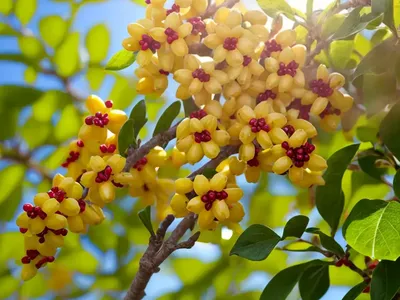
- The fruit of the Japanese Flowering Dogwood is often likened to raspberries and is enjoyed by birds and wildlife.
- The tree’s vibrant autumn foliage presents a stunning display of reds, purples, and oranges, adding to its ornamental appeal.
Links to External Resources
Explore additional resources and information on Japanese Flowering Dogwood to expand your knowledge and understanding of this remarkable tree:
- The American Conifer Society
- The Royal Horticultural Society
- University of Florida Gardening Solutions
In conclusion, the Japanese Flowering Dogwood (Cornus Kousa) stands as an iconic ornamental tree known for its enduring beauty, cultural significance, and ecosystem contributions. By delving into its cultivation, uses, potential challenges, and unique features, we gain insight into the nuanced world of this extraordinary tree. Whether adorning a home garden or enhancing public spaces, the Japanese Flowering Dogwood continues to captivate and inspire admirers around the world, serving as a testament to the enduring allure of nature’s wonders.
- American Conifer Society. “Home – The American Conifer Society.” https://conifersociety.org/.
- Royal Horticultural Society. “RHS – Inspiring Everyone to Grow / RHS Gardening.” https://www.rhs.org.uk/.
- University of Florida Gardening Solutions. “Solutions for Your Life – University of Florida, Institute of Food and Agricultural Sciences.” https://gardeningsolutions.ifas.ufl.edu/.