Cornus florida Cherokee Brave (Flowering Dogwood): A Plant Scientist’s Comprehensive Guide
What is Cornus florida Cherokee Brave (Flowering Dogwood)?
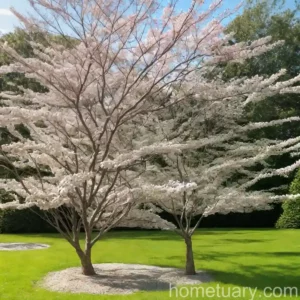
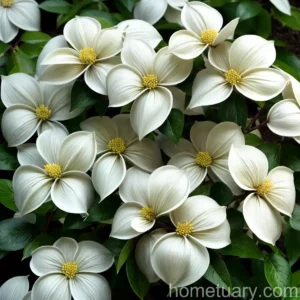
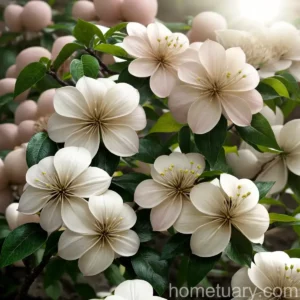
Cornus florida Cherokee Brave, commonly known as flowering dogwood, is a small deciduous tree native to eastern North America. It is part of the Cornaceae family and is renowned for its beautiful show of colored blooms in spring, vibrant fall foliage, and distinctive branching structure. The Cherokee Brave cultivar is particularly celebrated for its resistance to powdery mildew and anthracnose, making it a sought-after choice for landscapers and homeowners alike.
Key Takeaways – Cornus florida Cherokee Brave (Flowering Dogwood)
Before delving into the specifics of the Cornus florida Cherokee Brave, let’s take a quick look at the key takeaways for this stunning plant:
- Scientific Name: Cornus florida
- Cultivar: Cherokee Brave
- Common Names: Flowering Dogwood, Cherokee Brave Dogwood
- Native Range: Eastern North America
- Notable Features: Showy spring blooms, vibrant fall foliage, distinctive branching structure
Now that we have an overview of this magnificent plant, let’s proceed to explore various aspects related to its cultivation, uses, maintenance, and more.
Cultivation
Uses
The Cornus florida Cherokee Brave is widely utilized for its ornamental appeal and various environmental benefits. Some of its primary uses include:
- Ornamental Purposes: The beautiful spring blooms and attractive fall foliage make it a popular choice for landscaping in residential, commercial, and public spaces.
- Wildlife Habitat: The flowering dogwood provides food and shelter for various wildlife species, including birds and small mammals.
- Soil Stabilization: Its root system helps in preventing soil erosion, making it suitable for planting in naturalized areas.
Water
Proper watering is crucial, particularly during the initial establishment of a Cherokee Brave Dogwood. Here are some water-related considerations:
- Young Trees: Newly planted trees require regular watering to aid in root establishment. This is especially important during dry spells or in the absence of natural rainfall.
- Established Trees: Once established, the tree exhibits good drought tolerance. However, during prolonged dry periods, supplemental watering may be beneficial, especially for trees growing in containers or in well-draining soil.
Sunlight
Sunlight plays a vital role in the growth and development of the Cherokee Brave Flowering Dogwood. Here’s what you need to know:
- Light Requirements: Flowering dogwoods generally prefer partial shade, especially during the hot afternoon hours. However, Cherokee Braves can tolerate full sun in cooler regions.
- Site Selection: When selecting a site for planting, consider locations with dappled sunlight or partial shade to ensure optimal growth and flowering.
Fertilizer
Proper nutrition is essential for the health and vigor of the Cornus florida Cherokee Brave. Consider the following when fertilizing:
- Timing: Fertilize in early spring before new growth emerges to provide the tree with essential nutrients for the upcoming growing season.
- Fertilizer Type: Choose a balanced, slow-release fertilizer specifically formulated for flowering trees. Avoid excessive use of high-nitrogen fertilizers, as this can lead to overly vigorous growth and reduced floral display.
Soil
The soil conditions greatly influence the overall health and performance of the Cherokee Brave Dogwood. Consider the following soil-related factors:
- Well-Draining Soil: Flowering dogwoods prefer moist, well-draining soil. Avoid waterlogged or compacted soil, as these conditions can lead to root rot and other issues.
- Soil pH: They thrive in slightly acidic to neutral soil (pH 5.5 to 6.5). Consider conducting a soil test to determine the pH of the planting site and make necessary amendments if the pH is too high or too low.
Maintenance
Pruning
Pruning is an essential aspect of maintaining the shape, health, and overall appearance of the Cornus florida Cherokee Brave. Here are some pruning guidelines:
- Timing: Prune in late winter or early spring while the tree is still dormant. Avoid pruning in late spring or summer, as this can lead to excessive sap loss and increased susceptibility to diseases.
- Pruning Objectives: Focus on removing dead, diseased, or damaged branches, as well as any crossing or rubbing branches. Additionally, light shaping may be performed to enhance the tree’s structure and aesthetics.
Propagation
The propagation of Cherokee Brave Flowering Dogwoods can be achieved through various methods, including:
- Seeds: While viable seeds can be collected from mature fruits, it’s important to note that seed-grown plants may not retain the exact characteristics of the parent plant, including flower color or disease resistance.
- Cuttings: Softwood or semi-hardwood cuttings can be utilized to propagate exact clones of the parent plant. Rooting hormone and proper environmental conditions are essential for successful rooting.
Container Popularity
The compact size and ornamental appeal of the Cherokee Brave Dogwood make it an excellent choice for container gardening. Here are some considerations for growing it in containers:
- Container Selection: Choose a large container with adequate drainage holes to ensure good root aeration and drainage.
- Potting Mix: Utilize a well-draining potting mix rich in organic matter. Consider adding perlite or coarse sand to improve drainage.
Common Diseases
Disease Diagnosis
Just like other flowering dogwood varieties, the Cherokee Brave is susceptible to certain diseases. Here are some common diseases and their diagnostic signs:
- Powdery Mildew: This fungal disease presents as a powdery white coating on the leaves, usually during the summer months.
- Anthracnose: Symptoms include dark lesions on the leaves, stem cankers, and dieback of branches, particularly during wet and cool spring weather.
Common Pests
In addition to diseases, Cherokee Brave Flowering Dogwoods are also prone to certain pest infestations. Here are some common pests to watch out for:
- Dogwood Borer: The larvae bore into the trunk and branches, leading to wilting and dieback of the affected areas.
- Scale Insects: These tiny, immobile pests can infest the branches and stems, leading to yellowing of foliage and reduced plant vigor.
Botanist’s Tips
Fun Facts
It’s always fascinating to uncover interesting facts about plants. Here are some fun facts about the Cherokee Brave Flowering Dogwood:
- State Tree: Cornus florida holds the distinction of being the state tree of Virginia and Missouri.
- Medicinal Uses: Certain Native American tribes utilized various parts of the flowering dogwood for medicinal purposes, including treating fevers and toothaches.
Links to External Resources
For further in-depth information about the Cornus florida Cherokee Brave, consider exploring the following resources:
- The American Society of Landscape Architects
- The United States National Arboretum
- The North Carolina Cooperative Extension
In conclusion, the Cornus florida Cherokee Brave (Flowering Dogwood) stands as a stunning representative of North American flora, captivating enthusiasts and environmentalists alike with its beauty and ecological contributions. Whether gracing urban landscapes or natural woodlands, this exquisite tree continues to enchant and inspire.
As stewards of the natural world, let’s savor the allure of the Cherokee Brave and endeavor to preserve its legacy for generations to come.