Cornus kousa ‘Summer Gold’ (Dogwood): A Beautiful Addition to Your Landscape
In the world of ornamental trees, few species can rival the elegant beauty and versatility of the Cornus kousa ‘Summer Gold’ (Dogwood). With its stunning foliage, delicate flowers, and compact size, this cultivar has become a sought-after addition to landscapes and gardens around the world. In this comprehensive guide, we will delve into the fascinating world of the Cornus kousa ‘Summer Gold’ (Dogwood), exploring its characteristics, care requirements, uses in landscaping, common diseases, and much more.
What is Cornus kousa ‘Summer Gold’ (Dogwood)?
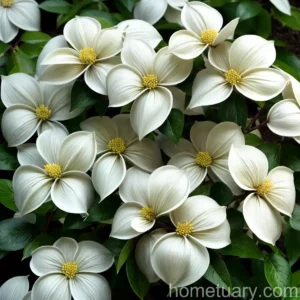
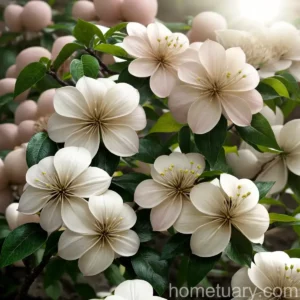
Cornus kousa ‘Summer Gold’ is a striking cultivar of the Kousa Dogwood, known for its vibrant golden-yellow variegated leaves that emerge in spring. As the season progresses, the foliage transitions to a rich green, adding dynamic visual interest to the tree. This variety is also prized for its abundant white flowers that bloom in late spring, serving as a magnet for pollinators and wildlife. The Cornus kousa species is native to East Asia, including Korea, China, and Japan, and is highly valued for its resilience and adaptability.
Key Takeaways: Cornus kousa ‘Summer Gold’ (Dogwood)
Before delving into the specifics of cultivating and caring for Cornus kousa ‘Summer Gold’, let’s take a look at the key takeaways that will guide our exploration:
- Culture: Exploring the cultural requirements of the Cornus kousa ‘Summer Gold’
- Uses: Understanding the versatile uses of this cultivar in landscaping and gardens
- Water: Addressing the watering needs of Cornus kousa ‘Summer Gold’
- Sunlight: Determining the optimal sunlight conditions for this cultivar
- Fertilizer: Unveiling the fertilizer requirements for promoting healthy growth
- Soil: Analyzing the soil preferences of Cornus kousa ‘Summer Gold’
- Pruning: Delving into the best practices for pruning this ornamental tree
- Propagation: Exploring methods for propagating Cornus kousa ‘Summer Gold’
- Container Popularity: Assessing its potential for container gardening
- Common Diseases: Identifying common diseases and providing strategies for prevention and management
- Common Pests: Understanding the pests that may affect this cultivar
- Botanist’s Tips: Invaluable insights and recommendations from seasoned botanists
- Fun Facts: Exploring the intriguing aspects of Cornus kousa ‘Summer Gold’
Now, let’s embark on our journey to understand and appreciate the beauty of Cornus kousa ‘Summer Gold’.
Culture
Understanding the cultural requirements of Cornus kousa ‘Summer Gold’ is essential for promoting its optimal growth and ensuring its longevity in the landscape. Here are the key cultural considerations for cultivating this stunning cultivar:
-
Climate: Cornus kousa ‘Summer Gold’ thrives in temperate climates and is renowned for its excellent cold hardiness. It can adapt to a wide range of hardiness zones, typically thriving in zones 5 to 8.
-
Planting: When selecting a site for planting, it’s crucial to choose a location with well-draining soil and ample sunlight. The tree appreciates fertile, slightly acidic soil and benefits from consistent moisture during its establishment phase.
-
Watering: During the initial years after planting, Cornus kousa ‘Summer Gold’ requires regular watering to support its root development. Once established, it exhibits moderate drought tolerance, although it’s advisable to provide supplemental irrigation during prolonged dry spells.
-
Maintenance: Routine maintenance practices, such as mulching and regular watering, contribute to the overall health and vigor of this cultivar. Mulching helps conserve soil moisture, regulate soil temperature, and suppress weed growth.
Uses
The versatile nature of Cornus kousa ‘Summer Gold’ makes it an excellent choice for diverse landscaping applications. Here are some of its notable uses:
-
Specimen Tree: The alluring foliage and stunning floral display make Cornus kousa ‘Summer Gold’ an ideal specimen tree, serving as a focal point in the landscape.
-
Garden Borders: Its compact size and variegated foliage make it well-suited for garden borders, where it can add visual interest and a touch of elegance.
-
Woodland Gardens: In naturalized or woodland garden settings, the beauty of Cornus kousa ‘Summer Gold’ shines through, enhancing the overall allure of the landscape.
-
Wildlife Gardens: The nectar-rich flowers of this cultivar attract pollinators, including butterflies and bees, making it a valuable addition to wildlife-friendly gardens.
-
Containers: Given its modest size, Cornus kousa ‘Summer Gold’ can be cultivated in containers, allowing for versatility in urban and small-space settings.
Water
Optimizing water management is crucial for the successful cultivation of Cornus kousa ‘Summer Gold’. Understanding its specific water requirements is essential for maintaining its health and vitality. Here are some key points to consider regarding its water needs:
-
Establishment Phase: During the initial phase after planting, regular watering is essential to support root establishment. Adequate moisture helps the tree acclimate to its new environment and sets the foundation for healthy growth.
-
Drought Tolerance: Once established, Cornus kousa ‘Summer Gold’ exhibits moderate drought tolerance, thanks to its resilient nature. However, during periods of prolonged drought, supplemental watering can help ensure its well-being and vitality.
-
Consistent Moisture: While it can withstand short periods of dryness, consistent moisture is beneficial for promoting lush foliage and vibrant growth. Mulching the root zone helps maintain soil moisture and reduce water stress.
Sunlight
Understanding the sunlight requirements of Cornus kousa ‘Summer Gold’ is pivotal for creating optimal growing conditions. As a tree species, it relies on sunlight to fuel photosynthesis and develop robust foliage. Here’s what you need to know about providing the right amount of sunlight for this cultivar:
-
Full Sun to Partial Shade: Cornus kousa ‘Summer Gold’ flourishes in full sun to partial shade, where it can receive at least 4-6 hours of direct sunlight daily. In hotter climates, providing some afternoon shade can help protect its foliage from excessive heat.
-
Leaf Variegation: The variegated leaves of this cultivar benefit from bright, indirect light to showcase their striking coloration. Consistent exposure to adequate sunlight encourages the development of vibrant foliage.
-
Shade Adaptability: While it thrives in sunny conditions, Cornus kousa ‘Summer Gold’ also exhibits adaptability to partial shade, making it suitable for garden areas with varying light levels.
Fertilizer
Proper fertilization contributes to the health and vigor of Cornus kousa ‘Summer Gold’, promoting robust growth and enhancing its ornamental appeal. Understanding the specific fertilizer requirements for this cultivar is instrumental in supporting its overall well-being. Here’s a guide to fertilizing Cornus kousa ‘Summer Gold’:
-
Balanced Fertilizer: A balanced, slow-release fertilizer formulated for woody ornamental plants is ideal for nourishing Cornus kousa ‘Summer Gold’. Look for a formulation with a balanced ratio of macronutrients, such as a 10-10-10 or 20-20-20 blend.
-
Application Timing: Fertilize the tree in early spring, just as new growth begins to emerge. Avoid applying fertilizer too close to the onset of winter, as this can stimulate late-season growth that may be vulnerable to cold damage.
-
Even Distribution: Spread the fertilizer evenly over the root zone, avoiding direct contact with the trunk. Water the area thoroughly after application to incorporate the nutrients into the soil.
-
Organic Options: If preferred, organic fertilizers, such as well-rotted compost or aged manure, can also be used to provide a gentle and sustainable nutrient boost.
Soil
The soil composition plays a crucial role in the overall health and performance of Cornus kousa ‘Summer Gold’. Tailoring the soil conditions to meet the preferences of this cultivar is essential for fostering optimal growth. Here’s what you need to know about the soil requirements of this stunning Dogwood variety:
-
Well-Draining Soil: Cornus kousa ‘Summer Gold’ thrives in well-draining soil that prevents waterlogging and maintains adequate aeration around the root system. Heavy or compacted soils should be amended with organic matter to improve drainage.
-
Fertility: Soil with moderate fertility and a slightly acidic to neutral pH range is well-suited for this cultivar. Conduct a soil test to assess the pH level and nutrient content, and make amendments as needed to create an optimal growing environment.
-
Mulching: Applying a layer of organic mulch, such as shredded bark or wood chips, around the base of the tree helps regulate soil moisture, suppress weed growth, and provide a steady supply of organic matter as it decomposes.
-
Soil Moisture: While it appreciates well-draining soil, Cornus kousa ‘Summer Gold’ benefits from consistent soil moisture, especially during its establishment phase. Regular irrigation and mulching contribute to maintaining an ideal moisture level.
Pruning
Pruning is an essential aspect of maintaining the form, structure, and health of Cornus kousa ‘Summer Gold’. Understanding the best practices for pruning this cultivar is crucial for promoting robust growth and preserving its ornamental attributes. Here are some key guidelines for pruning Cornus kousa ‘Summer Gold’:
-
Timing: Prune the tree during the dormant season, ideally in late winter to early spring before the onset of new growth. This timing minimizes the risk of excessive sap bleeding and allows the tree to allocate resources to healing and regrowth.
-
Deadwood Removal: Regularly inspect the tree for dead, damaged, or diseased branches and promptly remove them to maintain overall vigor and prevent the spread of diseases.
-
Selective Thinning: Thinning out crowded or crossing branches helps improve air circulation and light penetration within the canopy, reducing the risk of fungal diseases and promoting healthy growth.
-
Shape Refinement: As needed, shape the tree to maintain a pleasing form and silhouette. This may involve lightly pruning the tips of branches to encourage branching and density.
-
Sanitization: Use clean, sharp pruning tools to avoid causing unnecessary stress or damage to the tree. Disinfect the tools between cuts, especially when addressing diseased or infested branches.
Propagation
The propagation of Cornus kousa ‘Summer Gold’ enables horticultural enthusiasts and professionals to multiply its captivating beauty and share it with a broader audience. Several methods can be employed to propagate this cultivar, each with its own advantages and considerations. Here are some common techniques for propagating Cornus kousa ‘Summer Gold’:
-
Seed Propagation: While viable seeds can be collected from mature fruits, growing Cornus kousa ‘Summer Gold’ from seed may result in genetic variability, and the new seedlings may not exhibit the exact traits of the parent plant.
-
Cutting Propagation: Softwood or hardwood cuttings can be utilized to propagate Cornus kousa ‘Summer Gold’, although softwood cuttings taken in early summer tend to root more readily. Utilize a rooting hormone to enhance the success rate of cuttings.
-
Layering: Air layering or ground layering can be employed to encourage the formation of roots on a branch while it is still attached to the parent plant. Once roots have developed, the new plant can be separated and transplanted.
-
Grafting: Tissue culture or grafting onto compatible rootstocks presents an effective method for propagating high-quality clones of Cornus kousa ‘Summer Gold’, ensuring the retention of desirable traits.
-
Division: Mature specimens can be divided during the dormant season, dividing the root mass into sections to create new plants. This method is especially effective for rejuvenating overgrown or overcrowded specimens.
Container Popularity
The compact size and ornamental appeal of Cornus kousa ‘Summer Gold’ make it well-suited for container cultivation, offering versatility for landscaping in urban settings, patios, and small gardens. Here’s why this cultivar is popular for container gardening:
-
Space Efficiency: Its modest stature and manageable growth habit make it an excellent candidate for container cultivation, allowing individuals with limited space to enjoy the beauty of this ornamental tree.
-
Accessibility: Container-grown Cornus kousa ‘Summer Gold’ can be positioned strategically to adorn outdoor living spaces, providing a touch of natural beauty within arm’s reach.
-
Seasonal Accent: Containers afford the flexibility to move the tree as needed to optimize its growing conditions and showcase its seasonal attributes, such as the striking golden foliage and abundant blooms.
-
Design Element: When creatively incorporated into landscaping designs, container-grown specimens of Cornus kousa ‘Summer Gold’ can serve as focal points, accents, or components of ornamental arrangements.
-
Maintenance Control: Container cultivation allows for precise control over soil quality, moisture levels, and root growth, simplifying maintenance and providing the opportunity for customized care.
Common Diseases
While Cornus kousa ‘Summer Gold’ is known for its resilience, it is important to be aware of common diseases that may affect this cultivar. Understanding the signs, symptoms, and management strategies for these diseases is crucial for safeguarding the health of the tree. Here are some common diseases to watch out for:
-
Powdery Mildew: This fungal disease may manifest as powdery white patches on the foliage, leading to leaf distortion and premature leaf drop. Proper air circulation, pruning for light penetration, and fungicidal treatments can help manage powdery mildew.
-
Anthracnose: Anthracnose can cause leaf spotting, browning, and defoliation, particularly during periods of prolonged wet weather. Keep the area beneath the tree clean, and utilize fungicidal treatments if necessary to mitigate anthracnose.
-
Leaf Spot: Several fungal pathogens can cause leaf spotting on Cornus kousa ‘Summer Gold’, resulting in unsightly blemishes. Maintain good sanitation practices, such as removing fallen leaves, and consider fungicidal applications during periods of high disease pressure.
-
Root Rot: Prolonged waterlogging or poorly drained soil can predispose the tree to root rot, resulting in stunted growth, wilting, and decline. Improving soil drainage and avoiding overwatering are crucial for preventing root rot.
-
Botrytis Blight: This fungal disease can affect flowers and young shoots, leading to dieback and discoloration. Pruning affected parts and promoting good air circulation can help prevent and manage botrytis blight.
Disease Diagnosis
In the event of suspected disease issues, accurate diagnosis is essential for implementing effective control measures and preserving the health of Cornus kousa ‘Summer Gold’. Here’s a general approach for diagnosing diseases in this cultivar:
-
Symptom Assessment: Carefully examine the foliage, stems, and overall appearance of the tree to identify any signs of abnormality, including discoloration, spotting, distortion, or wilting.
-
Environmental Analysis: Consider the prevailing weather conditions, the tree’s growing environment, and any recent changes that may have contributed to disease development, such as excessive moisture or poor air circulation.
-
Professional Consultation: If uncertain about the nature of the disease or the appropriate course of action, it is advisable to consult with a plant pathologist, horticulturist, or certified arborist for accurate diagnosis and tailored recommendations.
-
Laboratory Tests: Samples of affected plant tissues can be submitted to diagnostic laboratories for pathogen identification and detailed analysis, providing valuable insights for targeted disease management.
-
Integrated Management: Upon confirming the disease and its specific characteristics, develop an integrated management plan that encompasses cultural, biological, and chemical control strategies to address the issue effectively.
Common Pests
Cornus kousa ‘Summer Gold’ may be susceptible to infestation by certain insect pests, potentially affecting its growth and aesthetic appeal. Recognizing these pests and implementing appropriate control measures is essential for preserving the health of the tree. Here are some common pests to be mindful of:
-
Dogwood Borers: The larvae of dogwood borers tunnel into the trunk and branches of dogwood trees, causing structural damage and weakening the plant. Application of preventive trunk sprays and maintaining overall tree health are crucial for managing this pest.
-
Scale Insects: Scale insects may infest the branches and stems of Cornus kousa ‘Summer Gold’, appearing as small, immobile bumps. Horticultural oil applications or natural predators can help control scale infestations.
-
Dogwood Sawfly: The larvae of dogwood sawflies feed on the foliage, causing defoliation and aesthetic damage. Manual removal of the larvae and targeted insecticidal treatments can help mitigate sawfly infestations.
-
Aphids: Aphids may congregate on the undersides of leaves, sucking plant sap and excreting honeydew. Natural predators, such as ladybugs, and insecticidal soaps can be employed to manage aphid populations.
-
Dogwood Clubgall Midge: The adult midges lay eggs on the foliage, leading to the formation of galls on the leaves. Pruning affected foliage and implementing cultural practices to reduce midge populations can aid in controlling this pest.
Botanist’s Tips
Drawing from the expertise of seasoned botanists and horticulturists, here are some valuable tips and recommendations for cultivating and caring for Cornus kousa ‘Summer Gold’:
-
Pruning Techniques: Employ selective pruning to promote an open, well-ventilated canopy and remove crossed or rubbing branches. Avoid excessive pruning, as this can compromise the tree’s natural form and vigor.
-
Seasonal Maintenance: Regularly monitor the tree for signs of disease, pests, or structural issues, and address them promptly to maintain its overall health. Conducting routine inspections is essential for proactive care.
-
Soil Amendments: Consider incorporating organic matter, such as compost or well-rotted manure, into the soil to enhance its structure, fertility, and microbial activity, fostering an enriched growing environment for the tree.
-
Mulching Benefits: Apply a layer of mulch around the base of the tree, extending to the dripline, to conserve soil moisture, moderate soil temperature, and suppress weed growth. Mulching also aids in the gradual improvement of soil quality.
-
Beneficial Companions: When planning the landscape, consider pairing Cornus kousa ‘Summer Gold’ with companion plants that complement its characteristics and provide a harmonious backdrop. Select plants that thrive in similar growing conditions to create a balanced aesthetic.
Fun Facts
Uncover the intriguing aspects and captivating details about Cornus kousa ‘Summer Gold’ with these fun and fascinating facts:
-
Floral Symbolism: In addition to its ornamental value, the flowers of Cornus kousa ‘Summer Gold’ symbolize resilience, renewal, and natural beauty, making it an emblematic addition to gardens and landscapes.
-
Wildlife Support: The nectar-rich flowers of this cultivar attract various pollinators, including butterflies, bees, and hummingbirds, contributing to the ecological vitality of the surrounding environment.
-
Seasonal Transitions: The dynamic foliage of Cornus kousa ‘Summer Gold’ undergoes a captivating transformation, progressing from golden-yellow in spring to rich green in summer, offering ever-changing visual appeal.
-
Cultural Significance: In