Delosperma ‘Jewel of the Desert Moonstone’ (Ice Plant): A Complete Guide
Welcome to our comprehensive guide on Delosperma ‘Jewel of the Desert Moonstone’, commonly known as the Ice Plant. In this article, we will delve into the fascinating world of this unique plant species, exploring its characteristics, care requirements, cultivation tips, landscape uses, and much more. Whether you are an experienced gardener or someone looking to embark on a new gardening adventure, this guide will provide you with valuable insights into the world of Delosperma ‘Jewel of the Desert Moonstone’.
What is Delosperma ‘Jewel of the Desert Moonstone’?
Delosperma ‘Jewel of the Desert Moonstone’ is a cultivar of the Ice Plant, a resilient and visually striking succulent that has garnered attention for its ability to thrive in arid conditions while producing vibrant, daisy-like flowers. This low-growing perennial is native to South Africa and belongs to the family Aizoaceae. The species name “Delosperma” is derived from the Greek words ‘delos’ which means ‘evident’ or ‘visible’ and ‘sperma’ which translates to ‘seed’, alluding to the plant’s conspicuous seeds.
Delosperma ‘Jewel of the Desert Moonstone’ Characteristics
- Scientific Name: Delosperma ‘Jewel of the Desert Moonstone’
- Common Name: Ice Plant
- Plant Type: Perennial Succulent
- Mature Height: 6-8 inches
- Mature Spread: 12-18 inches
- Flower Color: White to light pink
- Foliage: Evergreen, fleshy, green
- Bloom Time: Late spring to early summer
- USDA Hardiness Zones: 6a – 9b
- Growth Habit: Spreading, trailing
Key Takeaways – Delosperma ‘Jewel of the Desert Moonstone’ (Ice Plant)
Before we dive deeper into the specifics of caring for and cultivating Delosperma ‘Jewel of the Desert Moonstone’, let’s highlight some key takeaways about this remarkable plant:
- Delosperma ‘Jewel of the Desert Moonstone’ is a low-growing perennial succulent known for its resilience and ability to thrive in dry, arid conditions.
- The plant produces daisy-like flowers in shades of white to light pink, adding a vibrant touch to garden landscapes.
- Ice Plants are well-suited for rock gardens, groundcover, and container gardening, making them versatile additions to various gardening styles.
- While relatively low-maintenance, Delosperma ‘Jewel of the Desert Moonstone’ does require specific care in terms of watering, sunlight, soil, and pruning.
With these key points in mind, let’s explore the various aspects of cultivating and caring for the Ice Plant.
Culture
Cultivating Delosperma ‘Jewel of the Desert Moonstone’ requires an understanding of its preferred growing conditions, maintenance needs, and potential uses in landscaping. Let’s break down the cultural aspects of this plant to provide a comprehensive overview.
Uses
Delosperma ‘Jewel of the Desert Moonstone’ offers a multitude of uses in landscaping and garden design, thanks to its low-growing habit, visually appealing flowers, and tolerance to dry conditions.
Landscape Uses
- Rock Gardens: The low, spreading habit of the Ice Plant makes it an excellent addition to rock gardens. Its fleshy foliage and delicate flowers create an attractive contrast against rocky terrain.
- Groundcover: Ice Plants serve as effective groundcovers, spreading to form dense mats that help suppress weed growth and erosion. They can be particularly valuable for stabilizing slopes and sunny, dry areas.
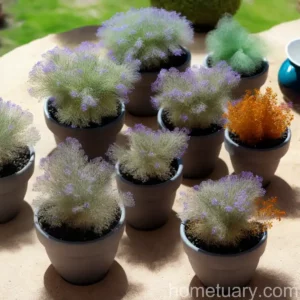
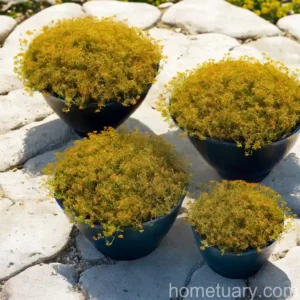
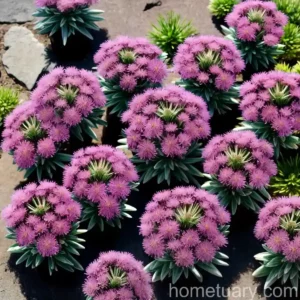
- Containers: Due to their drought tolerance and striking appearance, Delosperma ‘Jewel of the Desert Moonstone’ is well-suited for container gardening. They can be featured in mixed succulent arrangements or showcased in individual pots.
Water
As with any plant, water is a crucial factor in the successful cultivation of Delosperma ‘Jewel of the Desert Moonstone’. Understanding the plant’s water requirements is essential for maintaining its health and vibrancy.
Watering Requirements
- Established Plants: Once established, Delosperma ‘Jewel of the Desert Moonstone’ exhibits excellent drought tolerance. However, regular watering is necessary during the plant’s active growth periods, particularly in the spring and summer.
- Young Plants: Newly planted Ice Plants benefit from consistent moisture to support root establishment. After the first growing season, they become more resilient to dry conditions.
Sunlight
Sunlight is a pivotal factor in the growth and flowering of Delosperma ‘Jewel of the Desert Moonstone’. Understanding the plant’s sunlight preferences is essential for optimizing its performance in the garden.
Sun Exposure
- Full Sun: Ice Plants thrive in full sun to partial shade, although they tend to produce more prolific blooms when grown in a sunny location. Adequate sunlight is essential for promoting flowering and maintaining compact growth.
Fertilizer
Proper fertilization can help enhance the growth and flowering of Delosperma ‘Jewel of the Desert Moonstone’. However, understanding the appropriate approach to fertilizing this plant is essential to prevent potential issues.
Fertilization Tips
- Minimal Fertilization: Ice Plants are relatively low-maintenance and do not require frequent or heavy fertilization. A light application of a balanced, all-purpose fertilizer in early spring can provide the necessary nutrients for the growing season.
- Avoid Excess Nitrogen: Excessive nitrogen can lead to vigorous foliage growth at the expense of flowering, so it’s important to use a fertilizer with balanced nutrient ratios.
Soil
Understanding the soil preferences of Delosperma ‘Jewel of the Desert Moonstone’ is crucial for creating an optimal growing environment that supports the plant’s health and vigor.
Soil Preferences
- Well-Draining Soil: Ice Plants thrive in well-draining, sandy or gravelly soil. Soil that retains excess moisture can lead to issues such as root rot, so ensuring good drainage is essential.
- pH Considerations: A slightly acidic to neutral soil pH range is ideal for Delosperma ‘Jewel of the Desert Moonstone’. Amending overly alkaline soils may be necessary to create suitable growing conditions.
Pruning
Regular pruning can help maintain the compact, tidy appearance of Delosperma ‘Jewel of the Desert Moonstone’, preventing the plant from becoming leggy or unkempt.
Pruning Guidelines
- Deadheading: Removing spent flowers throughout the blooming season can encourage the production of new blooms and prevent the plant from diverting energy into seed production.
- Trimming: In early spring, a light trimming can help rejuvenate the plant and promote sturdy, branching growth.
Propagation
Propagating Delosperma ‘Jewel of the Desert Moonstone’ allows gardeners to expand their plant collection or share this unique species with others. Understanding the propagation methods is essential for successful reproduction of the plant.
Propagation Methods
- Division: Ice Plants can be propagated through division, particularly in early spring. Dividing established clumps into smaller sections can promote the growth of new plants.
- Cuttings: Stem cuttings taken during the active growing season can be rooted to create new plants. Using a well-draining rooting medium and providing gentle bottom heat can enhance rooting success.
Container Popularity
The Ice Plant’s adaptability and visual appeal make it highly popular for container gardening. Its low, spreading growth habit and striking flowers add an eye-catching element to container arrangements.
Container Gardening Tips
- Well-Draining Containers: When growing Delosperma ‘Jewel of the Desert Moonstone’ in containers, ensure that the pots provide excellent drainage to prevent waterlogging.
- Drought-Tolerant Mix: Using a well-draining potting mix formulated for succulents and cacti can help create an optimal growing environment for Ice Plants in containers.
- Placement: Position the containers in a sunny location to provide the plants with adequate sunlight for robust growth and flowering.
Common Diseases
While Delosperma ‘Jewel of the Desert Moonstone’ is generally resistant to most pests and diseases, understanding the potential issues that can affect this plant is important for proactive management.
Disease Diagnosis
- Root Rot: Prolonged exposure to excessively wet soil can lead to issues such as root rot in Ice Plants. Symptoms include wilting, discolored or mushy roots, and a general decline in plant health.
- Powdery Mildew: In humid or poorly ventilated conditions, Ice Plants can be susceptible to powdery mildew, which presents as a white, powdery coating on the foliage.
Common Pests
Delosperma ‘Jewel of the Desert Moonstone’ is relatively pest-resistant, but certain pests may occasionally pose a threat to the plant’s health.
Pest Management
- Aphids: These small, sap-sucking insects can occasionally be found on the tender growth of Ice Plants. Rinsing the plants with a strong jet of water can help dislodge aphids and reduce their populations.
- Spider Mites: In hot, dry conditions, spider mites may target Ice Plants. Regularly inspecting the foliage and using insecticidal soap if mite infestations are detected can help manage these pests.
Botanist’s Tips
Based on the cultural aspects we’ve explored, here are some additional tips from botanists and experienced gardeners to help you successfully grow and care for Delosperma ‘Jewel of the Desert Moonstone’:
- Optimal Drainage: Ensure that the planting site or container provides excellent drainage to prevent waterlogged conditions, which can be detrimental to Ice Plants.
- Moderate Irrigation: While Delosperma ‘Jewel of the Desert Moonstone’ is drought-tolerant, consistent watering during the plant’s establishment phase helps promote robust growth and development.
- Avoid Overcrowding: When planting Ice Plants, allow adequate spacing between individual specimens to prevent overcrowding, which can lead to increased humidity and potential disease issues.
Fun Facts
As we conclude our exploration of Delosperma ‘Jewel of the Desert Moonstone’, here are some fascinating and lesser-known facts about the Ice Plant:
- Ice Plants are not only visually captivating; they also offer ecological value by attracting pollinators such as butterflies and bees with their nectar-rich flowers.
- In addition to their ornamental appeal, Ice Plants have culinary uses in some regions, with the flowers and leaves being utilized in salads or as edible garnishes.
- With its ability to thrive in coastal regions and withstand salt spray, Delosperma ‘Jewel of the Desert Moonstone’ is a favored choice for seaside gardens and landscapes.
Links to External Resources
For further information and insights into Delosperma ‘Jewel of the Desert Moonstone’ and Ice Plants in general, we recommend exploring the following resources:
- The Royal Horticultural Society: Delosperma Cultivation and Care
- Fine Gardening: Ice Plants: Drought-Resistant Beauties
- Missouri Botanical Garden: Delosperma ‘Jewel of the Desert’ Series
This detailed guide provides a comprehensive overview of Delosperma ‘Jewel of the Desert Moonstone’, offering valuable insights into its cultivation, care, and uses. Whether you are considering adding this unique plant to your garden or seeking to enhance your knowledge of succulent species, the Ice Plant presents a captivating and rewarding gardening opportunity.