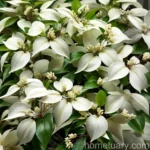
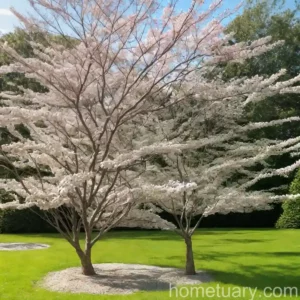
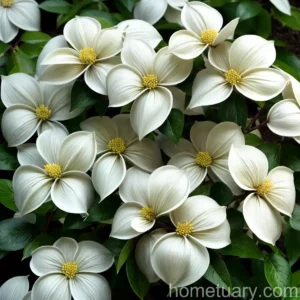
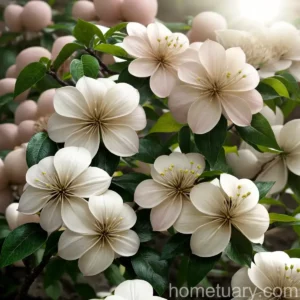
The Swamp Dogwood (Cornus amomum subsp. obliqua)
In the world of plants, there is a wide variety of species that thrive in different environments and have unique characteristics. One such fascinating plant is the swamp dogwood, scientifically known as Cornus amomum subsp. obliqua. Also commonly referred to as wetland dogwood, bog dogwood, or oblique-leafed swamp dogwood, this plant has garnered attention for its adaptability to damp and swampy conditions. In this comprehensive guide, we will explore the key aspects of the swamp dogwood, ranging from its cultural requirements to its common uses, as well as its disease diagnosis and common pests.
Key Takeaways – Swamp Dogwood (Cornus amomum subsp. obliqua)
- Scientific Name: Cornus amomum subsp. obliqua
- Other Names: Swamp dogwood tree, Dogwood shrub, Wetland dogwood, Native dogwood species, Oblique-leafed swamp dogwood
- Preferred Habitat: Swampy environments, wetland areas, marshy lands
- Characteristics: Moisture-loving, unique leaf shape, wetland-specific
- Cultural Requirements: Adequate water, suitable sunlight, specific soil type
- Common Uses: Wetland restoration, landscaping, wildlife habitat
Now, let’s delve into the various aspects of the swamp dogwood, including its culture, uses, common diseases, and botanist’s tips for successful cultivation.
Plant Name: Swamp Dogwood (Cornus amomum subsp. obliqua)
The swamp dogwood is a member of the Cornaceae family and is native to North America. This deciduous shrub/tree is renowned for its adaptability to wetland habitats and its characteristic oblique leaves, which set it apart from other dogwood species. Its scientific name, Cornus amomum subsp. obliqua, reflects its taxonomical classification within the genus Cornus.
Culture
Cultivating the swamp dogwood involves understanding its specific requirements relating to water, sunlight, soil, fertilizer, and pruning. By comprehensively addressing these aspects, gardeners and plant enthusiasts can effectively promote the growth and development of this unique species.
Water
The swamp dogwood, being adapted to wetland environments, has a high affinity for moisture. Therefore, maintaining adequate soil moisture levels is crucial for its growth and overall well-being. Regular watering, especially during dry spells, is essential for young plants to establish a healthy root system. However, it is equally important to ensure proper drainage to prevent waterlogging, which can be detrimental to the swamp dogwood.
Sunlight
While the swamp dogwood thrives in moist soil, it also requires appropriate sunlight to support its photosynthetic processes. Partial shade to full sun exposure is generally suitable for this species, although it can tolerate a range of light conditions. When grown in hotter climates, providing some protection from the intense midday sun can be beneficial in preventing stress and sunburn.
Fertilizer
In terms of fertilization, the swamp dogwood is not particularly demanding. A balanced, slow-release fertilizer can be applied in spring to support its growth and foliage development. It is advisable to avoid excessive fertilization, especially with high nitrogen content, as this may stimulate overly lush growth that can be more susceptible to diseases and pests.
Soil
The swamp dogwood thrives in moist, well-draining soils with a slightly acidic to neutral pH. Wetland dogwood species are uniquely adapted to environments with consistent moisture, and their root systems benefit from soils rich in organic matter. Incorporating compost or peat moss into the planting site can enhance soil structure and fertility, providing an optimal growing medium for the swamp dogwood.
Pruning
Pruning the swamp dogwood is primarily focused on maintaining its shape, removing damaged or diseased branches, and promoting better air circulation within the canopy. Pruning is best carried out during the dormant season to minimize stress on the plant. It is important to avoid heavy pruning, as this can compromise the plant’s natural form and reduce its ornamental value.
Uses
The unique characteristics of the swamp dogwood make it a valuable addition to various landscaping and conservation efforts. Understanding its common uses can provide insights into how this species can be effectively integrated into different environments.
Wetland Restoration
Due to its natural affinity for wetland habitats, the swamp dogwood plays a significant role in wetland restoration projects. Its ability to thrive in waterlogged soils and support a diverse array of wildlife makes it an ideal choice for stabilizing shorelines, enhancing water quality, and contributing to the overall ecological balance of wetland ecosystems.
Landscaping
In landscaping, the ornamental appeal of the swamp dogwood is often leveraged in creating visually captivating displays in gardens and natural areas. Its distinctive oblique leaves and compact growth habit make it a sought-after choice for adding interest to borders, woodland gardens, and other moisture-rich landscapes.
Wildlife Habitat
The swamp dogwood’s significance in providing shelter and food for wildlife cannot be understated. The dense foliage and clusters of small white flowers followed by blue-black berries attract various bird species, making it a valuable component of wildlife-friendly gardens and natural habitats.
Propagation
The propagation of the swamp dogwood can be achieved through several methods, including seeds, cuttings, and division. Each approach offers unique advantages and considerations when aiming to propagate new plants from existing specimens.
Seeds
Collecting and sowing fresh seeds from mature swamp dogwood plants can be a rewarding way to propagate this species. Stratifying the seeds by providing a period of cold, moist conditions can help break dormancy and enhance germination rates. Sowing the seeds in a well-draining medium and keeping them consistently moist can promote successful seedling establishment.
Cuttings
Softwood or hardwood cuttings can be utilized to propagate the swamp dogwood. Softwood cuttings taken in late spring to early summer can root relatively quickly under favorable conditions. Hardwood cuttings gathered in winter offer an alternative method, but they may require a longer period to establish roots before transitioning to active growth.
Division
Dividing existing clumps of swamp dogwood can be an effective means of propagation, especially for mature specimens with established root systems. Dividing the plant during the dormant season and ensuring each division has sufficient roots and shoots can facilitate the establishment of new plants.
Container Popularity
The swamp dogwood’s adaptability to container cultivation has contributed to its popularity among gardening enthusiasts and landscape designers. Growing this species in containers offers several advantages, particularly in situations where space or soil conditions are limited.
-
Versatile Placement: Container-grown swamp dogwoods can be strategically placed on patios, decks, or balconies, offering greater flexibility in integrating them into outdoor living spaces.
-
Soil Control: Containers allow for precise control over the soil composition and moisture levels, which is beneficial when cultivating plants in areas with unsuitable soil types.
-
Easy Maintenance: Containerized swamp dogwoods are more accessible for maintenance tasks such as pruning, fertilization, and pest management, simplifying their care requirements.
-
Temporary Displays: Containers enable the creation of temporary displays featuring the swamp dogwood, which can be especially advantageous for special events or seasonal accents in garden designs.
Common Diseases
As with any plant species, the swamp dogwood is susceptible to certain diseases that can impact its health and vitality. Recognizing these common diseases and understanding their management is essential for maintaining the well-being of this species.
Anthracnose
Anthracnose, caused by various fungal pathogens, can manifest as leaf spots, shoot blight, and cankers on the stems of the swamp dogwood. The use of resistant cultivars and promoting good air circulation through proper pruning can mitigate the impact of anthracnose.
Powdery Mildew
Powdery mildew may affect the foliage of the swamp dogwood, leading to the development of a white, powdery fungal growth. Ensuring adequate spacing between plants, promoting air movement, and utilizing fungicidal sprays as a preventive measure can help manage powdery mildew.
Leaf Spot Diseases
Several fungal pathogens can cause leaf spot diseases on the foliage of the swamp dogwood, resulting in unsightly blemishes and, in severe cases, defoliation. Proper sanitation, including the removal and disposal of infected leaves and branches, can aid in reducing the incidence of leaf spot diseases.
Disease Diagnosis
Diagnosing diseases affecting the swamp dogwood involves carefully observing the symptoms and understanding the causal agents and contributing factors. Conducting a systematic assessment of the plant’s condition and relevant environmental variables is essential for accurate disease diagnosis and subsequent management.
-
Symptom Identification: Recognizing the specific symptoms exhibited by the plant, such as leaf spots, wilting, or unusual growth patterns, is the first step in diagnosing potential diseases.
-
Causal Agents: Understanding the pathogens or environmental stresses that are associated with the observed symptoms can help narrow down the potential diseases affecting the swamp dogwood.
-
Environmental Factors: Evaluating the prevailing environmental conditions, including moisture levels, temperature, and sunlight exposure, can provide insights into the plant’s susceptibility to diseases and stressors.
-
Professional Consultation: Seeking input from plant health specialists or extension services can facilitate accurate disease diagnosis and the implementation of targeted management strategies.
Common Pests
The swamp dogwood can face infestations from various pests, ranging from insects to mites, which can compromise its overall health and aesthetic appeal. Familiarizing oneself with the common pests and their management approaches is crucial for preserving the vitality of this species.
-
Dogwood Borer (Synanthedon scitula): The larvae of the dogwood borer tunnel into the stems of the swamp dogwood, leading to wilting and dieback. Monitoring the presence of adult borers and implementing trunk sprays with insecticides can help manage this pest.
-
Scale Insects: Scale insects, such as the cottony maple scale (Pulvinaria innumerabilis), can infest the bark of the swamp dogwood, impacting its overall vigor. Application of horticultural oil during the dormant season and maintaining plant health can aid in controlling scale infestations.
-
Leafhoppers: Leafhoppers, including species such as the two-spotted leafhopper (Sophonia rufofascia), can feed on the foliage of the swamp dogwood, potentially transmitting diseases in the process. Regular monitoring and targeted insecticide applications can help manage leafhopper populations.
Botanist’s Tips
Drawing upon the insights of experienced botanists and horticulturists can offer valuable guidance for successfully cultivating and appreciating the swamp dogwood in various settings. Incorporating these tips into the management of this species can enhance its resilience and ornamental value.
-
Site Selection: When selecting a location for planting swamp dogwoods, prioritize areas with moist, well-draining soils and partial shade to full sun exposure, taking into account their natural habitat preferences.
-
Species Selection: Explore different cultivars and species within the Cornus genus to identify those that exhibit desirable traits such as compact growth, vibrant foliage, and enhanced disease resistance.
-
Native Landscaping: Integrate swamp dogwoods and other native species into landscaping designs to promote biodiversity and support local wildlife, contributing to the overall ecological balance of the environment.
-
Seasonal Monitoring: Conduct regular observations of the swamp dogwood throughout the growing season, noting any changes in growth, foliage appearance, or signs of potential pest or disease issues.
-
Conservation Efforts: Engage in conservation initiatives aimed at preserving wetland habitats and promoting the ecological significance of species such as the swamp dogwood within their native ranges.
Fun Facts
Understanding the intriguing aspects and ecological value of the swamp dogwood can deepen our appreciation for this unique species. Here are some fun facts that shed light on its distinctiveness and role in the natural world.
-
Wildlife Support: The blue-black berries produced by the swamp dogwood are an important food source for various bird species, contributing to the ecological food web within wetland ecosystems.
-
Wetland Adaptation: The swamp dogwood’s ability to thrive in wetland environments is attributed to its water-absorbing root system and physiological adaptations that enable it to endure waterlogged conditions.
-
Native Range: This species is native to regions of North America, where it is a key component of wetland landscapes and contributes to the overall biodiversity of the ecosystem.
-
Environmental Benefits: Swamp dogwoods play a role in stabilizing wetland soils, reducing erosion, and providing habitat for diverse wildlife, underscoring their ecological significance.
-
Cultural Significance: Historically, certain indigenous communities have utilized parts of the swamp dogwood for various purposes, such as crafting tools, dyes, and medicinal preparations.
In conclusion, the swamp dogwood (Cornus amomum subsp. obliqua) stands out as a noteworthy plant species, notably for its adaptation to swampy environments and its ecological contributions. By considering its cultural requirements, common uses, disease management strategies, and insightful botanist’s tips, enthusiasts and conservationists can foster the well-being and conservation of this species. Embracing the captivating attributes and ecological relevance of the swamp dogwood underscores the importance of preserving and appreciating the diverse flora that enrich our natural landscapes.
Links to External Resources
For further exploration of the swamp dogwood and related topics, the following external resources are valuable references: