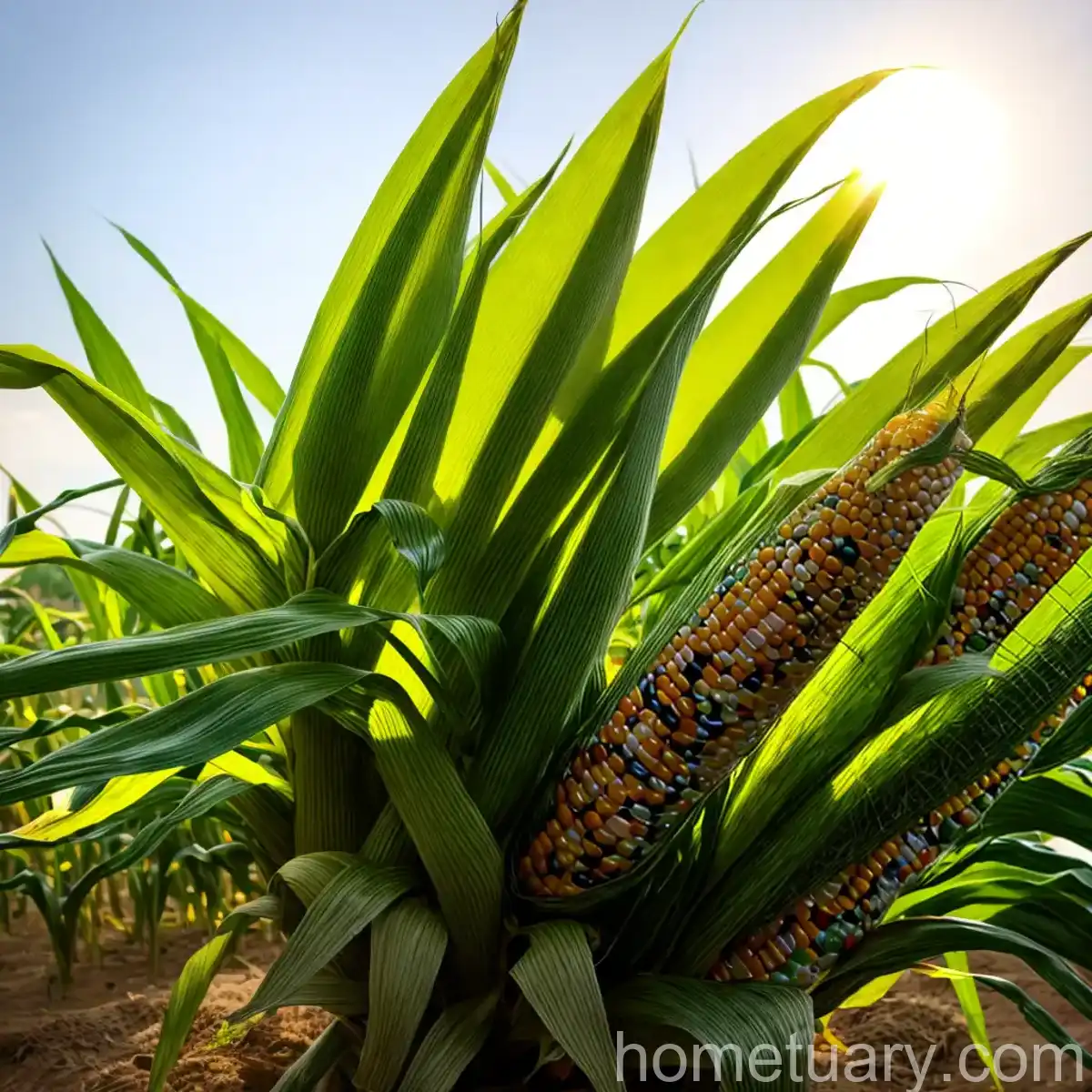
What is Corn (Zea mays)
Corn, scientifically known as Zea mays, is an essential cereal crop that has been cultivated for thousands of years. It belongs to the grass family Poaceae and is widely grown for its kernels, which are used in various forms for human and animal consumption. Corn is a versatile plant with a multitude of uses, and its cultivation plays a significant role in agriculture and food production worldwide.
Key Takeaways – Corn (Zea mays)
- Corn Cultivation: Understanding the cultivation techniques and best practices for growing corn (Zea mays).
- Zea mays Variety: Exploring different varieties of corn and their characteristics.
- Growing Corn: Practical tips for successful corn planting and growth.
- Corn Planting Tips: Key considerations and strategies for planting corn effectively.
- Benefits of Corn: Exploring the nutritional and economic benefits of corn cultivation.
- Corn Nutrition Facts: Understanding the nutritional value of corn and its significance in human and animal diets.
- Zea mays Characteristics: Examining the unique botanical and physiological traits of corn plants.
- Corn Farming Techniques: Best practices and innovative methods for successful corn farming.
- Corn Plant Care: Essential care and maintenance practices for healthy corn plants.
- Corn Plant Diseases: Identification, prevention, and management of common diseases affecting corn crops.
- Best Soil for Corn: Understanding the soil requirements and optimal conditions for growing corn.
- Corn Harvest Season: Factors influencing the timing and methods of corn harvesting.
- Corn Plant Anatomy: Exploring the structure and anatomy of corn plants.
- Corn Pollination Process: Understanding the reproductive process and pollination in corn plants.
- Corn Plant Lifespan: The life cycle and longevity of corn plants.
- Zea mays Growth Stages: The different growth stages of corn plants and their characteristics.
- Corn Pests and Control: Identifying and managing common pests that affect corn crops.
- Corn Plant Propagation: Methods for propagating corn plants and expanding cultivation.
- Corn Plant Water Requirements: Understanding the water needs and irrigation strategies for corn plants.
- Corn Plant Fertilizer Needs: The role of fertilizers in supporting the growth and development of corn plants.
- Corn Plant Pests and Diseases: Managing and controlling pests and diseases that impact corn cultivation.
- Corn Seed Selection: Factors to consider when selecting seeds for corn planting.
- Corn Yield Improvement: Techniques for maximizing corn yield and productivity.
- Corn Crop Rotation: The benefits and principles of crop rotation involving corn.
- Corn Plant Genetics: Understanding the genetic characteristics and variability in corn plants.
- Organic Corn Farming: Practices and principles of organic cultivation for corn crops.
- Corn Varieties for Different Climates: Selecting suitable corn varieties for diverse climatic conditions.
- Corn Plant Root Structure: Exploring the root system and structure of corn plants.
- Corn Silage Production: The process and significance of producing silage from corn plants.
- Corn Plant Growth Inhibitors: Factors and methods influencing the growth regulation of corn plants.
- High-Yield Corn Farming: Strategies and considerations for achieving high yields in corn cultivation.
- Corn Crop Management: Essential management practices for successful corn crop production.
- Corn Plant Growth Stages: Understanding the distinct growth stages and developmental phases of corn plants.
- Corn Seed Germination: The process, conditions, and factors influencing corn seed germination.
- Corn Plant Flowering Process: The reproductive and flowering process in corn plants.
- Insect Pollinators for Corn: Understanding the role of insects in pollinating corn plants.
- Corn Plant Spacing: Optimal spacing and arrangement for planting corn crops.
- Corn Plant Root Depth: The depth and distribution of the root system in corn plants.
- Optimum Temperature for Corn Growth: The ideal temperature conditions for healthy corn plant growth.
- Corn Plant Disease Resistance: Attributes and mechanisms of disease resistance in corn plants.
- Corn Plant Hybridization: Understanding the process and implications of hybridizing corn plants.
- Drought-Tolerant Corn Varieties: Identifying and utilizing corn varieties with drought tolerance.
- Corn Plant Leaf Identification: Recognizing and understanding the characteristics of corn plant leaves.
- Corn Pest Management Techniques: Effective strategies for managing and controlling pests that affect corn crops.
- Common Corn Plant Pests: Identifying and addressing common pests that impact corn cultivation.
- Corn Plant Defoliation: Causes and management of defoliation issues in corn plants.
- Corn Plant Propagation Methods: Methods and techniques for propagating and expanding corn cultivation.
- Corn Plant Canopy Management: Strategies for managing and optimizing the canopy structure of corn plants.
- Nitrogen Fixation in Corn: The role and benefits of nitrogen fixation in the growth of corn plants.
- Corn Plant Adaptation to Different Soils: Understanding the adaptability of corn plants to diverse soil conditions.
Culture of Corn (Zea mays)
Cultivating corn (Zea mays) requires an understanding of its environmental and cultural requirements. By addressing factors such as water, sunlight, soil, and fertilizer, growers can optimize the growth and productivity of their corn crops.
Uses
Corn (Zea mays) is a versatile crop with a wide range of uses, including:
– Human consumption: Corn is consumed as a staple food in many cultures and is used in various forms such as cornmeal, cornflour, and as a vegetable.
– Animal feed: Corn plays a crucial role in animal husbandry as it is commonly used as a feed for livestock, poultry, and aquaculture.
– Industrial applications: Corn is used in the production of biofuels, starch, sweeteners, and various other industrial products.
– Traditional and cultural uses: Corn holds cultural significance in many societies and is used in traditional rituals, ceremonies, and crafts.
Water
Corn Plant Water Requirements
– Adequate water supply is essential for the optimal growth and development of corn plants, especially during the critical stages of tasseling and pollination.
– Water stress during these periods can have a significant impact on yields and kernel formation.
– The water needs of corn plants may vary depending on factors such as soil type, weather conditions, and the stage of growth.
Sunlight
Optimal Sunlight for Corn Growth
– Corn plants require ample sunlight for photosynthesis and overall growth.
– Full sun exposure is preferred for most corn varieties to support healthy and vigorous growth.
– Shading or limited sunlight can affect the productivity and development of corn plants, leading to reduced yields and stunted growth.
Fertilizer
Corn Plant Fertilizer Needs
– A balanced and adequate supply of nutrients is crucial for the successful cultivation of corn plants.
– Corn plants have specific requirements for nitrogen, phosphorus, potassium, and other essential nutrients.
– Fertilizer application should be tailored to the needs of the specific soil and the developmental stage of the corn crop.
Soil
Best Soil for Corn
– Well-drained, fertile soils with good water retention capacity are ideal for corn cultivation.
– Loamy soils with a balanced texture and nutrient content are well-suited for supporting healthy corn crops.
– Soil pH, organic matter content, and nutrient availability are crucial factors to consider when choosing the right soil for growing corn.
Pruning
Pruning is not a common practice in corn cultivation, as the plants do not benefit significantly from traditional pruning techniques. However, the removal of damaged or diseased plant parts may be necessary to maintain overall plant health. Additionally, thinning excess plants and tassels can help improve air circulation and reduce competition for resources, leading to better yields.
Propagation
Corn Plant Propagation
– Corn plants are propagated through seeds, which are sown directly into the soil or growing medium.
– Hybrid corn varieties are commonly used for commercial cultivation, and specific planting techniques are employed to ensure optimal germination and establishment.
Container Popularity
Corn can be grown in containers, particularly for small-scale or urban farming initiatives. While traditional corn cultivation occurs in open fields, container gardening provides an alternative for individuals with limited space or those aiming to grow a small number of corn plants for personal use.
Container Common Diseases
When growing corn in containers, several diseases can affect the plants. Some common diseases to watch out for include:
– Fusarium Ear and Kernel Rots: This fungal disease affects the ear and kernels of corn, leading to rotting and reduced quality.
– Bacterial Leaf Blight: Characterized by water-soaked lesions on the leaves, bacterial leaf blight can impact the overall health and vigor of corn plants.
– Stalk Rots: Various fungal pathogens can cause stalk rots, leading to lodging and reduced stability of the plants.
– Seedling Diseases: Rot and damping off of seedlings can occur in containers, affecting the establishment of young corn plants.
Disease Diagnosis
Diagnosing diseases in corn plants, whether cultivated in containers or traditional fields, involves careful observation and assessment of the symptoms. Common diagnostic methods include visual inspection, laboratory testing, and consultation with agricultural experts. It is essential to accurately identify the specific disease affecting the corn plants to implement appropriate management and control measures.
Common Pests
When cultivating corn (Zea mays), growers may encounter various pests that can impact plant health and yields. Some common pests include:
– Corn Earworm: The larvae of this moth feed on the kernels of corn ears, causing damage and reducing quality.
– Fall Armyworm: These caterpillars can feed on corn leaves and reproductive structures, leading to yield losses.
– Corn Borers: The larvae of certain moth species can bore into the stalks and ears of corn plants, causing structural damage and reducing crop quality.
– Corn Rootworm: These pests can impact the root system of corn plants, affecting their ability to absorb water and nutrients.
Botanist’s Tips
- Soil Preparation: Ensure that the soil is well-prepared and enriched with organic matter to support the healthy growth of corn plants.
- Plant Spacing: Adequate spacing between corn plants is essential to minimize competition and maximize yields.
- Pollination Management: Understanding the pollination process in corn plants and taking measures to ensure successful pollination is crucial for high-quality kernels.
- Disease Monitoring: Regularly monitor corn plants for signs of diseases and implement timely management practices to mitigate their impact.
Fun Facts
- A single corn plant can produce multiple ears, with a typical ear containing 800 kernels on average.
- Corn silk, the delicate threads found on corn ears, serves as the female reproductive structure of the plant.
- Corn is a rich source of carbohydrates, fiber, and essential nutrients, contributing to its significance as a staple food worldwide.
Links to External Resources
- USDA National Institute of Food and Agriculture – Corn Production and Management
- University of Illinois Extension – Growing Corn in the Home Garden
- Purdue University – Corn Production Guide
- Crop Science Society of America – Advances in Corn Cultivation and Genetics
In conclusion, corn (Zea mays) holds immense agricultural, nutritional, and economic significance, and its cultivation requires an understanding of various factors, from environmental conditions to plant care and pest management. By implementing best practices and leveraging scientific knowledge, growers can harness the potential of corn cultivation to contribute to food security and sustainable agriculture globally.