Corn (Zea mays ‘Hopi Purple’): A Comprehensive Guide
Corn, scientifically known as Zea mays ‘Hopi Purple’, holds a significant place in agriculture, culinary traditions, and cultural practices. This versatile plant not only provides nourishment but also serves various other purposes, making it an interesting subject for plant enthusiasts and researchers alike. In this extensive guide, we will delve into the deep realms of corn, exploring its cultivation, uses, characteristics, and much more.
What is Corn (Zea mays ‘Hopi Purple’)?
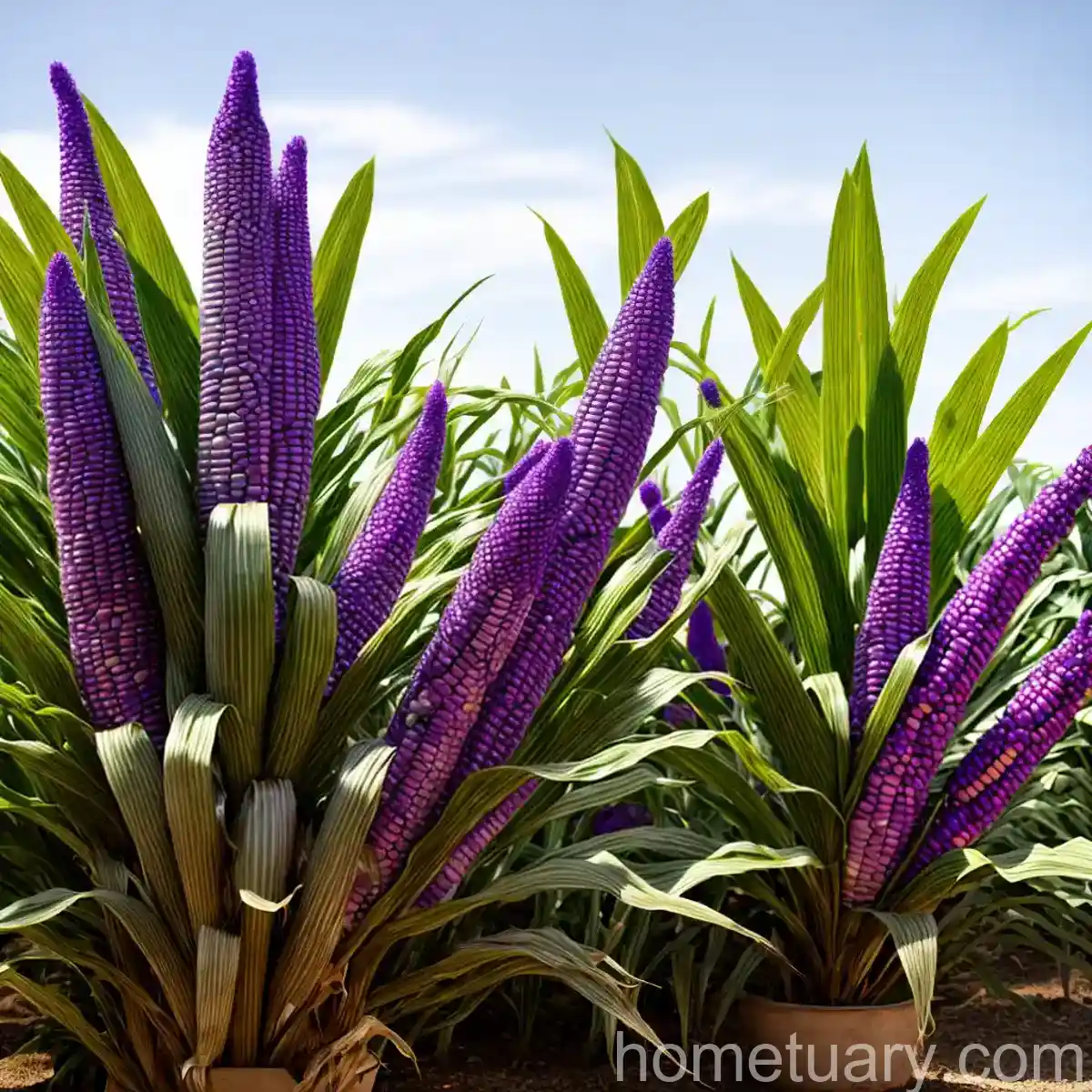
Corn, Zea mays, is a grass in the family Poaceae and is one of the most widely cultivated cereal crops across the world. ‘Hopi Purple’ is a distinct variety of corn known for its deep purple kernels, which make it unique and sought after. This heirloom variety has a rich history and holds cultural significance, especially among Native American tribes such as the Hopi people.
Key Takeaways – Corn (Zea mays ‘Hopi Purple’)
Let’s summarize the key takeaways before delving deeper into each aspect:
- Culture
-
Corn holds cultural significance in many societies, including the Native American Hopi tribe. It plays a vital role in their traditions, rituals, and cuisine.
-
Uses
-
Corn has diverse uses, ranging from culinary purposes to natural dyes and traditional medicine practices.
-
Water
-
Adequate and consistent watering is crucial for the successful growth of ‘Hopi Purple’ corn.
-
Sunlight
-
Full sunlight exposure is essential for robust growth and proper development of corn plants.
-
Fertilizer
-
Corn plants benefit from well-balanced fertilization, particularly with nitrogen, phosphorus, and potassium.
-
Soil
-
‘Hopi Purple’ corn thrives in well-draining, fertile soil with a slightly acidic to neutral pH.
-
Pruning
-
Minimal pruning is required for corn plants, mainly for removing damaged or diseased parts.
-
Propagation
-
Corn is propagated through seeds, and care should be taken to maintain genetic diversity within the variety.
-
Container Popularity
-
Corn can be grown in containers, although it requires adequate space and support due to its tall and robust nature.
-
Common Diseases
-
Corn is susceptible to various diseases such as common rust, northern leaf blight, and southern corn leaf blight.
-
Disease Diagnosis
-
Timely diagnosis and appropriate management strategies are crucial for mitigating the impact of diseases on corn crops.
-
Common Pests
-
Pests like corn earworm, armyworms, and aphids can pose significant threats to corn cultivation.
-
Botanist’s Tips
-
Incorporating diverse planting techniques, companion plants, and sustainable practices can enhance the growth and health of ‘Hopi Purple’ corn plants.
-
Fun Facts
- Corn has a fascinating history, is genetically diverse, and offers a wide array of culinary and traditional uses.
Now, let’s explore each of these aspects in detail to gain a comprehensive understanding of the cultivation and characteristics of ‘Hopi Purple’ corn.
Culture
Native American Significance
Hopi Purple corn holds great cultural and spiritual significance, particularly among the Hopi tribe of the Southwestern United States. The Hopi people have been cultivating this unique variety for generations, and it plays an integral part in their traditions, ceremonies, and daily lives.
The color purple, in the Hopi culture, represents success and abundance. ‘Hopi Purple’ corn, with its deep purple hues, is symbolic of these values and is often used in various rituals and ceremonies. For the Hopi, corn is not just a food source, but a sacred plant that is deeply interwoven with their cultural identity.
Uses
Culinary Purposes
‘Hopi Purple’ corn is not only visually stunning but also adds a burst of color and flavor to culinary creations. Whether used fresh, dried, or ground into flour, the deep purple kernels of this variety elevate the visual appeal of dishes and offer a slightly sweet and nutty flavor.
From traditional cornbread and tortillas to contemporary dishes like purple corn pancakes and desserts, the culinary uses of ‘Hopi Purple’ corn are diverse and exciting. Furthermore, the use of its vibrant purple pigment in food and beverages has gained popularity as a natural food coloring agent, adding a unique touch to various recipes.
Traditional and Medicinal Uses
Apart from its culinary applications, ‘Hopi Purple’ corn also finds its place in traditional medicine practices. The deep purple color of the kernels indicates the presence of anthocyanins, which are potent antioxidants known for their health-promoting properties. In traditional medicine, corn and its by-products are used to prepare remedies for various ailments, leveraging its nutritional and medicinal value.
Natural Dye
The remarkable deep purple hue of ‘Hopi Purple’ corn has been historically used as a natural dye by the Hopi and other Native American tribes. The color extracted from the corn has been employed in the creation of vibrant textiles and artworks, establishing its significance beyond just a food source.
Water
Watering Requirements
Proper and consistent watering is essential for the successful cultivation of ‘Hopi Purple’ corn. Adequate moisture levels during the growing season are crucial for robust growth, pollination, and kernel development. While corn is relatively drought-tolerant once established, consistent watering, especially during the tasseling and silking stages, supports optimal yield and kernel development.
Sunlight
Sunlight Needs
As with most cereal crops, corn thrives in full sunlight. To maximize photosynthesis and ensure proper development, ‘Hopi Purple’ corn should receive approximately 6-8 hours of direct sunlight each day. Adequate sunlight exposure promotes sturdy stalks, robust growth, and optimal kernel fill, contributing to a successful harvest.
Fertilizer
Fertilization Guidelines
Fertilization plays a pivotal role in the growth and development of ‘Hopi Purple’ corn plants. A well-balanced fertilizer, rich in nitrogen, phosphorus, and potassium, supports robust vegetative growth, strong root development, and optimal kernel formation.
Fertilization Tips for ‘Hopi Purple’ Corn:
-
Nitrogen: An initial application of nitrogen-based fertilizer at planting, followed by side-dressing during the early stages of growth, supports vigorous foliage development and overall plant health.
-
Phosphorus: Phosphorus is vital for root development and early growth. Incorporating a phosphorus-rich fertilizer at planting enhances establishment and early root growth.
-
Potassium: Potassium contributes to stress tolerance and overall plant vigor. Ensuring the availability of potassium throughout the growing season supports the development of strong stalks and optimal kernel fill.
Soil
Soil Requirements
The quality of the soil profoundly influences the growth and yield of ‘Hopi Purple’ corn. Well-draining, fertile soil with a slightly acidic to neutral pH is ideal for cultivating this variety. A soil rich in organic matter provides essential nutrients and promotes healthy root development, thereby contributing to robust plant growth and successful yield.
Characteristics of Ideal Soil for ‘Hopi Purple’ Corn:
-
Well-Draining: Soil with good drainage prevents waterlogging, which can be detrimental to corn plants, especially during the early stages of growth.
-
Fertile: Nutrient-rich soil supports vigorous growth and helps prevent nutrient deficiencies, ultimately enhancing yield and kernel quality.
-
Optimal pH: A slightly acidic to neutral pH range (6.0-7.0) promotes nutrient availability and ensures that the soil does not hinder the uptake of essential minerals.
Pruning
Pruning Practices
While minimal pruning is required for corn plants, particularly ‘Hopi Purple’, removing damaged or diseased parts can prevent the spread of diseases and promote overall plant health. Regular scouting of the crop for any signs of disease or damage is essential, and prompt action, such as targeted pruning, should be taken to mitigate potential risks.
Propagation
Propagation Methods
‘Hopi Purple’ corn is primarily propagated through seeds. Preserving genetic diversity within the variety is crucial for maintaining its unique characteristics and promoting resilience to environmental stressors and diseases. Careful selection and storage of seeds, along with appropriate isolation to prevent cross-pollination with other corn varieties, support the preservation of the ‘Hopi Purple’ lineage.
Container Popularity
Cultivating ‘Hopi Purple’ Corn in Containers
While corn is traditionally grown in open fields, it is possible to cultivate ‘Hopi Purple’ corn in containers, provided certain requirements are met. It’s important to note that due to its tall and robust nature, corn plants require ample space and structural support when grown in containers.
Considerations for Container Cultivation:
-
Container Size: Select large containers with sufficient depth and capacity to accommodate the extensive root system of corn plants.
-
Support Structures: Staking or providing structural support is essential to prevent the plants from leaning or toppling over as they grow.
-
Soil Quality: Ensure the use of nutrient-rich, well-draining soil mix that promotes healthy root development and overall plant growth.
Common Diseases
Susceptibility to Diseases
‘Hopi Purple’ corn, like other corn varieties, is susceptible to a range of diseases that can impact its growth and yield if not managed effectively. Common corn diseases include:
-
Common Rust: A fungal disease characterized by orange to brown pustules on the leaves, which can lead to reduced photosynthetic capacity and overall plant vigor.
-
Northern Leaf Blight: This disease presents as cigar-shaped lesions on the leaves, potentially leading to significant yield losses if left unaddressed.
-
Southern Corn Leaf Blight: Similar to northern leaf blight, this disease can cause substantial damage to the foliage and affect the overall health of the plant.
Disease Diagnosis
Timely Identification and Management
Timely diagnosis of diseases is crucial for implementing effective management strategies to minimize their impact. Regular monitoring of the crop for any signs of discoloration, lesions, or unusual growth patterns can aid in early detection of potential diseases. Once diagnosed, appropriate measures such as cultural practices, fungicidal treatments, and resistant varieties can be employed to manage and mitigate the spread of diseases.
Common Pests
Potential Threats to Corn Plants
Several pests pose significant threats to ‘Hopi Purple’ corn and should be monitored closely to prevent any substantial damage. Common corn pests include:
-
Corn Earworm: The larvae of this pest can cause damage to the kernels, affecting yield and overall quality.
-
Armyworms: These pests can defoliate plants and cause significant damage if their populations are not managed effectively.
-
Aphids: Aphids can impact plant vigor and transmit viral diseases, requiring prompt intervention to prevent widespread infestations.
Botanist’s Tips
Enhancing Corn Plant Growth
Incorporating diverse planting techniques, companion plants, and sustainable practices can enhance the growth and health of ‘Hopi Purple’ corn plants. Here are some tips for successful cultivation:
-
Companion Planting: Pairing corn with compatible companion plants such as beans and squash can promote mutual benefits, including nutrient sharing and pest management.
-
Crop Rotation: Implementing a rotation schedule to avoid planting corn in the same area in consecutive seasons can help reduce disease pressure and maintain soil health.
-
Sustainable Practices: Practices such as mulching, water conservation, and integrated pest management contribute to sustainable corn cultivation and support environmentally friendly agricultural methods.
Fun Facts
Fascinating Aspects of ‘Hopi Purple’ Corn
-
Genetic Diversity: ‘Hopi Purple’ corn encompasses a rich genetic diversity, reflecting centuries of cultivation and adaptation to diverse environmental conditions.
-
Historical Significance: The cultivation and use of ‘Hopi Purple’ corn are deeply rooted in history, tracing back to the agricultural practices of ancient civilizations and indigenous communities.
-
Culinary and Cultural Relevance: ‘Hopi Purple’ corn offers a tapestry of culinary, cultural, and traditional uses, shaping its significance beyond just a crop and intertwining with the identity of communities.
Links to External Resources
For further information on ‘Hopi Purple’ corn and related topics, you may find the following resources helpful:
- Hopi Purple Corn: History, Uses, and Cultivation
- Cultivating Zea mays ‘Hopi Purple’: A Comprehensive Guide
- Traditional Uses and Significance of Purple Corn in Native American Culture
- Managing Common Pests and Diseases in Corn Cultivation
- Nutritional and Medicinal Properties of Zea mays ‘Hopi Purple’
In conclusion, ‘Hopi Purple’ corn, with its vibrant hues, cultural significance, and diverse applications, serves as a testament to the profound relationship between humans and plants. Its cultivation offers not just sustenance, but also a connection to history, traditions, and the intricate tapestry of nature’s offerings.
In the many shades of purple that adorn our world, ‘Hopi Purple’ corn stands as a vivid symbol of resilience, nourishment, and the cultural heritage it embodies.