The Fascinating World of Corn (Zea mays ‘Hopi Turquoise’)
Introduction
Corn, scientifically known as Zea mays, is one of the most widely cultivated crops worldwide. It has been a staple food for various cultures for thousands of years and has also found diverse applications beyond its culinary uses. Among the multitude of corn varieties, the Zea mays ‘Hopi Turquoise’ stands out for its distinct characteristics and cultural significance.
In this comprehensive guide, we’ll delve into the cultivation, maintenance, and cultural significance of corn, focusing on the unique attributes of the Zea mays ‘Hopi Turquoise’ variety. We’ll explore its growth stages, nutritional benefits, folklore, and much more, providing valuable insights for both seasoned gardeners and enthusiastic beginners.
What is Corn (Zea mays ‘Hopi Turquoise’)?
Description
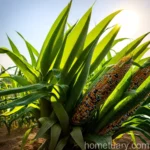
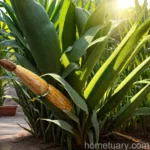
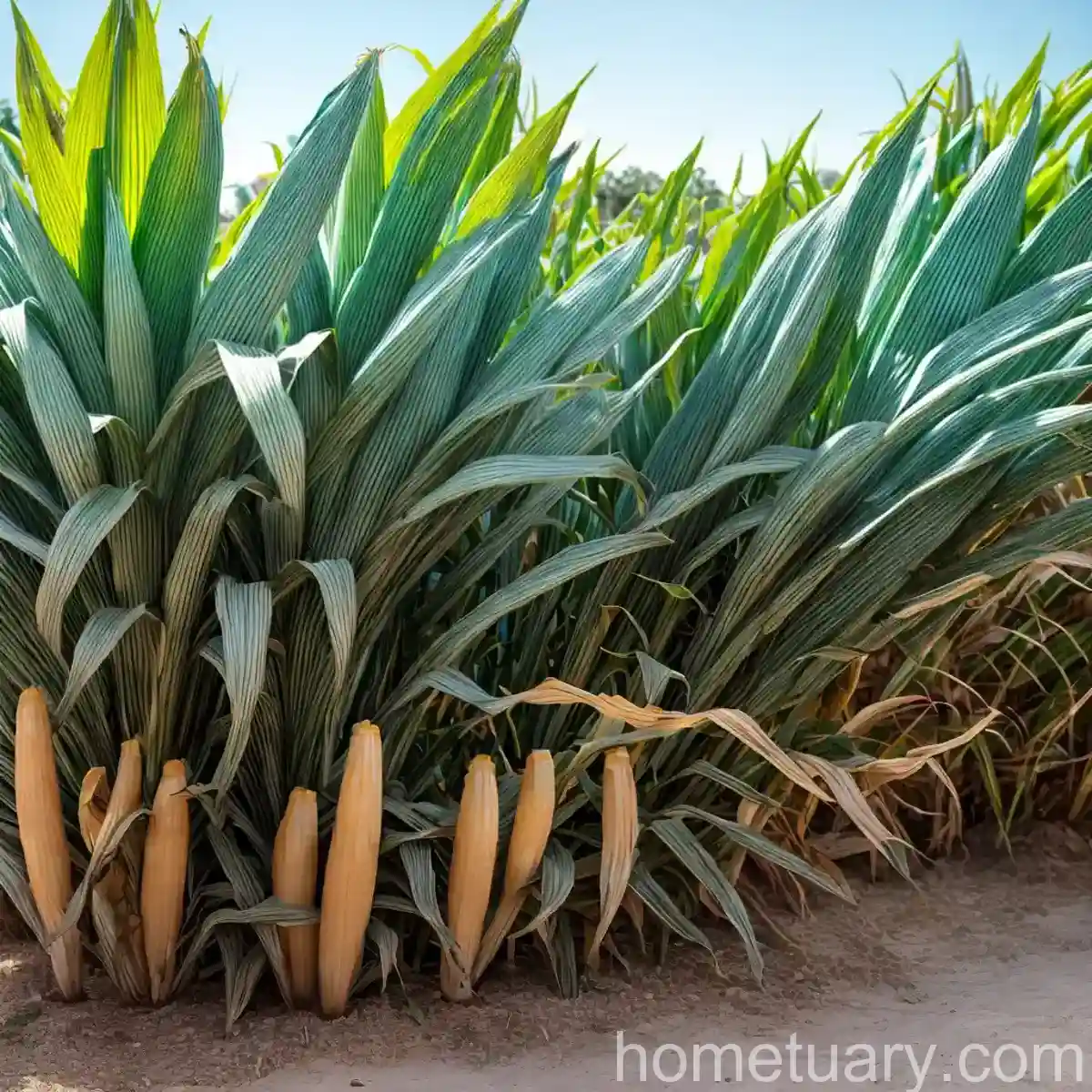
The Zea mays ‘Hopi Turquoise’ is a particularly striking variety of corn, renowned for its vibrant, jewel-toned kernels. This heirloom variety is deeply interwoven with the traditions and folklore of the Hopi Native American tribe, adding cultural significance to its botanical allure. The ears of corn feature shades of blue and purple, creating a visually captivating addition to any garden or agricultural landscape.
Historical Significance
Historically, corn has been a crucial component of Native American agriculture, diet, and cultural practices. The Hopi tribe, renowned for their sustainable farming methods in arid environments, have treasured the ‘Hopi Turquoise’ corn for generations. Its captivating appearance and symbolic value make it a cherished heritage crop, embodying the resilience and traditions of the Hopi people.
Culinary and Cultural Uses
Aside from its aesthetic appeal, the Zea mays ‘Hopi Turquoise’ variety is revered for its culinary versatility. The kernels can be incorporated into a myriad of dishes, from traditional cornbread and masa for tortillas to vibrant, nutrient-rich salads. Beyond its consumption, this corn variety holds ceremonial importance in the cultural rituals of the Hopi tribe, serving as a symbol of sustenance and spiritual nourishment.
Key Takeaways – Corn (Zea mays ‘Hopi Turquoise’)
Before delving deeper into the cultivation and maintenance of the Zea mays ‘Hopi Turquoise’ corn, let’s outline the key takeaways that will guide our exploration:
- Corn Benefits: Exploring the nutritional and cultural significance of Zea mays ‘Hopi Turquoise’ corn.
- Growing Hopi Turquoise Corn: Understanding the cultivation techniques and growth stages specific to this heirloom variety.
- Zea mays Varieties: Delving into the diverse array of corn varieties, with a focus on the ‘Hopi Turquoise’ variant.
- Hopi Turquoise Corn Maintenance: Learning about the specific care and maintenance requirements of this unique corn variety.
- Corn Cultivation Tips: Providing insights and tips for successfully cultivating and harvesting ‘Hopi Turquoise’ corn.
- Hopi Turquoise Corn Nutrition: Understanding the nutritional composition and health benefits of this heirloom corn.
- Growing Organic Corn: Exploring organic cultivation methods and their relevance to Zea mays ‘Hopi Turquoise’.
- Zea mays Growth Stages: Understanding the distinct growth stages of corn, particularly in the context of ‘Hopi Turquoise’ variety.
- Hopi Turquoise Corn Characteristics: Identifying the unique characteristics and traits that define this corn variety.
- Corn Planting Techniques: Exploring best practices for planting ‘Hopi Turquoise’ corn and ensuring optimal growth.
- Zea mays Pest Control: Discussing effective pest management strategies for safeguarding ‘Hopi Turquoise’ corn.
- Hopi Turquoise Corn Harvesting: Outlining the ideal harvesting methods and timing for this heirloom corn.
- Corn Nutrition Facts: Offering detailed insights into the nutritional profile and health benefits of Zea mays ‘Hopi Turquoise’.
- Zea mays Gardening: Exploring the role of ‘Hopi Turquoise’ corn in garden landscapes and its ornamental value.
- Hopi Turquoise Corn Seeds: Addressing the significance of preserving and propagating the seeds of this unique corn variety.
- Corn Plant Care: Providing comprehensive guidance on nurturing and caring for Zea mays ‘Hopi Turquoise’ plants.
- Zea mays Heirloom Varieties: Understanding the broader category of heirloom corn varieties and their preservation.
- Hopi Turquoise Corn History: Unveiling the historical and cultural narrative surrounding the ‘Hopi Turquoise’ corn.
- Corn Pollination Process: Highlighting the pivotal role of pollination in the cultivation of ‘Hopi Turquoise’ corn.
- Zea mays Diseases: Identifying and addressing potential diseases that may affect ‘Hopi Turquoise’ corn.
- Hopi Turquoise Corn Yield: Understanding the expected yield and productivity of this corn variety.
- Corn Farming Techniques: Exploring efficient and sustainable farming methods specific to ‘Hopi Turquoise’ corn.
- Zea mays Soil Requirements: Detailing the soil preferences and requirements for cultivating healthy ‘Hopi Turquoise’ corn.
- Hopi Turquoise Corn Germination: Outlining the germination process and factors influencing successful sprouting.
- Corn Crop Rotation: Discussing the role of crop rotation in maintaining soil fertility and overall plant health for ‘Hopi Turquoise’ corn.
- Zea mays Plant Spacing: Providing insights into optimal plant spacing for maximizing yield and growth of ‘Hopi Turquoise’ corn.
- Hopi Turquoise Corn Cooking Methods: Exploring diverse culinary uses and preparation methods for this unique corn variety.
- Corn Growing Season: Understanding the seasonal requirements and growth patterns specific to ‘Hopi Turquoise’ corn.
- Zea mays Hybrid Varieties: Discussing the concept of hybrid corn varieties and their relevance to the ‘Hopi Turquoise’ variant.
- Hopi Turquoise Corn Folklore: Delving into the rich folklore and cultural significance associated with this corn variety.
- Corn Seed Saving: Highlighting the importance of seed preservation and techniques for saving ‘Hopi Turquoise’ corn seeds.
- Zea mays Watering Needs: Addressing the watering requirements and irrigation practices for ‘Hopi Turquoise’ corn.
- Hopi Turquoise Corn Cultural Significance: Exploring the symbolic and cultural significance of this heirloom corn within the Hopi tribe.
- Corn Companion Planting: Discussing compatible companion plants for ‘Hopi Turquoise’ corn and their benefits.
- Zea mays Sun Exposure: Understanding the sunlight requirements and optimal exposure for nurturing ‘Hopi Turquoise’ corn.
- Hopi Turquoise Corn Folklore: Delving deeper into the captivating folklore and stories surrounding this unique corn variety.
- Corn Plant Diseases: Identifying potential diseases and ailments that may impact the health of ‘Hopi Turquoise’ corn.
- Zea mays Fertilization Techniques: Outlining effective fertilization methods tailored to the specific needs of ‘Hopi Turquoise’ corn.
- Hopi Turquoise Corn Traditional Uses: Exploring the traditional and cultural uses of this heirloom corn within the Hopi community.
- Corn Harvest Time: Identifying the optimal timing and methods for harvesting ‘Hopi Turquoise’ corn.
- Zea mays Maturity Period: Understanding the growth timeline and maturity period specific to ‘Hopi Turquoise’ corn.
- Hopi Turquoise Corn Drought Tolerance: Addressing the drought tolerance and adaptive traits of this heirloom corn variety.
- Corn Crop Management: Discussing efficient management practices essential for the health and productivity of ‘Hopi Turquoise’ corn.
- Zea mays Culinary Uses: Exploring the culinary versatility and applications of ‘Hopi Turquoise’ corn in traditional dishes.
- Hopi Turquoise Corn Spiritual Significance: Understanding the spiritual and symbolic value attributed to this corn variety within the Hopi culture.
- Corn Plant Pests: Identifying common pests and implementing pest control measures specific to ‘Hopi Turquoise’ corn.
- Zea mays Seed Storage: Discussing optimal storage practices for preserving the viability of ‘Hopi Turquoise’ corn seeds.
- Hopi Turquoise Corn Folklore Stories: Unveiling the captivating folklore narratives and stories associated with this unique corn variety.
- Corn Plant Propagation: Exploring propagation methods and techniques for expanding the cultivation of ‘Hopi Turquoise’ corn.
- Zea mays Traditional Farming Methods: Delving into traditional farming practices and their relevance to cultivating ‘Hopi Turquoise’ corn.
With these key takeaways in mind, let’s embark on an enlightening journey into the world of Zea mays ‘Hopi Turquoise’ corn, uncovering its biological intricacies, cultural significance, and practical cultivation techniques.
Culture
Cultivation History
The Origins of Corn Cultivation
The cultivation of Zea mays, or corn, traces back over 9,000 years to its origins in southern Mexico. Over time, corn became a central element in the agricultural practices of civilizations such as the Mayans and the Aztecs, spreading to various regions and evolving into diverse varieties.
Cultural Relevance of Corn
The cultural significance of corn extends beyond its utilitarian value, encompassing spiritual, ceremonial, and culinary dimensions. For numerous indigenous communities, including the Hopi tribe, corn holds deep cultural roots and is intricately tied to creation stories, agricultural rituals, and communal traditions.
Traditional Practices
Sustainable Farming Methods
The Hopi people have been revered for their sustainable agriculture in the arid regions of Arizona, where water is a scarce resource. Their cultivation of ‘Hopi Turquoise’ corn involves time-honored practices that emphasize symbiosis with nature and prudent water management, reflecting the tribe’s profound respect for the land and its resources.
Ceremonial Significance
Corn plays an integral role in the spiritual and ceremonial practices of the Hopi tribe, symbolizing abundance, fertility, and sustenance. The ‘Hopi Turquoise’ corn, with its vivid hues and ancestral heritage, holds a revered position in these rituals, embodying the enduring connections between the Hopi people and the land they inhabit.
Modern Context
Preservation Efforts
In contemporary society, efforts to preserve heirloom varieties such as Zea mays ‘Hopi Turquoise’ are vital in safeguarding biodiversity and cultural heritage. Initiatives aimed at documenting traditional knowledge and promoting the cultivation of heirloom crops contribute to the continuity of agricultural traditions and the conservation of genetic diversity.
Culinary Renaissance
The culinary world has also witnessed a resurgence of interest in heirloom and indigenous crops, propelling the ‘Hopi Turquoise’ corn into the spotlight. Chefs, food enthusiasts, and advocates of sustainable agriculture recognize the value of preserving heritage crops and integrating them into diverse, flavorful culinary creations.
Uses
Culinary Applications
Nutritional Composition
Zea mays ‘Hopi Turquoise’ boasts a rich nutritional profile, offering an array of essential nutrients, including carbohydrates, dietary fiber, and antioxidants. The vibrant coloring of the kernels is attributed to the presence of anthocyanins, potent antioxidants with potential health benefits.
Traditional Dishes
The kernels of ‘Hopi Turquoise’ corn are prized for their versatility in traditional Hopi dishes, such as piki bread, a delicate and intricately prepared staple of the Hopi cuisine. The cornmeal derived from ‘Hopi Turquoise’ corn also contributes to the creation of robust, flavorful tortillas.
Contemporary Culinary Exploration
Beyond its traditional uses, ‘Hopi Turquoise’ corn has emerged as an inspiring ingredient for contemporary chefs and culinary enthusiasts, featuring in vibrant salads, visually captivating side dishes, and artisanal crafted products that celebrate its unique flavor and aesthetic appeal.
Cultural Significance
Ceremonial Role
In the context of Hopi spirituality and traditional ceremonies, the ‘Hopi Turquoise’ corn holds profound significance, symbolizing the enduring connections between the Hopi people, the land, and the divine forces believed to sustain life and fertility.
Artistic Expression
The striking beauty of ‘Hopi Turquoise’ corn has inspired artistic expressions within the Hopi community, serving as a muse for intricate craftwork and symbolic representations in visual arts, storytelling, and ceremonial regalia.
Water
Water Requirements
Optimal Moisture Levels
In its early growth stages, ‘Hopi Turquoise’ corn requires consistent moisture to support robust germination and establishment. Adequate watering during this phase is crucial for nurturing healthy, vigorous seedlings.
Efficient Water Management
As the corn plants mature, balancing water supply becomes essential, especially in arid climates. The sustainable farming practices of the Hopi people have honed efficient water management techniques that sustain thriving ‘Hopi Turquoise’ corn crops with minimal environmental impact.
Irrigation Techniques
Traditional Methods
The traditional irrigation methods employed by the Hopi tribe include the use of ollas, clay pots buried in the soil near the plants, which gradually release water to the roots. This age-old technique reflects the resourcefulness and astute environmental stewardship of the Hopi people.
Modern Innovations
Contemporary irrigation practices, such as drip irrigation and rainwater harvesting, can also be adapted to suit the water requirements of ‘Hopi Turquoise’ corn, aligning with the principles of sustainable agriculture and water conservation.
Sunlight
Sun Exposure
Sunlight Requirements
Zea mays ‘Hopi Turquoise’ flourishes in full sunlight, thriving under the direct rays of the sun. The ample sunlight is vital for promoting robust photosynthesis, supporting steady growth, and enriching the vibrant coloring of the corn kernels.
Optimal Positioning
When cultivating ‘Hopi Turquoise’ corn, ensuring that the plants receive ample solar exposure is essential for their overall health and productivity. Strategically positioning the corn crop to harness maximum sunlight optimizes the plants’ potential for abundant yields.
Solar Symbiosis
Within the context of Hopi agricultural traditions, the sun holds profound symbolic and practical significance, embodying life-giving energy and serving as a guiding force for sustainable farming practices that nurture the ‘Hopi Turquoise’ corn and sustain the community.
Fertilizer
Nutrient Requirements
Soil Enrichment
Prior to planting ‘Hopi Turquoise’ corn, enriching the soil with organic matter and balanced fertilizers fortifies the substrate with essential nutrients, fostering a fertile environment for the corn’s growth and development.
Organic Amendments
In alignment with the principles of natural and sustainable agriculture, the Hopi people utilize organic soil amendments derived from traditional sources, such as compost, ash, and natural minerals, to nourish the soil and support the vitality of ‘Hopi Turquoise’ corn.
Balanced Nutrition
Nutrient Uptake
Providing a comprehensive array of essential nutrients through well-balanced fertilization promotes vigorous growth, sturdy stalks, and robust foliage, enabling ‘Hopi Turquoise’ corn to reach its full genetic potential and yield an abundant harvest.
Sustainable Practices
In harmony with their reverence for the land and its resources, the Hopi tribe implements sustainable fertilization practices that align with the natural cycles of the earth, cultivating ‘Hopi Turquoise’ corn in a manner that sustains the soil’s fertility, biodiversity, and long-term viability.
Soil
Soil Composition
Ideal Soil Type
Zea mays ‘Hopi Turquoise’ thrives in well-draining, fertile soils with a loamy texture, providing a balanced environment for robust root development and optimal nutrient uptake. Ensuring that the soil composition aligns with these preferences is essential for cultivating healthy ‘Hopi Turquoise’ corn.
Native Soil Adaptation
The traditional knowledge of the Hopi people encompasses an intimate understanding of the local soils and their capabilities. By leveraging this knowledge, the cultivation of ‘Hopi Turquoise’ corn harmonizes with the unique characteristics of the land, enhancing its adaptability and resilience in the arid southwestern landscapes.
Pruning
Maintenance Practices
Minimal Pruning
The cultivation of ‘Hopi Turquoise’ corn generally necessitates minimal pruning, as the plants’ natural growth tendencies contribute to the optimal development of ears and kernels. Removal of dead or diseased foliage can promote airflow and prevent disease proliferation among the corn plants.
Cultural Considerations
Within the context of the Hopi culture, the approach to plant maintenance reflects an ethos of respect and harmony with the natural world, emphasizing minimal intervention that preserves the integrity and vitality of ‘Hopi Turquoise’ corn in alignment with traditional values.
Propagation
Seed Preservation
Heritage Seed Saving
The preservation of ‘Hopi Turquoise’ corn seeds holds profound cultural significance, serving as a means of safeguarding ancestral agricultural traditions, nurturing genetic diversity, and sustaining the spiritual and practical connections between the Hopi people and their revered corn variety.
Community Involvement
The communal aspect of seed preservation and propagation within the Hopi tribe fosters a sense of shared responsibility and stewardship, strengthening the bonds of kinship and tradition while empowering future generations to perpetuate the legacy of ‘Hopi Turquoise’ corn.
Container Culture
Potted Plant Care
Container Considerations
While ‘Hopi Turquoise’ corn is traditionally grown in open fields, it can also thrive in large containers, provided that the vessels offer ample space for root expansion, well-draining soil, and optimal sun exposure to support healthy growth and development.
Urban Agriculture
The versatility of container cultivation enables ‘Hopi Turquoise’ corn to transcend geographical limitations, allowing urban dwellers and enthusiasts with limited outdoor space to engage in the cultivation of this esteemed heirloom variety, thereby fostering a connection to agricultural heritage and sustainable food practices.
Popularity
Growing Interest
Enthusiastic Adoption
The distinctive allure and cultural resonance of Zea mays ‘Hopi Turquoise’ have sparked a growing interest in its cultivation among gardeners, conservationists, and advocates of heritage crops, contributing to the resurgence of this cherished heirloom variety.
Culinary Renown
As ‘Hopi Turquoise’ corn graces an increasing number of culinary creations and cultural events, its popularity continues to ascend, drawing attention to its captivating appearance, rich cultural heritage, and culinary versatility that transcends traditional and contemporary culinary landscapes.
Conservation Efforts
Preservation Initiatives
Various organizations, botanical gardens, and agricultural programs have embraced the imperative of conserving heirloom crops such as ‘Hopi Turquoise’ corn, championing initiatives that celebrate cultural diversity, sustainable agriculture, and the irreplaceable legacy of indigenous crop varieties.
Common Diseases
Disease Diagnosis
Vigilant Observation
While ‘Hopi Turquoise’ corn displays resilience against common ailments, vigilant monitoring of the plants for signs of disease, including discolored foliage, lesions, or stunted growth, is imperative for early diagnosis and swift intervention.
Sustainable Solutions
The holistic approach to plant health maintenance within the Hopi agricultural traditions integrates natural remedies, beneficial companion planting, and sound soil management practices to mitigate disease risks and bolster the vitality of ‘Hopi Turquoise’ corn.
Disease Management
Preventive Practices
Soil Health
Maintaining soil fertility and balance through organic amendments and sustainable agricultural practices serves as a foundational measure for fortifying ‘Hopi Turquoise’ corn against the onset of soil-borne diseases and imbalances.
Crop Rotation
Strategic crop rotation strategies, a long-standing agricultural tradition within the