Rock Soapwort (Saponaria Ocymoides)
Rock Soapwort, scientifically known as Saponaria ocymoides, is a delightful and versatile perennial plant that has been capturing the hearts of gardeners.
Introduction
Rock Soapwort, scientifically known as Saponaria ocymoides, is a delightful and versatile perennial plant that has been capturing the hearts of gardeners and plant enthusiasts for centuries. Its charming appearance, low-maintenance nature, and a plethora of cultural and medicinal uses make it an outstanding addition to any garden. In this comprehensive guide, we will delve into the fascinating world of Rock Soapwort. From its cultural requirements to its uses, from propagation techniques to common diseases and pests, this guide will provide you with all the essential knowledge to cultivate and care for this remarkable plant.
What is Rock Soapwort (Saponaria ocymoides)?
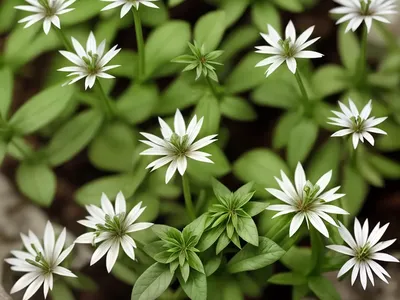
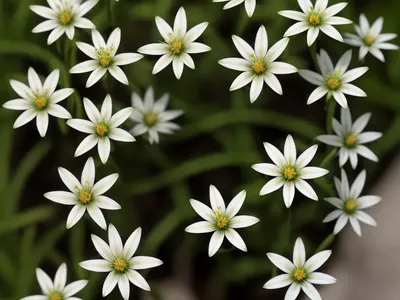
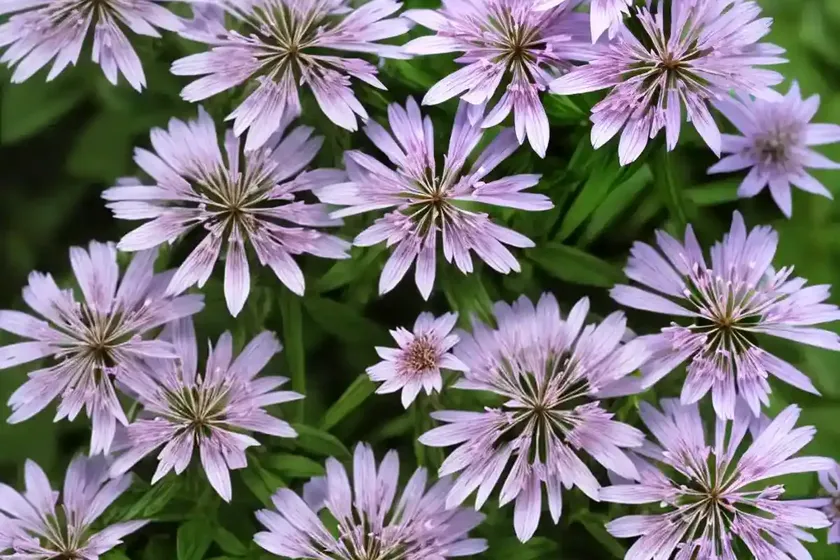
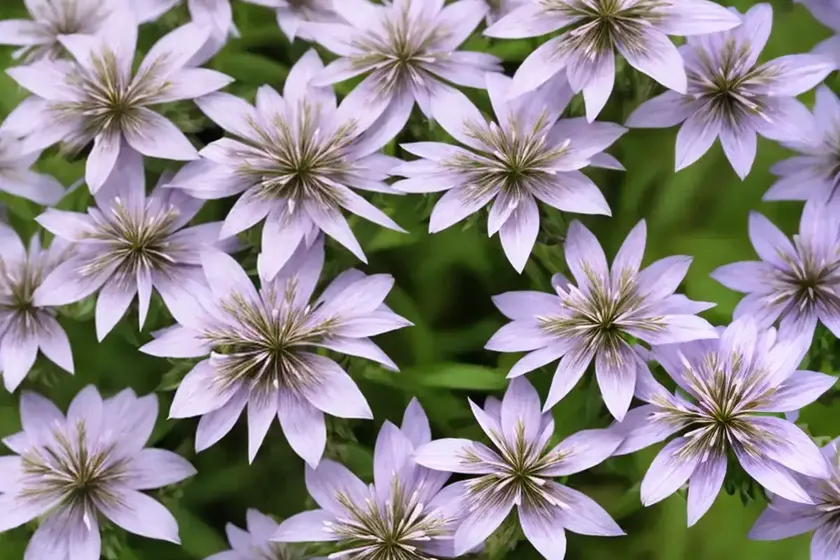
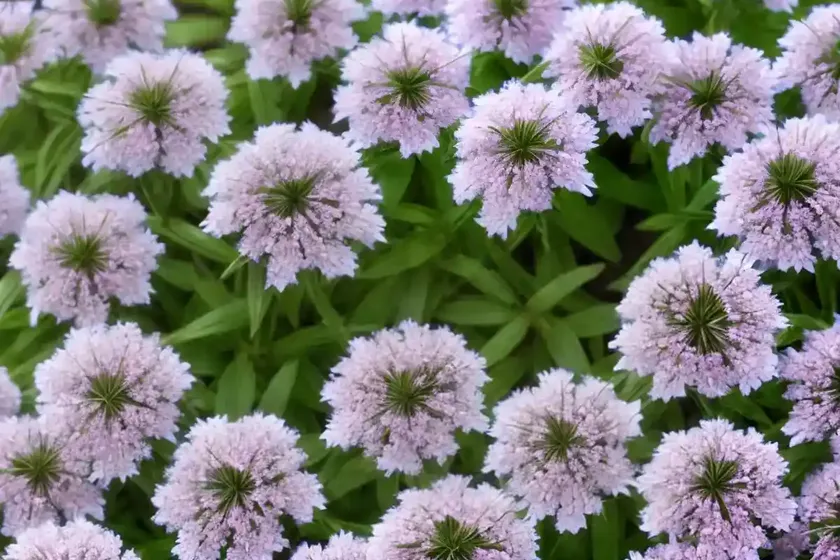
Rock Soapwort, or Saponaria ocymoides, belongs to the Caryophyllaceae family and is native to Southern Europe. It is a low-growing, spreading perennial with masses of tiny, fragrant, pink flowers. This plant blooms profusely from late spring to early summer, adding a splash of color to rock gardens, borders, and containers. The thin, slightly hairy, deep green leaves are semi-evergreen, retaining their color and providing an attractive ground cover throughout the year.
Key Takeaways – Rock Soapwort (Saponaria ocymoides)
Before we delve into the specific details, let’s briefly outline the key takeaways that will be covered in this guide. These points will serve as a roadmap for our discussion, ensuring that we cover all essential aspects of Rock Soapwort.
- Rock soapwort benefits
- Saponaria ocymoides plant
- Rock soapwort characteristics
- Saponaria ocymoides care guide
- Rock soapwort uses
- Saponaria ocymoides medicinal properties
- Rock soapwort growing tips
- Saponaria ocymoides natural remedy
- Rock soapwort propagation methods
- Saponaria ocymoides gardening
- Rock soapwort maintenance
- Saponaria ocymoides landscape plant
- Rock soapwort planting guide
- Saponaria ocymoides groundcover
- Rock soapwort drought-tolerant plant
- Saponaria ocymoides perennial
- Rock soapwort flowering period
- Saponaria ocymoides companion plants
- Rock soapwort soil requirements
- Saponaria ocymoides sun exposure
- Rock soapwort water needs
- Saponaria ocymoides growth habit
- Rock soapwort pruning techniques
- Saponaria ocymoides colorful blooms
- Rock soapwort low-maintenance plant
- Saponaria ocymoides native habitat
- Rock soapwort wildlife attractant
- Saponaria ocymoides decorative plant
- Rock soapwort ground-hugging foliage
- Saponaria ocymoides spring bloomer
- Rock soapwort fall coloration
- Saponaria ocymoides border plant
- Rock soapwort erosion control
- Saponaria ocymoides rock garden plant
- Rock soapwort pollinator-friendly
- Saponaria ocymoides herbaceous perennial
- Rock soapwort insect repellent
- Saponaria ocymoides fragrant flowers
- Rock soapwort natural edging
- Saponaria ocymoides creeping plant
- Rock soapwort species information
- Saponaria ocymoides groundcover plant
- Rock soapwort alpine garden choice
- Saponaria ocymoides soil pH preferences
- Rock soapwort ornamental foliage
- Saponaria ocymoides evergreen perennial
- Rock soapwort border plant
- Saponaria ocymoides nectar source
- Rock soapwort shade tolerance
- Saponaria ocymoides drought-resistant plant
Now, let’s delve into each of these aspects of Rock Soapwort in greater detail.
Culture
Rock Soapwort is a versatile plant that can thrive in various cultural conditions. Understanding its requirements is crucial for successfully cultivating this beautiful perennial.
Uses
Ornamental Use
Rock Soapwort is primarily cultivated for its ornamental value. Its low-growing, spreading habit and charming pink flowers make it an excellent choice for rock gardens, borders, and containers. The plant’s ability to form a dense, attractive ground cover also adds to its appeal in landscaping.
Medicinal Use
In addition to its ornamental uses, Rock Soapwort has a history of medicinal use. It has been traditionally employed for its diuretic, expectorant, and antiseptic properties. The plant contains saponins, which are chemical compounds known for their foaming properties and potential health benefits. However, it is important to consult with a healthcare professional before using Rock Soapwort for medicinal purposes.
Water
Rock Soapwort thrives in well-drained soil and prefers to be kept moderately moist. However, it is crucial to avoid waterlogging, as this can lead to root rot and other detrimental conditions. Regular watering during dry periods is recommended, but it is important to allow the soil to dry slightly between waterings.
Sunlight
This resilient plant thrives in full sunlight to partial shade. Adequate sunlight is essential for promoting healthy growth and abundant flowering. In regions with hot summers, providing some afternoon shade can be beneficial to prevent the plant from becoming stressed.
Fertilizer
Rock Soapwort generally does not have high fertilizer requirements. A light application of a balanced, all-purpose fertilizer in early spring can support healthy growth and flowering. Over-fertilizing should be avoided, as it can lead to excessive foliage growth at the expense of flowers.
Soil
Rock Soapwort prefers well-drained, slightly alkaline soil. It can tolerate a range of soil types, including sandy and loamy soils. Ensuring good drainage is essential, as the plant is susceptible to root rot in waterlogged conditions. A neutral to slightly alkaline soil pH is ideal for promoting optimal growth.
Pruning
Pruning is not generally required for Rock Soapwort. However, deadheading spent flowers can encourage continued blooming and maintain the plant’s neat appearance. In the early spring, a light pruning to remove any damaged or overgrown stems can help rejuvenate the plant for the upcoming growing season.
Propagation
Rock Soapwort can be propagated through several methods, including division, seeds, and cuttings.
Division
Dividing established Rock Soapwort plants in the early spring is a reliable method of propagation. Carefully dig up the plant, ensuring that the roots remain intact, and divide the clumps into sections. Replant the divisions in prepared soil, keeping them well-watered until they establish themselves.
Seeds
Rock Soapwort can be grown from seeds, which should be sown in a well-prepared seedbed or directly into the final growing position. Sow the seeds in the spring, and ensure that the soil remains consistently moist until germination occurs. Transplant the seedlings to their permanent location once they have developed several sets of true leaves.
Cuttings
Propagation through cuttings is another viable method for increasing your Rock Soapwort population. Take 3- to 4-inch stem cuttings in the summer, ensuring they have several leaf nodes. Remove the lower leaves and plant the cuttings in a well-draining rooting medium. With proper care and consistent moisture, the cuttings should develop roots and can be transplanted once established.
Container Popularity
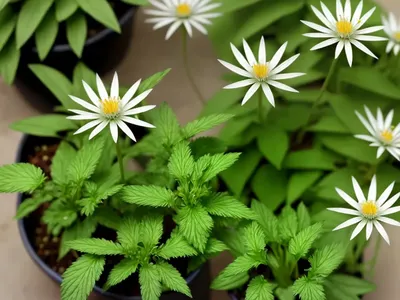
Rock Soapwort’s low-growing, spreading habit makes it a popular choice for container gardening. Its ability to form a dense carpet of foliage and flowers makes it an eye-catching addition to containers and hanging baskets. When grown in containers, it is important to ensure adequate drainage and provide regular watering to prevent the soil from drying out completely.
Common Diseases
Rock Soapwort is relatively resistant to diseases, but it can occasionally be affected by certain issues. Understanding these common diseases is important for promptly addressing any problems that may arise.
Disease Diagnosis
Some of the common diseases that can affect Rock Soapwort include:
Powdery Mildew
Powdery mildew, a fungal disease, can appear as a powdery white coating on the plant’s leaves. It is often caused by poor air circulation and high humidity. To prevent powdery mildew, ensure proper spacing between plants and avoid overhead watering. Fungicidal treatments may be necessary if the disease becomes established.
Crown Rot
Crown rot can occur in poorly drained soil, leading to the deterioration of the plant’s crown and root system. To prevent crown rot, ensure that the plant is grown in well-draining soil and avoid overwatering. If crown rot is suspected, it is crucial to address the drainage issues and consider replanting in a more suitable location.
Common Pests
Rock Soapwort is generally resistant to pest infestations, but it can occasionally be targeted by common garden pests.
Aphids
Aphids are sap-sucking insects that can infest Rock Soapwort, leading to distorted growth and the development of sooty mold. Regularly inspect the plants for aphid infestations and employ natural predators or insecticidal soaps if necessary to control their numbers.
Spider Mites
Spider mites are tiny arachnids that can cause stippling and discoloration of the leaves. They thrive in hot, dry conditions. Increasing humidity and employing predatory insects such as ladybugs can help control spider mite populations.
Botanist’s Tips
Now that we have explored the cultural requirements, uses, propagation, and common diseases and pests of Rock Soapwort, it’s time to delve into some insightful botanist’s tips for cultivating and caring for this captivating plant.
Tip 1: Soil Preparation
Before planting Rock Soapwort, ensure that the soil is well-draining and slightly alkaline. Amending the soil with organic matter, such as compost or well-rotted manure, can improve its fertility and structure, providing an optimal growing medium for the plant.
Tip 2: Regular Monitoring
Regularly monitor your Rock Soapwort plants for signs of pests or diseases. Early detection of any issues can significantly improve the chances of successful treatment and prevent the spread of problems to other plants in the garden.
Tip 3: Use of Organic Mulch
Applying a layer of organic mulch around the base of Rock Soapwort plants can help retain soil moisture, deter weed growth, and gradually improve the soil structure as it decomposes. Avoid placing the mulch directly against the stems to prevent the risk of stem rot.
Tip 4: Consider Companion Planting
Rock Soapwort can be paired with a variety of companion plants to create visually appealing and harmonious plant combinations. Select plants with similar cultural requirements and complementary aesthetics to create stunning garden displays.
Fun Facts
To round off our exploration of Rock Soapwort, let’s uncover some fun and interesting facts about this delightful plant.
-
Rock Soapwort is also known as ‘Tumbling Ted’ due to its cascading growth habit and the tendency of its stems to spill over walls or containers.
-
The saponins present in Rock Soapwort have traditional uses as natural detergents and were historically used for washing delicate fabrics.
-
The pink flowers of Rock Soapwort are highly attractive to pollinators, including bees and butterflies, making it a valuable addition to wildlife-friendly gardens.
Now that we have journeyed through the cultural, propagation, and maintenance aspects of Rock Soapwort, let’s explore some external resources that provide additional information and insights into this captivating plant.
Links to External Resources
- Royal Horticultural Society – Saponaria ocymoides
- Missouri Botanical Garden – Rock Soapwort
- University of Florida – Saponaria ocymoides Fact Sheet
- American Society for the Prevention of Cruelty to Animals – Saponaria ocymoides
- Gardening Know How – Growing Rock Soapwort Plants
In conclusion, Rock Soapwort (Saponaria ocymoides) is a charming and versatile perennial plant that offers an array of ornamental and potential medicinal uses. Its low-maintenance nature, ability to thrive in various cultural conditions, and captivating pink flowers make it a valuable addition to gardens, landscapes, and container displays. By understanding its cultural requirements, propagation techniques, and potential challenges, you can cultivate and care for Rock Soapwort with confidence, creating a stunning and enduring feature in your garden.