Rough Meadow Grass (Poa Trivialis)
Rough meadow grass, scientifically known as Poa trivialis, is a perennial grass species that is widely recognized for its diverse benefits and.
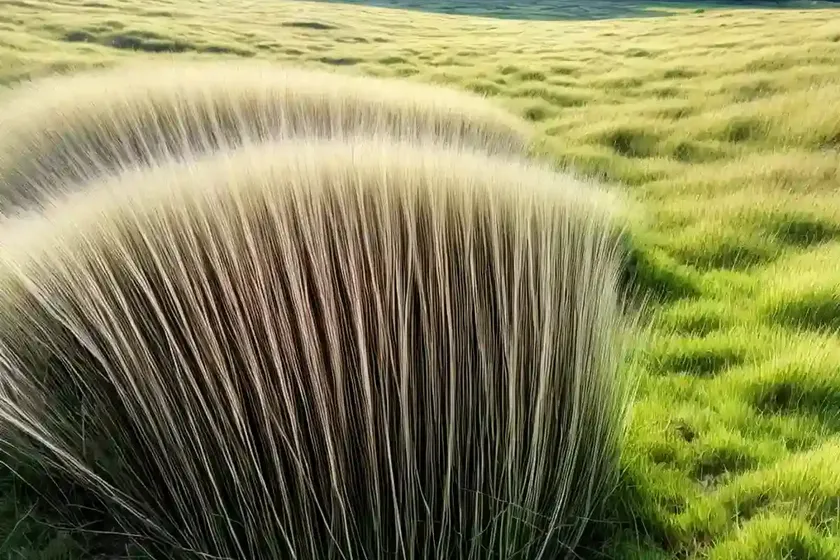
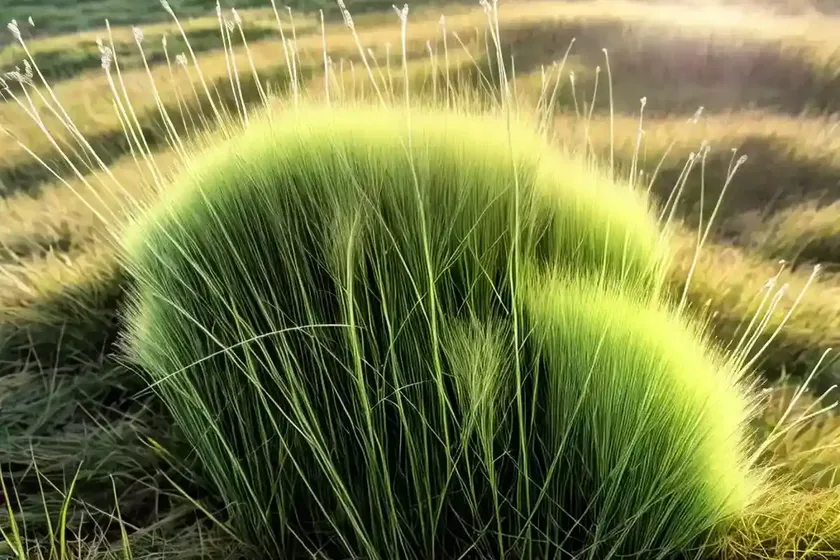
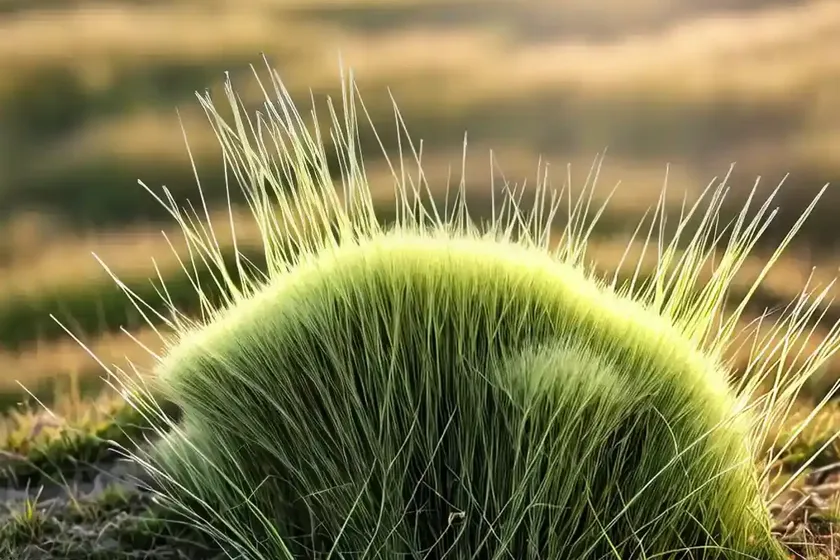
Rough meadow grass, scientifically known as Poa trivialis, is a perennial grass species that is widely recognized for its diverse benefits and adaptability. Its charming appearance and ecological significance make it a valuable addition to various landscapes, including gardens, meadows, and sports fields. In this comprehensive guide, we will delve into the various aspects of Poa trivialis, including its cultural requirements, uses, maintenance, common diseases, and much more.
What is plant rough meadow grass (Poa trivialis)?
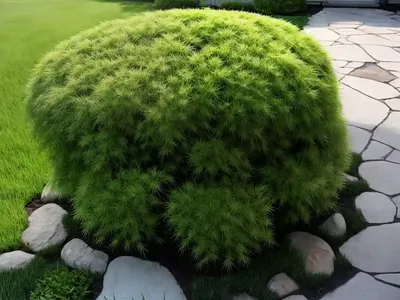
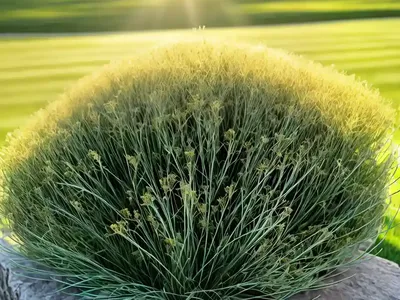
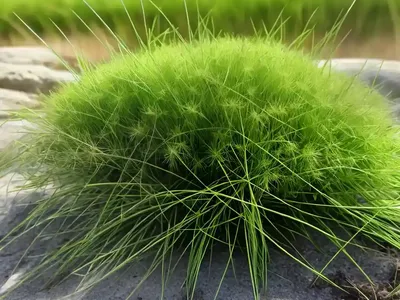
Rough meadow grass (Poa trivialis) is a cool-season perennial grass species that belongs to the Poa genus within the Poaceae family. Originating from Eurasia and North Africa, this species has been naturalized worldwide due to its adaptable nature and numerous benefits. It is characterized by its slender, arching leaves, and delicate flowering stems, creating a graceful and verdant appearance.
Key Takeaways – Rough Meadow Grass (Poa trivialis)
- Scientific Name: Poa trivialis
- Common Names: Rough meadow grass, meadow grass Poa trivialis
- Plant Type: Perennial grass
- Family: Poaceae
- Origin: Eurasia and North Africa
- Uses: Landscaping, meadow restoration, sports fields
- Characteristics: Slender, arching leaves; delicate flowering stems
- Adaptability: Cool-season grass, well-suited to various climates
The adaptability and aesthetic appeal of Poa trivialis make it a sought-after species for landscaping, restoration projects, and recreational turf. Its ability to withstand various environmental conditions and its ecological role in biodiversity conservation further enhance its value.
Let’s dive deeper into the various aspects of Poa trivialis, including its cultural requirements, uses, maintenance, common diseases, and more.
Culture
The successful cultivation of rough meadow grass (Poa trivialis) relies on understanding its cultural requirements, including water, sunlight, fertilizer, soil, and pruning. By providing the optimal growing conditions, gardeners can experience the full potential of this resilient and visually appealing grass species.
Uses
Landscaping and Groundcover
- Due to its graceful appearance and adaptability, Poa trivialis is often utilized as a groundcover in landscapes and gardens. In addition to adding a touch of elegance, its dense growth habit aids in weed suppression and erosion control.
Meadow Restoration
- In restoration projects aimed at revitalizing natural meadows, Poa trivialis plays a crucial role in re-establishing native grassland ecosystems. Its ability to thrive in varied soil conditions contributes to the overall success of meadow restoration efforts.
Sports Fields
- The resilience and vibrant green coloration of rough meadow grass make it a popular choice for sports fields, especially in temperate regions where cool-season grasses are preferred. Its ability to withstand heavy foot traffic and rapid recovery from wear ensures the durability of sports turf.
Water
-
Establishment: During the establishment phase, Poa trivialis requires consistent moisture to foster root development and initial growth. Adequate irrigation is crucial to ensure the successful establishment of this species.
-
Maintenance: Once established, rough meadow grass exhibits moderate drought tolerance. However, it benefits from regular watering during dry periods to maintain its vibrant green appearance and overall health.
Sunlight
- Optimal Conditions: Poa trivialis thrives in partial shade to full sun, making it suitable for a wide range of landscape environments. Its adaptability to varying light intensities enhances its versatility in different settings.
Fertilizer
- Nutrient Requirements: Poa trivialis responds well to balanced fertilizer applications, particularly those with a higher nitrogen content to support healthy foliage and overall vigor. Regular fertilization, often in early spring and late fall, can promote robust growth and vibrant coloration.
Soil
-
Adaptability: One of the key attributes of Poa trivialis is its versatility in various soil types, including well-drained loamy soils and even clay-based substrates. This adaptability contributes to its widespread usage in landscapes and restoration projects.
-
pH Levels: It thrives in slightly acidic to slightly alkaline soils with a pH range of 5.8 to 7.5. Amending acidic soils with lime can help create an optimal growing environment for Poa trivialis.
Pruning
- Mowing Height: When used as a turfgrass, maintaining a mowing height of around 1.5 to 2.5 inches (3.8 to 6.4 cm) promotes a dense and attractive appearance. Regular mowing also helps to control seed head development and encourages lateral growth.
Propagation
The propagation of rough meadow grass (Poa trivialis) can be achieved through various methods, allowing for both natural spread and intentional planting. Understanding these propagation techniques empowers gardeners and land managers to effectively establish and expand the presence of this valuable grass species.
Seed Propagation
-
Natural Dispersal: In natural settings, Poa trivialis disperses its seeds through a combination of wind, wildlife, and water, contributing to its wide distribution in meadows and naturalized habitats.
-
Cultivated Establishment: For intentional planting, seeds of Poa trivialis can be sown directly onto prepared soil in the early fall or early spring, mimicking the natural germination process. Compressing the seeds into the soil and providing consistent moisture support successful germination and establishment.
Division
- Clump Division: Propagating Poa trivialis through division involves separating mature clumps and replanting them in desired locations. This method allows for the expansion of existing stands and the creation of new plantings.
Container Popularity
The use of containers for growing rough meadow grass (Poa trivialis) offers versatility and practicality in various settings, ranging from urban landscapes to home gardens. Understanding the considerations for container cultivation enables individuals to enjoy the beauty and benefits of this grass species in constrained spaces and tailored environments.
Benefits of Container Cultivation
-
Space Optimization: Containers allow for the cultivation of Poa trivialis in urban spaces, balconies, and patios, where traditional ground planting may not be feasible.
-
Aesthetic Appeal: The graceful form and lush foliage of Poa trivialis enhance the visual appeal of containers, providing an elegant and naturalistic touch to outdoor spaces.
-
Management Flexibility: Container cultivation offers greater control over growing conditions, allowing for adjustments in sunlight exposure, moisture levels, and temperature fluctuations.
Common Diseases
- Fusarium Patch: This fungal disease can affect Poa trivialis, causing symptoms such as circular patches of discolored and thinning turf. Implementing proper cultural practices, such as avoiding excessive nitrogen fertilization and improving soil drainage, can help mitigate the impact of Fusarium patch.
Disease Diagnosis
Identifying potential diseases impacting Poa trivialis involves a combination of visual inspection, symptom recognition, and, if necessary, diagnostic testing. Monitoring the health of the grass and promptly addressing any signs of disease contributes to its vitality and long-term success.
Common Pests
- European Chafer Beetle: The larvae of this beetle species can cause damage to the root systems of Poa trivialis, potentially leading to reduced vigor and overall decline. Implementing integrated pest management strategies and promoting soil health can help manage European chafer beetle infestations.
Botanist’s Tips
Incorporating Poa trivialis into diverse landscapes requires a nuanced understanding of its growth habits, ecological role, and management considerations. The following tips serve as valuable guidance for gardeners, land managers, and landscape professionals seeking to optimize the cultivation and presence of this resilient grass species.
-
Ecological Role: Recognize the ecological significance of Poa trivialis as a supportive element in native grassland ecosystems, and integrate it thoughtfully within restoration projects and conservation efforts.
-
Maintenance Practices: Regular monitoring, appropriate irrigation, and timely fertilization contribute to the long-term health and vigor of Poa trivialis, promoting its functional and aesthetic value in landscapes.
-
Disease Management: Prioritize cultural and preventive measures to address potential diseases and pest issues, minimizing the reliance on chemical interventions and fostering a more sustainable approach to grassland management.
-
Biodiversity Support: Embrace Poa trivialis as a contributor to biodiversity, providing habitat and forage for a range of wildlife species, and guiding its integration within biodiverse landscapes.
Fun Facts
Delve into engaging and captivating facts about rough meadow grass (Poa trivialis) that showcase its unique attributes and contributions to landscapes and ecosystems.
-
Wildlife Support: Poa trivialis serves as a valuable food source for various wildlife species, including small mammals, birds, and insects, contributing to the ecological diversity of meadows and grasslands.
-
Pollinator Attraction: The delicate flowers of rough meadow grass can attract pollinators such as bees and butterflies, fostering pollination and supporting local biodiversity.
-
Historical Significance: Throughout history, Poa trivialis has been utilized for its forage quality and resilience, providing sustenance for grazing animals and aiding in the maintenance of grassland ecosystems.
-
Versatile Uses: From its role in meadow restoration to its function as a reliable turfgrass, Poa trivialis showcases its adaptability and versatility in various landscape applications.
Links to External Resources
Explore comprehensive resources and further information on rough meadow grass (Poa trivialis) to deepen your knowledge and insights about this valuable grass species.
- Plant Database: Poa trivialis
- Grassland Restoration Guidelines
- Integrated Pest Management for Turfgrasses
In conclusion, the allure and functionality of rough meadow grass (Poa trivialis) as a resilient, visually appealing, and ecologically significant grass species make it a valuable asset for diverse landscapes and restoration initiatives. By understanding its cultural requirements, propagation techniques, and role in supporting biodiversity, individuals and professionals can maximize the benefits and contributions of Poa trivialis in diverse settings.
The wealth of knowledge and insights presented in this guide equips enthusiasts and practitioners with the tools to appreciate, cultivate, and conserve Poa trivialis, reinforcing its standing as a quintessential grass species with enduring relevance and charm.
Remember, the beauty of Poa trivialis lies not only in its graceful form, but also in its capacity to enrich and sustain the natural world.