Common Privet (Ligustrum Vulgare)
Also known as Ligustrum Vulgare, the Common Privet is a versatile and popular plant that can be used in a variety of settings and landscapes. Its.
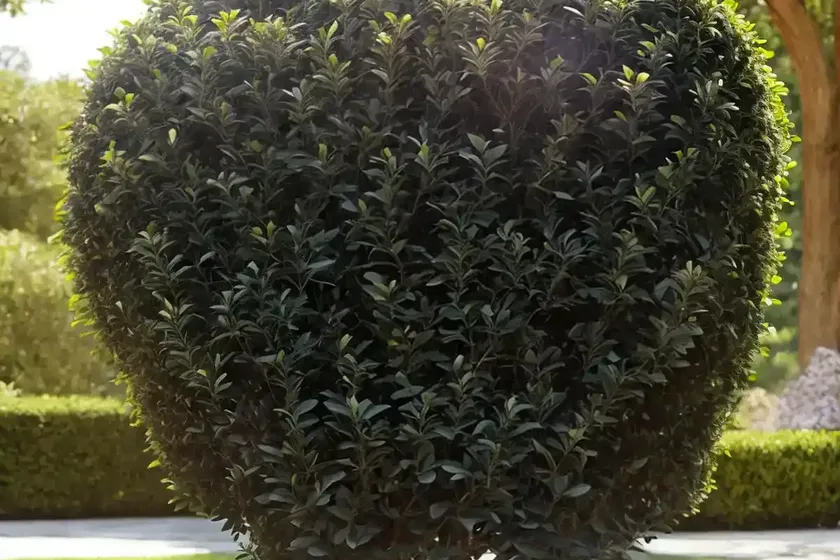
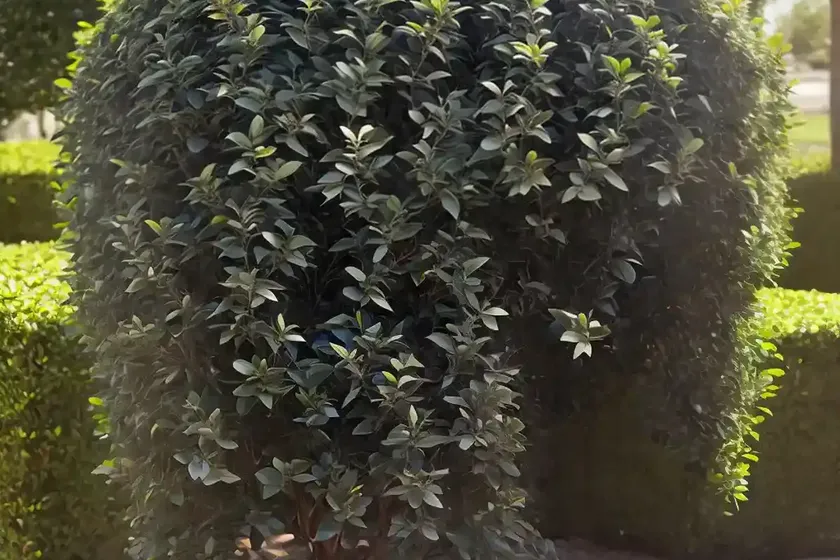
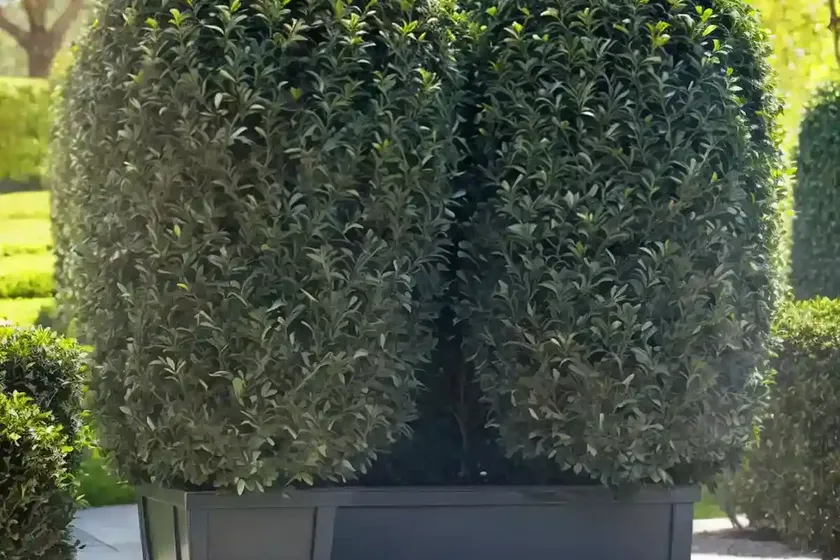
Also known as Ligustrum Vulgare, the Common Privet is a versatile and popular plant that can be used in a variety of settings and landscapes. Its adaptability, low maintenance requirements, and attractive features make it a favorite among gardeners and landscapers. In this comprehensive guide, we will delve into the various aspects of caring for and utilizing the Common Privet, including its cultural requirements, uses, maintenance, and common pests and diseases.
What is the Common Privet (Ligustrum Vulgare)?
The Common Privet, scientifically known as Ligustrum Vulgare, is a species of flowering plant in the olive family Oleaceae. It is a dense, fast-growing shrub that is prized for its ornamental foliage, fragrant flowers, and the ability to form a dense hedge. Originating from the Eurasian region, this species has become widely naturalized in various parts of the world due to its adaptability and resilience.
The plant is characterized by its opposite, lance-shaped dark green leaves and panicles of small, white, four-lobed flowers that bloom during the summer. Following the flowering period, the plant produces small, black berries. The Common Privet is well-suited for creating hedges, screens, and barriers due to its dense growth habit and the ease with which it can be shaped and pruned.
Key Takeaways – Common Privet (Ligustrum Vulgare)
Culture
- Water: Regular watering, especially during the establishment phase, is essential. Once established, it is relatively drought-tolerant.
- Sunlight: Thrives in full sun to partial shade.
- Soil: Well-draining, loamy soil is preferred.
- Pruning: Regular pruning to maintain shape and size, best performed in early spring or after the flowering period.
- Container: Suitable for container growing, especially dwarf or compact varieties.
Uses
- Hedging: Ideal for formal or informal hedges due to its dense growth and responsiveness to pruning.
- Landscaping: Adds structure, privacy, and texture to landscapes and gardens.
- Wildlife Habitat: Provides shelter and food for birds and other wildlife, particularly through its berries.
- Container Planting: Dwarf varieties can be grown in containers for patios and small gardens.
Maintenance
- Fertilizer: Minimal fertilizer requirements, but occasional feeding with a balanced fertilizer can enhance growth.
- Propagation: Easily propagated from semi-ripe cuttings in summer or hardwood cuttings in winter.
- Diseases and Pests: Susceptible to certain fungal diseases and common pests, with proper care and maintenance necessary to mitigate these issues.
With a broad understanding of the Common Privet’s characteristics and requirements, let’s delve deeper into its care, maintenance, uses, and potential challenges encountered in its cultivation.
Water
The Common Privet has moderate water requirements. During the establishment phase, consistent watering is crucial to ensure proper root development and overall plant health. Once the plant is established, it exhibits a degree of drought tolerance and can withstand dry periods. However, during prolonged droughts or in hot climates, supplemental watering can help maintain the plant’s vitality and foliage density.
Sunlight
This plant thrives in various light conditions, ranging from full sun to partial shade. It can adapt to different light intensities, making it suitable for a variety of landscape settings. However, it is essential to note that plants grown in full sun typically exhibit denser foliage and more profuse flowering compared to those grown in shaded areas.
Fertilizer
The Common Privet generally has low to moderate fertilizer requirements. While it can grow well in nutrient-poor soils, occasional fertilization with a balanced, slow-release fertilizer can promote robust growth and enhance the plant’s overall vigor. Applying fertilizer in early spring, before the onset of new growth, is advisable.
Soil
Well-draining, loamy soils are ideal for the Common Privet. It can adapt to different soil types, including clay and sandy soils, as long as adequate drainage is ensured. The plant has a moderate tolerance for various pH levels, but slightly acidic to slightly alkaline soils are most conducive to its growth and overall health.
Pruning
Regular pruning is essential to maintain the desired shape, density, and size of the Common Privet. It is well-suited for formal and informal hedges, and its responsiveness to pruning makes it a popular choice for creating defined landscape features. Pruning is typically performed in early spring before new growth emerges, or after the flowering period, to prevent the removal of potential flower buds.
Propagation
The Common Privet can be easily propagated from semi-ripe cuttings in summer or hardwood cuttings in winter. This method of propagation is relatively straightforward and can yield high success rates. Propagation from cuttings allows for the production of genetically identical offspring, ensuring the retention of desirable traits and characteristics.
Container Popularity
Dwarf and compact cultivars of the Common Privet are well-suited for container planting. Their manageable size, attractive foliage, and responsiveness to pruning make them excellent choices for patio planters, small urban gardens, and other confined spaces. Container-grown specimens can also serve as versatile ornamental features, adding greenery and structure to various outdoor settings.
Common Diseases
The Common Privet is susceptible to certain fungal diseases, including powdery mildew and various leaf spot diseases. These issues can arise in conditions of high humidity, poor air circulation, or prolonged periods of leaf wetness. To mitigate these diseases, it is essential to provide the plant with proper air circulation, avoid overhead watering, and promptly remove and dispose of any infected plant material.
Disease Diagnosis
Timely diagnosis and intervention are crucial for effectively managing diseases in the Common Privet. Careful observation of the plant’s foliage, including the presence of abnormal spots, discoloration, or powdery coatings, can serve as indicators of potential diseases. Consulting with a plant health professional or extension service can aid in accurately identifying and addressing specific disease issues.
Common Pests
The Common Privet is susceptible to several common pests, including aphids, scale insects, and spider mites. These pests can affect the plant’s overall health and aesthetics if left unmanaged. Regular monitoring of the plant for pest activity, early intervention through cultural or chemical control measures, and the promotion of beneficial insect populations can help prevent and mitigate pest infestations.
Botanist’s Tips
- Regular monitoring of the Common Privet for signs of stress, diseases, or pest activity is crucial for early intervention and effective management.
- When establishing hedges or landscape features using the Common Privet, attention to proper spacing and planting layout can contribute to the long-term health and vitality of the plants.
- Utilize native or regionally adapted cultivars of the Common Privet to ensure suitability to local environmental conditions and promote ecosystem resilience.
Fun Facts
- The Common Privet has been cultivated for centuries and has deep-rooted associations with traditional European gardens, where it was historically used for hedging and topiary.
- In folklore and mythology, the Privet has been linked to various symbolic meanings, including protection, boundaries, and transformation.
Links to External Resources
To further your knowledge on Common Privet (Ligustrum Vulgare), you may find the following external resources helpful:
- The Royal Horticultural Society – Common Privet
- University of Florida IFAS Extension – Ligustrum spp. Invasiveness
- North Carolina State University Extension – Privet Diseases
- The American Phytopathological Society – Understanding Powdery Mildew
As we’ve covered the foundational aspects of Common Privet (Ligustrum Vulgare), it’s evident that this plant offers an array of benefits, uses, and aesthetic appeal. Its adaptability, coupled with proper care and maintenance, makes it a valuable addition to diverse landscapes and gardens. Whether utilized for its ornamental features, functional purposes such as hedging, or its ecological contributions, the Common Privet stands as a resilient and versatile plant worthy of consideration in various horticultural contexts.
Conclusion
In summary, the Common Privet (Ligustrum Vulgare) represents a horticulturally significant plant species with multifaceted characteristics and applications. Its ability to thrive in different environmental conditions, responsiveness to pruning, and contributions to wildlife habitats make it a valuable asset in landscape design, gardening, and ecological restoration efforts. By adhering to recommended cultural practices, monitoring for potential issues, and making informed planting decisions, individuals can harness the full potential of the Common Privet in diverse settings, further enhancing the beauty and functionality of outdoor spaces.


