Broad-leaf Privet (Ligustrum Lucidum)
Plants play a crucial role in maintaining ecological balance and providing a myriad of benefits to humans and the environment. One such plant is the.
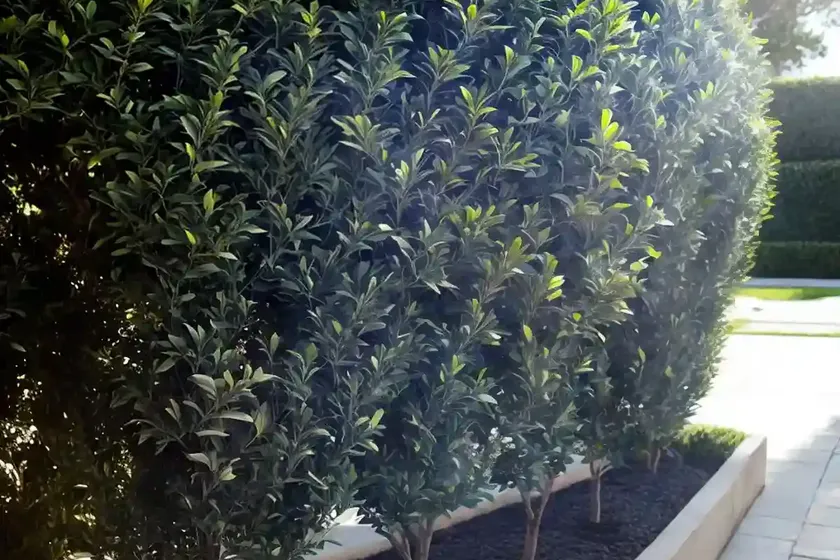
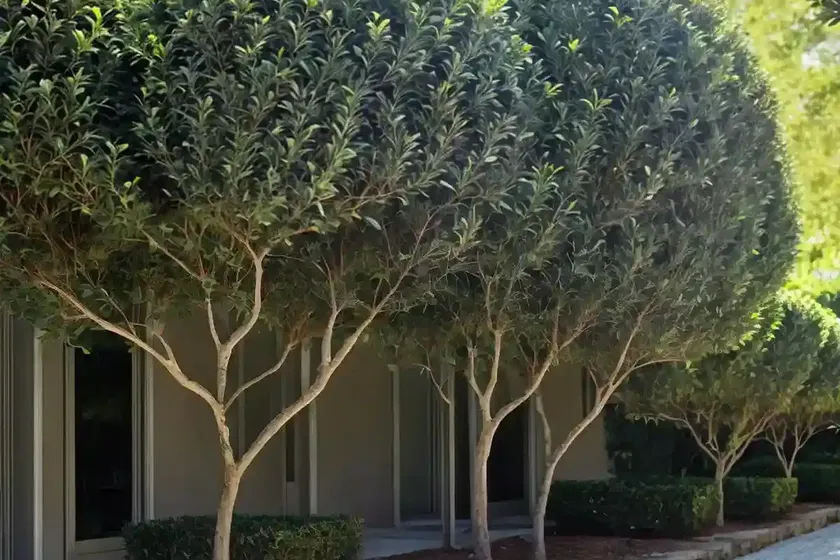
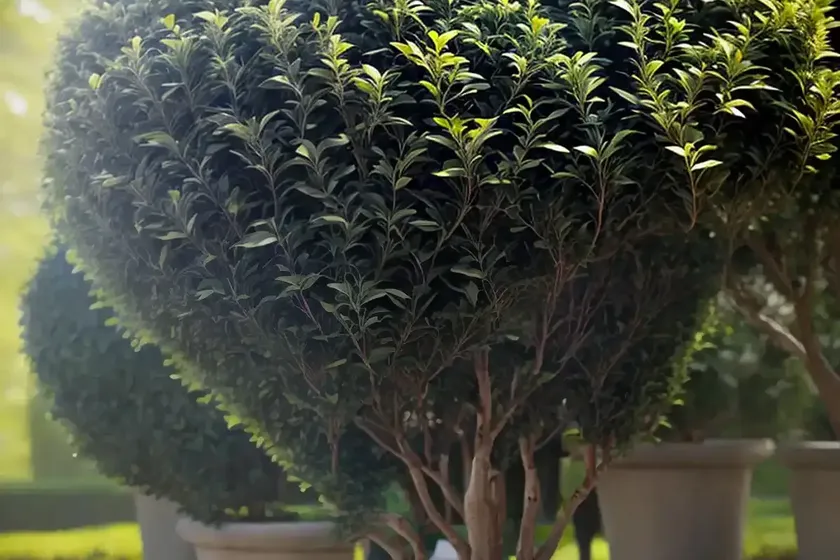
Plants play a crucial role in maintaining ecological balance and providing a myriad of benefits to humans and the environment. One such plant is the Broad-leaf Privet, scientifically known as Ligustrum Lucidum. This plant species, also referred to as Chinese Privet or Glossy Privet, is known for its ornamental features and various uses in landscaping and traditional medicine. In this comprehensive guide, we will delve into the cultivation, care, uses, and maintenance of Broad-leaf Privet, while also exploring its environmental impact, native habitat, and more.
What is Plant: Broad-leaf Privet (Ligustrum Lucidum)
Broad-leaf Privet, or Ligustrum Lucidum, is a species of evergreen shrub or small tree in the Oleaceae family. Native to China and cultivated in many parts of the world, it is renowned for its glossy, dark green leaves and clusters of small white flowers. The plant is valued for its ornamental appeal, and it has found uses in various landscaping and horticultural applications. Additionally, it possesses certain medicinal properties and is associated with traditional herbal remedies in some cultures.
Key Takeaways – Broad-leaf Privet (Ligustrum Lucidum)
Before we delve deeper into the intricacies of cultivating and caring for Broad-leaf Privet, let’s overview some of the key takeaways about this plant.
- Scientific Name: Ligustrum Lucidum
- Alternate Names: Broad-leaf Privet, Chinese Privet, Glossy Privet, Evergreen Privet
- Cultural Significance: Ornamental plant, used in landscaping and traditional medicine
- Physical Characteristics: Glossy dark green leaves, small white flowers
- Environmental Impact: Considerations regarding invasiveness and wildlife benefits
- Optimal Conditions for Growth: Water, sunlight, fertilizer, soil, pruning, and propagation
With these key elements in mind, we will now explore the various aspects of cultivating and caring for Ligustrum Lucidum.
Culture
The culture of Broad-leaf Privet encompasses the practices and conditions necessary for its healthy growth and development. This encompasses considerations related to its water, sunlight, fertilization, soil requirements, and other essential factors.
Water
Proper watering is essential for the health and vitality of Broad-leaf Privet. While moderately drought-tolerant once established, it is important to provide regular and consistent moisture, especially during the initial stages after planting. The soil should be kept moist but not waterlogged, as excessive moisture can lead to root rot and other issues. It is important to allow the soil to partially dry between watering sessions to prevent waterlogged conditions.
Sunlight
Broad-leaf Privet thrives in full to partial sunlight. When selecting a planting location, it is important to consider the amount of sunlight the area receives throughout the day. While it can tolerate partial shade, it typically exhibits more vigorous growth and better flowering when exposed to ample sunlight. Ideally, it should receive at least 6 hours of direct sunlight daily for optimal growth and development.
Fertilizer
Appropriate fertilization fosters healthy growth and enhances the ornamental appeal of Broad-leaf Privet. A balanced, slow-release fertilizer can be applied in early spring to provide essential nutrients. It is advisable to follow the manufacturer’s recommendations regarding application rates and frequency. Additionally, organic mulch can be used to enrich the soil and provide a steady supply of nutrients.
Soil
Ligustrum Lucidum thrives in well-draining, fertile soil. It can adapt to a range of soil types, including loamy, sandy, or clay soils, but it performs best in moderately fertile, slightly acidic to slightly alkaline soil. It is important to avoid excessively compacted or poorly draining soils, as they can impede root development and lead to various issues.
Pruning
Regular pruning is instrumental in maintaining the desired shape, size, and density of Broad-leaf Privet. Pruning also promotes airflow and reduces the risk of disease and pest infestations. It is advisable to carry out pruning during the plant’s dormant season, typically in late winter or early spring, to minimize stress and potential for damage. The following are key considerations for pruning Ligustrum Lucidum effectively:
- Remove Dead or Diseased Branches: Regularly inspect the plant for any dead, damaged, or diseased branches and promptly remove them to prevent the spread of disease and improve overall appearance.
- Shape and Size Control: Use sharp, clean pruning tools to shape the plant and maintain the desired size. Broad-leaf Privet can be pruned into hedges, topiaries, or as standalone specimens, and regular maintenance pruning helps achieve the desired aesthetic effect.
- Thinning and Tapering: Thinning out congested areas within the plant and tapering its growth towards the top can enhance sunlight penetration and airflow, reducing the risk of disease and promoting healthy growth.
Propagation
Broad-leaf Privet can be propagated through various methods, including seed propagation, cuttings, and layering. Each method has its advantages and challenges, and the most suitable approach often depends on the specific requirements and objectives of the grower.
- Seed Propagation: Propagation from seeds is possible but may result in variations in characteristics, and the plants may take several years to reach maturity and produce flowers and fruits.
- Cuttings: Propagation from stem cuttings is a common and effective method for producing genetically identical plants. Semi-hardwood cuttings taken in late summer, treated with a rooting hormone, and placed in a suitable substrate can root and establish well.
- Layering: Air layering or simple ground layering can also be employed to propagate Broad-leaf Privet, though it may require longer periods for successful establishment.
Container Popularity
Broad-leaf Privet is well-suited for growing in containers, making it an appealing choice for individuals with limited garden space or those seeking to add greenery to patios, balconies, or rooftop gardens. Container planting allows for greater control over soil conditions, moisture levels, and overall plant health, and it presents opportunities for creative and versatile landscaping arrangements.
Common Diseases
While Broad-leaf Privet is relatively resilient, it is susceptible to certain diseases that can impact its health and appearance. Common diseases affecting Ligustrum Lucidum include:
- Powdery Mildew: This fungal disease manifests as a white, powdery coating on the leaves, typically in conditions of high humidity and poor air circulation.
- Leaf Spot: Various fungal and bacterial pathogens can cause leaf spot, resulting in the development of dark spots or lesions on the foliage.
- Root Rot: Overly moist or waterlogged soil can lead to root rot, a condition caused by fungal pathogens that affects the plant’s root system and overall vigor.
Disease Diagnosis
Timely diagnosis of potential diseases is crucial for implementing effective control measures and preventing the spread of infection. Visual inspection of the plant, coupled with a thorough understanding of common plant diseases, can aid in accurate diagnosis. It is essential to monitor the plant for any abnormal symptoms and changes in its growth pattern, foliage appearance, or overall health.
Common Pests
Broad-leaf Privet is generally resistant to most pest infestations, but certain insects may pose occasional challenges. Common pests that may affect Ligustrum Lucidum include:
- Aphids: These small, sap-sucking insects can cluster on the undersides of leaves and cause stunted growth, leaf curling, and honeydew secretion.
- Scale Insects: Scale insects may appear as small, immobile bumps on the stems and leaves, and heavy infestations can lead to yellowing, wilting, and reduced plant vigor.
Botanist’s Tips
To ensure the successful cultivation and care of Broad-leaf Privet, it is important to consider the following botanist’s tips:
- Regular Monitoring: Vigilant monitoring of the plant’s growth, appearance, and overall health is essential for early detection of any issues and prompt intervention.
- Appropriate Planting Site: Select a suitable planting site that provides the necessary sunlight, soil conditions, and adequate space for the plant to thrive and reach its full potential.
- Pruning Best Practices: Adhere to proper pruning techniques and schedules to maintain the plant’s shape, health, and visual appeal while minimizing stress.
Fun Facts
Before we explore the uses and benefits of Broad-leaf Privet, let’s uncover some interesting and lesser-known facts about Ligustrum Lucidum:
- Wildlife Attraction: The flowers of Broad-leaf Privet attract bees and other pollinators, contributing to local biodiversity and ecosystem health.
- Topiary Potential: Due to its dense foliage and responsive growth habit, Broad-leaf Privet can be creatively shaped into topiaries and ornamental forms, adding aesthetic value to gardens and landscapes.
- Medicinal Properties: In traditional Chinese medicine, various parts of the Ligustrum Lucidum plant are utilized for their purported medicinal properties, including immune-boosting and detoxifying effects.
Understanding these aspects of Broad-leaf Privet contributes to a comprehensive appreciation of its ecological and cultural significance.
Links to External Resources
To further enrich your knowledge and explore additional insights about Broad-leaf Privet, consider visiting the following resources:
- Planting and Care Guide for Ligustrum Lucidum
- Ligustrum Lucidum Cultivation Tips and Techniques
- Benefits of Broad-leaf Privet in Landscaping
- Medicinal Uses and Properties of Ligustrum Lucidum
By exploring these resources, you can gain a deeper understanding of the various facets of Broad-leaf Privet and its relevance in horticulture, landscaping, and traditional medicine.
In conclusion, Broad-leaf Privet—Ligustrum Lucidum—stands as a versatile and valuable plant species, offering aesthetic, ecological, and medicinal benefits. By applying the insights and techniques outlined in this guide, you can cultivate, care for, and appreciate this remarkable plant and its diverse contributions to the natural world.
Keywords: Ligustrum Lucidum, Broad-leaf Privet, Chinese Privet, Glossy Privet, Ligustrum tree, Evergreen Privet, Ligustrum Lucidum species, Ligustrum Lucidum variety, Ligustrum Lucidum cultivation, Ligustrum Lucidum care, Ligustrum Lucidum pruning, Ligustrum Lucidum landscaping, Ligustrum Lucidum benefits, Ligustrum Lucidum uses, Ligustrum Lucidum properties, Ligustrum Lucidum growth habit, Ligustrum Lucidum maintenance, Ligustrum Lucidum characteristics, Ligustrum Lucidum diseases, Ligustrum Lucidum pests, Ligustrum Lucidum planting guide, Ligustrum Lucidum soil requirements, Ligustrum Lucidum watering needs, Ligustrum Lucidum sunlight requirements, Ligustrum Lucidum landscaping ideas, Ligustrum Lucidum medicinal properties, Ligustrum Lucidum environmental impact, Ligustrum Lucidum native habitat, Ligustrum Lucidum invasive species, Ligustrum Lucidum wildlife benefits, Ligustrum Lucidum leaf shape, Ligustrum Lucidum flower characteristics, Ligustrum Lucidum fruiting process, Ligustrum Lucidum seed propagation, Ligustrum Lucidum root system, Ligustrum Lucidum growth rate, Ligustrum Lucidum height and spread, Ligustrum Lucidum winter hardiness, Ligustrum Lucidum heat tolerance, Ligustrum Lucidum drought resistance, Ligustrum Lucidum wind resistance, Ligustrum Lucidum soil pH tolerance, Ligustrum Lucidum pruning techniques, Ligustrum Lucidum companion plants, Ligustrum Lucidum privacy hedge, Ligustrum Lucidum screen planting, Ligustrum Lucidum topiary, Ligustrum Lucidum bonsai, Ligustrum Lucidum garden design, Ligustrum Lucidum landscaping tips


