Ligustrum Sinense ‘Sunshine’ (Chinese Privet)
Ligustrum sinense ‘Sunshine,’ commonly known as Chinese Privet, is a versatile and popular plant known for its bright foliage and adaptability to various.

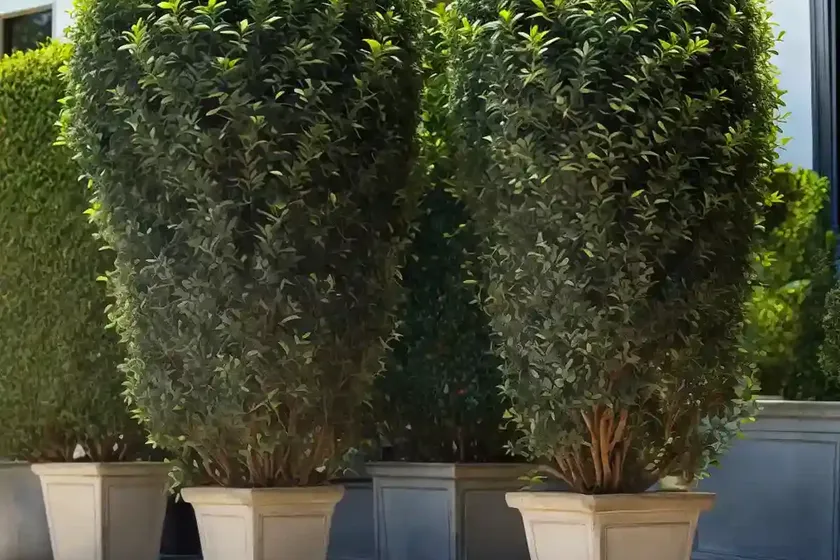
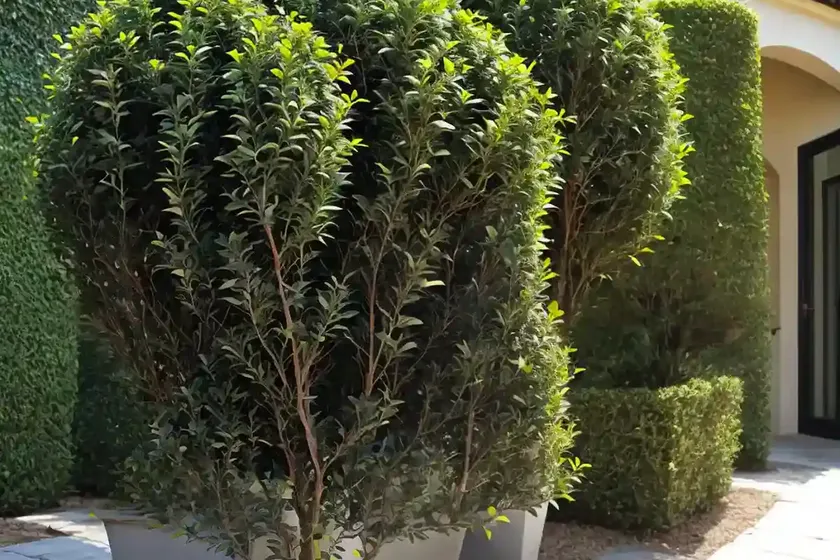
Ligustrum sinense ‘Sunshine,’ commonly known as Chinese Privet, is a versatile and popular plant known for its bright foliage and adaptability to various growing conditions. As a plant scientist with a passion for ornamental plants, I am excited to delve into the various aspects of this remarkable species.
What is Ligustrum sinense ‘Sunshine’ (Chinese Privet)?
Ligustrum sinense ‘Sunshine’ belongs to the Oleaceae family and is native to East Asia, particularly China and Vietnam. It is a striking evergreen shrub with glossy, variegated leaves that add a vibrant aesthetic to landscapes. The plant is known for its resilience and ability to thrive in diverse environments, making it a popular choice for both novice and experienced gardeners.
Key Takeaways
Here are the key takeaways regarding Ligustrum sinense ‘Sunshine’ (Chinese Privet):
- Characteristics: The plant features bright, variegated foliage with a dense and bushy growth habit.
- Plant Care Tips: Chinese Privet thrives in well-draining soil and requires regular watering and pruning to maintain its shape and health.
- Growing Requirements: It prefers full to partial sunlight and can tolerate a wide range of temperatures.
- Benefits: In addition to its ornamental value, Chinese Privet can serve as a hedge, withstand urban conditions, and attract wildlife.
- Pruning Techniques: Regular pruning is essential to shape the plant and promote healthy growth.
- Plant Varieties: There are several cultivars of Ligustrum sinense, each with unique attributes and applications.
- Propagation Methods: The plant can be propagated from cuttings or seeds, providing opportunities for expansion and sharing with others.
- Diseases and Pests: Chinese Privet is susceptible to certain diseases and pests, necessitating proactive management strategies.
- Landscaping Ideas: It can be utilized in various landscaping designs and settings, contributing to the overall aesthetic appeal.
- Medicinal Uses: Some traditional medicinal applications have been associated with the plant, although caution is advised.
Now, let’s explore each of these aspects in detail to gain a comprehensive understanding of Ligustrum sinense ‘Sunshine’ and its care requirements.
Culture
Uses
Chinese Privet possesses a multitude of uses that make it a valuable addition to gardens and landscapes. Some of its primary uses include:
- Ornamental Value: Its vibrant foliage and dense growth make it a popular choice for ornamental planting, providing visual interest and enhancing the overall aesthetic of the garden.
- Hedge Formation: Due to its dense growth habit, Chinese Privet is often used to create hedges or screens to delineate spaces and provide privacy.
- Wildlife Attraction: The plant’s flowers and berries attract pollinators and birds, contributing to the biodiversity of the garden and supporting local wildlife.
- Urban Landscaping: Its tolerance for urban conditions, such as pollution and compacted soils, makes it an ideal choice for city landscapes and commercial plantings.
Water
Watering Requirements: Adequate moisture is essential for the establishment and health of Ligustrum sinense ‘Sunshine.’ While the plant is relatively drought-tolerant once established, regular watering is crucial, especially during dry periods. It is important to allow the soil to dry slightly between waterings to prevent waterlogged conditions, as this can lead to root rot and other issues.
Sunlight
Sun Exposure: Chinese Privet thrives in full to partial sunlight. It is important to provide the plant with sufficient light to promote healthy growth and maintain its vibrant foliage. In areas with intense heat, partial shade during the hottest part of the day can be beneficial, preventing the foliage from scorching.
Fertilizer
Fertilization: Providing the plant with a well-balanced fertilizer can enhance its growth and overall vigor. A slow-release fertilizer formulated for shrubs and ornamental plants can be applied in the spring, promoting strong root development and lush foliage. It is important to follow the manufacturer’s recommendations and avoid over-fertilization, which can lead to excessive vegetative growth at the expense of flowering and fruiting.
Soil
Soil Preferences: Chinese Privet prefers well-draining soil with a slightly acidic to neutral pH. While it can tolerate various soil types, including clay and loamy soils, ensuring good drainage is crucial to prevent waterlogged conditions that can compromise root health. Amending the soil with organic matter, such as compost, can improve its structure and fertility, creating an ideal environment for the plant’s growth.
Pruning
Pruning Schedule: Regular pruning is essential to maintain the desired shape and size of Ligustrum sinense ‘Sunshine.’ Pruning can be conducted in early spring before the onset of new growth. It is important to remove any dead, damaged, or crossing branches, as well as to shape the plant to promote increased air circulation and sunlight penetration. Caution should be exercised to avoid over-pruning, as excessive removal of foliage can compromise the plant’s health and vigor.
Propagation
Propagation Methods: Chinese Privet can be propagated through both softwood and hardwood cuttings. Softwood cuttings, taken from the current season’s growth, can be rooted in a well-draining medium and placed under mist to encourage root development. Hardwood cuttings, harvested during the dormant season, can also be utilized for propagation, often requiring the application of rooting hormones to expedite the rooting process. Additionally, the plant produces small black berries containing seeds that can be collected and sown for propagation.
Container Popularity
Chinese Privet is also popular as a container plant, providing versatility and a striking visual presence on patios, balconies, and other outdoor spaces. When grown in containers, the plant’s size can be controlled through regular pruning, making it an appealing option for individuals with limited garden space or those seeking to create a vibrant focal point in an outdoor setting.
Common Diseases
Disease Diagnosis
While Ligustrum sinense ‘Sunshine’ is generally resilient, it can be susceptible to certain diseases that require prompt identification and management. Some of the common diseases that can affect Chinese Privet include:
-
Powdery Mildew: This fungal disease presents as a powdery white growth on the foliage, often leading to leaf distortion and reduced vigor. Good air circulation and the use of fungicidal treatments can aid in prevention and control.
-
Sooty Mold: Sooty mold is a secondary issue caused by the presence of honeydew-secreting insects, such as aphids or scale insects. It manifests as a black, velvety coating on the leaves and stems, impacting the plant’s photosynthetic capabilities. Managing the underlying pest infestation is crucial for preventing sooty mold.
-
Root Rot: Overly wet and poorly-drained soil can contribute to root rot, leading to yellowing foliage, wilting, and overall decline. Improving soil drainage and avoiding overwatering can help mitigate the risk of root rot.
-
Leaf Spot Diseases: Various fungal pathogens can cause leaf spots on Chinese Privet, resulting in the formation of lesions on the foliage. Pruning affected branches, promoting good sanitation practices, and applying fungicidal sprays can aid in disease management.
Common Pests
In addition to diseases, Chinese Privet may face challenges associated with pest infestations. Some of the common pests that can affect the plant include:
-
Aphids: These small, sap-sucking insects can congregate on the undersides of leaves, causing distortion and yellowing of foliage. Insecticidal soaps or neem oil can be used to control aphid populations.
-
Scale Insects: Scale insects often appear as small, immobile bumps on the stems and leaves, feeding on the plant’s sap. Pruning heavily infested branches and using horticultural oils can help manage scale infestations.
-
Spider Mites: These microscopic pests can cause stippling and webbing on the foliage, leading to reduced plant vigor. Regularly hosing down the plant and using predatory insects for control can aid in managing spider mite populations.
-
Ligustrum Leaf Miner: The larvae of the ligustrum leaf miner feed within the leaves, creating characteristic serpentine mines. In severe infestations, chemical control measures may be necessary to mitigate the impact of the pest.
Understanding the symptoms and signs associated with these diseases and pests is crucial for timely intervention and effective management, preserving the health and visual appeal of Ligustrum sinense ‘Sunshine.’
Botanist’s Tips
Fun Facts
- A single Chinese Privet plant can produce numerous small, fragrant white flowers in late spring to early summer, adding a delightful olfactory element to the garden.
- The plant’s berries, while visually appealing, are toxic to humans and should be handled with caution, especially in households with pets and young children.
- Chinese Privet has been introduced to various regions around the world and is often regarded as an invasive species, outcompeting native flora and altering ecosystem dynamics in certain habitats.
- In traditional Chinese medicine, certain parts of Ligustrum sinense have been used for their purported medicinal properties, although comprehensive research on their efficacy and safety is warranted.
Links to External Resources
To further enrich your knowledge of Ligustrum sinense ‘Sunshine’ and its care requirements, consider exploring the following resources:
- Missouri Botanical Garden – Ligustrum sinense ‘Sunshine’
- Royal Horticultural Society – Chinese Privet
Conclusion
Ligustrum sinense ‘Sunshine’ (Chinese Privet) stands out as a charming and adaptable plant with a wealth of ornamental and practical applications. By understanding its cultural requirements, potential challenges, and unique characteristics, gardeners can cultivate and appreciate this species in diverse settings. Whether employed as a vibrant hedge, an eye-catching container plant, or a habitat for wildlife, Chinese Privet exemplifies the natural beauty and resilience of ornamental shrubs.
Incorporating best practices for plant care, disease and pest management, and responsible landscaping can promote the long-term health and vitality of Ligustrum sinense ‘Sunshine,’ allowing it to thrive and captivate for years to come.
Remember to always explore and learn more about the plants you cultivate, and with each discovery, enrich your journey as a plant enthusiast.
Happy gardening!


