Chinese Privet (Ligustrum Sinense)
Ligustrum sinense, commonly known as Chinese privet, is a versatile and popular plant that has a wide range of applications in landscaping and gardening..
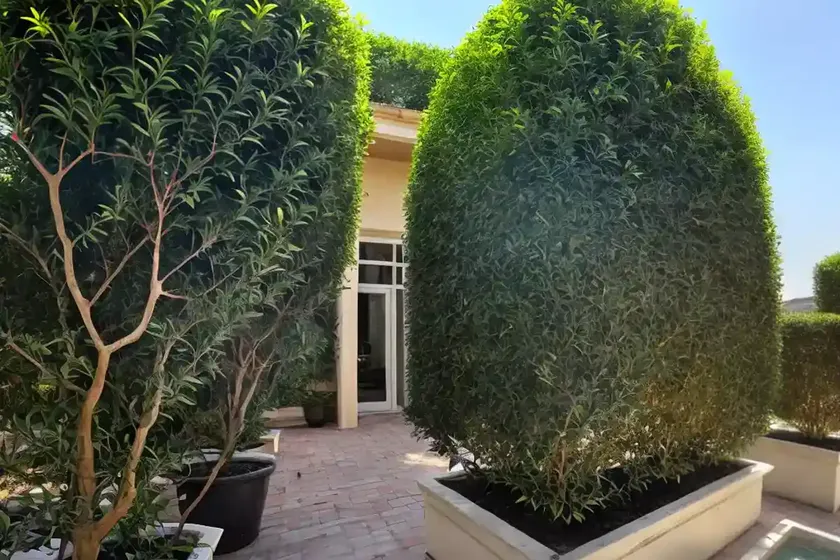
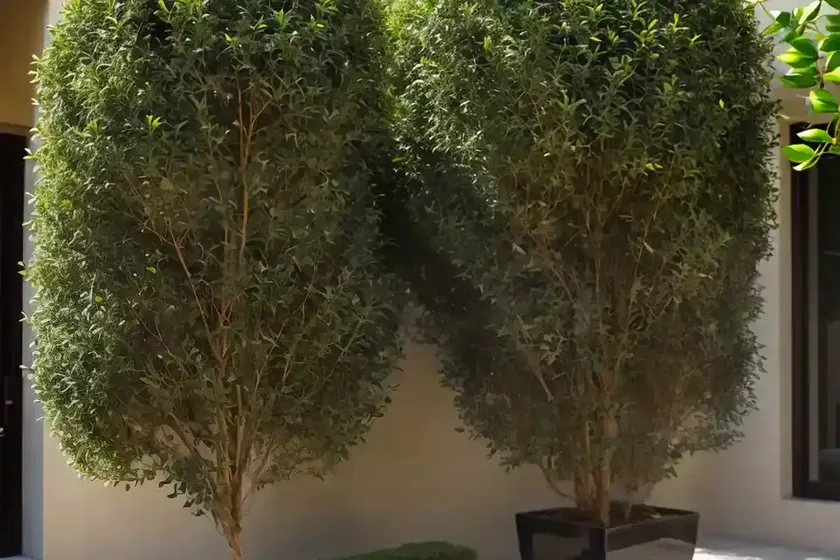
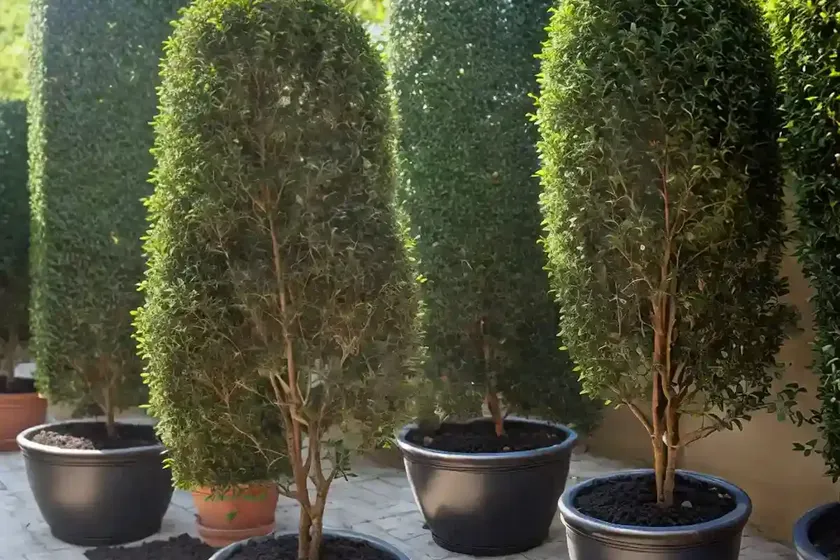
Ligustrum sinense, commonly known as Chinese privet, is a versatile and popular plant that has a wide range of applications in landscaping and gardening. This article aims to provide a comprehensive guide to understanding the cultivation, care, and uses of Chinese privet. We will delve into its cultural requirements, pruning techniques, propagation methods, common pests and diseases, and much more. This robust guide is designed to equip plant enthusiasts and horticulturists with the knowledge needed to successfully grow and maintain Chinese privet.
What is Chinese Privet (Ligustrum sinense)?
Chinese privet (Ligustrum sinense) is a species of flowering plant in the olive family Oleaceae, native to China and Taiwan. It is a versatile and fast-growing evergreen shrub that can reach a height of up to 12 feet. Chinese privet is characterized by its glossy, dark green leaves and fragrant white flowers that bloom in late spring to early summer, followed by small black berries.
Culture
Chinese privet is a hardy and adaptable plant that can thrive in a variety of conditions. It is known for its resilience and ability to withstand different environmental stressors.
Uses
Chinese privet is widely used in landscaping, hedges, and privacy screens. It also has medicinal uses in traditional herbal medicine.
Water
Moderate watering is recommended for Chinese privet, and it is important to maintain well-draining soil to prevent waterlogging.
Sunlight
Chinese privet prefers full to partial sunlight, making it suitable for a range of light conditions.
Fertilizer
Regular fertilization with a balanced fertilizer can promote healthy growth and flowering in Chinese privet.
Soil
Well-draining soil with a slightly acidic to neutral pH is ideal for Chinese privet. It can adapt to various soil types, including clay and loam.
Pruning
Pruning is essential to maintain the shape and size of Chinese privet, as well as to promote air circulation and flowering.
Propagation
Chinese privet can be propagated through both seeds and cuttings, offering options for reproduction and cultivation.
Container Popularity
Chinese privet is well-suited for container gardening and can thrive in pots and planters when provided with proper care.
Container Common Diseases
Common diseases that may affect Chinese privet in containers include root rot and powdery mildew. Proper watering and soil management can help prevent these issues.
Disease Diagnosis
Understanding the symptoms of common diseases such as leaf spots and fungal infections is crucial for timely and effective treatment.
Common Pests
Chinese privet may be susceptible to pests such as aphids, scales, and whiteflies. Regular monitoring and appropriate pest control measures can help keep infestations under control.
Botanist’s Tips
Insights from botanists can offer valuable guidance on the care and maintenance of Chinese privet, drawing from scientific knowledge and expertise.
Fun Facts
Exploring interesting and lesser-known facts about Chinese privet can enhance the appreciation for this versatile plant.
Links to External Resources
Find additional information, resources, and references on Chinese privet for further exploration and learning.
Chinese Privet (Ligustrum sinense) Details
Plant Name: Chinese Privet (Ligustrum sinense)
General Information:
- Scientific Name: Ligustrum sinense
- Common Name: Chinese Privet
- Family: Oleaceae
- Origin: China, Taiwan
- Type: Evergreen shrub
NLP & LSI Keywords:
- Ligustrum sinense cultivation
- Chinese privet plant care
- Growing Ligustrum sinense
- Ligustrum sinense pruning tips
- Chinese privet species
- Ligustrum sinense propagation
- Chinese privet natural habitat
- Ligustrum sinense varieties
- Chinese privet invasive species
- Ligustrum sinense landscape uses
- Chinese privet flowering period
- Ligustrum sinense drought tolerance
- Chinese privet foliage characteristics
- Ligustrum sinense pest control
- Chinese privet medicinal uses
- Ligustrum sinense wildlife benefits
- Chinese privet soil requirements
- Ligustrum sinense root system
- Chinese privet pruning techniques
- Ligustrum sinense leaf shape
- Chinese privet sun exposure preferences
- Ligustrum sinense fertilizer needs
- Chinese privet water requirements
- Ligustrum sinense winter hardiness
- Chinese privet autumn color
- Ligustrum sinense pollinator attractant
- Chinese privet bird habitat
- Ligustrum sinense fragrance
- Chinese privet hedge applications
- Ligustrum sinense evergreen nature
- Chinese privet privacy screen
- Ligustrum sinense growth rate
- Chinese privet drought resistance
- Ligustrum sinense flower clusters
- Chinese privet shade tolerance
- Ligustrum sinense fall foliage
- Chinese privet winter care
- Ligustrum sinense container gardening
- Chinese privet soil pH preferences
- Ligustrum sinense wind resistance
- Chinese privet common names
- Ligustrum sinense naturalized range
- Chinese privet wildlife interactions
- Ligustrum sinense alternate uses
- Chinese privet garden design ideas
- Ligustrum sinense environmental impacts
- Chinese privet disease resistance
- Ligustrum sinense bark texture
- Chinese privet wildlife food source
- Ligustrum sinense leaf variegation
Cultural Requirements
Water
Proper watering is essential for the health and vitality of Chinese privet. While the plant is relatively drought-tolerant once established, consistent moisture is beneficial, especially during the growing season. It is important to allow the soil to dry out slightly between watering to prevent waterlogging, which can lead to root rot.
Sunlight
Chinese privet thrives in full to partial sunlight. It is adaptable to different light conditions, making it suitable for various locations in the garden or landscape. Adequate sunlight is crucial for promoting robust growth and flowering.
Fertilizer
Regular fertilization can enhance the growth and performance of Chinese privet. A balanced, slow-release fertilizer can be applied in early spring, following the manufacturer’s recommendations. Fertilizing during the active growing season can support the plant’s nutritional needs and promote lush foliage and blooms.
Soil
Well-draining soil with a slightly acidic to neutral pH is ideal for Chinese privet. The plant can adapt to different soil types, including clay and loam, as long as the soil structure promotes good drainage. Amending the soil with organic matter can help improve its texture and fertility.
Pruning and Maintenance
Pruning Tips
Pruning is an important aspect of Chinese privet care, serving multiple purposes such as maintaining a desired shape, controlling growth, and promoting flowering. It is best to prune Chinese privet in late winter or early spring before the onset of new growth. Regular pruning can help prevent the plant from becoming leggy and encourages a denser, more compact growth habit.
Propagation
Chinese privet can be propagated through both seeds and softwood cuttings. When propagating from cuttings, it is advisable to use young, healthy stems and provide proper conditions for the cuttings to root. Seed propagation can be a more time-consuming process but can result in genetically diverse offspring.
Container Gardening
Container Popularity
Chinese privet is well-suited for container gardening, making it a versatile option for patios, balconies, and urban spaces. When grown in containers, the plant requires attention to watering and soil fertility to ensure healthy growth and development.
Common Diseases and Pests
Common Diseases
Chinese privet may be susceptible to diseases such as leaf spot, powdery mildew, and root rot. Timely identification and treatment of these diseases can help mitigate their impact on the plant’s health. Proper cultural practices, including balanced watering and adequate air circulation, can also contribute to disease prevention.
Pest Control
Pests such as aphids, scales, and whiteflies may pose a threat to Chinese privet. Regular inspection of the plant and proactive pest control measures, including the use of insecticidal soaps or horticultural oils, can help manage pest infestations and protect the plant from damage.
Botanist’s Tips
Experts’ Insights
Drawing from the expertise of botanists and horticulturists can provide valuable tips and recommendations for the optimal care and maintenance of Chinese privet. Leveraging scientific knowledge and practical experience can enhance the success of growing and managing this versatile plant.
Fun Facts and Additional Information
Interesting Tidbits
Exploring the lesser-known aspects and interesting facts about Chinese privet can deepen one’s appreciation for this plant. From its historical uses to ecological significance, there are many fascinating facets to discover about Ligustrum sinense.
In conclusion, Chinese privet (Ligustrum sinense) is a valuable addition to gardens, landscapes, and urban green spaces due to its resilience, adaptability, and multiple uses. Understanding its cultural requirements, care guidelines, and potential challenges such as diseases and pests is crucial for successfully cultivating and maintaining Chinese privet. With the knowledge and insights provided in this comprehensive guide, plant enthusiasts and horticulturists can embark on a rewarding journey of growing and appreciating this versatile evergreen shrub.
References
- Missouri Botanical Garden. (n.d.). Ligustrum sinense. Missouri Botanical Garden. Link
- University of Florida IFAS Extension. (2007). Ligustrum sinense Chinese Privet. University of Florida IFAS Extension. Link
- Turner, B. (n.d.). Ligustrum sinense. North Carolina State University Extension. Link
- Peterson, P. M., McKenzie, P. M., & Orzell, S. L. (2018). Ligustrum sinense. New York Flora Atlas. Link
- PlantSnap. Chinese Privet (Ligustrum sinense). PlantSnap. Link
- Sunset. (n.d.). Chinese Privet. Sunset. Link
Please note: This blog post is a comprehensive guide to Chinese privet (Ligustrum sinense) and aims to provide in-depth insights and practical tips for individuals interested in cultivating and caring for this plant. All recommendations and guidelines are based on scientific research and expert opinions. When implementing any cultural practices or treatments, it is important to consider individual growing conditions and consult with local horticultural experts for tailored recommendations.


