Sarracenia Oreophila (Green Pitcher Plant)
Plants play a fundamental role in the earth’s ecosystem, providing oxygen, food, and habitats for countless organisms. Among the diverse range of plant.
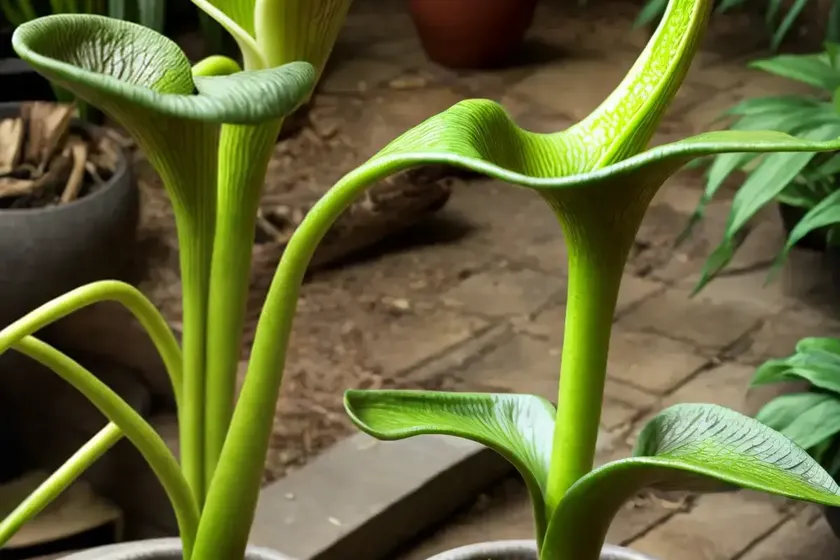
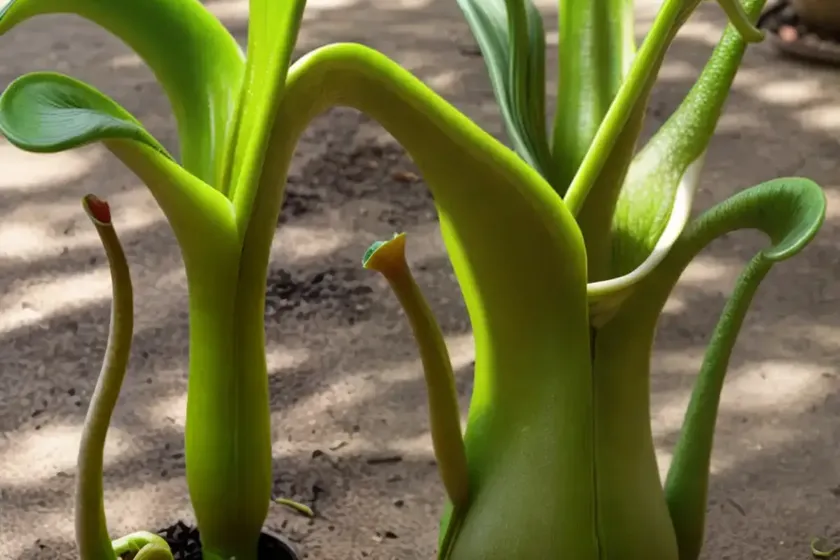
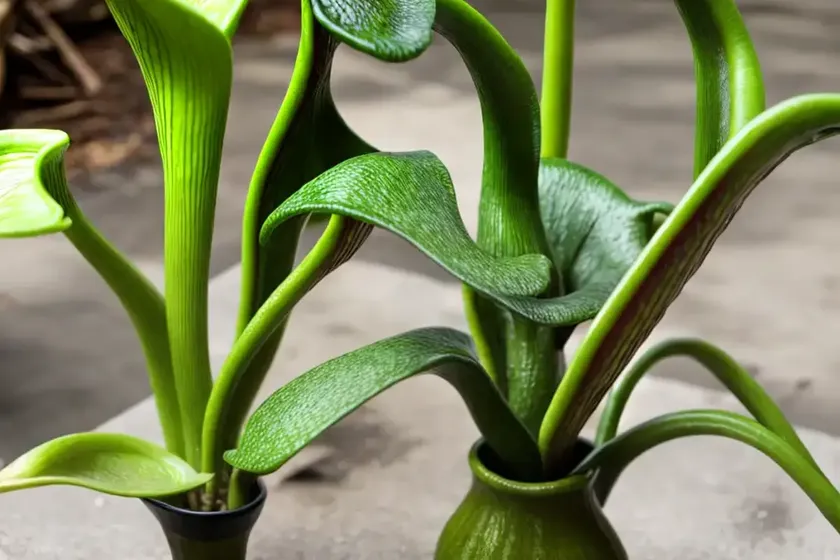
Plants play a fundamental role in the earth’s ecosystem, providing oxygen, food, and habitats for countless organisms. Among the diverse range of plant species, the Sarracenia oreophila, commonly known as the Green Pitcher Plant, stands out as an extraordinary and captivating carnivorous plant. In this comprehensive guide, we will explore the key characteristics, cultivation, uses, and ecological significance of the Sarracenia oreophila, shedding light on its conservation status, natural habitat, and more. Whether you are an enthusiastic botanist, a gardener, or simply an admirer of the natural world, this article aims to provide valuable insights into the captivating world of the Green Pitcher Plant.
What is the Sarracenia oreophila (Green Pitcher Plant)?
The Sarracenia oreophila, commonly referred to as the Green Pitcher Plant, is a carnivorous plant belonging to the Sarraceniaceae family. This fascinating plant is native to the southeastern United States, where it thrives in specific boggy habitats characterized by nutrient-poor, acidic soils. The Green Pitcher Plant is renowned for its distinctive pitcher-shaped leaves, which serve as modified tubular traps for capturing and digesting insects. This unique adaptation allows the plant to thrive in environments with limited access to essential nutrients, as it supplements its nutritional needs by consuming a variety of insects and arthropods.
The Sarracenia oreophila is a visually striking plant, renowned for its vibrant green pitchers and intricate veining that contributes to its captivating appearance. Due to its unique characteristics and ecological significance, the Green Pitcher Plant has garnered attention from botanists, conservationists, and plant enthusiasts worldwide. In the following sections, we will delve deeper into the key aspects of the Sarracenia oreophila, including its cultivation, uses, ecological role, and conservation status.
Key Takeaways – Sarracenia oreophila (Green Pitcher Plant)
The Green Pitcher Plant holds significant ecological and botanical importance and is valued for its distinctive characteristics. Below are the key takeaways that we will explore in detail throughout this guide:
- Culture
- Uses
- Water
- Sunlight
- Fertilizer
- Soil
- Pruning
- Propagation
- Container Popularity
- Common Diseases
- Disease Diagnosis
- Common Pests
- Botanist’s Tips
- Fun Facts
- Links to External Resources
Let’s explore each of these aspects in detail to gain a comprehensive understanding of the Green Pitcher Plant.
Culture: Sarracenia oreophila Care
The cultivation of the Sarracenia oreophila requires attention to specific environmental conditions and care practices to ensure its optimal growth and development. Understanding the cultural requirements of the Green Pitcher Plant is essential for creating an environment that mimics its natural habitat, thus promoting its well-being. Here are the key cultural considerations for Sarracenia oreophila:
-
Moisture: The Green Pitcher Plant thrives in consistently moist conditions, reflecting its natural boggy habitat. Maintaining adequate moisture levels is crucial for the plant’s overall health and vitality.
-
Temperature: Sarracenia oreophila prefers cool to moderate temperatures, making it well-suited for outdoor cultivation in regions with temperate climates.
-
Humidity: High humidity levels are beneficial for the Green Pitcher Plant, as they mimic the moist environments that it naturally inhabits.
-
Air Circulation: While the plant requires high humidity, it is also important to ensure good air circulation to prevent the development of fungal diseases.
-
Growing Medium: The use of acidic, nutrient-poor growing medium, such as a mixture of peat moss and perlite, is essential for mimicking the natural soil conditions of the Green Pitcher Plant’s native habitat.
By paying close attention to these cultural factors, enthusiasts can create an environment that closely resembles the natural habitat of the Sarracenia oreophila, promoting its growth and well-being.
Uses: Green Pitcher Plant Facts
The Sarracenia oreophila, along with other species of pitcher plants, holds cultural, ecological, and educational significance. Understanding the various uses and roles of the Green Pitcher Plant sheds light on its value and importance. Here are some of the key uses and facts associated with the Sarracenia oreophila:
-
Ecological Role: As a carnivorous plant, the Green Pitcher Plant plays a crucial ecological role in nutrient-poor habitats by capturing and digesting insects, thus obtaining essential nutrients that are otherwise scarce in its environment.
-
Conservation and Education: The Sarracenia oreophila serves as an educational tool for understanding the mechanisms of carnivorous plants and their ecological significance. Moreover, efforts to conserve and protect the natural habitats of pitcher plant species, including Sarracenia oreophila, contribute to their conservation and educational value.
-
Horticulture and Botanical Gardens: The captivating appearance and unique characteristics of the Green Pitcher Plant make it a popular choice for botanical gardens, horticultural displays, and educational exhibits, where it serves as an intriguing and educational attraction.
By recognizing the diverse uses and roles of the Sarracenia oreophila, we can appreciate its significance and promote efforts for its conservation and protection.
Water: Sarracenia oreophila Watering Requirements
Understanding the water requirements of the Sarracenia oreophila is crucial for promoting its health and vitality. As a bog-dwelling plant, the Green Pitcher Plant has specific needs when it comes to water. Here are the key considerations for watering the Sarracenia oreophila:
-
Moisture Levels: The Green Pitcher Plant thrives in consistently moist conditions. It is essential to maintain moist, but not waterlogged, soil to mimic its natural boggy habitat.
-
Water Quality: Sarracenia oreophila is sensitive to the quality of water it receives. It is best to use rainwater, distilled water, or water with low mineral content to avoid potential harm from impurities.
-
Avoiding Waterlogging: While the plant requires consistently moist conditions, it is crucial to prevent waterlogging, as excessive water can lead to root rot and other issues. Proper drainage is essential to prevent water accumulation in the growing medium.
By ensuring appropriate watering practices that mimic the natural bog habitats of the Green Pitcher Plant, enthusiasts can promote its growth and well-being.
Sunlight: Green Pitcher Plant Sunlight Requirements
Proper sunlight exposure is essential for the growth and development of the Sarracenia oreophila. Understanding the plant’s sunlight requirements is crucial for creating an environment that supports its photosynthetic processes and overall health. Here are the key considerations for providing the right amount of sunlight for the Green Pitcher Plant:
-
Direct Sunlight: Sarracenia oreophila thrives in bright, indirect sunlight. While it requires ample light for photosynthesis, direct exposure to intense sunlight for prolonged periods can lead to leaf burn and damage.
-
Partial Shade: Providing partial shade, particularly during the hottest hours of the day, can help protect the plant from excessive heat and sunlight, especially in regions with intense summer temperatures.
-
Seasonal Adjustments: It is essential to consider seasonal changes in sunlight exposure and adjust the plant’s placement accordingly. In some regions, providing more shade during the hottest months can help prevent sun damage.
By carefully managing the plant’s exposure to sunlight, enthusiasts can create an environment that supports its photosynthetic processes and overall growth.
Fertilizer: Sarracenia oreophila Feeding Habits
The Green Pitcher Plant has unique feeding habits that set it apart from non-carnivorous plants. Understanding its feeding requirements and habits is essential for providing the necessary nutrients for its growth and development. Here are the key considerations for the feeding habits of the Sarracenia oreophila:
-
Carnivorous Adaptation: Sarracenia oreophila supplements its nutrient requirements by capturing and digesting insects. This unique adaptation allows the plant to thrive in nutrient-poor environments, as it obtains essential nutrients from its prey.
-
Avoiding Traditional Fertilizers: Unlike non-carnivorous plants, the Green Pitcher Plant does not require traditional fertilizers. In fact, the use of standard fertilizers can be detrimental to its health, as it has evolved to obtain nutrients through carnivory.
By acknowledging the unique feeding habits of the Sarracenia oreophila, enthusiasts can refrain from conventional fertilization practices and allow the plant to thrive through its natural carnivorous mechanisms.
Soil: Pitcher Plant Soil Requirements
Creating an appropriate growing medium for the Sarracenia oreophila is crucial for mimicking its natural boggy habitat and providing an environment conducive to its growth. Understanding the specific soil requirements of the Green Pitcher Plant is essential for creating an environment that supports its well-being. Here are the key considerations for the soil requirements of the Sarracenia oreophila:
-
Acidic, Nutrient-Poor Soil: Sarracenia oreophila thrives in acidic, nutrient-poor soil. A growing medium consisting of peat moss and perlite closely mimics the natural soil conditions of its boggy habitat.
-
Adequate Drainage: Proper drainage is essential to prevent waterlogging, as the Green Pitcher Plant requires consistently moist but well-drained soil to thrive.
-
Avoiding Mineral-Rich Soil: The use of mineral-rich soil or standard potting mixes is detrimental to the health of the Sarracenia oreophila, as it is adapted to nutrient-poor conditions.
By creating a growing medium that meets the specific soil requirements of the Green Pitcher Plant, enthusiasts can foster an environment that supports its growth and development.
Pruning: Sarracenia oreophila Seasonal Changes
Understanding the seasonal changes and growth patterns of the Sarracenia oreophila is essential for implementing appropriate pruning practices. While the Green Pitcher Plant does not require conventional pruning in the same way as non-carnivorous plants, it undergoes seasonal changes that impact its growth and appearance. Here are the key considerations for managing seasonal changes and growth patterns in the Sarracenia oreophila:
-
Winter Dormancy: Sarracenia oreophila undergoes a period of winter dormancy, during which its growth slows down, and older pitchers may decline or wither. It is essential to allow the plant to experience this natural dormancy period without interfering with its growth.
-
Spring Growth: As the weather warms and daylight increases, the Sarracenia oreophila resumes active growth, producing new pitchers and foliage. During this period, enthusiasts can remove any old or withered pitchers to maintain the plant’s appearance.
By recognizing the seasonal changes and growth patterns of the Sarracenia oreophila, enthusiasts can implement appropriate practices to support its natural cycle and growth.
Propagation: Green Pitcher Plant Propagation
The propagation of the Sarracenia oreophila offers enthusiasts the opportunity to expand their collection of these captivating plants. Understanding the propagation methods and techniques for the Green Pitcher Plant is essential for successfully propagating new specimens. Here are the key considerations for propagating the Sarracenia oreophila:
-
Divisions: Propagation of the Sarracenia oreophila can be achieved through division, where mature plants are carefully separated into individual sections, each with its roots and growing points.
-
Rhizome Cuttings: Another method of propagation involves taking rhizome cuttings from the parent plant and establishing them in a suitable growing medium to encourage root development and new growth.
-
Seed Propagation: While less common than vegetative propagation, the propagation of the Green Pitcher Plant from seeds is also a viable method, though it requires patience and specific germination conditions.
By familiarizing themselves with the propagation methods of the Sarracenia oreophila, enthusiasts can successfully propagate new plants and expand their collection while contributing to the conservation of this fascinating species.
Container Popularity: Pitcher Plant Container Gardening
The Green Pitcher Plant’s unique characteristics and captivating appearance make it a popular choice for container gardening and horticultural displays. Understanding the considerations for container gardening with the Sarracenia oreophila is essential for creating an environment that supports its growth in confined spaces. Here are the key considerations for container gardening with the Green Pitcher Plant:
-
Appropriate Containers: Selecting containers with adequate drainage that mimic the moist conditions of the plant’s natural habitat is essential for successful container gardening with Sarracenia oreophila.
-
Growing Medium: Creating a suitable growing medium composed of peat moss, perlite, and other appropriate materials is crucial for providing the plant with the right soil conditions in a confined space.
-
Watering and Maintenance: Managing watering and maintenance practices in container gardening requires attention to the plant’s specific needs, including moisture levels and sunlight exposure.
By embracing the possibilities of container gardening with the Sarracenia oreophila, enthusiasts can enjoy the captivating presence of these unique plants in diverse settings, from small balconies to botanical garden displays.
Common Diseases: Sarracenia oreophila Pests and Diseases
While the Sarracenia oreophila is relatively resistant to many common plant diseases, it is important to be aware of potential issues that can impact its health. Understanding the common diseases and pests that may affect the Green Pitcher Plant is essential for implementing preventive measures and appropriate treatments. Here are some of the common diseases and pests associated with the Sarracenia oreophila:
-
Botrytis Blight: In conditions of high humidity or poor air circulation, the Green Pitcher Plant can be susceptible to Botrytis blight, a fungal disease that manifests as grayish-brown lesions on the foliage.
-
Aphids and Spider Mites: While carnivorous plants are generally resistant to many common pests, aphids and spider mites can occasionally infest the Sarracenia oreophila, particularly when grown in close proximity to other plants.
-
Root Rot: Excessive moisture or poor drainage can lead to root rot, a common issue that affects many plant species, including the Green Pitcher Plant. Proper drainage and watering practices are essential for preventing root rot.
By recognizing the potential diseases and pests that can impact the Sarracenia oreophila, enthusiasts can implement measures to maintain its health and prevent the spread of issues that may arise.
Disease Diagnosis: Green Pitcher Plant Disease Diagnosis
Diagnosing potential diseases and health issues in the Sarracenia oreophila is crucial for implementing timely treatments and preventive measures. Understanding the signs of common diseases and abnormalities in the Green Pitcher Plant can help enthusiasts address issues before they escalate. Here are some key aspects of diagnosing potential diseases and health issues in the Sarracenia oreophila:
-
Visual Symptoms: Careful observation of the plant’s foliage, pitchers, and overall appearance can reveal signs of disease, including discoloration, lesions, or abnormal growth patterns.
-
Moisture and Drainage Assessment: Evaluating the moisture levels and drainage in the plant’s environment can help diagnose potential issues such as root rot or fungal diseases related to excessive moisture.
-
Pest Inspection: Regular inspection for common pests, such as aphids and spider mites, can help diagnose potential pest infestations that may impact the health of the Green Pitcher Plant.
By honing their skills in disease diagnosis and plant health assessment, enthusiasts can act promptly to address potential issues and maintain the well-being of the Sarracenia oreophila.
Common Pests: Sarracenia oreophila Pest Control
While the Sarracenia oreophila is relatively resistant to many common pests due to its carnivorous nature, occasional pest issues may arise, particularly when the plant is grown in proximity to other species. Understanding the common pests that may affect the Green Pitcher Plant and implementing appropriate control measures is essential for maintaining its health. Here are some common pests and considerations for pest control with the Sarracenia oreophila:
-
Aphid Control: If aphids are detected on the Sarracenia oreophila, prompt measures such as insecticidal soap or manual removal can help manage the infestation without compromising the plant’s well-being.
-
Spider Mite Prevention: Maintaining appropriate humidity levels and inspecting the plant for spider mite activity can help prevent and control potential infestations.
-
Isolation: When dealing with pest issues, it may be beneficial to isolate the affected plant from other specimens to prevent the spread of pests.
By recognizing potential pest issues and implementing effective pest control measures, enthusiasts can maintain the health and integrity of the Sarracenia oreophila in cultivation settings.
Botanist’s Tips: Sarracenia oreophila Care Tips
As botanists and plant enthusiasts, it is important to share valuable insights and tips for the successful cultivation and care of the Sarracenia oreophila. Here are a few key care tips for enthusiasts and botanists interested in growing and appreciating the unique attributes of the Green Pitcher Plant:
-
Environmental Mimicry: When cultivating the Sarracenia oreophila, strive to mimic the plant’s natural boggy habitat by providing the right moisture, soil conditions, and sunlight exposure.
-
Species Diversity: Explore the diversity of Sarracenia species, including variations in pitcher morphology, coloration, and growth habits, to appreciate the breadth of characteristics within the genus.
-
Conservation Awareness: Stay informed about conservation efforts and initiatives aimed at protecting the natural habitats of Sarracenia species, contributing to the preservation of these unique plants.
By sharing these tips and insights, botanists and enthusiasts can foster a deeper appreciation for the Sarracenia oreophila and contribute to its successful cultivation and conservation.
Fun Facts: Discovering the Fascinating World of Sarracenia oreophila
Exploring the fascinating world of the Sarracenia oreophila unveils a multitude of engaging and intriguing facts about this captivating plant species. Here are some fun facts that shed light on the unique characteristics and ecological significance of the Green Pitcher Plant:
-
Insect Capture Mechanism: The pitcher-shaped leaves of the Sarracenia oreophila feature a specialized mechanism for capturing insects, consisting of slippery surfaces and downward-pointing hairs that prevent prey from escaping.
-
Species Diversity: The Sarracenia genus encompasses a diverse array of species and hybrids, showcasing a wide range of pitcher shapes, colors, and adaptations to different environments.
-
Cultural Significance: Some native American tribes historically utilized the pitcher plants, including the Sarracenia oreophila, for various purposes, such as crafting baskets and containers from the plant’s leaves.
By uncovering these fun facts and intriguing details about the Sarracenia oreophila, enthusiasts can deepen their appreciation for the plant’s unique attributes and ecological relevance.
Links to External Resources
Conclusion
The Sarracenia oreophila (Green Pitcher Plant) stands as a captivating


