Western Red Cedar (Thuja plicata ‘Aurea’): A Complete Plant Scientist’s Guide
Introduction
As a plant scientist, I am thrilled to delve into the fascinating world of the western red cedar, scientifically known as Thuja plicata ‘Aurea.’ This evergreen conifer adds an exuberant touch to landscapes and has been valued for its myriad uses, from its ornamental appeal to its ecological significance. In this comprehensive guide, we will explore the diverse facets of this remarkable plant, from its cultural significance to its maintenance and propagation techniques.
What is Western Red Cedar?
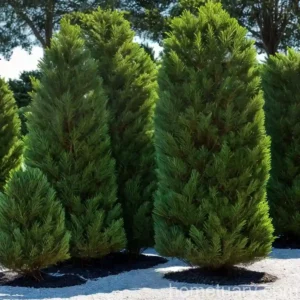
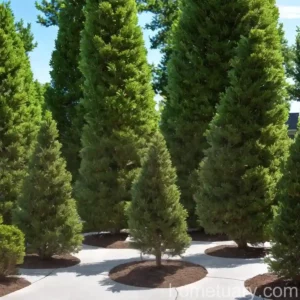
The western red cedar, or Thuja plicata ‘Aurea,’ is a cultivar of the western red cedar species. This species belongs to the cypress family (Cupressaceae) and is native to the coastal regions of North America, primarily the Pacific Northwest. Thuja plicata ‘Aurea’ is distinguished by its striking golden-yellow foliage, which presents a captivating contrast to its conventional green relatives. While it shares many characteristics with the standard western red cedar, the ‘Aurea’ variety offers a unique and vibrant aesthetic to landscapes, making it a sought-after choice for ornamental plantings.
Key Takeaways – Western Red Cedar (Thuja plicata ‘Aurea’)
Before we embark on the specifics of cultivating and caring for the western red cedar ‘Aurea,’ let’s take a moment to highlight the key takeaways regarding this remarkable plant.
- Plant Name: Western Red Cedar (Thuja plicata ‘Aurea’)
- Scientific Name: Thuja plicata ‘Aurea’
- Cultural Significance: Valued for its ornamental beauty and ecological significance
- Foliage: Distinctive golden-yellow foliage
- Uses: Ornamental planting, wildlife habitat, erosion control, and timber production
- Cultivation: Adaptable to various soil types, prefers moist environments, and requires minimal pruning
With these key points in mind, let’s delve into the intricate details of growing and nurturing the western red cedar ‘Aurea.’
Culture
Understanding the cultural requirements of the western red cedar ‘Aurea’ is essential for ensuring its optimal growth and health.
Uses
The western red cedar ‘Aurea’ boasts multiple uses, ranging from ornamental plantings to ecological contributions. Some of its key uses include:
- Ornamental Planting: The vibrant golden foliage of ‘Aurea’ makes it a popular choice for ornamental landscaping, adding a striking visual element to gardens, parks, and residential areas.
- Wildlife Habitat: The dense foliage of the western red cedar provides nesting sites and shelter for various bird species, contributing to the biodiversity of the ecosystem.
- Erosion Control: With its extensive root system, the western red cedar ‘Aurea’ helps stabilize soil on slopes and riverbanks, making it an effective erosion control plant.
- Timber Production: The timber of the western red cedar is highly valued for its durability and decay resistance, making it a sought-after material for construction and woodworking.
Water
Proper watering is crucial for the health and vigor of the western red cedar ‘Aurea.’ While it is relatively adaptable to different moisture levels, it thrives in consistently moist soil, particularly during the initial establishment phase.
- Water Needs: Requires regular watering, especially during dry periods, to maintain soil moisture and promote healthy growth.
- Drainage: Ensure that the planting site has adequate drainage to prevent waterlogging, which can lead to root rot and other water-related issues.
Sunlight
The sunlight preferences of the western red cedar ‘Aurea’ play a significant role in its growth and vitality.
- Light Requirements: Thrives in full sun to partial shade, preferably receiving at least 6 hours of direct sunlight daily.
- Shade Tolerance: Can tolerate partial shade but may exhibit reduced foliage density and slower growth in shady conditions.
Fertilizer
Appropriate fertilization can enhance the growth and appearance of the western red cedar ‘Aurea,’ ensuring that it receives essential nutrients for its development.
- Fertilization Schedule: Apply a balanced, slow-release fertilizer in early spring to provide the necessary nutrients for the growing season.
- Application Method: Distribute the fertilizer evenly around the base of the plant, avoiding direct contact with the foliage, and water it in thoroughly.
- Avoid Over-fertilization: Refrain from excessive fertilizer application, as it can lead to nutrient imbalances and potential damage to the plant.
Soil
The soil requirements of the western red cedar ‘Aurea’ are pivotal for its successful cultivation, as they influence its root development and overall well-being.
- Soil Type: Thrives in moist, well-draining soils with a slightly acidic to neutral pH range (pH 5.0-7.0).
- Moisture Retention: Benefits from soils with good moisture retention capacity, particularly during the establishment phase and hot, dry periods.
- Soil Amendments: Incorporating organic matter such as compost or peat moss into the soil can improve its structure and moisture-holding capacity, creating an optimal environment for the ‘Aurea’ cultivar.
Pruning
Pruning is a fundamental aspect of maintaining the aesthetic appeal and structural integrity of the western red cedar ‘Aurea.’ Proper pruning techniques can also contribute to its overall health and resilience.
- Pruning Time: Conduct pruning tasks during the dormant season in late winter or early spring to minimize stress on the plant and promote vigorous regrowth.
- Goals of Pruning: Remove dead or damaged branches, shape the canopy, and maintain a balanced form while preserving the natural beauty of the ‘Aurea’ cultivar.
- Pruning Techniques: Use clean, sharp pruning tools to make precise cuts, avoiding excessive pruning that may compromise the plant’s vigor and appearance.
Propagation
Expanding the population of western red cedar ‘Aurea’ often involves propagation techniques such as seed sowing, cuttings, or grafting. Each method offers unique advantages and considerations for successful propagation.
Seed Propagation
Growing the ‘Aurea’ cultivar from seeds can be a rewarding process, allowing for the cultivation of new individuals with diverse genetic traits.
- Seed Collection: Collect mature cones from the parent plant, extract the seeds, and stratify them in a moist, cool environment to break dormancy.
- Seed Sowing: Plant the stratified seeds in a seed tray or prepared bed, ensuring adequate moisture and protection from extreme temperatures and potential predators.
- Germination Time: It may take several weeks to months for the seeds to germinate, so patience and consistent care are essential throughout the germination process.
Cutting Propagation
Vegetative propagation through cuttings offers an efficient method for reproducing the desirable characteristics of the ‘Aurea’ cultivar.
- Cutting Preparation: Select healthy, non-flowering branches and take semi-hardwood cuttings with a sharp, sterile blade, ensuring that each cutting has several nodes.
- Rooting Medium: Plant the cuttings in a well-draining rooting medium such as a mix of perlite and peat moss, maintaining adequate moisture and humidity for successful rooting.
- Rooting Hormone: Dip the base of the cuttings in a rooting hormone to promote the formation of adventitious roots and enhance their rooting ability.
Grafting
Grafting offers a means of propagating the ‘Aurea’ cultivar while maintaining the desirable traits of the parent plant.
- Scion Selection: Choose a healthy, disease-free scion of the ‘Aurea’ cultivar and graft it onto a compatible rootstock, ensuring proper alignment and union between the two parts.
- Grafting Technique: Employ a suitable grafting method such as cleft grafting or whip-and-tongue grafting, securing the graft union and protecting it from desiccation and pathogens.
Container Popularity
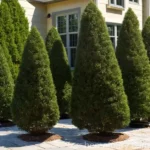
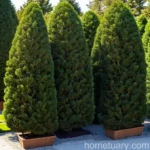
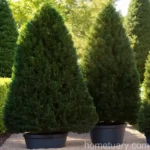
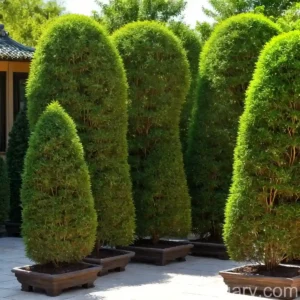
While the western red cedar ‘Aurea’ is often planted directly in the ground, it can also thrive when cultivated in containers, adding a touch of elegance to patios, decks, and outdoor living spaces.
- Container Selection: Choose a large, sturdy container with ample drainage holes to accommodate the ‘Aurea’ cultivar’s root system and facilitate proper drainage.
- Growing Medium: Use a high-quality, well-draining potting mix to provide essential aeration and moisture retention for the plant.
- Container Care: Regularly monitor the moisture levels in the container, water as needed, and ensure that the ‘Aurea’ receives adequate sunlight for healthy growth.
Common Diseases
Like many plants, the western red cedar ‘Aurea’ is susceptible to certain diseases that can compromise its health and vigor. Understanding these potential ailments is crucial for implementing preventative measures and effective management strategies.
Disease Diagnosis
Diagnosing diseases in the ‘Aurea’ cultivar involves recognizing the symptoms and signs of common afflictions that can affect the foliage, stems, and overall vitality of the plant.
- Common Diseases: Watch for symptoms of needle blight, root rot, and cedar rust, which can manifest as discoloration, dieback, or lesions on the foliage and branches.
- Consultation: If unfamiliar symptoms or widespread issues arise, seek guidance from local extension services or plant health professionals for accurate disease diagnosis and management recommendations.
Common Pests
Pests can pose a significant threat to the health and aesthetics of the western red cedar ‘Aurea,’ requiring vigilant monitoring and appropriate control measures to mitigate their impact.
- Pest Identification: Be attentive to common pests such as cedar aphids, spider mites, and scale insects that may infest the ‘Aurea’ cultivar, causing damage to the foliage and compromising its overall vigor.
- Integrated Pest Management: Employ cultural, biological, and if necessary, targeted chemical control measures to manage pest populations while minimizing potential harm to non-target organisms and the environment.
Botanist’s Tips
Armed with botanical insights and practical recommendations, plant enthusiasts and horticulturalists can optimize the growth and vitality of the western red cedar ‘Aurea’ in various settings.
Fun Facts
Discover some intriguing and lesser-known facts about the western red cedar ‘Aurea’ that shed light on its ecological importance and cultural significance.
- Longevity: Western red cedars can live for hundreds of years, with some individuals reaching ages well over a millennium.
- Wildlife Support: The ‘Aurea’ cultivar provides essential habitat and forage for numerous bird species, promoting biodiversity in its environment.
- Traditional Use: Indigenous peoples have utilized various parts of the western red cedar for millennia, honoring its significance in cultural ceremonies and everyday life.
Links to External Resources
For further exploration of the western red cedar ‘Aurea’ and related topics, consider these valuable external resources:
- The American Conifer Society – Access a wealth of information on conifers, including the cultivation and conservation of western red cedars.
- USDA Plant Database – Explore detailed botanical information and distribution maps for the western red cedar species and its cultivars.
- Arbor Day Foundation – Learn about the environmental benefits and conservation efforts associated with planting and caring for western red cedars.
Conclusion
As we conclude this in-depth exploration of the western red cedar ‘Aurea,’ it is clear that this remarkable plant holds immense cultural, ecological, and horticultural significance. From its striking foliage to its versatile uses, Thuja plicata ‘Aurea’ continues to captivate and inspire enthusiasts, conservationists, and plant scientists alike. By embracing the best practices for its culture, propagation, and maintenance, we can ensure the continued vitality and splendor of the western red cedar ‘Aurea’ in our landscapes and ecosystems.
In the words of John Muir, “Between every two pines is a doorway to a new world,” let the western red cedar ‘Aurea’ be the doorway to a world of beauty, resilience, and wonder in our natural surroundings.
References:
- Habeck, R. J. (1992). Diseases and Pests of Ornamental Plants. Chilton Book Co.
- “Thuja plicata ‘Aurea’.” Missouri Botanical Garden, www.missouribotanicalgarden.org.
- “Thuja plicata ‘Aurea’.” Royal Horticultural Society, www.rhs.org.uk.
- Sinclair, W. A., Lyon, H. H., & Johnson, W. T. (1987). Diseases of Trees and Shrubs. Cornell University Press.