Plant Scientist Insights: Exploring the Wonders of Columbine Plant
Introduction
As a plant scientist, I am always fascinated by the diversity and beauty of plant species. In this article, we will delve into the captivating world of the Columbine plant, specifically focusing on the Aquilegia viridiflora ‘Chocolate Soldier’ variety. We will explore its culture, uses, care tips, propagation techniques, common diseases and pests, as well as some interesting fun facts. By the end of this comprehensive guide, you will have a deeper understanding of this remarkable plant and how to cultivate it successfully.
What is the Columbine Plant?
The columbine, scientifically known as Aquilegia, is a genus of perennial plants that belong to the family Ranunculaceae. These enchanting plants are renowned for their distinct spurred petals and unique flower shapes, making them a beloved choice for gardeners and plant enthusiasts.
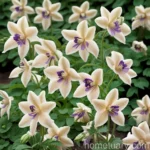
Aquilegia viridiflora ‘Chocolate Soldier’ is a particular cultivar of the columbine species that has garnered attention for its stunning chocolate-hued flowers. Its rich, earthy color adds a touch of elegance to any garden, making it a sought-after addition to diverse landscapes. This cultivar’s botanical name, “Aquilegia viridiflora,” reflects its vibrant and lively nature, while the ‘Chocolate Soldier’ label alludes to the warm, inviting color of its blooms.
Key Takeaways – Columbine (Aquilegia viridiflora ‘Chocolate Soldier’)
Before we delve into the various aspects of the Columbine plant, let’s briefly review the key takeaways that we will explore in this comprehensive guide.
Culture
– Understanding the ideal growing conditions for Aquilegia viridiflora ‘Chocolate Soldier’
Uses
– Exploring the versatile uses of Columbine plants, from ornamental to medicinal and culinary applications
Water
– Determining the optimal watering practices to promote healthy growth and blooming
Sunlight
– Identifying the sunlight requirements for maximizing the plant’s vigor and flowering potential
Fertilizer
– Choosing the right fertilization approach to support robust growth
Soil
– Exploring the preferred soil conditions for cultivating Columbine plants
Pruning
– Learning the essential techniques for maintaining the plant’s shape and vigor
Propagation
– Exploring effective methods for propagating Aquilegia viridiflora ‘Chocolate Soldier’
Container Popularity
– Understanding its suitability for container gardening
Common Diseases and Pests
– Identifying potential threats and effective management strategies
Botanist’s Tips
– Insights and recommendations from experts in the field
Fun Facts
– Engaging tidbits about Columbine plants to ignite your curiosity
Links to External Resources
– Accessing additional information and resources for further exploration of the Columbine plant
Now that we have outlined the key components of our guide let’s embark on an exciting journey to discover the alluring world of Columbine plants.
Culture
Understanding the cultural requirements of Aquilegia viridiflora ‘Chocolate Soldier’ is essential for fostering its health and vitality. By creating an environment that mirrors its natural habitat, you can ensure that this captivating variety thrives and graces your garden with its exquisite blooms.
Water
Proper watering is fundamental to the overall well-being of Columbine plants. While these resilient perennials can tolerate some degree of drought, they thrive best in consistently moist soil. However, it’s important to strike a balance and avoid waterlogged conditions, which can lead to root rot and other detrimental issues.
Watering Tips:
-
Consistent Moisture: Aim to keep the soil consistently moist, especially during the active growing season and flowering period.
-
Mulching: Applying a layer of organic mulch around the base of the plant can help retain soil moisture and regulate temperature.
-
Morning Watering: Watering in the morning allows excess moisture to evaporate during the day, reducing the risk of fungal diseases.
Sunlight
Columbine plants exhibit a versatile nature when it comes to sunlight exposure. While they appreciate ample sunlight, they also thrive in partially shaded areas, making them suitable for various garden settings. When cultivating Aquilegia viridiflora ‘Chocolate Soldier’, understanding its sunlight preferences is crucial for promoting robust growth and profuse flowering.
Sunlight Needs:
-
Partial Shade: Consider planting Columbine in locations with partial shade, especially in regions with intense afternoon sun.
-
Morning Sun: Providing morning sunlight is beneficial, as it allows the plant to photosynthesize effectively while avoiding the harsh midday rays.
-
Adaptable Nature: Columbine plants demonstrate adaptability to different light conditions, making them versatile additions to diverse garden environments.
Fertilizer
Applying an appropriate fertilizer can provide the necessary nutrients for Columbine plants to flourish. However, it’s important to avoid over-fertilization, which can lead to excessive foliage growth at the expense of flower production. Understanding the ideal fertilization approach is crucial for supporting the plant’s balanced development.
Fertilization Guidelines:
-
Balanced Fertilizer: Utilize a balanced, slow-release fertilizer to provide essential nutrients without promoting excessive vegetative growth.
-
Application Timing: Fertilize in early spring when new growth emerges, and consider a light application in mid-summer to sustain flowering.
-
Avoid Over-Fertilizing: Resisting the temptation to over-fertilize is crucial, as it can disrupt the plant’s natural balance and vitality.
Soil
Creating a conducive soil environment is essential for nurturing healthy Columbine plants. These perennials thrive in well-draining soil with a rich organic content, enabling them to establish strong roots and flourish throughout the growing season.
Soil Preferences:
-
Well-Draining Soil: Columbine plants prefer well-draining soil to prevent waterlogging and potential root issues.
-
Rich Organic Content: Incorporating organic matter such as compost or well-rotted manure enhances soil fertility and structure.
-
Acidic to Neutral pH: Columbine thrives in slightly acidic to neutral soil pH levels, typically ranging from 6.0 to 7.0.
In the next sections, we will explore the uses of Columbine plants, essential pruning techniques, and effective propagation methods for Aquilegia viridiflora ‘Chocolate Soldier’.
Uses
Columbine plants, including the captivating Aquilegia viridiflora ‘Chocolate Soldier’, offer an array of uses that extend beyond ornamental beauty. Let’s delve into the versatile applications of these remarkable plants, from their aesthetic appeal to medicinal and culinary potentials.
Ornamental Beauty
One of the primary uses of Columbine varieties is their ornamental value. The distinct, spurred petals and vibrant flower colors make them prized additions to garden beds, borders, and containers. Aquilegia viridiflora ‘Chocolate Soldier’ captivates with its unique chocolate-hued blooms, adding a touch of elegance and allure to any landscape.
Garden Design:
-
Mixed Borders: Columbine plants can be effectively integrated into mixed borders, adding depth and visual interest with their unique flower shapes and colors.
-
Rock Gardens: Their compact growth habit and striking blooms make them ideal for rock garden settings, where they provide bursts of color and delicate beauty.
Culinary and Medicinal Uses
Beyond their visual appeal, some species of Columbine have been historically used in culinary and medicinal applications. However, it’s essential to exercise caution and consult reliable sources before considering any culinary or medicinal use, as certain parts of the plant may contain toxic compounds.
Historic Significance:
-
Traditional Medicine: The roots of certain Columbine species have been historically used in traditional medicine for various ailments and conditions.
-
Culinary Explorations: While the culinary uses of Columbine are less common, historical records suggest that certain parts of the plant were utilized in cooking in the past.
In the coming sections, we will delve into essential pruning techniques, propagation methods, and identify common diseases and pests that may affect Columbine plants, including Aquilegia viridiflora ‘Chocolate Soldier’.
Water
In this section, we will explore the water requirements of Columbine plants, with a specific focus on Aquilegia viridiflora ‘Chocolate Soldier’. Understanding the optimal watering practices is crucial for promoting healthy growth and abundant flowering in these captivating perennials.
Watering Guidelines
Columbine plants benefit from consistent moisture throughout the growing season, especially during periods of active growth and flowering. Adequate watering is essential for sustaining their vigor and ensuring the development of robust, well-nourished blooms.
Frequency and Moisture Level:
-
Consistent Moisture: Aim to keep the soil consistently moist, but not waterlogged, to support the plant’s growth and flowering potential.
-
Prevent Drying Out: Avoid allowing the soil to dry out completely, as this can stress the plant and affect its overall health.
-
Mulching Benefits: Applying a layer of organic mulch around the base of the plant helps retain moisture and regulate soil temperature, promoting an optimal growing environment.
Sunlight
Understanding the sunlight preferences of Columbine plants, including the captivating Aquilegia viridiflora ‘Chocolate Soldier’, is essential for establishing an environment that fosters their health and vitality. By providing the ideal sunlight conditions, you can promote vigorous growth and profuse flowering in these remarkable perennials.
Sunlight Needs
Columbine plants exhibit a versatile nature when it comes to sunlight exposure, adaptable to both partial shade and direct sunlight in certain conditions. Understanding their specific sunlight requirements is crucial for maximizing their ornamental value and overall health.
Partial Shade Tolerance:
-
Morning Sun: Providing morning sunlight is beneficial, as it allows the plant to photosynthesize effectively while avoiding the intense midday rays.
-
Afternoon Shade: In regions with intense afternoon sun, providing partial shade during the hottest part of the day helps prevent stress and sunburn on the foliage.
-
Adaptability: Columbine plants showcase adaptability to varying light conditions, making them versatile additions to diverse garden settings.
In the subsequent sections, we will explore the significance of effective fertilizer application, the preferred soil conditions for Columbine plants, and essential pruning techniques to maintain their vigor and beauty.
Conclusion
In this comprehensive guide, we have embarked on an enriching exploration of the Columbine plant, with a specific focus on the intriguing Aquilegia viridiflora ‘Chocolate Soldier’ variety. From understanding its cultural requirements to exploring its uses, pruning techniques, and propagation methods, we have gained valuable insights into nurturing and cultivating these captivating perennials.
By integrating the knowledge and recommendations presented in this guide, you can cultivate Columbine plants with confidence, fostering their health, vibrancy, and ornamental beauty in your garden. Whether you are a seasoned gardener or a passionate plant enthusiast, the allure of the Columbine plant, with its enchanting blooms and versatile uses, is sure to captivate and inspire your botanical endeavors.
As we conclude our exploration, let’s celebrate the enduring charm and inherent splendor of the Columbine plant, embracing its botanical wonders and enriching our lives with its grace and elegance.
References:
- McGeorge, Pam. “Columbine Plant: How to Grow and Care for Aquilegia.” The Old Farmer’s Almanac, 22 May 2020, www.almanac.com/plant/columbine.
- Ellis, Terry. “A Whole New World of Columbines.” FineGardening, The Taunton Press, 1 Feb. 2005, www.finegardening.com/article/a-whole-new-world-of-columbines.
- North Carolina State Extension Gardener Handbook, “Aquilegia canadensis.” NC State University, content.ces.ncsu.edu/aquilegia-canadensis.
- RHS Gardening, “Aquilegia.” The Royal Horticultural Society, www.rhs.org.uk/plants/popular/aquilegia.