Red Columbine (Aquilegia Canadensis)
Have you ever come across the delicate beauty of the red columbine plant (Aquilegia canadensis)? This stunning native wildflower of North America has been.
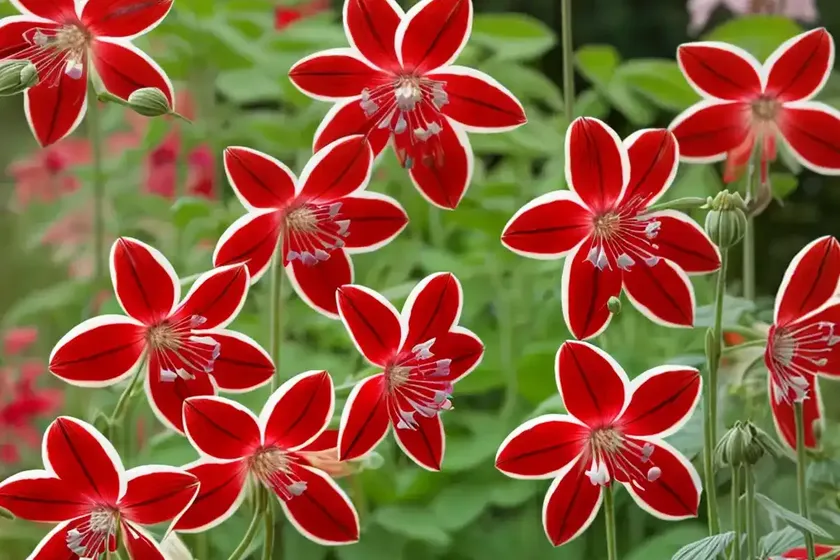
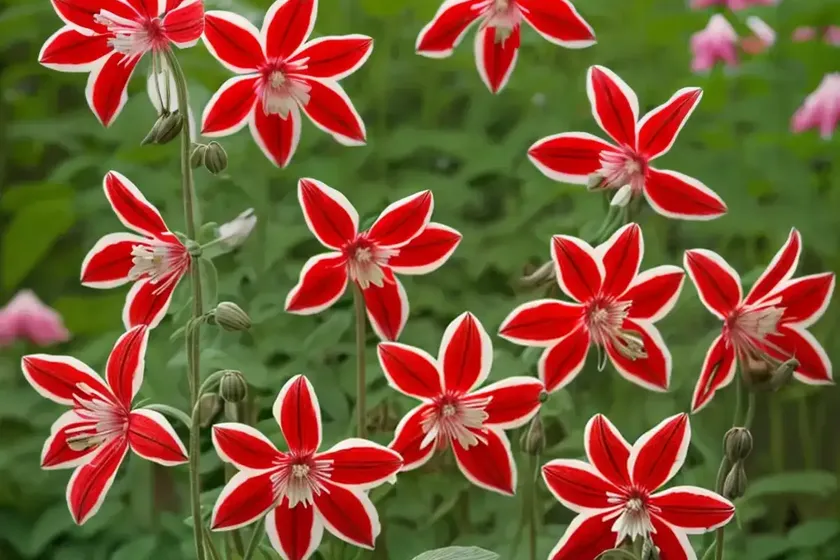
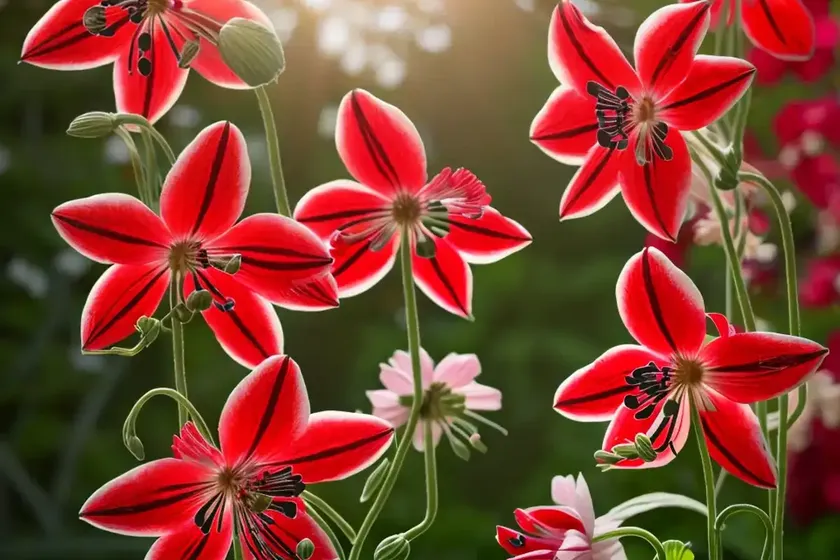
Have you ever come across the delicate beauty of the red columbine plant (Aquilegia canadensis)? This stunning native wildflower of North America has been capturing the attention of plant enthusiasts and landscaping professionals alike for generations. Renowned for its vibrant red and yellow flowers and its versatility in a variety of cultivation environments, the red columbine has earned its place as a cherished species in the world of horticulture. In this comprehensive guide, we will delve into the intricate details of the red columbine plant, exploring its characteristics, uses, cultivation techniques, maintenance, and much more. Whether you’re an avid gardener, a landscaping aficionado, or simply someone with an appreciation for the natural world, join me on this journey to discover the wonders of Aquilegia canadensis.
What is Red Columbine (Aquilegia canadensis)?
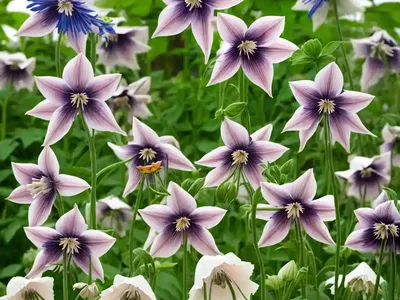
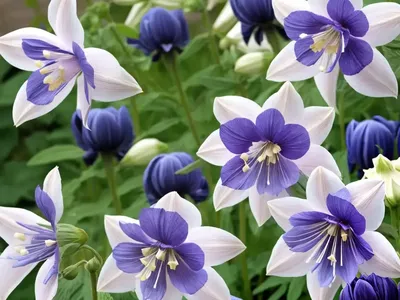
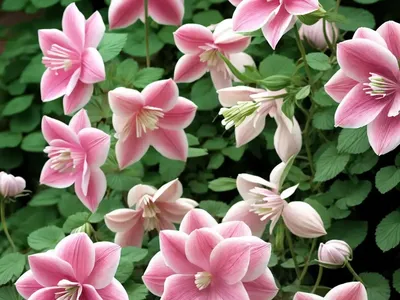
The red columbine, scientifically known as Aquilegia canadensis, is a perennial herbaceous plant belonging to the genus Aquilegia and the buttercup family (Ranunculaceae). This native North American wildflower is renowned for its distinct, bell-shaped flowers with red sepals and yellow petals. Its graceful and intricate appearance makes it an attractive choice for gardens, natural landscapes, and even indoor settings. With its ability to attract pollinators and its rich cultural and medicinal history, the red columbine holds a special place in the hearts of many plant enthusiasts.
Key Takeaways – Red Columbine (Aquilegia canadensis)
Before we begin our exploration of the red columbine plant, let’s provide a quick overview of the key takeaways we will cover in this guide:
Culture
- Understanding the cultural significance and historical uses of red columbine
- Utilization of red columbine in folklore and symbolism
Uses
- Exploring the traditional and modern uses of red columbine
- Recognizing the ecological importance and wildlife attractions associated with the plant
Water
- Discussing the water requirements and irrigation strategies for red columbine
Sunlight
- Identifying the optimal sunlight conditions for the healthy growth of red columbine
Fertilizer
- Understanding the nutritional needs of red columbine and the role of fertilizers in its cultivation
Soil
- Examining the soil requirements and ideal growing mediums for red columbine
Pruning
- Techniques and best practices for pruning red columbine to maintain its health and appearance
Propagation
- Exploring the methods of propagating red columbine to expand its presence in gardens
Container Popularity
- Acknowledging the potential of red columbine in container gardening and indoor cultivation
Common Diseases
- Identifying common diseases that may affect red columbine and methods for diagnosis and control
Common Pests
- Recognizing the potential pests that can challenge the well-being of red columbine and strategies for pest management
Botanist’s Tips
- Expert insights and recommendations for the successful cultivation and care of red columbine
Fun Facts
- Engaging and fascinating facts about red columbine and its natural history
Links to External Resources
- Access to reliable external resources for further information on red columbine and its cultivation
Now that we have outlined the key aspects of our journey, let’s embark on an in-depth exploration of the red columbine plant, ranging from its cultural significance to its practical uses and from cultivation techniques to plant care and maintenance.
Culture
Historical and Cultural Significance
The red columbine has been an integral part of the cultural and historical tapestry of North America. Indigenous tribes such as the Iroquois used various parts of the plant for medicinal and ritualistic purposes. The nectar of the flowers was traditionally used in a ceremonial context. Additionally, the red columbine has been associated with symbolism and folklore, often revered for its beauty and resilience. Its appearance in different ecosystems has contributed to its role as a revered plant in numerous cultural narratives.
Uses
Traditional and Modern Applications
The traditional uses of red columbine are deeply rooted in Native American practices where the plant was valued for its medicinal and ceremonial significance. Despite its toxicity when consumed in large quantities, it was utilized to treat various ailments and as a natural dye. In modern times, red columbine continues to be appreciated for its ornamental value, often being incorporated into gardens and natural landscapes.
Ecological Importance and Wildlife Attraction
The red columbine is more than just a visually appealing plant; it plays a vital role in supporting ecological diversity. The nectar-rich flowers attract a range of pollinators including butterflies, bees, and hummingbirds, contributing to the pollination of surrounding plants and the overall health of the ecosystem. The plant’s adaptability to different habitats enhances its ecological importance and its ability to support diverse wildlife.
Plant Care
In order to cultivate and maintain a thriving red columbine plant, it is essential to understand its specific care requirements. Let’s explore the key aspects of caring for red columbine, covering water needs, sunlight requirements, fertilization, soil preferences, pruning techniques, propagation methods, container gardening potential, pest and disease control, and additional botanist’s tips for optimal plant care.
Water
Proper watering is crucial in maintaining the health and vigor of red columbine. While the plant thrives in moist conditions, it is important to avoid waterlogging the soil. Adequate drainage is essential to prevent root rot and other moisture-related issues. During the growing season, regular watering is necessary, paying attention to the soil’s moisture level to avoid both drought stress and waterlogged conditions. Watering in the morning helps to minimize the risk of fungal diseases, as the foliage has time to dry before nightfall.
Sunlight
Red columbine appreciates dappled sunlight or partial shade, especially in regions with warmer climates. While it can withstand full sun in cooler environments, partial shade is often preferred for its optimal growth. Providing the plant with the right balance of sunlight is essential for ensuring vibrant blooms and overall plant health.
Fertilizer
In terms of fertilization, red columbine generally does not require heavy feeding. Applying a balanced, slow-release fertilizer in the spring can provide the necessary nutrients for healthy growth and flowering. It’s important to follow the recommended application rates to avoid over-fertilization, which can lead to excessive vegetative growth at the expense of flowers.
Soil
Red columbine flourishes in well-drained, organic-rich soil. A slightly acidic to neutral pH level is preferred for optimal growth. When planting in garden beds, amending the soil with organic matter such as compost can enhance its fertility and structure, creating an ideal environment for the plant to thrive. Additionally, mulching around the base of the plant helps to retain moisture and suppress weeds, contributing to the overall health of the plant.
Pruning
Pruning red columbine involves the removal of spent flowers and any diseased or damaged foliage. Deadheading the flowers not only promotes continuous blooming but also prevents self-seeding, which can lead to excessive spreading in some environments. Regular inspection for signs of pests or diseases is essential, and affected plant parts should be promptly removed to prevent the spread of infestations or infections.
Propagation
Red columbine can be propagated through various methods such as seed sowing, division, and root cuttings. Collecting seeds from mature plants allows for the expansion of the plant’s presence in different areas of the garden. Division, typically performed in the early spring, helps to rejuvenate established clumps and promote vigorous growth. Root cuttings provide an additional method for propagating red columbine, offering versatility in expanding its population.
Container Popularity
The red columbine’s graceful appearance and modest size make it an excellent candidate for container gardening. Whether on a balcony, terrace, or patio, the plant adds a touch of elegance to any outdoor space. When cultivating red columbine in containers, it is essential to use well-draining potting mix and to provide adequate watering and light conditions. Container-grown red columbine brings the allure of the wild into urban and confined settings, offering a refreshing visual and ecological impact.
Common Diseases
While generally resilient to diseases, red columbine can be susceptible to fungal infections such as powdery mildew, particularly in humid conditions. Proper air circulation and avoiding overhead watering can significantly reduce the risk of fungal diseases. Additionally, prompt removal and disposal of infected plant parts can help prevent the spread of diseases and maintain the plant’s health.
Common Pests
Red columbine may encounter pests such as aphids, caterpillars, and leaf miners. Regular monitoring of the plant for signs of pest infestations is crucial, as early detection allows for effective intervention. Non-toxic pest control methods, including the introduction of beneficial insects or the use of horticultural oils, can help manage pest populations without harming the surrounding environment.
Botanist’s Tips
-
Companion Planting: Pairing red columbine with other native, pollinator-friendly plants can create a biodiverse and visually appealing garden or landscape. Consider incorporating species such as milkweed, coneflowers, and bee balm to attract a variety of beneficial insects and wildlife.
-
Winter Care: Providing a layer of mulch around the base of red columbine plants in the late fall helps insulate the roots and protect them from extreme temperature fluctuations. This is particularly beneficial in regions with harsh winters.
-
Soil Maintenance: Regularly amending the soil with organic matter and maintaining its fertility is essential for the long-term health and vigor of red columbine. A healthy soil ecosystem supports the plant’s growth and resilience.
-
Pollination Support: Creating a pollinator-friendly environment around red columbine plants not only benefits the plant itself but also contributes to the overall health of the ecosystem. Embracing a wildlife-friendly approach in gardening enhances the ecological impact of red columbine.
Fun Facts
- The genus name “Aquilegia” is derived from the Latin word “aquila,” which means eagle. This is a reference to the spurs of the flowers, which are said to resemble an eagle’s talons.
- Red columbine flowers are edible in small quantities and have been used as a decorative addition to salads and desserts in some culinary traditions.
- The plant’s delicate, nodding blooms have earned it endearing common names such as “honeysuckle columbine” and “hollowheart.”
Links to External Resources
For further information and resources related to red columbine (Aquilegia canadensis), consider exploring the following external sources:
- Wildflower.org – Plant Database: Aquilegia canadensis
- The Native Plant Society: Growing Red Columbine
- Gardening Know How: Red Columbine: Aquilegia Canadensis
- Lady Bird Johnson Wildflower Center: Landscaping with Native Plants
- USDA Plants Database: Aquilegia canadensis
As we conclude our comprehensive guide to red columbine (Aquilegia canadensis), I hope this exploration has deepened your appreciation for this remarkable plant. Whether you are considering adding it to your garden, seeking to enhance your ecological landscape, or simply intrigued by its cultural and natural significance, the red columbine holds a wealth of beauty and value awaiting your discovery. Embrace the allure of this native wildflower and witness the enchanting impact it can bring to your surroundings. Happy gardening, and may the red columbine inspire you to cultivate a deeper connection with the natural world!