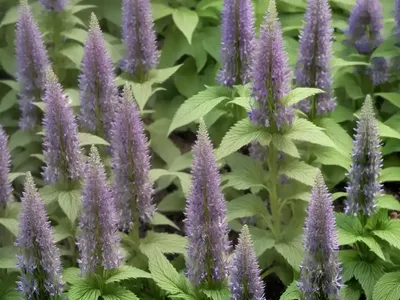
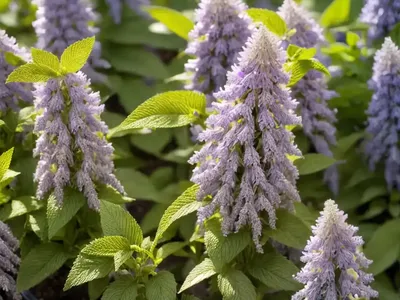
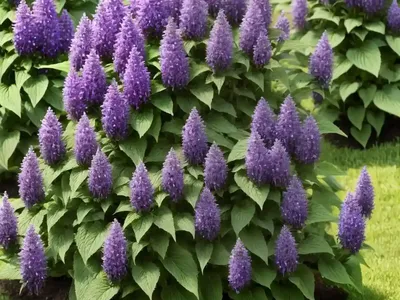
Giant Hyssop (Agastache ‘Blue Boa’)
In the vast and diverse realm of plants, there exists a stunning and versatile species known as Giant Hyssop (Agastache ‘Blue Boa’). This captivating.
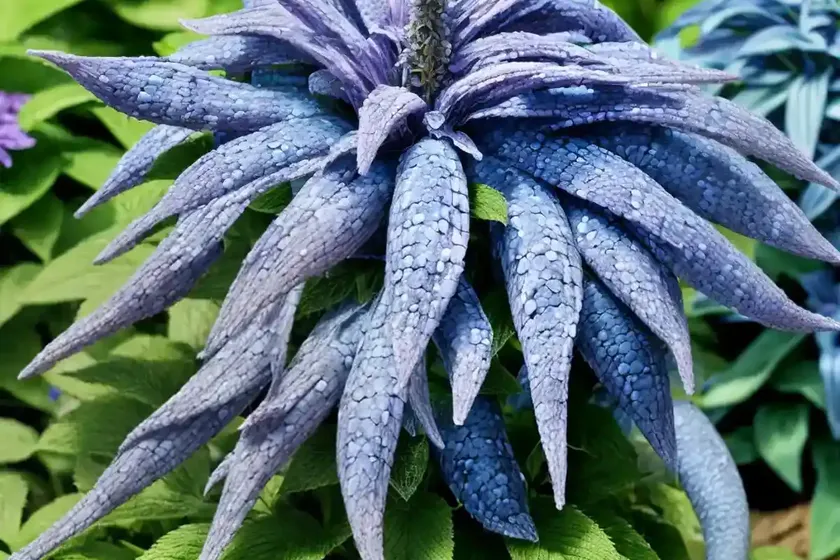
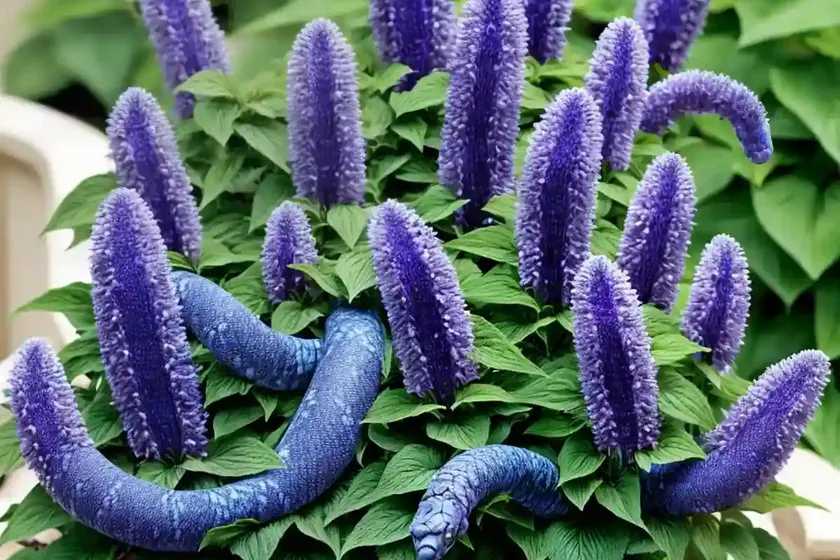
In the vast and diverse realm of plants, there exists a stunning and versatile species known as Giant Hyssop (Agastache ‘Blue Boa’). This captivating plant, with its clusters of vibrant blue flowers and aromatic foliage, is a sight to behold and a delight to cultivate. As a plant scientist, I am thrilled to take you on a journey through the enchanting world of the Giant Hyssop, also known as Agastache ‘Blue Boa’. In this comprehensive guide, we will explore the essential aspects of its culture, uses, care requirements, common diseases, pests, and much more. So prepare to be immersed in the captivating world of the Agastache ‘Blue Boa’!
What is Giant Hyssop (Agastache ‘Blue Boa’)?
Giant Hyssop, scientifically known as Agastache ‘Blue Boa’, is a herbaceous perennial plant that belongs to the mint family, Lamiaceae. This stunning plant is prized for its stunning, densely packed, violet-blue flower spikes that adorn its upright stems. Originating from North America, Agastache ‘Blue Boa’ has gained popularity among gardeners for its ornamental appeal and diverse array of uses.
Key Takeaways – Giant Hyssop (Agastache ‘Blue Boa’)
Before delving into the intricacies of this mesmerizing plant, let’s grasp the key takeaways that will guide our exploration:
- Agastache ‘Blue Boa’: A notable variety of Giant Hyssop renowned for its striking violet-blue flowers and aromatic foliage.
- Culture: Understanding the optimal conditions and elements required for the successful growth and development of Giant Hyssop.
- Uses: Exploring the versatile applications of Agastache ‘Blue Boa’ in landscaping, culinary pursuits, and herbal remedies.
- Care Requirements: Detailed insights into essential aspects such as water, sunlight, fertilizer, soil, pruning, and propagation.
- Common Diseases and Pests: Identifying potential threats to Giant Hyssop and strategies for their management and prevention.
- Botanist’s Tips: Valuable recommendations and insights from botanical experts for nurturing and maximizing the potential of Agastache ‘Blue Boa’.
- Fun Facts: Uncovering intriguing and fascinating aspects of Giant Hyssop that add to its allure and mystique.
- Links to External Resources: Providing access to reputable sources and resources for further exploration and information.
Now, armed with a clear roadmap, let’s embark on a captivating exploration of the Giant Hyssop, Agastache ‘Blue Boa’.
Culture
Understanding the cultural requirements of Agastache ‘Blue Boa’ is fundamental for ensuring its thriving growth and blossoming beauty. This encompasses a diverse range of elements, including water, sunlight, fertilizer, soil, and pruning.
Water
The water requirement of Giant Hyssop is fairly straightforward as it prefers well-drained soil and does not tolerate waterlogging. It is essential to maintain moderate soil moisture, especially during its initial establishment phase and hot, dry periods. Once established, Giant Hyssop exhibits admirable drought tolerance, making it an excellent choice for water-wise landscaping and gardens. However, consistent moisture is beneficial for promoting robust growth and prolific flowering.
Sunlight
Agastache ‘Blue Boa’ thrives in full sun and benefits from basking in at least six to eight hours of sunlight daily. This plant’s performance and flowering potential are optimized when provided with ample sunlight. It is crucial to ensure that the planting location offers the necessary sun exposure to harness the full splendor of Giant Hyssop’s delightful blooms and aromatic foliage.
Fertilizer
When it comes to fertilizing Giant Hyssop, a balanced, slow-release fertilizer can be applied in early spring to provide the necessary nutrients for vigorous growth and abundant flowering. Opt for a fertilizer with a formulation such as 10-10-10 or 14-14-14, and follow the recommended application rates provided on the product label. It is important to avoid over-fertilization, as excessive nitrogen can lead to lush foliage at the expense of flower production.
Soil
The ideal soil for Giant Hyssop is well-drained and moderately fertile, with a slightly acidic to neutral pH range of 6.0 to 7.5. The plant demonstrates adaptability to various soil types, including loamy, sandy, or rocky soils, as long as they offer good drainage. Amending the soil with organic matter, such as compost, can enhance its structure, fertility, and moisture retention, benefiting the overall health and vitality of Agastache ‘Blue Boa’.
Pruning
Pruning plays a pivotal role in maintaining the attractiveness and vigor of Giant Hyssop. Regular deadheading, which involves removing spent blooms, encourages continuous flowering and prevents the plant from expending energy on seed production. Additionally, cutting back the stems in early spring promotes compact growth and stimulates the emergence of fresh foliage and flower buds. It is advisable to refrain from excessive pruning during the active growing season to avoid limiting the plant’s blooming potential.
Uses
The enchanting allure of Agastache ‘Blue Boa’ extends beyond its ornamental value, encompassing a diverse array of uses that showcase its versatility and appeal in various contexts.
Landscaping
In the realm of landscaping, Giant Hyssop, with its striking vertical floral spikes and aromatic leaves, serves as a captivating focal point in flower beds, borders, and perennial gardens. Its vibrant blue flowers complement a spectrum of garden color schemes and harmonize well with an assortment of companion plants, creating visually stunning and harmonious landscapes. Furthermore, Giant Hyssop’s tolerance for hot, sunny conditions makes it an excellent candidate for xeriscaping and Mediterranean-style gardens, adding bursts of color and allure to arid landscapes.
Culinary Pursuits
The aromatic foliage of Agastache ‘Blue Boa’ emits a delightful fragrance reminiscent of mint and is occasionally used in culinary applications. Its leaves can be infused into herbal teas, incorporated into fruit salads, or utilized as garnishes, imparting a subtle and refreshing flavor. Moreover, its nectar-rich flowers are known to attract pollinators, making them a charming and edible addition to salads or desserts, adding a touch of whimsy and vibrancy to culinary creations.
Herbal Remedies
In traditional herbal medicine, various species of Agastache have been esteemed for their medicinal properties, and Agastache ‘Blue Boa’ is no exception. The aromatic leaves contain essential oils that are linked to potential medicinal benefits, including antiviral, antibacterial, and anti-inflammatory properties. These qualities have historically been employed in herbal remedies to alleviate respiratory ailments, digestive discomfort, and promote overall wellness. However, it is crucial to consult with a healthcare professional before using any plant for medicinal purposes.
Propagation
The propagation of Agastache ‘Blue Boa’ offers an opportunity to expand its presence in the garden and share its enchanting characteristics with fellow gardening enthusiasts. This can be achieved through various methods such as division, cuttings, and seed propagation.
Division
Dividing established clumps of Giant Hyssop is a reliable and straightforward method for propagating new plants. This process is typically undertaken in early spring before the onset of vigorous growth. By carefully excavating and dividing the root ball into sections, each containing viable roots and shoots, individuals can be obtained and transplanted to new locations, providing a means to rejuvenate and propagate Agastache ‘Blue Boa’.
Cuttings
Utilizing stem cuttings is an effective means of vegetative propagation, particularly during the active growing season when the plant displays robust growth. Selecting healthy, non-flowering stems and propagating them in a suitable rooting medium can result in the development of new plants with identical traits to the parent specimen.
Seed Propagation
Growing Agastache ‘Blue Boa’ from seeds offers a rewarding and insightful experience, enabling individuals to witness the stages of germination, growth, and eventual flowering. Seeds can be sown indoors in late winter or directly in the garden in early spring, providing the appropriate conditions for germination and subsequent establishment. This method allows for the creation of diverse plantings and the exploration of potential hybrid vigor.
Container Popularity
The allure of Giant Hyssop extends to the realm of container gardening, where it brings a touch of elegance and charm to patios, balconies, and outdoor spaces. Its compact and upright growth habit, coupled with the striking visual impact of its flowers, makes Agastache ‘Blue Boa’ a favored choice for container arrangements. By selecting spacious containers with adequate drainage and nutrient-rich potting mix, individuals can create captivating displays and enjoy the beauty of Giant Hyssop in versatile settings.
Common Diseases
While Giant Hyssop demonstrates resilience and vigor, it is susceptible to certain diseases that can impact its health and appearance. Understanding these potential ailments and implementing proactive measures is essential for safeguarding the well-being of Agastache ‘Blue Boa’.
Disease Diagnosis
One of the key diseases that can affect Agastache ‘Blue Boa’ is powdery mildew, which manifests as a powdery white coating on the plant’s foliage, accompanied by stunted growth and reduced vigor. This fungal infection can be exacerbated by high humidity and poor air circulation. Additionally, root rot caused by excessively moist soil conditions can pose a threat to the plant, leading to wilting, yellowing foliage, and root decay. By diligently monitoring the plant’s health and promptly addressing any signs of disease, the impact of these conditions can be mitigated.
Common Pests
Giant Hyssop is generally resilient to pests, but it may encounter occasional encounters with insects that can affect its vitality and aesthetic appeal.
Pest Control
Aphids and spider mites are among the common pests that may target Agastache ‘Blue Boa’, particularly during periods of stress or environmental imbalances. These pests can be managed through mechanical control methods such as spraying the plant with a strong blast of water to dislodge the insects, or through the application of horticultural oils or insecticidal soaps. Furthermore, promoting a diverse and balanced ecosystem in the garden can attract beneficial insects that naturally regulate pest populations, contributing to the overall health and resilience of Giant Hyssop.
Botanist’s Tips
Drawing upon the expertise of botanists and horticultural specialists can offer invaluable insights and recommendations for nurturing and maximizing the potential of Agastache ‘Blue Boa’. The following tips are curated to empower individuals with the knowledge and strategies to cultivate and appreciate the enchanting qualities of Giant Hyssop:
- Ample Sunlight: Providing Agastache ‘Blue Boa’ with the requisite sunlight ensures robust growth and prolific blooming, enhancing its visual impact and overall vitality.
- Moderate Moisture: Maintaining consistent yet moderate soil moisture levels is essential, as excessively wet conditions can lead to root rot and diminish the plant’s health.
- Avoid Overcrowding: When planting Giant Hyssop, allowing adequate spacing between individual specimens fosters optimal airflow and minimizes the risk of disease development.
- Pruning Regularly: Engaging in regular deadheading and selective pruning promotes continuous flowering and prevents the plant from becoming overly leggy or unkempt.
- Attract Beneficial Insects: Cultivating a biodiverse garden environment with native plants and nectar-rich flowers can attract beneficial insects that contribute to pest control and pollination.
- Healthy Soil: Prioritizing soil health through the addition of organic matter and balanced nutrition supports the well-being and resilience of Agastache ‘Blue Boa’.
Fun Facts
Uncover the intriguing and captivating aspects of Agastache ‘Blue Boa’ that add to its allure and mystique, offering a deeper appreciation for this remarkable plant:
- Pollinator Magnet: The vibrant flowers of Giant Hyssop act as a magnet for pollinators, including butterflies, hummingbirds, and bees, fostering biodiversity and ecological symbiosis.
- Medicinal Heritage: Throughout history, certain species of Agastache have been revered for their potential medicinal properties, with applications in traditional herbal medicine.
- Aromatic Foliage: The aromatic leaves of Agastache ‘Blue Boa’ emit a refreshing, minty fragrance, adding a sensory dimension to the garden and culinary pursuits.
- Drought Tolerance: Giant Hyssop exhibits admirable drought tolerance, making it a resilient and water-efficient addition to gardens and landscapes.
- Versatile Uses: From ornamental landscaping to culinary and herbal applications, Agastache ‘Blue Boa’ presents a versatile and multifaceted contribution to diverse spheres of interest.
Links to External Resources
As we conclude this comprehensive exploration of Giant Hyssop (Agastache ‘Blue Boa’), I invite you to embark on further discovery and enrichment by exploring reputable external resources:
- Royal Horticultural Society – Agastache Blue Boa
- University of Vermont Extension Department of Plant and Soil Science
- Missouri Botanical Garden – Agastache ‘Blue Boa’
- American Horticultural Society – Agastache for Pollinators.
- University of Florida IFAS Extension – Agastache
In diving into these resources, you will encounter a wealth of knowledge, insights, and inspiration that will further enrich your understanding and appreciation of Agastache ‘Blue Boa’ and its enthralling world.
As we conclude this captivating journey through the world of Giant Hyssop (Agastache ‘Blue Boa’), I hope that this exploration has kindled a newfound appreciation for the captivating allure and remarkable versatility of this enchanting plant. Whether adorning a garden landscape, gracing a culinary creation, or contributing to herbal remedies, the splendid Giant Hyssop continues to enchant and inspire with its vibrant blooms and aromatic foliage. As a plant scientist and enthusiast, I embrace the opportunity to witness the timeless beauty and enduring charm of Agastache ‘Blue Boa’ as it continues to captivate and grace landscapes and gardens with its botanical mystique.