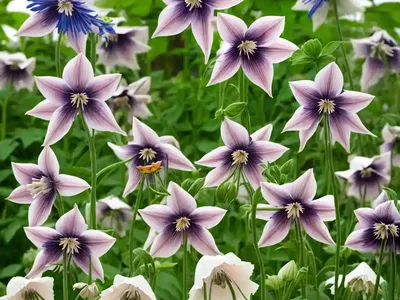
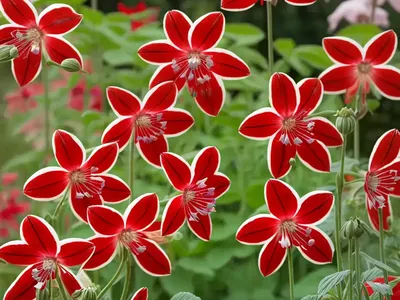
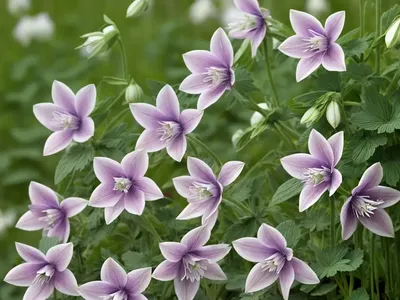
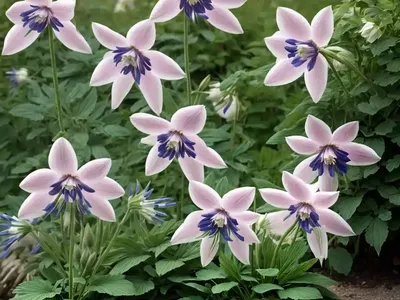
Aquilegia X Coerulea ‘Sunshine’ (Columbine)
Introduction to The Columbine Plant Aquilegia x coerulea ‘Sunshine’, commonly known as Columbine, is a beautiful and vibrant flowering plant that belongs.
Introduction to The Columbine Plant
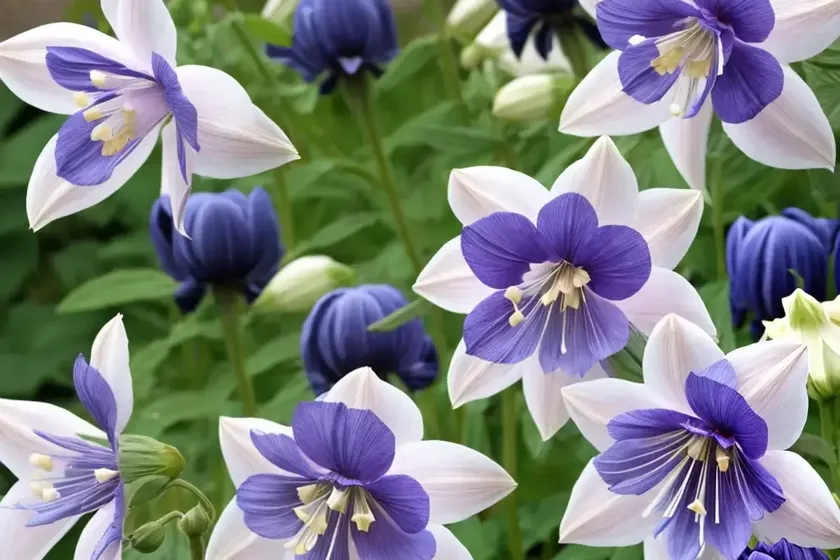
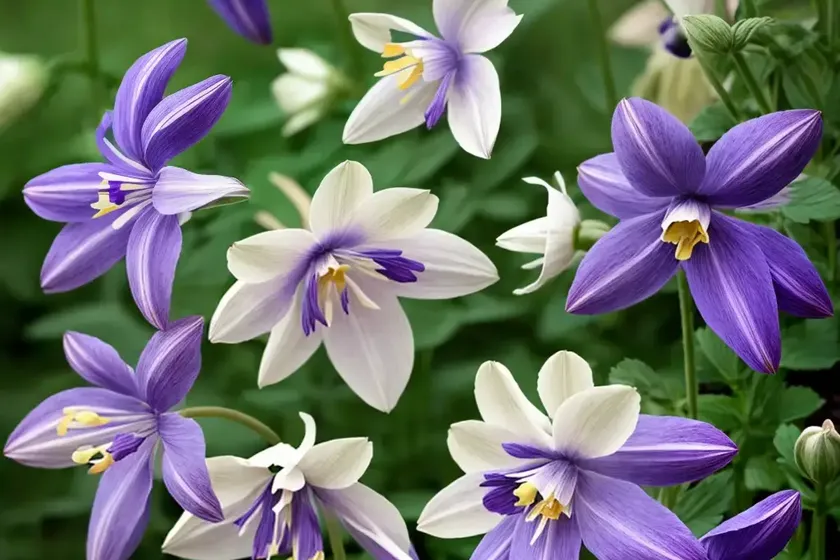
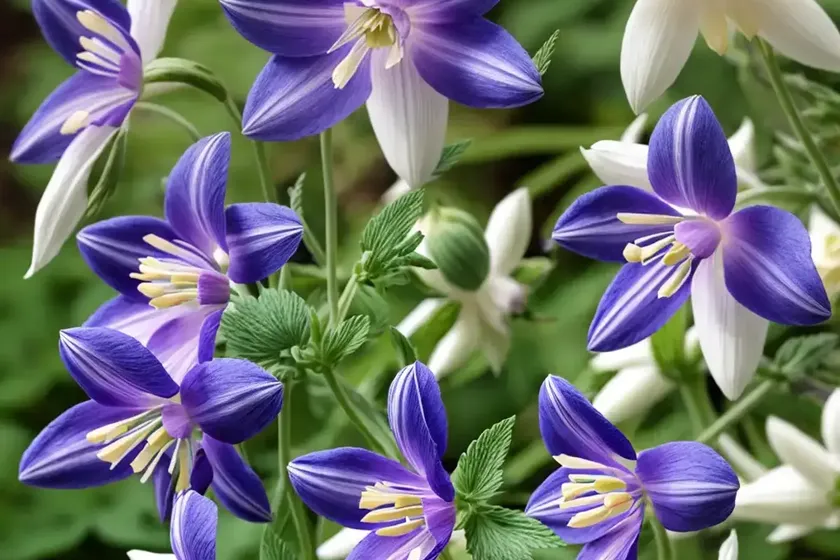
Aquilegia x coerulea ‘Sunshine’, commonly known as Columbine, is a beautiful and vibrant flowering plant that belongs to the Ranunculaceae family. It is a perennial plant that is native to the Rocky Mountains of North America. The ‘Sunshine’ variety of Aquilegia x coerulea is particularly popular for its striking yellow flowers, which add a splash of color to gardens and landscapes. In this comprehensive guide, we will delve into every aspect of caring for and cultivating this stunning plant.
Key Takeaways – Aquilegia x coerulea ‘Sunshine’ (Columbine)
Plant Characteristics
- Botanical Name: Aquilegia x coerulea ‘Sunshine’
- Common Name: Columbine
- Family: Ranunculaceae
- Variety: ‘Sunshine’
Let’s explore the various aspects of caring for and cultivating the Aquilegia x coerulea ‘Sunshine’ in detail.
Culture
Uses
The Aquilegia x coerulea ‘Sunshine’ is a versatile plant that has several uses, including:
– Garden Ornament: The vibrant yellow flowers of the ‘Sunshine’ variety make it an attractive choice for garden borders, rock gardens, and woodland gardens.
– Cut Flowers: The long stems of the Columbine make it suitable for cut flower arrangements, adding a touch of natural beauty to indoor spaces.
– Pollinator Attraction: The nectar-rich flowers of the Columbine plant attract hummingbirds and butterflies, making it a valuable addition to pollinator-friendly gardens.
Water
- Watering Requirements: Columbines prefer consistently moist and well-drained soil. While they tolerate some drought, it is best to water them regularly, especially during dry spells.
- Watering Frequency: Water the plants deeply once a week, ensuring that the soil doesn’t become waterlogged.
Sunlight
- Light Requirements: Aquilegia x coerulea ‘Sunshine’ thrives in partial shade to full sun. In particularly hot regions, providing some afternoon shade can prevent the plant from wilting.
Fertilizer
- Fertilizing Schedule: Apply a balanced, all-purpose fertilizer in early spring before new growth appears. Follow the manufacturer’s instructions for dosage and application.
Soil
- Soil Type: Columbines prefer rich, moist, and well-drained soil with a slightly acidic to neutral pH level.
- Soil Amendments: Incorporating organic matter such as compost or well-rotted manure into the soil can improve its texture and fertility, creating an ideal growing environment for the plants.
Pruning
Pruning Tips
- Deadheading: Remove spent flowers to encourage continuous blooming and prevent self-seeding.
- Cutting Back: Trim back the foliage and stems to ground level in late fall or early spring to promote healthy new growth.
Seasonal Pruning
- Spring: Prune back any winter-damaged or dead foliage to allow for new growth.
- Fall: Cut back the plants after the first frost to tidy up the garden and encourage vigorous regrowth in the following season.
Propagation
Propagation Methods
Aquilegia x coerulea ‘Sunshine’ can be propagated through various methods, including:
– Seed Propagation: Collect and sow seeds in containers or directly in the garden in the fall for spring germination.
– Division: Divide mature clumps in early spring to create new plants and rejuvenate existing ones.
Cutting Propagation
- Softwood Cuttings: Take softwood cuttings in early summer and root them in a well-draining medium to propagate new plants.
Container Gardening
Popularity in Containers
The compact and colorful nature of the Aquilegia x coerulea ‘Sunshine’ makes it a popular choice for container gardening. The plant’s vibrant blooms and graceful foliage add an elegant touch to patios, balconies, and small outdoor spaces.
Container Requirements
- Container Size: Use a medium-sized container with drainage holes to accommodate the roots and ensure proper drainage.
- Potting Mix: Use a well-draining potting mix rich in organic matter to provide necessary nutrients and moisture retention for the plant.
Common Diseases and Pests
Disease Diagnosis
Columbine plants may be susceptible to certain diseases, including:
– Powdery Mildew: A fungal disease that manifests as white powdery spots on the foliage.
– Leaf Spot: Causes dark spots or lesions on the leaves, affecting the plant’s overall health.
Disease Prevention
- Cultural Practices: Provide adequate air circulation, avoid overhead watering, and space the plants properly to minimize the risk of fungal diseases.
- Fungicidal Spray: Apply a suitable fungicide as a preventive measure if the plants are prone to fungal infections.
Common Pests
- Aphids: These small, soft-bodied insects may feed on the succulent new growth of Columbine plants, causing stunted growth and distorted foliage.
- Leaf Miners: The larvae of certain insects may create serpentine tunnels in the leaves, affecting the plant’s aesthetic appeal.
Pest Control
- Natural Predators: Encourage natural predators such as ladybugs and lacewings to control aphid populations.
- Biological Controls: Release beneficial nematodes or use insecticidal soap to manage pest infestations in an eco-friendly manner.
Botanist’s Tips
Best Practices for Planting
- Planting Depth: Ensure that the plants are planted at the same depth as they were in the nursery containers to promote healthy establishment.
- Mulching: Apply a layer of organic mulch around the plants to conserve soil moisture and suppress weed growth.
Enhancing Blooms
- Regular Deadheading: Removing spent flowers promptly can prolong the blooming period and encourage the development of new buds.
- Fertilization: Applying a bloom-boosting fertilizer during the growing season can enhance the size and color of the flowers.
Seasonal Care
- Winter Protection: In regions with harsh winters, provide a layer of mulch or frost protection to insulate the plants from extreme cold.
Fun Facts
- Columbine plants have a rich folklore associated with them, often symbolizing love, affection, and gratitude in various cultures and traditions.
- The intricate shape of the Columbine flowers is said to resemble a cluster of doves, giving rise to the plant’s name, which is derived from the Latin word for “dove.”
Links to External Resources
For further information on Aquilegia x coerulea ‘Sunshine’ (Columbine) care and cultivation, consider exploring the following resources:
- Royal Horticultural Society – Columbines
- University of Maryland Extension – Growing Columbines
- The Spruce – How to Grow Columbine Flowers
In conclusion, Aquilegia x coerulea ‘Sunshine’ (Columbine) is an enchanting plant that can brighten up any garden with its cheerful blooms and graceful foliage. By understanding its specific care requirements and implementing appropriate cultivation practices, plant enthusiasts can enjoy the beauty and charm of this perennial favorite in their outdoor spaces. Whether planted in garden beds or elegantly displayed in containers, the ‘Sunshine’ variety of Columbine is sure to capture the hearts of gardening aficionados and nature enthusiasts alike.
Remember to experiment with different growing conditions and techniques, as every garden is unique, and the joy of gardening lies in discovering what works best for each individual plant. Happy gardening with Aquilegia x coerulea ‘Sunshine’!