European Columbine (Aquilegia Vulgaris)
Plants have always fascinated me with their diverse forms, colors, and purposes. One particular plant that has captured my attention is the European.
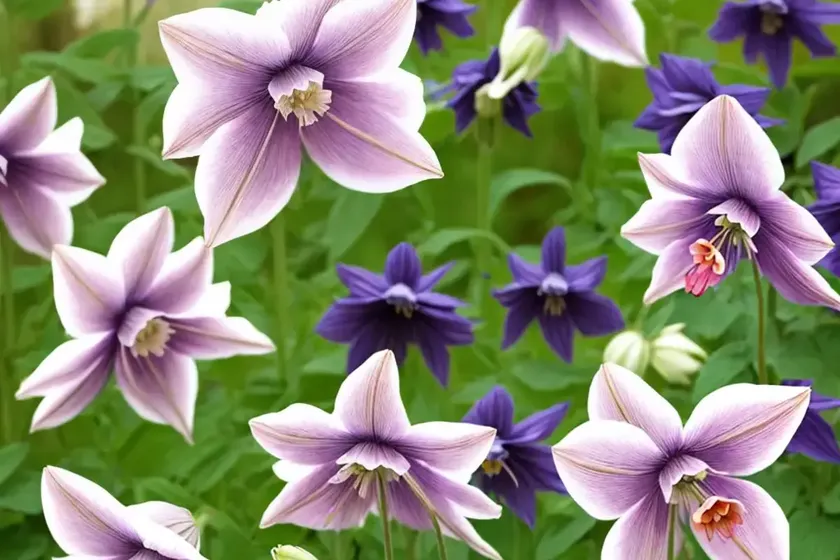
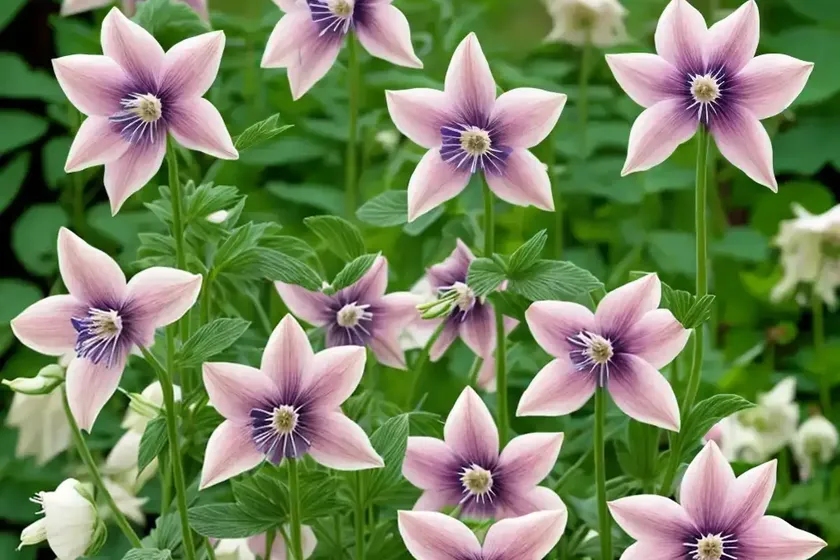
Plants have always fascinated me with their diverse forms, colors, and purposes. One particular plant that has captured my attention is the European columbine (Aquilegia vulgaris). Its delicate and intricate flowers, along with its rich history and cultural significance, make it a captivating subject for any gardening enthusiast. In this comprehensive guide, we will explore all aspects of the European columbine, from its cultural significance to its care and maintenance in a home garden.
What is Plant: European Columbine (Aquilegia vulgaris)?
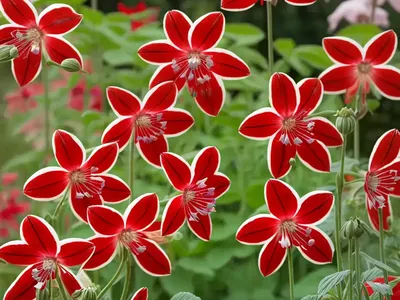
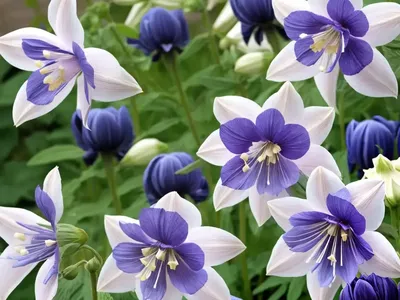
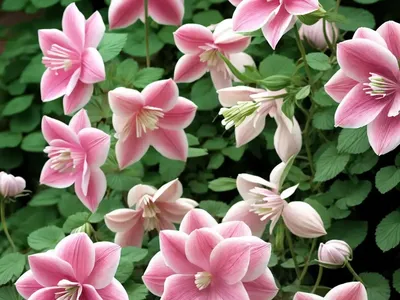
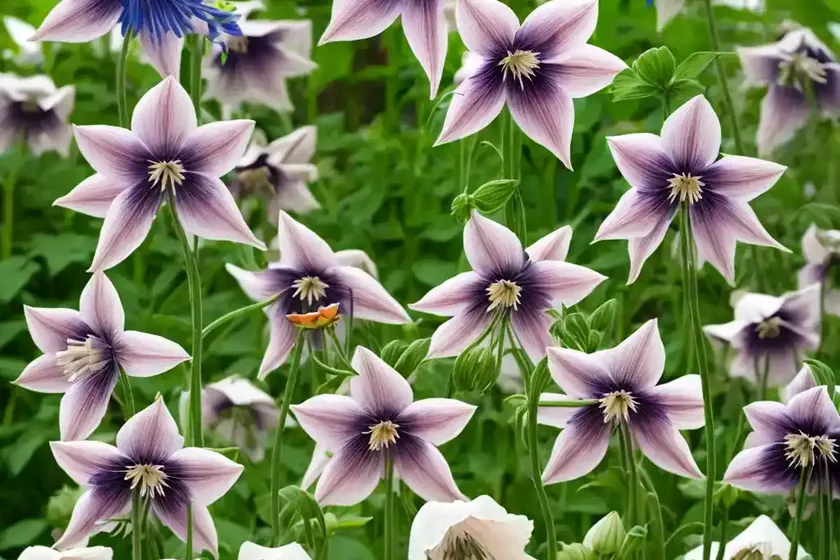
The European columbine (Aquilegia vulgaris) is a perennial herbaceous plant belonging to the Ranunculaceae family. It is native to Europe and is known for its distinct, bell-shaped flowers that come in a variety of colors, including shades of blue, purple, pink, and white. The plant typically grows to a height of 1 to 3 feet and blooms in late spring to early summer, attracting pollinators with its nectar-rich blooms.
Key Takeaways – European Columbine (Aquilegia vulgaris)
Before delving into the specifics of the European columbine, let’s take a look at the key takeaways of this exquisite plant:
- Botanical Name: Aquilegia vulgaris
- Common Name: European Columbine
- Plant Type: Perennial
- Blooming Season: Late spring to early summer
- Native Habitat: Europe
- Flower Colors: Blue, purple, pink, white
- Growth Height: 1 to 3 feet
- Attracts: Butterflies, hummingbirds
- Cultural Significance: Folklore, medicinal properties
Now that we have a general understanding of the European columbine, let’s explore the plant’s cultural significance, uses, and its requirements for cultivation.
Cultural Uses
The European columbine holds significant cultural and symbolic importance in various traditions. In folklore, it has been associated with love and affection, and it was believed to bring good luck and protection to those who cultivated it in their gardens. The plant’s nectar-rich blooms also attract butterflies and hummingbirds, making it a favorite in wildlife gardens. Additionally, the European columbine has been revered for its medicinal properties, where different parts of the plant have been used for their therapeutic benefits.
Planting and Care
Cultivating the European columbine in your garden can be a rewarding experience, provided that you understand its specific requirements for optimal growth. Here are the key factors to consider when planting and caring for the European columbine:
Water
The European columbine thrives in well-draining, moist soil. While it prefers consistently moist conditions, it is essential to avoid over-watering, as excessive moisture can lead to root rot. During periods of dry weather, regular watering is crucial to maintain the plant’s health and vigor.
Sunlight
When it comes to sunlight, the European columbine prefers partial shade to full sun. In hotter climates, providing some shade during the hottest part of the day can prevent the plants from wilting. However, in cooler regions, full sun exposure can promote robust growth and abundant flowering.
Fertilizer
To support healthy growth and prolific blooming, the European columbine benefits from a balanced, slow-release fertilizer applied in early spring. Incorporating organic matter into the soil during planting can also provide essential nutrients and improve soil structure, contributing to the plant’s overall well-being.
Soil
The European columbine thrives in well-draining, fertile soil with a slightly acidic to neutral pH. Amending the soil with compost or well-rotted manure can enhance its fertility and improve its water-retention capabilities, creating an ideal growing environment for the plant.
Pruning
Pruning the European columbine is relatively low-maintenance, requiring minimal intervention. Deadheading spent flowers can prolong the blooming period and prevent the plant from expending energy on seed production. Additionally, removing any damaged or diseased foliage can help maintain the plant’s overall health and appearance.
Propagation
Propagation of the European columbine can be achieved through several methods, including division, seed propagation, and stem cuttings. Dividing mature plants every few years can rejuvenate them and promote vigorous growth. When collecting seeds, allowing the pods to dry on the plant and then sowing them in a prepared seedbed can yield new seedlings. Stem cuttings taken in late spring or early summer can also root easily and produce new plants.
Container Popularity
Due to its compact size and attractive flowers, the European columbine is well-suited for container gardening. When growing in containers, be sure to select a pot with adequate drainage holes and use a high-quality potting mix to ensure optimal growth.
Common Diseases and Pests
While the European columbine is relatively resilient, it can be susceptible to certain diseases and pests that may affect its health and appearance. Here are some common issues to be mindful of:
Common Diseases
-
Powdery Mildew: This fungal disease can appear as a white, powdery substance on the plant’s foliage, typically in humid conditions. To prevent powdery mildew, ensure proper air circulation around the plants and avoid overhead watering.
-
Leaf Spot: Leaf spot diseases can manifest as dark or discolored spots on the plant’s leaves, often caused by fungal pathogens. Keep the area around the plant clean and remove any infected foliage to prevent the spread of the disease.
Disease Diagnosis
Diagnosing plant diseases can be crucial in implementing effective control measures. When observing any unusual symptoms on the European columbine, it is essential to conduct a thorough assessment to identify the specific disease and take appropriate action to mitigate its impact on the plant.
Common Pests
-
Aphids: These tiny, soft-bodied insects can cluster on the plant’s new growth, causing distortion and discoloration of the leaves. Regularly inspecting the plant and using natural predators or insecticidal soaps can help control aphid infestations.
-
Spider Mites: These minuscule pests can inflict damage by piercing the plant’s cells and sucking out the juices, leading to stippled or discolored leaves. Increasing humidity and using horticultural oils can help manage spider mite populations.
Botanist’s Tips
As a plant scientist with a deep appreciation for the European columbine, I have gathered a few tips to help enthusiasts successfully grow and care for this charming plant:
-
Selecting Varieties: There are numerous varieties of Aquilegia vulgaris available, each with its unique flower colors and forms. Consider exploring different cultivars to introduce a diverse array of colors and shapes into your garden.
-
Attracting Pollinators: The nectar-rich blooms of the European columbine make it incredibly attractive to pollinators. By incorporating this plant into your garden, you can create a welcoming habitat for butterflies and hummingbirds.
-
Companion Planting: Pairing the European columbine with other shade-loving perennials and woodland plants can create visually appealing and ecologically beneficial plant communities in the garden.
Fun Facts
Delving into the world of the European columbine can unearth some fascinating and delightful facts about this enchanting plant:
- The name Aquilegia is derived from the Latin word for eagle (aquila), as the shape of the plant’s petals is said to resemble an eagle’s claw.
- In traditional medicine, various parts of the European columbine have been used to treat ailments such as respiratory disorders and skin irritations.
- The European columbine’s ability to self-seed and naturalize in suitable habitats gives it a wild and untamed charm, making it a favorite in naturalistic and informal garden designs.
Links to External Resources
For further exploration of the European columbine and related topics, I recommend the following external resources:
- Royal Horticultural Society – Aquilegia vulgaris
- The Spruce – Growing Columbine Plants
- University of Maryland Extension – Common Insect Pests and Diseases of Trees and Shrubs
- American Society for the Prevention of Cruelty to Animals – Poisonous Plants
- The Old Farmer’s Almanac – How to Grow Columbine
In conclusion, the European columbine (Aquilegia vulgaris) stands as an appealing and culturally significant plant that offers much to admire and appreciate. From its alluring blooms and rich folklore to its role in wildlife gardens and medicinal uses, this captivating perennial has carved out a special place in the world of gardening. By understanding its cultivation requirements and embracing its unique qualities, gardeners can relish the beauty and charm that the European columbine brings to their outdoor spaces.