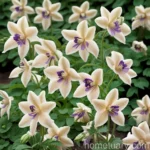
Plant Profile: Columbine (Aquilegia ‘Remembrance’)
Columbine, scientifically known as Aquilegia, is a well-loved perennial plant with delicate and distinctive flowers. ‘Remembrance’ is a particular hybrid variety that has gained popularity among gardeners for its unique characteristics and charm. In this blog post, we will delve into the intricacies of this fascinating plant, exploring its culture, uses, care requirements, and much more.
What is Columbine (Aquilegia ‘Remembrance’)?
Columbine (Aquilegia ‘Remembrance’) is a beautiful perennial plant renowned for its distinctive spurred flowers, which come in an array of colors. The ‘Remembrance’ variety, in particular, is cherished for its elegant blooms and unique features. This hybrid plant belongs to the Ranunculaceae family and is prized for its ornamental value, making it a popular choice in gardens and landscapes.
Columbines can vary in height, typically ranging from 1 to 3 feet, and they bloom in late spring to early summer. The ‘Remembrance’ variety, specifically, showcases a blend of stunning colors, often featuring shades of purple, pink, and white. These captivating flowers are known for attracting pollinators like hummingbirds and butterflies, adding a lively touch to any garden.
Key Takeaways – Columbine (Aquilegia ‘Remembrance’)
Before diving into the specifics of culture, care, and maintenance, let’s summarize some key takeaways about Columbine (Aquilegia ‘Remembrance’):
- Scientific Name: Aquilegia ‘Remembrance’
- Common Names: Columbine ‘Remembrance’, Remembrance Columbine
- Plant Type: Perennial
- Family: Ranunculaceae
- Bloom Time: Late spring to early summer
- Color: Varied, often featuring shades of purple, pink, and white
- Attracts: Hummingbirds, butterflies, and other pollinators
- Special Features: Distinctive spurred flowers, ornamental value
Now that we have gained a basic understanding of this captivating plant, let’s delve into its culture and explore how to best care for and utilize Columbine (Aquilegia ‘Remembrance’).
Culture
Understanding the cultural requirements of Columbine (Aquilegia ‘Remembrance’) is essential for successfully cultivating and enjoying this charming plant. From its water and sunlight needs to soil preferences and maintenance, each aspect plays a crucial role in nurturing healthy and vibrant columbines.
Uses
Before delving into the specific care requirements, it’s essential to highlight some common uses of Columbine (Aquilegia ‘Remembrance’):
- Garden Ornament: Columbines, with their elegant and eye-catching flowers, are often used as ornamental plants, adding color and visual interest to garden beds and borders.
- Cut Flowers: The alluring blooms of columbines make them excellent candidates for cut flower arrangements, bringing a touch of nature indoors.
- Wildlife Attraction: These plants are known for attracting pollinators such as hummingbirds and butterflies, contributing to a thriving and diverse garden ecosystem.
Water
Proper watering is crucial for the health and vitality of Columbine (Aquilegia ‘Remembrance’). While these plants require regular moisture, it’s important to ensure well-draining soil to prevent waterlogging, which can lead to root rot and other issues.
- Frequency: Columbines benefit from consistent moisture, especially during dry spells and hot weather. Water deeply when the soil is dry to the touch, aiming to keep the soil evenly moist.
- Avoid Overhead Watering: To prevent foliar diseases, it’s best to water at the base of the plant, avoiding wetting the leaves and flowers.
- Mulching: Applying a layer of organic mulch around the base of the plant can help retain soil moisture and regulate temperature, benefiting the Columbine’s overall health.
Sunlight
In terms of sunlight requirements, Columbine (Aquilegia ‘Remembrance’) thrives in certain light conditions, making it essential to choose suitable planting locations accordingly.
- Partial Shade to Full Sun: Columbines prefer partial shade, especially in regions with hot summers. However, they can tolerate full sun in cooler climates and with adequate moisture.
- Morning Sun, Afternoon Shade: Providing morning sun and afternoon shade is often ideal for Columbine (Aquilegia ‘Remembrance’). This can protect the plants from scorching afternoon sun while still providing the light they need for healthy growth and blooming.
Fertilizer
Fertilizing Columbine (Aquilegia ‘Remembrance’) can help promote vigorous growth and abundant flowering. However, it’s crucial to apply fertilizers judiciously and at the right times to prevent overfeeding or nutrient imbalances.
- Balanced Fertilizer: Using a balanced, all-purpose fertilizer or a fertilizer specifically formulated for flowering plants can support the overall health and blooming of Columbines.
- Spring Feeding: Apply a light application of fertilizer in early spring as new growth emerges, providing the plant with essential nutrients to fuel its growth and development.
- Avoid Excessive Nitrogen: While some nitrogen is beneficial for promoting lush foliage, excessive nitrogen can lead to excessive leaf growth at the expense of flowers, so it’s crucial to find a balanced approach.
Soil
Columbine (Aquilegia ‘Remembrance’) thrives in well-draining soil with good fertility, making it essential to choose the right soil type and make any necessary amendments for optimal growth.
- Well-Draining Soil: Columbines prefer soil that drains well, as waterlogged conditions can lead to root rot and other issues. Amending heavy soils with organic matter can improve drainage.
- Moisture Retention: While good drainage is important, the soil should also have the capacity to retain moisture, ensuring that the plants have access to consistent moisture without becoming waterlogged.
- Soil pH: Columbines generally prefer slightly acidic to neutral soil (pH 6.0 to 7.0). Conducting a soil test can help determine the existing pH and whether any adjustments are necessary.
Pruning
Proper pruning can help maintain the health, shape, and appearance of Columbine (Aquilegia ‘Remembrance’), ensuring that the plants remain attractive and vigorous.
- Deadheading: Removing spent flowers (deadheading) can encourage additional blooming and prevent the plant from expending energy on producing seeds.
- Fall Cleanup: In fall, removing any dead or diseased foliage can help prevent the spread of diseases and prepare the Columbine for the following growing season.
- Minimal Pruning: Overall, Columbines require minimal pruning, as they generally maintain a tidy and compact growth habit without extensive intervention.
Propagation
Propagating Columbine (Aquilegia ‘Remembrance’) can be a rewarding endeavor, allowing you to expand your plant collection or share these charming flowers with fellow gardening enthusiasts. Several methods can be employed for successful propagation, including:
- Seeds: Columbine seeds can be collected from mature plants and sown in suitable growing conditions. They often readily germinate, allowing for the production of numerous new plants.
- Division: Dividing established columbine clumps can yield new plants, which can be transplanted to desired locations or shared with others. This is typically done in early spring or fall.
- Root Cuttings: Propagating columbines from root cuttings is another viable method, although it requires careful attention to ensure successful rooting and establishment of new plants.
Container Popularity
Columbine (Aquilegia ‘Remembrance’) has garnered popularity among container gardeners, offering an enchanting and compact option for potted displays.
- Patio Gardens: Columbines can thrive in containers on patios, balconies, or other outdoor spaces, providing a splash of color and natural beauty in limited areas.
- Versatile Displays: Container-grown columbines can be creatively incorporated into various garden designs, from mixed planters to vertical arrangements and beyond, showcasing their versatility and charm.
- Space Optimization: For gardeners with limited space or those seeking portable gardening options, columbines in containers offer an excellent solution while still delivering the allure of these captivating plants.
Common Diseases
While Columbine (Aquilegia ‘Remembrance’) is generally resilient, it can be susceptible to certain diseases that can impact its health and appearance. Recognizing and addressing these issues promptly is crucial for maintaining vigorous and beautiful plants.
- Powdery Mildew: This fungal disease can manifest as a powdery white coating on the leaves, affecting the plant’s overall health. Proper air circulation and fungicidal treatments can help manage powdery mildew.
- Leaf Spot: Leaf spot diseases can cause browning or spotting on the foliage, potentially leading to defoliation and reduced vigor. Pruning affected foliage and ensuring proper watering practices can contribute to disease management.
- Botrytis Blight: Also known as gray mold, botrytis blight can cause wilting, browning, and decay of flowers and foliage. Maintaining dry conditions and removing infected plant parts can mitigate the spread of this disease.
- Root Rot: Excessive soil moisture or poorly draining soil can lead to root rot, affecting the plant’s root system and overall health. Ensuring well-draining soil and appropriate watering practices is crucial for preventing root rot.
Disease Diagnosis
Diagnosing diseases in Columbine (Aquilegia ‘Remembrance’) involves careful observation of the plant’s symptoms and characteristics, leading to accurate identification and targeted management strategies.
- Symptom Recognition: Recognizing common disease symptoms, such as unusual spots, discoloration, or fungal growth, can provide clues for identifying specific issues impacting the plants.
- Leaf Inspection: Examining the leaves for signs of disease, including spotting, curling, or unusual coatings, can aid in the diagnostic process, guiding appropriate intervention measures.
- Professional Consultation: If uncertain about a specific disease or its management, consulting with plant health professionals or local extension services can provide valuable insights and recommendations.
Common Pests
Columbine (Aquilegia ‘Remembrance’) can attract certain pests, necessitating vigilance and proactive measures to protect the plants from potential damage. Some common pests that may affect columbines include:
- Aphids: These small, sap-sucking insects can congregate on the undersides of leaves, causing distortion and discoloration of the foliage. Natural predators or targeted insecticidal treatments can help manage aphid populations.
- Spider Mites: Spider mites are tiny pests that can infest columbine plants, leading to stippled, discolored foliage. Miticides or insecticidal soaps may be employed to address spider mite infestations.
- Columbine Sawfly: The larvae of the columbine sawfly can feed on the foliage of columbine plants, potentially causing significant defoliation. Physically removing and managing the larvae can help prevent extensive damage to the plants.
Botanist’s Tips
As a plant scientist and enthusiast, I would like to share some expert tips for cultivating and enjoying Columbine (Aquilegia ‘Remembrance’):
- Companion Planting: Consider companion planting with species that complement the columbine, providing a harmonious and mutually beneficial garden environment.
- Naturalizing: Columbines can naturalize in suitable conditions, creating charming, self-sustaining colonies that add a delightful touch to gardens and landscapes.
- Species Diversity: Exploring the diverse range of columbine species and varieties can offer an enriching and captivating journey into the world of Aquilegia.
Fun Facts
To further appreciate the allure of Columbine (Aquilegia ‘Remembrance’), here are some fascinating and fun facts about these captivating plants:
- Symbolism: Columbines have been associated with various symbolic meanings, including love, gratitude, and resilience, adding depth to their cultural significance.
- Historical Significance: Columbines have a rich historical background, featuring in folklore, medicinal uses, and garden traditions throughout the centuries.
- Pollinator Magnets: The intricate flowers of columbines have evolved to attract specific pollinators, showcasing the intricate dance between plants and their pollinators in the natural world.
Links to External Resources
To further enrich your knowledge and exploration of Columbine (Aquilegia ‘Remembrance’), you may find the following external resources valuable:
- Planting and Care Guide for Columbines
- Understanding Powdery Mildew and Its Management
- Attracting Pollinators to Your Garden
- Companion Planting Tips for Columbines
- Exploring Columbine Species and Varieties
In conclusion, Columbine (Aquilegia ‘Remembrance’) stands as a captivating and cherished perennial plant, captivating gardeners with its distinctive flowers, resilience, and ornamental value. By understanding and embracing its cultural preferences, utilizing it in diverse settings, and safeguarding it from potential threats, we can revel in the enchanting beauty and enduring charm of this remarkable plant.