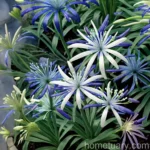
The Beauty of Lily of the Nile (Agapanthus ‘Kingston Blue’)
As a plant scientist, I am excited to delve into the world of one of the most mesmerizing and elegant flowering plants – the Lily of the Nile, scientifically known as Agapanthus ‘Kingston Blue’. This remarkable plant has captivated gardeners and plant enthusiasts with its stunning flowers and remarkable features. In this comprehensive guide, we will explore the culture, uses, care, propagation, and much more of the enchanting Lily of the Nile.
What is the Lily of the Nile (Agapanthus ‘Kingston Blue’)?
Lily of the Nile (Agapanthus) is a genus of flowering plants native to Southern Africa. As a member of the Amaryllidaceae family, the Lily of the Nile is renowned for its striking clusters of trumpet-shaped flowers that bloom in various shades of blue, purple, and white. The ‘Kingston Blue’ variety, in particular, is celebrated for its deep blue blossoms, adding a touch of elegance and charm to any garden or landscape.
With its graceful appearance and versatile nature, this plant is a popular choice for both professional landscapers and home gardeners. The Lily of the Nile is known for its reliable performance, making it a beloved addition to gardens, parks, and public spaces around the world.
Key Takeaways – Lily of the Nile (Agapanthus ‘Kingston Blue’)
Before we delve into the specific aspects of the Lily of the Nile, let’s take a quick look at the key takeaways of this enchanting plant.
- Plant Name: Lily of the Nile (Agapanthus ‘Kingston Blue’)
- Family: Amaryllidaceae
- Common Names: African Lily, Blue African Lily
- Plant Type: Perennial Flowering Plant
- Blossom Color: Deep Blue
- Bloom Time: Summer
- Key Features: Striking clusters of trumpet-shaped flowers, glossy, strap-like leaves
- Sunlight Needs: Full Sun to Partial Shade
- Watering Needs: Moderate
- Soil Preferences: Well-draining, Loamy Soil
- Hardiness Zones: 7-11
- Height: 18-24 inches
- Spread: 18-24 inches
With these key takeaways in mind, let’s explore the fascinating world of the Lily of the Nile in detail.
Culture of Lily of the Nile (Agapanthus ‘Kingston Blue’)
The culture of the Lily of the Nile encompasses its preferred growing conditions, bloom time, and overall care requirements. Understanding the cultural needs of this plant is crucial for ensuring its optimal growth and blooming cycle.
Uses
The versatile nature of the Lily of the Nile makes it suitable for a range of uses, making it a valuable addition to any landscape or garden setting. Some of the common uses of Agapanthus ‘Kingston Blue’ include:
- Garden Borders: The striking blue blooms of the Lily of the Nile make it an ideal choice for defining garden borders and pathways.
- Container Gardening: Agapanthus ‘Kingston Blue’ thrives in containers, adding a touch of elegance to patios, decks, and balconies.
- Cut Flower Arrangements: The long-lasting blooms of the Lily of the Nile make it a popular choice for floral arrangements, adding a burst of color to indoor spaces.
- Landscape Focal Points: Due to its captivating flowers and glossy foliage, this plant serves as an eye-catching focal point in various landscaping designs.
- Coastal Gardening: With its tolerance for coastal conditions, the Lily of the Nile is well-suited for gardens near the coast, providing a delightful display of color and texture.
- Pollinator Gardens: The nectar-rich flowers of Agapanthus ‘Kingston Blue’ attract pollinators such as bees and butterflies, contributing to the biodiversity of garden spaces.
- Rock Gardens: Its compact growth habit and colorful blooms make it an excellent addition to rock gardens and alpine plantings.
- Hummingbird Attractions: The nectar-filled blossoms of the Lily of the Nile are known to attract hummingbirds, adding a touch of wildlife charm to gardens.
As we can see, the uses of the Lily of the Nile are diverse, highlighting its adaptability and aesthetic appeal in various garden and landscape settings.
Water
Proper watering is crucial for the health and vitality of the Lily of the Nile. While this plant is relatively tolerant of drought conditions once established, it thrives with moderate and consistent moisture, especially during the growing season. Here are some key points to consider for watering the Agapanthus ‘Kingston Blue’:
- Establishment Period: Newly planted Lily of the Nile may require more frequent watering to encourage root establishment. Once the plant is established, it becomes more tolerant of dry conditions.
- Soil Moisture: The soil should be kept moderately moist, but not waterlogged. Well-draining soil is essential to prevent waterlogging, which can lead to root rot.
- Container Plants: Agapanthus ‘Kingston Blue’ grown in containers may require more frequent watering, especially during hot and dry periods.
- Mulching: Applying a layer of organic mulch around the plant helps retain soil moisture and reduces the frequency of watering.
- Dormancy: During the dormant winter period, the Lily of the Nile requires less frequent watering. It is important to allow the soil to partially dry out between waterings during this time.
By understanding the watering needs of the Lily of the Nile, gardeners can ensure the proper care and maintenance of this exquisite flowering plant.
Sunlight
The Lily of the Nile thrives in bright, sunny conditions, making it an ideal choice for sunny garden spots. Adequate sunlight is essential for promoting blooming and maintaining the overall health and vigor of the plant. Here are some key points to consider regarding sunlight requirements for Agapanthus ‘Kingston Blue’:
- Full Sun Exposure: This plant performs best when grown in full sun, receiving at least 6-8 hours of direct sunlight each day.
- Partial Shade: While the Lily of the Nile prefers full sun, it can tolerate partial shade, especially in hot climates or during the intense midday sun.
- Indoor Cultivation: When grown as a houseplant, providing bright, indirect light is essential for promoting flowering and vibrant foliage.
Understanding the sunlight needs of the Lily of the Nile helps gardeners select suitable planting locations and ensure optimal growing conditions for this captivating plant.
Fertilizer
Appropriate fertilization plays a crucial role in promoting robust growth, vibrant blooms, and overall plant health. Agapanthus ‘Kingston Blue’ benefits from a balanced fertilizer regimen, providing essential nutrients for its development. Here are some key considerations for fertilizing the Lily of the Nile:
- Timing: Fertilize the Lily of the Nile in early spring before the start of the growing season. A second application can be made in mid-summer to support continuous blooming.
- Fertilizer Type: Use a balanced, slow-release fertilizer formulated for flowering plants. Alternatively, a granular 10-10-10 fertilizer is suitable for promoting healthy growth and blooming.
- Application Method: Apply the fertilizer evenly around the base of the plant, taking care to avoid direct contact with the foliage. Water thoroughly after fertilization to ensure the nutrients are absorbed into the soil.
- Container Plants: Fertilize Agapanthus ‘Kingston Blue’ growing in containers with a liquid fertilizer formulated for flowering plants. Dilute the fertilizer according to the manufacturer’s instructions and apply during the growing season.
By providing the appropriate nutrients through regular fertilization, gardeners can support the vitality and beauty of the Lily of the Nile, ensuring a stunning display of flowers each season.
Soil
The soil composition and structure directly impact the growth, blooming, and overall health of the Lily of the Nile. Understanding the soil preferences of Agapanthus ‘Kingston Blue’ is essential for creating an optimal growing environment.
- Well-Draining Soil: This plant thrives in well-draining soil to prevent waterlogging and root rot. Incorporating organic matter such as compost or aged manure helps improve soil structure and drainage.
- PH Level: The ideal soil pH for the Lily of the Nile is slightly acidic to neutral, ranging between 6.0 to 7.0. Regular soil testing helps monitor and adjust the pH level as needed.
- Soil Amendments: Adding a layer of mulch around the base of the plant helps conserve soil moisture, regulates soil temperature, and provides a steady supply of organic matter as it decomposes.
Pruning
Proper pruning and maintenance are essential for shaping the Lily of the Nile, removing spent blooms, and encouraging a neat and tidy appearance. Here are some key points to consider for pruning Agapanthus ‘Kingston Blue’:
- Deadheading: Remove faded blooms regularly to promote continuous blooming and prevent the plant from expending energy on seed production.
- Winter Clean-Up: In late winter or early spring, prune back any damaged or dead foliage to make way for new growth.
- Division: Every few years, consider dividing overcrowded clumps of Agapanthus ‘Kingston Blue’ to rejuvenate the plant and promote better blooming.
Pruning the Lily of the Nile not only maintains its appearance but also contributes to its overall health and vigor, ensuring a bountiful display of flowers each season.
Propagation
The propagation of the Lily of the Nile allows gardeners to expand their plant collection or share this enchanting species with others. There are several methods of propagating Agapanthus ‘Kingston Blue’, including division, seed propagation, and stem cuttings. Each method offers unique advantages and requires specific techniques for success.
- Division: Divide mature clumps of Agapanthus ‘Kingston Blue’ in early spring or early fall. Carefully separate the individual plants, ensuring each division has a healthy root system and several shoots. Replant the divisions at the same depth as the parent plant, and provide adequate moisture during the establishment period.
- Seed Propagation: Collect and sow ripe Lily of the Nile seeds in well-draining seed-starting mix. Keep the soil consistently moist and provide warmth and bright, indirect light for germination. Seed propagation may take longer to produce blooming plants compared to other methods.
- Stem Cuttings: Take 4-6 inch stem cuttings from healthy Agapanthus ‘Kingston Blue’ plants during the growing season. Remove the lower leaves, dip the cut end in rooting hormone, and plant the cuttings in a well-draining rooting medium. Provide warmth, humidity, and indirect light to encourage root development.
Understanding the various propagation methods empowers gardeners to propagate the Lily of the Nile effectively, expanding their gardens and sharing the beauty of this captivating plant with others.
Container Popularity
The Lily of the Nile is celebrated for its suitability in container gardening, offering a wealth of benefits and possibilities for gardeners. The ‘Kingston Blue’ variety, with its compact growth habit and stunning blue flowers, is particularly well-suited for container cultivation. Here are some key advantages of growing Agapanthus ‘Kingston Blue’ in containers:
- Versatility: Containers allow gardeners to showcase the beauty of Agapanthus ‘Kingston Blue’ on patios, decks, balconies, and other confined spaces.
- Mobility: Containers provide the flexibility to move the Lily of the Nile to different locations, adjusting the display according to seasonal sunlight and aesthetic preferences.
- Climate Mitigation: In regions with cold winters, containers offer the option to move the plants indoors or to protected areas, safeguarding them from freezing temperatures.
- Soil Control: Container cultivation enables gardeners to tailor the soil composition and structure to suit the specific needs of the Lily of the Nile.
By embracing container gardening, gardeners can maximize the impact of the Lily of the Nile, creating stunning displays in a range of outdoor and indoor settings.
Common Diseases of Lily of the Nile
While the Lily of the Nile is relatively resistant to diseases, it may encounter certain issues under unfavorable growing conditions. Recognizing and addressing common diseases promptly is crucial for preserving the health and vitality of Agapanthus ‘Kingston Blue’. Some common diseases that may affect the Lily of the Nile include:
- Root Rot: Prolonged waterlogging or poorly drained soils can lead to root rot in the Lily of the Nile. Symptoms include wilting, yellowing leaves, and stunted growth. Addressing root rot involves improving soil drainage and allowing the soil to partially dry out between waterings.
- Leaf Spot: Leaf spot diseases, caused by various fungal pathogens, may manifest as dark, circular lesions on the foliage. Ensuring proper air circulation, avoiding overhead watering, and removing affected foliage can help manage leaf spot diseases.
- Botrytis Blight: In overly moist and humid conditions, the Lily of the Nile may be susceptible to botrytis blight, characterized by fuzzy gray mold on the flowers and foliage. Pruning affected parts and improving air circulation can help prevent the spread of botrytis blight.
By implementing preventive measures and prompt treatments, gardeners can minimize the impact of these diseases and maintain the health and vigor of the Lily of the Nile.
Disease Diagnosis
When diagnosing potential diseases in the Lily of the Nile, gardeners should carefully observe the plant and its growing conditions. Here are some key steps in diagnosing diseases in Agapanthus ‘Kingston Blue’:
- Symptom Observation: Carefully examine the foliage, flowers, and overall appearance of the plant for any unusual symptoms such as discoloration, wilting, or mold.
- Environmental Assessment: Consider the prevailing environmental conditions, including moisture levels, humidity, and air circulation, to identify potential factors contributing to the disease.
- Pathogen Identification: If available, consult with a plant pathologist or local extension service to identify specific pathogens or disease agents affecting the Lily of the Nile.
Thorough diagnosis sets the foundation for effective disease management strategies, allowing gardeners to provide targeted solutions to preserve the health of the plant.
Common Pests
While the Lily of the Nile is relatively resistant to pests, certain insects may occasionally pose a threat to its well-being. Understanding the common pests affecting Agapanthus ‘Kingston Blue’ empowers gardeners to implement proactive pest management strategies. Some common pests that may affect the Lily of the Nile include:
- Aphids: These small, sap-feeding insects may cluster on the new growth and buds of the Lily of the Nile, causing distortion and yellowing of the foliage. Insecticidal soap or horticultural oil can effectively control aphid infestations.
- Snails and Slugs: These mollusks feed on the foliage and flowers of Agapanthus ‘Kingston Blue’, leaving behind irregular holes and damage. Handpicking, barriers, and slug baits help manage snail and slug populations in gardens.
- Spider Mites: In hot and dry conditions, spider mites may infest the Lily of the Nile, causing stippling and discoloration of the foliage. Spraying the plant with a forceful stream of water or using insecticidal soap can help control spider mite infestations.
By monitoring the plant regularly and implementing targeted pest control measures, gardeners can safeguard the Lily of the Nile from potential pest damage.
Botanist’s Tips
As a plant scientist, I would like to share some expert tips and recommendations for cultivating and caring for the captivating Lily of the Nile. These insights are designed to enhance the gardening experience and promote the optimal growth and beauty of Agapanthus ‘Kingston Blue’.
- Mulching Matters: Consider applying a layer of organic mulch, such as shredded bark or compost, around the base of the Lily of the Nile. Mulch helps conserve soil moisture, suppress weeds, and gradually enrich the soil as it decomposes.
- Divide and Conquer: Periodically dividing overgrown clumps of Agapanthus ‘Kingston Blue’ not only rejuvenates the plant but also promotes better blooming and overall health.
- Winter Protection: In regions with cold winters, consider providing winter protection for the Lily of the Nile by applying a layer of mulch and situating the plant in a sheltered location.
- Companion Planting: Pair the Lily of the Nile with complementary companion plants such as daylilies, coneflowers, and ornamental grasses to create visually appealing and harmonious garden compositions.
By incorporating these botanist’s tips into the care and cultivation of the Lily of the Nile, gardeners can showcase the full potential of this exceptional flowering plant.
Fun Facts
To further appreciate the charm and allure of the Lily of the Nile, here are some fun and intriguing facts about Agapanthus ‘Kingston Blue’:
- Symbolism: In the language of flowers, the Lily of the Nile symbolizes love, harmony, and grace, adding a layer of symbolism to its enchanting blooms.
- Cultural Significance: Agapanthus is a cherished plant in various cultures, often featured in art, literature, and gardens around the world.
- Naturalized Populations: In regions with favorable growing conditions, the Lily of the Nile has naturalized and thrived, forming impressive displays of colorful blooms.
These fun facts offer a glimpse into the rich history and cultural significance of the Lily of the Nile, adding to its allure and mystique as a beloved garden plant.
Links to External Resources
For further exploration and in-depth information, here are some valuable external resources related to the Lily of the Nile (Agapanthus ‘Kingston Blue’):
- Royal Horticultural Society – Agapanthus
- American Horticultural Society – Agapanthus
- Missouri Botanical Garden – Agapanthus Care Guide
These resources offer a wealth of information, care guides, and cultivation tips for the Lily of the Nile, providing valuable insights and inspiration for gardening enthusiasts.
In conclusion, the Lily of the Nile (Agapanthus ‘Kingston Blue’) stands as a true gem in the world of flowering plants, captivating gardeners with its mesmerizing blue blossoms and elegant presence. By understanding its culture, care, uses, and relevance in garden settings, we can fully appreciate the timeless beauty and allure of this remarkable plant. Whether gracing garden borders, containers, or floral arrangements, the Lily of the Nile continues to enchant and inspire with its grace and charm.
As a plant scientist, it is my hope that this comprehensive guide will serve as a valuable resource for enthusiasts and horticulturalists, fostering a deeper appreciation for the captivating Lily of the Nile, Agapanthus ‘Kingston Blue’.
References:
– Brown, J. W., & Speta, F. (2006). Agapanthus. In The Families and Genera of Vascular Plants (pp. 38-43). Springer, Berlin, Heidelberg.
– Royal Horticultural Society. Growing Agapanthus. Retrieved from https://www.rhs.org.uk/advice/profile?PID=333
– The American Horticultural Society. Plant Profile: African Lily (Agapanthus). Retrieved from [https://ahsgardening.org/gardening-resources/plant-profiles/agapanthus/](https://ahsgardening.org