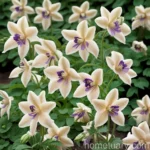
All About Columbine (Aquilegia olympica)
As a plant scientist, I find great joy in studying and cultivating various plant species, each with its unique characteristics and requirements. In this blog post, I will delve into the captivating world of columbine (Aquilegia olympica) – a perennial flowering plant that is beloved by gardeners and nature enthusiasts alike. We will explore its cultural significance, uses, environmental needs, propagation methods, and much more. By the end of this comprehensive guide, you will gain a profound understanding of this enchanting plant and how to nurture it in your own garden.

What is Columbine (Aquilegia olympica)?
Columbine, scientifically known as Aquilegia olympica, is a species of flowering plant in the buttercup family, Ranunculaceae. It is native to the mountainous regions of Europe and Asia. Columbine is renowned for its distinct, bell-shaped flowers that come in a stunning array of colors, including shades of blue, purple, pink, yellow, and white. The unique spurred petals of the columbine flower give it an almost ethereal appearance, making it a popular choice for ornamental gardening.
Key Takeaways – Columbine (Aquilegia olympica)
Before delving into the specifics of cultivating columbine, let’s highlight some key takeaways about this captivating plant:
- Columbine is a perennial flowering plant belonging to the buttercup family, Ranunculaceae.
- It is characterized by bell-shaped flowers with distinctive spurred petals, available in various colors.
- Columbine is native to mountainous regions of Europe and Asia.
Now that we have an overview of what columbine is let’s delve into the specific cultural requirements, uses, and cultivation practices associated with this captivating plant.
Culture
Cultivating columbine requires a good understanding of its environmental needs, including water, sunlight, soil, and more. Let’s explore each of these aspects in detail.
Water
Columbine thrives in moist, well-drained soil. It is important to maintain consistent moisture levels, particularly during the plant’s active growth periods. While columbine appreciates regular watering, it is essential to avoid waterlogging, as this can lead to root rot and other issues. During hot and dry spells, providing supplemental irrigation can help ensure the plant’s well-being.
Sunlight
When it comes to sunlight, columbine exhibits a versatile nature. While it generally prefers partial shade, especially in regions with intense summer heat, it can also tolerate full sun under the right conditions. In hotter climates, providing afternoon shade can prevent the plant from wilting. On the other hand, in cooler regions, columbine can thrive in full sunlight as long as the soil remains adequately moist.
Soil
The ideal soil for columbine is rich, fertile, and well-draining. A neutral to slightly acidic soil pH is optimal for the plant’s growth and blooming. Incorporating organic matter, such as compost or well-rotted manure, into the soil can improve its fertility and texture, providing an ideal growing medium for columbine.
Fertilizer
Columbine generally does not require heavy fertilization. However, applying a balanced, slow-release fertilizer in the spring can support the plant’s growth and flowering. It is important to follow the recommended dosage and avoid over-fertilization, as this can lead to excessive foliage at the expense of flower production.
Uses
Columbine holds both ornamental and ecological significance, making it a versatile addition to gardens and natural landscapes.
Ornamental Use
The distinct beauty of columbine flowers makes them highly sought after for ornamental gardening. These enchanting blooms can be showcased in various settings, including flower borders, woodland gardens, rock gardens, and even containers. Columbine’s graceful appearance and unique color variations lend themselves well to both formal and informal garden designs.
Ecological Role
In addition to its aesthetic appeal, columbine plays a vital role in supporting pollinators, such as bees and hummingbirds. The nectar-rich flowers of columbine attract these beneficial creatures, contributing to the overall biodiversity and ecological balance of the surrounding area. By incorporating columbine into garden landscapes, individuals can contribute to the conservation of pollinators and other wildlife.
Pruning
Pruning columbine plants is essential for maintaining their vigor and appearance while also promoting a longer blooming period.
Seasonal Pruning
After the initial bloom period, deadheading spent flowers can encourage the plant to produce additional blooms, extending the overall flowering season. By removing faded flowers, energy that would have gone into seed production is redirected into the growth and development of new blooms.
End-of-Season Care
As the growing season comes to an end, cutting back the foliage of columbine can help tidy up the plant and prevent the accumulation of debris around its base. This practice also prepares the plant for a period of dormancy during the colder months.
Propagation
For gardeners looking to expand their columbine collection or share the plant with others, propagation methods such as seed sowing and division offer effective ways to propagate new plants.
Seed Propagation
Columbine can be propagated from seeds, which are typically collected from mature seed pods. Sowing seeds indoors in late winter or early spring can allow for early establishment of new plants. Additionally, directly sowing seeds in the garden during the fall can result in successful germination the following spring.
Division
Dividing established columbine plants provides an efficient means of creating new specimens. This method involves carefully lifting the plant, dividing the root ball into sections, and replanting the divisions in suitable growing locations. Division is best carried out in the early spring or early fall to minimize stress on the plant.
Container Popularity
Columbine’s graceful form and striking flowers make it well-suited for container gardening, allowing individuals with limited garden space to enjoy its beauty.
Choosing Containers
When selecting containers for columbine, opt for those with adequate drainage holes to prevent waterlogging. The containers should also be spacious enough to accommodate the plant’s root system comfortably.
Potting Mix
A well-draining potting mix is crucial for container-grown columbine. Using a mixture of quality potting soil, perlite, and compost can provide the ideal growing medium for the plant. Adding a layer of mulch on top of the soil surface can help conserve moisture and regulate soil temperature in the container.
Maintenance
Container-grown columbine may require more frequent watering than those planted directly in the ground, as pots tend to dry out faster. Regular monitoring of soil moisture and providing supplemental irrigation when needed are essential for the plant’s well-being.
Common Diseases
While columbine is generally a resilient plant, it can be susceptible to certain diseases under unfavorable conditions.
Disease Diagnosis
When observing signs of disease on columbine, it is crucial to accurately diagnose the issue to implement targeted treatment measures. Common diseases that affect columbine include powdery mildew, leaf spot, and crown rot. Identifying the specific symptoms and characteristics of the disease can guide effective management strategies.
Common Pests
Like many ornamental plants, columbine can encounter pest pressure, which may impact its overall health and appearance.
Pest Identification
Pests such as aphids, spider mites, and caterpillars can feed on columbine foliage and flowers, potentially causing damage. Regular inspection of the plant can help identify pest presence early, allowing for prompt intervention to mitigate their impact.
Botanist’s Tips
As a plant scientist with a profound appreciation for columbine, here are a few tips to help you successfully grow and enjoy this captivating plant in your garden:
- Select suitable columbine varieties based on your local climate and growing conditions to ensure optimal performance.
- Monitor soil moisture regularly to prevent both underwatering and waterlogging, which can adversely affect columbine health.
- Incorporate companion plants that complement columbine in terms of environmental requirements and aesthetic appeal, creating harmonious garden compositions.
Fun Facts
To add to your appreciation of columbine, here are some intriguing and delightful facts about this beloved plant:
- The word “columbine” is derived from the Latin word “columba,” which means dove, and is a reference to the resemblance of the flower’s petals to a cluster of doves.
- Columbine flowers have been associated with various symbolic meanings, including love, fidelity, and courage, in different cultural and historical contexts.
As we conclude this exploration of columbine, I hope this in-depth guide has provided valuable insights into the culture, uses, and care of this enchanting plant. By integrating columbine into your garden, you can bring forth both visual delight and ecological benefits, contributing to the vibrancy and diversity of your surroundings.
To further your knowledge and cultivation of columbine, here are some external resources that offer additional information and guidance:
- The American Horticultural Society’s book on Perennials
- Royal Horticultural Society’s Guide to Growing Perennials
Thank you for joining me on this botanical journey into the world of columbine (Aquilegia olympica). May your gardening endeavors be adorned with the grace and charm of these captivating flowers.
Signed,
[Your Name]
Plant Scientist