The Versatile and Hardy Chokeberry (Aronia arbutifolia)
What is Chokeberry (Aronia arbutifolia)?
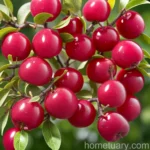
Chokeberry (Aronia arbutifolia) is a deciduous shrub belonging to the Rosaceae family, native to eastern North America. Also known as the red chokeberry, it is characterized by its ornamental and edible berries, as well as its adaptability to various environmental conditions. This plant is appreciated not only for its aesthetic appeal but also for its potential health benefits and wildlife attractions.
Key Takeaways – Chokeberry (Aronia arbutifolia)
Before delving into the details, here are some key takeaways about chokeberry (Aronia arbutifolia):
- Scientific Name: Aronia arbutifolia
- Other Names: Chokeberry plant, chokeberries, Aronia berries, Pyrus arbutifolia, Arbutifolia chokeberry, chokeberry shrub, chokeberry tree
- Family: Rosaceae
- Benefits: Rich in antioxidants and potential health benefits for immune system, heart health, and digestion
- Cultivation: Adaptable to various soil, light, and water conditions
- Versatility: Suitable for landscaping, wildlife habitats, and culinary use
- Challenges: Susceptible to certain diseases and pests
With these key points in mind, let’s explore the different aspects of chokeberry cultivation and its diverse uses.
Culture
Uses
Chokeberry (Aronia arbutifolia) is valued for its multifaceted uses, incorporating both practical and aesthetic dimensions:
- Landscaping: With its attractive foliage and colorful berries, chokeberry serves as an excellent choice for landscaping in both residential and commercial settings. It can be used as a standalone ornamental shrub or included in hedgerows and mixed borders.
- Wildlife Habitats: The berries of chokeberry are highly attractive to birds and other wildlife, making it a valuable addition for creating natural habitats and supporting biodiversity.
- Culinary Purposes: The berries of Aronia arbutifolia can be used in various culinary creations, including jams, jellies, sauces, and beverages. They add a tart flavor and vibrant color to a range of dishes and drinks, contributing to their visual appeal and potential health benefits.
Water
Chokeberry is known for its adaptability to different moisture levels. While it thrives in moist, well-drained soils, it can also tolerate periods of drought once established. Adequate water supply is crucial during the initial establishment phase, but the plant’s resilience allows it to withstand fluctuating water conditions.
Sunlight
Chokeberry plants exhibit versatility in their light requirements. They can grow in full sun to partial shade, making them suitable for a range of environmental settings. However, in regions with intense heat, providing some shade during the hottest part of the day might be beneficial for the plants.
Fertilizer
Chokeberry plants generally do not require excessive fertilization. However, if the soil is lacking in nutrients, applying a balanced fertilizer in the spring can promote healthy growth and berry production. It’s important to avoid over-fertilization, as this can lead to excessive vegetative growth at the expense of fruit production.
Soil
The adaptability of chokeberry extends to its soil preferences. It can thrive in a variety of soil types, including sandy, loamy, or clay soils, as long as they are well-drained. Although it can tolerate acidic soils, maintaining a slightly acidic to neutral pH level (6.0-7.0) is ideal for optimal growth.
Pruning
Proper pruning is essential for maintaining the health and appearance of chokeberry plants. Here are some key considerations for pruning this versatile shrub:
- Timing: Early spring, before new growth emerges, is the ideal time for pruning chokeberry plants. This allows the plant to recover and flourish during the growing season.
- Techniques: Remove any dead, damaged, or diseased wood, as well as crossing branches. Additionally, light shaping and thinning can help maintain an open and healthy structure.
- Caution: Avoid excessive pruning, as this can limit berry production. Striking a balance between promoting new growth and preserving fruiting wood is crucial.
Propagation
Chokeberry plants can be propagated through various methods, including seeds, cuttings, and division. Each method has its advantages and considerations, and the choice of propagation technique depends on the specific goals and resources of the grower. Here’s a brief overview of the different propagation methods:
Seed Propagation
- Starting chokeberry plants from seeds can be a rewarding but time-consuming process. The seeds require cold stratification to break dormancy, so sowing them in a prepared seedbed in the fall allows them to naturally undergo this process.
Cuttings
- Hardwood cuttings from healthy, disease-free plants can be taken in late fall or winter and rooted in a suitable growing medium. This method often yields clones of the parent plant and can result in faster establishment compared to seeds.
Division
- Mature chokeberry plants can be divided to create new individuals. This method involves carefully separating the root ball into sections, each with viable roots and shoots, and transplanting them to desired locations.
Container Popularity
Given its versatility and attractive features, chokeberry is well-suited to container cultivation. This approach allows gardeners with limited space to enjoy the beauty and benefits of this plant, even in small urban or suburban settings. Additionally, growing chokeberry in containers provides the flexibility to adjust growing conditions and facilitates maintenance and management.
Common Diseases
While chokeberry is generally robust, it can be susceptible to certain diseases, such as:
- Leaf Spot: Fungal pathogens can cause leaf spot diseases, resulting in the development of dark, irregular spots on the leaves. These can lead to premature defoliation and weaken the plant over time.
- Powdery Mildew: A white powdery coating on the leaves and shoots is indicative of powdery mildew, a common fungal disease that can impact the vigor and aesthetics of chokeberry plants.
Disease Diagnosis
Prompt and accurate diagnosis of diseases is essential for effective management. When observing unusual symptoms or changes in the appearance of chokeberry plants, it’s advisable to consult with experienced horticulturists or plant pathologists to identify the specific disease and determine appropriate treatment measures. Early intervention can prevent the spread of diseases and minimize potential damage to the plants.
Common Pests
Chokeberry plants may also face challenges from various pests, including:
- Aphids: These small, soft-bodied insects can congregate on the new growth and tender shoots of chokeberry, feeding on plant sap and potentially causing distortion and discoloration of leaves.
- Spider Mites: These minuscule arachnids can infest the foliage of chokeberry plants, leading to stippling, webbing, and reduced photosynthetic activity.
Pests Management
Integrated pest management (IPM) strategies can be employed to address pest issues in a balanced and sustainable manner. These may include cultural practices, biological controls, and, when necessary, targeted applications of eco-friendly pesticides. Regular monitoring and early detection are important components of a proactive pest management approach, enabling timely intervention and preservation of plant health.
Botanist’s Tips
To ensure the successful cultivation and enjoyment of chokeberry plants, here are some expert tips from botanists and horticultural specialists:
- Site Selection: Choose a well-drained location with adequate sunlight for optimal growth and berry production.
- Soil Preparation: Amend the soil with organic matter if needed and ensure proper drainage to create a conducive growing environment.
- Pruning Practices: Follow recommended pruning techniques to maintain plant health and shape while promoting fruiting.
Fun Facts
- The tart, astringent berries of chokeberry are a valuable food source for wildlife, including birds, squirrels, and chipmunks. This contributes to the ecological importance of the plant.
- Chokeberry’s vibrant fall foliage, featuring shades of red, orange, and purple, adds visual interest to landscapes and gardens during the autumn season.
Links to External Resources
For additional information and in-depth insights into chokeberry (Aronia arbutifolia), consider exploring the following resources:
- USDA Plants Database
- University of Florida IFAS Extension – Chokeberry
- Missouri Botanical Garden – Aronia arbutifolia
- North Carolina State University – Chokeberries
As you explore these resources, you’ll gain a deeper understanding of the cultivation, uses, and ecological significance of chokeberry plants.
In conclusion, chokeberry (Aronia arbutifolia) stands as a versatile, resilient, and aesthetically appealing addition to landscapes, gardens, and natural habitats. With its ornamental features, potential health benefits, and ecological value, it continues to captivate the interest of horticulturists, wildlife enthusiasts, and culinary enthusiasts alike. By incorporating the insights shared here and further exploring the wealth of knowledge available, you can embark on a rewarding journey of discovering and cultivating this remarkable plant.