Colorado Stonecrop (Sedum spathulifolium): A Complete Guide
Colorado Stonecrop, scientifically known as Sedum spathulifolium, is a charming and resilient plant that has been capturing the hearts of both gardeners and plant scientists for its adaptability and low-maintenance needs. This succulent plant is native to the rocky coastal cliffs of western North America, particularly in the states of Oregon and California. Its ability to thrive in various conditions, along with its distinct characteristics, makes it a valuable addition to any garden or landscape. In this comprehensive guide, we will delve into the culture, uses, care, propagation, and unique facts about the Colorado Stonecrop.
What is Colorado Stonecrop (Sedum spathulifolium)?
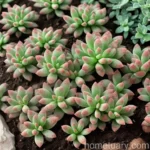
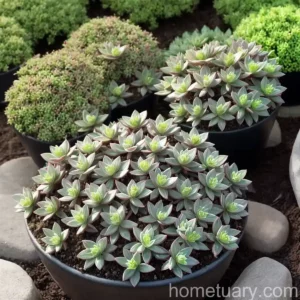
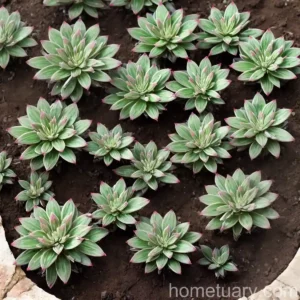
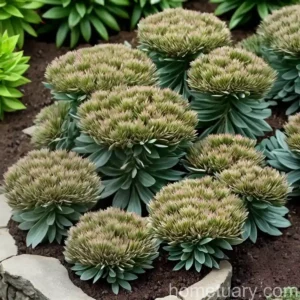
Colorado Stonecrop, or Sedum spathulifolium, is a perennial succulent that belongs to the Crassulaceae family, which comprises a diverse group of succulent plants. This species is characterized by its rosettes of spoon-shaped, fleshy leaves that range in color from vibrant green to silvery gray, depending on the variety. The small, star-shaped yellow flowers that bloom in the summer further enhance its visual appeal. Colorado Stonecrop’s ability to form dense mats, along with its adaptability to various environmental conditions, makes it a popular choice for both novice and experienced gardeners.
Key Takeaways – Colorado Stonecrop (Sedum spathulifolium)
Let’s explore the key aspects and characteristics of Colorado Stonecrop, also known as Sedum spathulifolium, to gain a deeper understanding of this fascinating plant.
- Culture
- Uses
- Water
- Sunlight
- Fertilizer
- Soil
- Pruning
- Propagation
- Container Popularity
- Common Diseases
- Common Pests
- Botanist’s Tips
- Fun Facts
- Links to External Resources
Culture
Colorado Stonecrop, given its resilience and adaptability, can thrive in a variety of environmental settings. Understanding its cultural needs is crucial for ensuring its optimal growth and overall health. Here are the key cultural considerations for cultivating Sedum spathulifolium:
Water
Colorado Stonecrop is well-suited to dry, arid conditions and is remarkably drought-tolerant once established. When it comes to watering, it’s important to allow the soil to dry out between watering sessions. Overwatering can lead to root rot and other moisture-related ailments, so it’s best to err on the side of underwatering as opposed to overwatering. During the growing season, a monthly watering schedule should suffice, but this can vary based on the specific climate and local conditions. In winter, when the plant is dormant, minimal to no watering is necessary.
Sunlight
Sedum spathulifolium thrives in full sun to partial shade, making it adaptable to a variety of light conditions. It performs best when provided with ample sunlight, which enhances its coloration and promotes robust growth. However, it can tolerate some shade, particularly in regions where intense sunlight is limited. When planting Colorado Stonecrop, ensure it receives at least 6 hours of direct sunlight each day for optimal performance.
Fertilizer
One of the notable traits of Colorado Stonecrop is its ability to thrive in nutrient-poor soils. As such, fertilization is generally not required for this low-maintenance plant. In fact, excessive fertilization can lead to overly lush growth, potentially compromising its natural form and resilience. If the soil is extremely poor or lacks adequate nutrients, a light application of a balanced fertilizer in early spring can support healthy growth.
Soil
Colorado Stonecrop prefers well-draining, sandy or gravelly soils with low fertility. It excels in rocky or sandy substrates, which mimic its native habitat along coastal cliffs. These well-draining soils prevent waterlogging and ensure that the plant’s roots remain healthy and free from excess moisture. When planting Sedum spathulifolium in containers, using a specialized cactus or succulent potting mix with added perlite can provide the ideal growing medium.
Pruning
Pruning requirements for Colorado Stonecrop are minimal, as the plant naturally maintains a compact and tidy appearance. However, removing any spent flower stems after blooming can promote the plant’s overall vigor and encourage the development of new growth. Additionally, trimming back any damaged or withered foliage can enhance the plant’s aesthetic appeal and prevent the spread of diseases.
Uses
Colorado Stonecrop offers a multitude of uses, ranging from landscape design to ecological benefits. Understanding its applications can shed light on the plant’s versatility and value in various settings.
Garden and Landscape Design
In garden and landscape design, Sedum spathulifolium is highly prized for its ability to create beautiful ground covers and lush, textural accents. Its low-growing habit and spreading nature make it an excellent choice for rock gardens, alpine gardens, and dry, sunny slopes. The plant’s ability to withstand harsh conditions, including wind and salt spray, further enhances its appeal in coastal landscapes. Additionally, its compact size and resilience to drought make it an ideal choice for xeriscaping, where water conservation is a primary consideration.
Ecological Benefits
Beyond its ornamental value, Colorado Stonecrop also provides ecological benefits by attracting pollinators such as bees and butterflies with its nectar-rich flowers. The dense mats formed by the plant can offer habitat and protection for small insects and other invertebrates. Moreover, its adaptability to poor soils and harsh environmental conditions makes it a valuable plant for erosion control in challenging landscapes.
Propagation
Propagating Colorado Stonecrop is relatively straightforward and can be achieved through several methods, including division, stem cuttings, and leaf cuttings. This allows for the easy expansion of plantings and the sharing of this charming succulent with fellow enthusiasts.
Division
Dividing mature clumps of Sedum spathulifolium is a common method of propagation that can be performed in spring or early summer. To propagate through division, carefully dig up the mature plant and gently separate the offsets or offsets from the main root system. The separated clumps can then be replanted in well-draining soil and kept moderately moist until new growth becomes established.
Stem Cuttings
Stem cuttings provide another effective means of propagating Colorado Stonecrop. Select healthy, non-flowering stems and cut them into sections, each comprising a few inches in length. Allow the cut ends to callus for a day or two before planting them in a well-draining soil mix. With consistent moisture and mild temperatures, these cuttings should root and develop into independent plants over time.
Leaf Cuttings
Taking leaf cuttings is a popular method for propagating many succulent species, including Sedum spathulifolium. Simply remove individual leaves from a healthy plant and allow the cut ends to callus over for a few days. Subsequently, place the leaf cuttings on top of a potting mix designed for succulents, ensuring good contact between the leaf and the soil. Given the right conditions, new plantlets will emerge from the base of the leaf and gradually develop into mature plants.
Container Popularity
Colorado Stonecrop’s compact growth habit and adaptability make it an excellent candidate for container gardening. Whether utilized as a stand-alone specimen or in combination with other drought-tolerant plants, its distinctive foliage and flowers can create visually striking displays in containers.
Common Diseases
While Colorado Stonecrop is generally resilient to diseases and pests, certain environmental conditions or cultural practices may lead to health issues. Understanding common diseases and their management can aid in maintaining the plant’s vigor.
Disease Diagnosis
The most prevalent diseases that affect Colorado Stonecrop include fungal infections such as powdery mildew and root rot. Powdery mildew appears as a white, powdery coating on the leaves and can be managed through cultural practices, including providing adequate air circulation and avoiding overhead watering. Root rot, on the other hand, is often a result of excessive moisture around the root zone and can be mitigated by ensuring well-draining soil and appropriate watering practices.
Common Pests
Colorado Stonecrop is relatively resistant to pest infestations, owing to its succulent nature and resilience. While occasional pest issues may arise, particularly in stressed or unhealthy plants, common pests such as aphids, mealybugs, and scale insects can typically be addressed through the application of horticultural oils or insecticidal soaps. Additionally, promoting a diverse and balanced ecosystem in the garden can encourage the presence of natural predators that help control pest populations.
Botanist’s Tips
As a plant scientist, I’ve had the privilege of studying and observing Colorado Stonecrop in various settings. Through my experiences, I’ve gathered valuable insights and tips for cultivating this remarkable succulent:
- When selecting a planting site for Colorado Stonecrop, prioritize well-draining soils and ample sunlight to ensure the plant’s optimal growth and vibrancy.
- Overwatering is one of the primary threats to Colorado Stonecrop’s health. Establish a watering regimen that allows the soil to dry out in between water applications, particularly in containers.
- Pruning, while minimal, can help maintain the plant’s ornamental appeal and overall vigor. Remove any damaged or spent foliage to promote new growth and prevent disease spread.
- Colorado Stonecrop’s adaptability to a range of environmental conditions makes it an excellent choice for novice gardeners and those seeking low-maintenance plantings.
Fun Facts
Discovering fun and intriguing facts about Colorado Stonecrop can further deepen one’s appreciation for this charming succulent:
- In its native habitats along coastal cliffs, Sedum spathulifolium can withstand strong winds, salt spray, and other challenging environmental conditions, showcasing its resilience.
- The small, star-shaped yellow flowers of Colorado Stonecrop not only add visual interest but also provide a valuable food source for pollinators, contributing to the ecological diversity of its surroundings.
Links to External Resources
For those seeking further information, resources, and plant inspiration related to Colorado Stonecrop and succulent gardening, the following links can serve as valuable references:
In conclusion, Colorado Stonecrop, or Sedum spathulifolium, stands out as an exceptional succulent that offers an array of benefits for gardens, landscapes, and the broader ecosystem. Its adaptability, resilience, and ornamental value make it a sought-after plant for various horticultural and ecological applications. By considering its cultural needs, propagation methods, and unique characteristics, gardeners and plant enthusiasts can make the most of this charming succulent and create stunning, sustainable landscapes enriched by the charm of Colorado Stonecrop.