Sedum ‘Touchdown Teak’ (Stonecrop): A Plant Scientist’s Guide
Introduction
In the world of horticulture, the Sedum ‘Touchdown Teak’, commonly known as Stonecrop, is a popular choice among gardeners and plant enthusiasts for its unique characteristics and adaptability. As a plant scientist, I have had the opportunity to study this remarkable plant in detail, and through this blog post, I aim to provide a comprehensive guide to understanding and caring for the Sedum ‘Touchdown Teak’.
What is Sedum ‘Touchdown Teak’ (Stonecrop)?
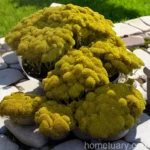
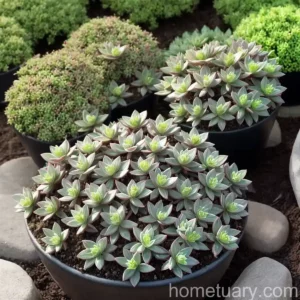
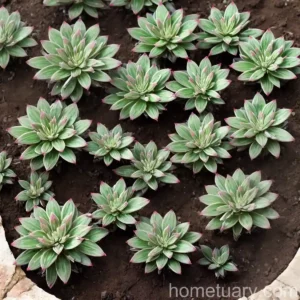
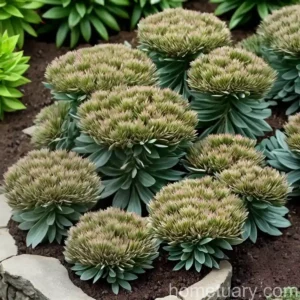
The Sedum ‘Touchdown Teak’ is a striking perennial succulent that belongs to the Crassulaceae family. It is recognized for its stunning foliage and low-maintenance nature, making it an excellent choice for various landscaping and gardening purposes. The plant features dense clusters of succulent leaves that range in color from green to coppery red, offering an aesthetic appeal that sets it apart from other traditional garden plants. Additionally, the Sedum ‘Touchdown Teak’ produces vibrant flowers in late summer or early fall, attracting pollinators and adding vibrant color to outdoor spaces.
Key Takeaways – Sedum ‘Touchdown Teak’ (Stonecrop)
As a plant scientist, I have identified several key takeaways regarding the Sedum ‘Touchdown Teak’, encompassing its culture, uses, maintenance requirements, and unique characteristics. Let’s delve into each of these aspects to gain a comprehensive understanding of this remarkable plant.
Culture
- The Sedum ‘Touchdown Teak’ thrives in well-draining soil and prefers locations with adequate sunlight.
- It is a drought-tolerant plant and is well-suited for xeriscaping and water-wise gardening practices.
Uses
- The plant can be utilized as a ground cover, border plant, or as a part of rock gardens, thanks to its trailing habit and low-growing nature.
- It can also be grown in containers, making it a versatile choice for both indoor and outdoor spaces.
Water
- The Sedum ‘Touchdown Teak’ has moderate water requirements and is capable of withstanding dry conditions once established.
- It is important not to overwater the plant, as excessive moisture can lead to root rot and other issues.
Sunlight
- This Stonecrop variety thrives in full sun to partial shade, making it suitable for a wide range of light conditions.
- Adequate sunlight is essential for the plant to display its vibrant foliage colors and to promote blooming.
Fertilizer
- The Sedum ‘Touchdown Teak’ does not require frequent fertilization and can thrive in nutrient-poor soils.
- If fertilization is deemed necessary, it is advisable to use a balanced, low-nitrogen fertilizer in the spring.
Soil
- Well-draining, slightly acidic to neutral soil is ideal for the Sedum ‘Touchdown Teak’.
- Amending the soil with organic matter can enhance its overall health and vigor.
Pruning
- Pruning is minimal for the Sedum ‘Touchdown Teak’ and primarily involves removing spent flowers and tidying up the plant’s appearance as needed.
- It is advisable to prune the plant in early spring to promote healthy growth and flowering.
Propagation
- The Sedum ‘Touchdown Teak’ can be propagated through stem cuttings, division, or by collecting and sowing seeds.
- Propagation is relatively straightforward, and it allows for the expansion of the plant in various garden settings.
Container Popularity
- The Sedum ‘Touchdown Teak’ is highly popular as a container plant due to its compact growth habit and low maintenance requirements.
- It adds visual appeal to outdoor patios, balconies, and indoor spaces.
Common Diseases
- The plant is generally resistant to most diseases, but overwatering can lead to issues such as root rot and fungal infections.
- Proper cultural practices and well-draining soil can significantly reduce the risk of disease development.
Disease Diagnosis
- Symptoms of disease in the Sedum ‘Touchdown Teak’ may include wilting, discoloration of foliage, and stunted growth.
- Timely diagnosis and appropriate corrective measures are crucial for maintaining the plant’s health.
Common Pests
- The Sedum ‘Touchdown Teak’ may attract certain pests such as aphids, mealybugs, and spider mites, especially in stressed conditions.
- Regular monitoring and the use of natural predators or insecticidal soaps can help manage pest infestations.
Botanist’s Tips
As a plant scientist specializing in succulents and ornamental plants, I have accumulated essential tips for cultivating and caring for the Sedum ‘Touchdown Teak’. These insights are aimed at ensuring the optimal growth and development of the plant, enhancing its visual appeal, and addressing potential challenges effectively.
Fun Facts
- The name “Sedum” is derived from the Latin word “sedere,” which means “to sit,” referencing the plant’s low-growing and spreading nature.
- Sedum ‘Touchdown Teak’ is not only a visually appealing plant but also serves as a valuable nectar source for bees, butterflies, and other pollinators.
- Some Sedum varieties, including the ‘Touchdown Teak’, are edible and can be used in culinary applications, adding a unique twist to dishes and salads.
Links to External Resources
For further exploration of Sedum ‘Touchdown Teak’ and its cultivation, maintenance, and landscape uses, I recommend the following reliable external resources:
– The Royal Horticultural Society (RHS)
– Missouri Botanical Garden
– University Cooperative Extension Services
In these resources, you will find in-depth information, expert insights, and practical guidance on a wide range of gardening and horticulture topics.
Conclusion
In conclusion, the Sedum ‘Touchdown Teak’ (Stonecrop) stands out as an exceptional plant with its eye-catching foliage, adaptable nature, and minimal maintenance requirements. As a plant scientist, I have highlighted the key aspects of this plant, ranging from its cultural preferences and uses to maintenance tips and unique characteristics. I hope that this comprehensive guide serves as a valuable resource for gardeners, horticulture enthusiasts, and anyone seeking to cultivate and appreciate the beauty of the Sedum ‘Touchdown Teak’ in various garden settings.
Through an understanding of its growth habits, water and sunlight requirements, disease resistance, and propagation methods, individuals can confidently incorporate the Sedum ‘Touchdown Teak’ into their landscapes, container gardens, and indoor spaces. By celebrating the unique qualities and versatility of this plant, we can contribute to the vibrant tapestry of plant life and enhance the natural beauty of our surroundings.
As a plant scientist dedicated to promoting sustainable and enriching gardening practices, I encourage everyone to explore the diverse world of plants and cultivate a deep appreciation for their contributions to our lives and the environment.
Remember, from the resilient Stonecrop varieties to the delicate blooms of ornamental flowers, there is always something fascinating and wondrous to discover in the realm of plant science.
Thank you for joining me on this horticultural journey, and may your gardens be filled with joy, beauty, and the thriving presence of the Sedum ‘Touchdown Teak’ and other remarkable plant species.
Happy gardening!

This blog post was written by [Your Name], a passionate plant scientist dedicated to sharing knowledge and insights into the world of horticulture and sustainable gardening practices.