Tutsan (Hypericum Androsaemum)
Welcome to the comprehensive guide to Tutsan, also known as Hypericum androsaemum. In this article, we will explore the cultural significance, uses, care.
Welcome to the comprehensive guide to Tutsan, also known as Hypericum androsaemum. In this article, we will explore the cultural significance, uses, care tips, propagation methods, common diseases, and pests that affect this fascinating plant species. Tutsan is valued not only for its ornamental beauty but also for its medicinal properties and rich folklore traditions. Join me in this journey as we delve into the intricacies of Tutsan and gain a deeper understanding of its place in horticulture, traditional remedies, and cultural symbolism.
What is Tutsan (Hypericum androsaemum)?
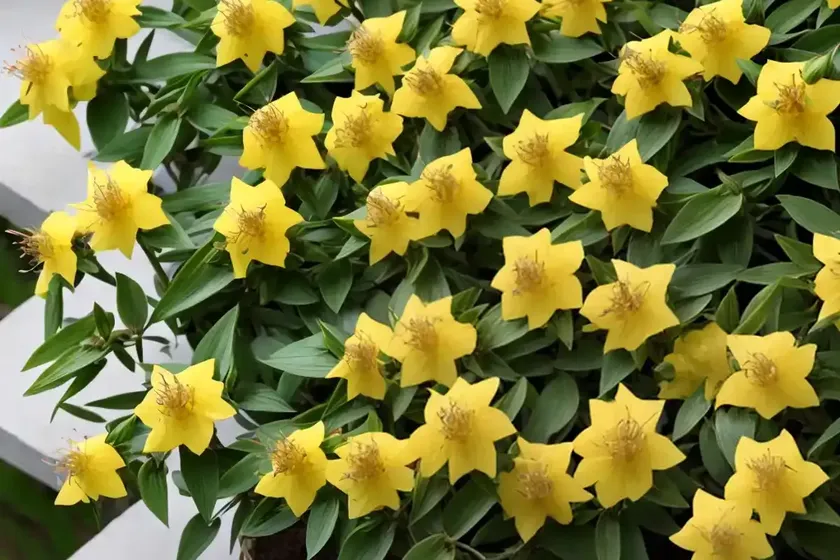
Tutsan, scientifically known as Hypericum androsaemum, is a species of flowering plant in the family Hypericaceae. This perennial shrub is native to Europe and North Africa and is characterized by its small, star-shaped yellow flowers and prominent red or black berries. Tutsan has a rich cultural and medicinal history, making it a plant of significant interest to botanists, horticulturists, and herbalists alike.
Key Takeaways – Tutsan (Hypericum androsaemum)
Before we delve into the specific details of Tutsan, let’s take a moment to summarize the key takeaways about this plant:
- Tutsan, also known as Hypericum androsaemum, is a species of flowering plant native to Europe and North Africa.
- It is valued for its ornamental beauty, medicinal uses, and rich folklore traditions.
- Tutsan requires specific cultural conditions including water, sunlight, fertilizer, soil type, and pruning to thrive.
- Propagation of Tutsan can be achieved through various methods such as seeds, cuttings, and division.
- While Tutsan is relatively low-maintenance, it is susceptible to certain diseases and pests which require careful monitoring and management.
Now, let’s dive into each of these aspects in more detail.
Culture
Water
Proper watering is essential for the health and vigor of Tutsan plants. These shrubs prefer consistently moist but well-drained soil. While they can tolerate some drought once established, it’s important to provide regular watering, especially during dry periods. Overly wet or waterlogged soil can lead to root rot, so it’s crucial to find the right balance.
Sunlight
Tutsan plants thrive in full sun to partial shade. They require at least six hours of direct sunlight to produce an abundance of flowers and berries. When grown in partial shade, the plant may have fewer flowers and berries, but it will still flourish if provided with adequate light.
Fertilizer
Proper fertilization can enhance the growth and blooming of Tutsan plants. A balanced, all-purpose fertilizer can be applied in early spring before new growth begins. Be sure to follow the recommended application rates on the fertilizer packaging to avoid over-fertilization, which can lead to excessive foliage growth at the expense of flowers and berries.
Soil
Tutsan plants thrive in well-drained, slightly acidic to neutral soil. A loamy, fertile soil provides an ideal growing medium for these shrubs. If your soil is heavy or clay-like, amending it with organic matter such as compost can improve drainage and overall soil quality.
Pruning
Pruning is an important aspect of Tutsan plant care. It not only helps maintain the plant’s shape and size but also promotes new growth and flowering. Prune Tutsan in early spring to remove any dead or damaged branches and to shape the plant as desired. Additionally, regular deadheading of spent flowers can encourage continuous blooming throughout the growing season.
Propagation
Tutsan plants can be propagated through various methods including:
- Seeds: Tutsan produces small berries that contain seeds. Collect the berries when they are fully ripe, extract the seeds, and sow them in a well-prepared seed-starting mix. Keep the soil consistently moist, and the seeds should germinate within a few weeks.
- Cuttings: Softwood cuttings taken in late spring or early summer can be rooted to produce new Tutsan plants. Dip the cut end in rooting hormone, plant it in a well-draining soil mix, and keep it consistently moist until roots develop.
- Division: Mature Tutsan plants can be divided in early spring before new growth emerges. Carefully dig up the plant, divide the root ball into sections, and replant the divisions in prepared soil.
Container Popularity
Tutsan can be grown in containers, making it a popular choice for gardeners with limited space or those who want to enjoy this beautiful plant on patios, balconies, or other urban settings. When growing Tutsan in containers, it’s essential to choose a pot with drainage holes to prevent waterlogging. Use a high-quality potting mix and ensure the plant receives adequate sunlight and water as mentioned earlier.
Container Common Diseases
Tutsan plants in containers may be susceptible to certain diseases, mainly related to overwatering or poor drainage. Common container diseases include:
- Root Rot: Caused by overwatering or waterlogged soil, leading to the decay of the plant’s roots.
- Powdery Mildew: A fungal disease that appears as a white powdery substance on the leaves and stems, often due to poor air circulation.
Disease Diagnosis
If you observe any unusual symptoms on your Tutsan plant, it’s important to diagnose the issue correctly to implement the appropriate treatment. Look for visual cues such as leaf discoloration, wilting, or unusual growths. Consider reaching out to your local cooperative extension or a plant disease diagnostic center for expert advice and guidance on managing the specific disease affecting your Tutsan plant.
Common Pests
Tutsan plants are generally resistant to pests, but they may occasionally be affected by:
- Aphids: Small, soft-bodied insects that cluster on new growth and undersides of leaves, sucking sap from the plant.
- Scale Insects: These pests appear as small bumps on stems and leaves, feeding on the plant’s sap and excreting a sticky substance known as honeydew.
Regular monitoring and maintaining a healthy garden ecosystem can often prevent pest infestations, but if necessary, various eco-friendly pest control methods can be employed to manage these issues.
Botanist’s Tips
For botanists and plant enthusiasts, Tutsan provides a unique opportunity for observation and study. The following tips can enhance your experience with this fascinating plant:
- Botanical Illustrations: Consider creating detailed botanical illustrations of Tutsan flowers, leaves, and berries to document their morphology and changes over time.
- Phenological Observations: Keep a phenology journal to note the plant’s growth stages, flowering times, and fruit development, providing valuable insights into its life cycle.
- Taxonomic Classification: Explore the taxonomic relationships of Tutsan within the Hypericum genus, comparing its characteristics to closely related species.
Fun Facts
- Folklore and Symbolism: Tutsan has been associated with various folklore traditions and symbolic meanings throughout history. In some cultures, it was believed to have protective qualities and was used in traditional remedies.
- Historical Uses: Tutsan has a long history of medicinal use, with its berries and leaves being employed in herbal medicine for various purposes.
Now that we have covered the cultural significance, uses, care tips, and botanist’s insights, let’s delve deeper into the specific characteristics and properties of Tutsan.
Tutsan Plant Characteristics
Tutsan plants exhibit the following distinctive characteristics:
- Foliage: The foliage is typically glossy and bright green, with elliptical to ovate leaves arranged oppositely along the stems.
- Flowers: The flowers are small, bright yellow, and star-shaped, blooming in clusters at the ends of the branches.
- Berries: Following the flowers, Tutsan plants produce round berries that start off green and gradually turn red, then dark purple or black when fully ripe.
Hypericum Androsaemum Gardening
Gardening with Hypericum androsaemum can be a rewarding experience, as it offers both ornamental beauty and potential medicinal benefits. By following the cultural practices mentioned earlier, such as providing adequate water and sunlight, fertilizing appropriately, and maintaining proper soil conditions, you can cultivate healthy and thriving Tutsan plants in your garden or landscape.
Hypericum Androsaemum Uses
Ornamental Uses
Tutsan is prized for its ornamental value in gardens and landscapes. It can be grown as a specimen plant, in mixed borders, or as part of a wildlife or pollinator garden. The cheerful yellow flowers and colorful berries add visual interest and attract pollinators, making it a valuable addition to diverse garden designs.
Medicinal Uses
Tutsan has a long history of traditional medicinal uses, with its leaves and berries being utilized in herbal remedies. It has been attributed with various medicinal properties and was historically employed to address certain health concerns.
Hypericum Androsaemum Folklore Traditions
Throughout history, Tutsan has been woven into folklore traditions, with various cultural beliefs and superstitions surrounding this plant. It is intriguing to explore the folklore and symbolic significance of Tutsan across different cultures and time periods.
Hypericum Androsaemum Diseases
While Tutsan is generally resilient, it can be susceptible to certain diseases. It’s essential to be aware of potential diseases that can affect Tutsan plants, such as the previously mentioned root rot and powdery mildew, and to take proactive measures to prevent and manage these issues.
Hypericum Androsaemum Traditional Remedies
The historical use of Tutsan in traditional remedies is a testament to its cultural significance and perceived medicinal properties. Exploring traditional remedies involving Tutsan provides insights into the historical context and cultural practices related to this plant.
Hypericum Androsaemum Gardening Tips
To ensure the successful cultivation of Tutsan in the garden or landscape, consider the following gardening tips:
- Pollinator-Friendly Planting: Tutsan is known to attract pollinators such as bees and butterflies. Incorporating it into pollinator-friendly planting schemes can support biodiversity and ecological balance in the garden.
- Companion Planting: Pair Tutsan with compatible companion plants that complement its growth habits and cultural requirements, creating visually appealing and harmonious plant combinations.
Hypericum Androsaemum Herbal Remedies
The historical and contemporary use of Tutsan in herbal remedies underscores its importance in traditional medicine and alternative healing practices. Exploring the potential herbal remedies derived from Tutsan offers valuable insights into its medicinal properties and cultural relevance.
Hypericum Androsaemum Sacred Plant
In certain cultures and traditions, Tutsan holds sacred or symbolic significance, often associated with protection, healing, or spiritual beliefs. Understanding the sacred aspects of Tutsan adds depth to its cultural and historical importance.
Hypericum Androsaemum Folklore Traditions
Exploring the folklore traditions associated with Tutsan unveils a rich tapestry of cultural beliefs, symbolic meanings, and traditional customs related to this captivating plant. Folklore traditions provide a glimpse into the enduring cultural resonance of Tutsan across different societies.
Hypericum Androsaemum Horticulture
In horticultural practices, Tutsan holds a special place due to its versatility, ornamental appeal, and potential ecological contributions. Exploring its role in horticulture sheds light on its practical applications and value in various landscaping and gardening contexts.
With a comprehensive understanding of the key aspects of Tutsan, including its cultural significance, uses, care tips, propagation methods, common diseases, and pests, you are well-equipped to appreciate and cultivate this remarkable plant species. Whether you are drawn to Tutsan for its ornamental beauty, herbal properties, or cultural symbolism, it continues to inspire and fascinate individuals with its diverse attributes and rich history.
For further information on Tutsan (Hypericum androsaemum), refer to the following external resources:
- Royal Horticultural Society – Hypericum androsaemum
- Missouri Botanical Garden – Hypericum androsaemum
- University of Florida IFAS Extension – Tutsan
These resources offer valuable insights, cultivation tips, and in-depth information to further enrich your knowledge of Tutsan and its diverse attributes.
In conclusion, Tutsan (Hypericum androsaemum) stands as a testament to the interwoven tapestry of ornamental, medicinal, and cultural significance that plants embody. Its resilience in the face of changing climates, its allure in the garden, and its historical uses in traditional remedies all contribute to the enduring fascination and relevance of Tutsan in the botanical world. As you embark on your journey with Tutsan, may the insights and knowledge shared in this guide inspire a deeper appreciation for this captivating plant and its multifaceted contributions to our lives and landscapes.
Happy gardening and exploration amidst the world of Tutsan!


