Sedum Oreganum (Oregon Stonecrop)
As a plant scientist, I have always been fascinated by the diverse range of flora that exists around us. One particular plant that has captured my.
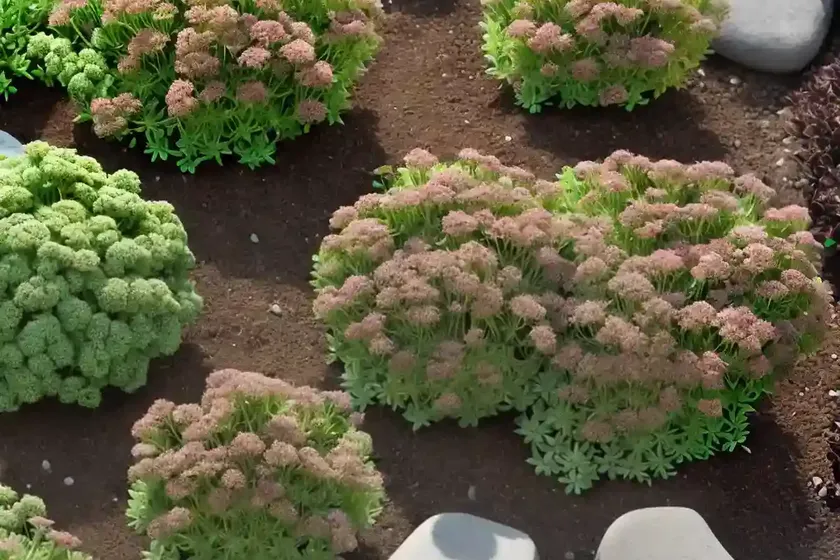
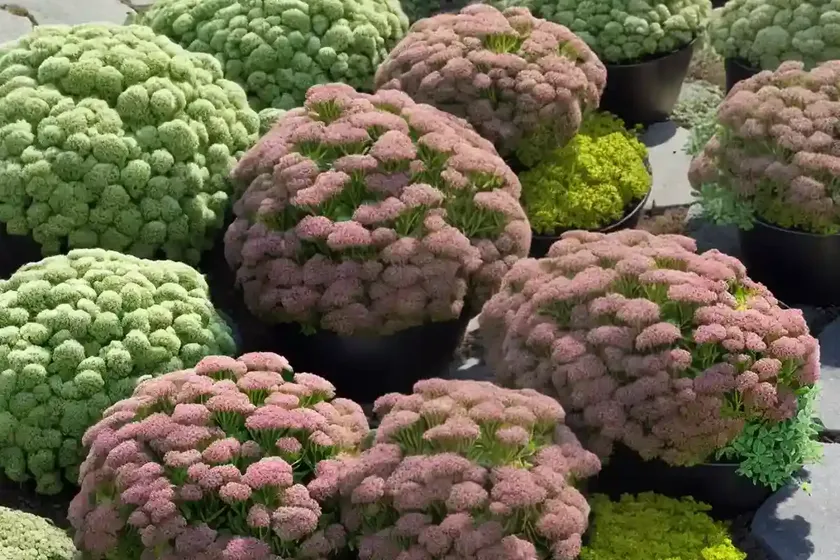
As a plant scientist, I have always been fascinated by the diverse range of flora that exists around us. One particular plant that has captured my attention is the Sedum oreganum, also known as Oregon Stonecrop. This resilient and versatile plant has sparked interest not only for its attractive appearance but also for its numerous practical uses and ecological benefits. In this extensive guide, we will explore the various dimensions of Sedum oreganum, encompassing its culture, uses, care, and much more.
Key Takeaways – Sedum oreganum (Oregon Stonecrop)
Before delving into the details, let’s take a brief look at the key takeaways about Sedum oreganum:
- Scientific Name: Sedum oreganum
- Common Name: Oregon Stonecrop
- Plant Type: Perennial Succulent
- Native Habitat: Western North America
- Growth Habits: Creeping, Mat-Forming
- Sunlight Requirements: Full Sun to Partial Shade
- Water Needs: Low to Moderate
- Soil Preferences: Well-Draining, Sandy-Loam
- Uses: Landscaping, Ground Cover, Container Gardening, Medicinal, Wildlife Habitat
- Drought Tolerance: High
- Maintenance: Low
With these key points in mind, let’s embark on an in-depth exploration of Sedum oreganum, uncovering its cultural practices, uses, and ecological significance.
What is Sedum oreganum?
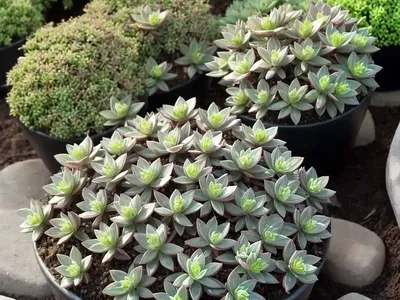
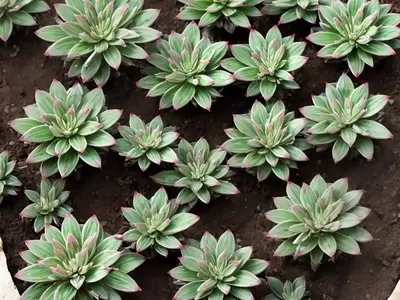
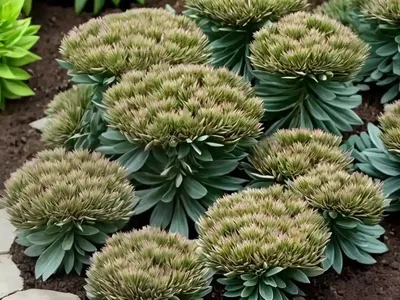
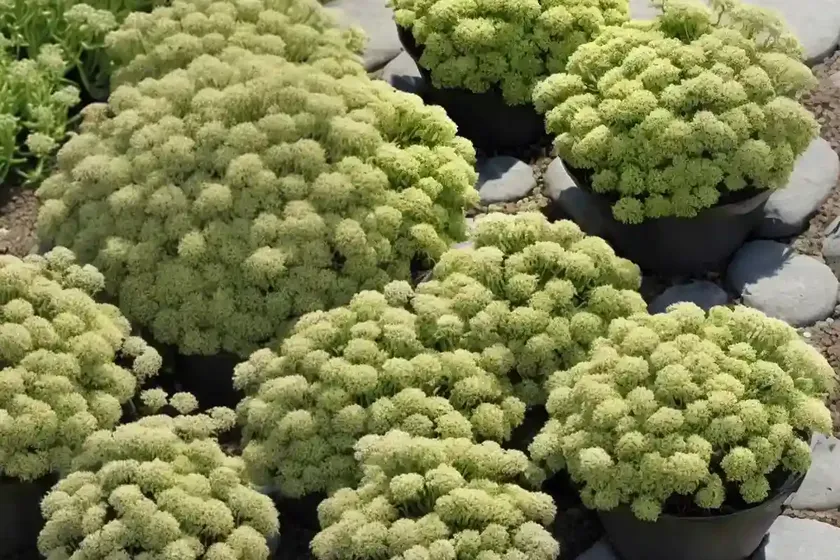
Sedum oreganum, commonly referred to as Oregon Stonecrop, belongs to the Sedum genus, which encompasses a wide array of succulent plants. This perennial succulent is native to western North America, where it thrives in diverse habitats ranging from rocky slopes to open woodlands. With its creeping growth habit and mat-forming nature, Sedum oreganum is well-suited for various landscaping and gardening applications.
Plant Characteristics
The Oregon Stonecrop can be recognized by its distinct characteristics, including:
– Fleshy, succulent leaves
– Clusters of star-shaped flowers in varying hues of pink, red, or white
– Creeping stems that form dense mats over the ground
– Drought-resistant nature
– Adaptability to poor soil conditions
Now that we have a basic understanding of the Oregon Stonecrop, let’s delve deeper into its culture, uses, and the optimal care practices required to cultivate and maintain this resilient plant.
Culture
Water
Sedum oreganum is well-adapted to dry, arid conditions and exhibits remarkable drought tolerance. When established, it requires minimal supplemental watering, making it an excellent choice for water-wise landscapes and gardens. While young plants may benefit from occasional watering during prolonged dry spells, mature Oregon Stonecrop specimens typically thrive with little intervention.
Sunlight
In terms of sunlight requirements, Sedum oreganum prefers full sun to partial shade. It flourishes in bright, sunny conditions and is capable of thriving in diverse light intensities, making it a versatile option for various garden settings. When provided with ample sunlight, the plant displays vibrant foliage and abundant flowering, adding visual allure to its surroundings.
Soil
The Oregon Stonecrop thrives in well-draining, sandy-loam soils. It is particularly well-suited to rocky or sandy substrates, reflecting its native habitat preferences. The plant’s succulent leaves are adapted to store water, enabling it to withstand periods of drought and thrive in nutrient-poor soils. When cultivating Sedum oreganum, it is crucial to ensure that the chosen planting site provides adequate drainage to prevent waterlogging, which can be detrimental to the plant’s health.
Fertilizer
Due to the Oregon Stonecrop’s natural adaptability to nutrient-poor soils, it generally does not necessitate regular fertilization. Excessive fertilization can lead to lush, overly tender growth, which may compromise the plant’s resilience and drought tolerance. Furthermore, an excess of nutrients can stimulate excessive vegetative growth at the expense of flowering, detracting from the plant’s ornamental value. As such, it is advisable to refrain from applying heavy fertilizers and instead focus on providing optimal growing conditions through suitable soil and environmental management.
Uses
Landscaping
Sedum oreganum is an invaluable addition to landscaping endeavors, offering a versatile and resilient option for ground cover, rock gardens, and slope stabilization. Its creeping growth habit and mat-forming nature make it an ideal candidate for creating visually appealing, low-maintenance landscapes. Whether utilized to adorn rocky outcrops or to carpet open expanses of soil, the Oregon Stonecrop adds a touch of natural beauty while contributing to soil conservation and erosion control.
Container Gardening
The compact and low-growing nature of Sedum oreganum lends itself well to container gardening. Whether incorporated into succulent arrangements or showcased in individual pots, the plant’s ornamental value and minimal maintenance requirements make it a popular choice for container culture. When utilized in outdoor or indoor container displays, the Oregon Stonecrop’s ability to thrive with minimal intervention enhances its appeal as a decorative and practical addition to garden spaces.
Medicinal Uses
Beyond its ornamental and landscaping utility, Sedum oreganum has historical applications in traditional medicine. Some indigenous cultures have utilized the plant for its purported medicinal properties, harnessing its potential as a remedy for various ailments. While the specifics of these traditional uses may vary, it is important to note that the plant’s medicinal applications should be approached with caution and respect for indigenous knowledge and cultural practices.
Wildlife Habitat
The Oregon Stonecrop plays a role in supporting local ecosystems by providing habitat and food sources for pollinators and other wildlife. The plant’s nectar-rich flowers attract diverse pollinators, including bees, butterflies, and other beneficial insects, contributing to the ecological vitality of garden spaces. Furthermore, the dense mats formed by Sedum oreganum offer shelter for small creatures and contribute to the biodiversity of the surrounding environment.
Pruning
Given its low-maintenance nature, Sedum oreganum typically requires minimal pruning. However, periodic maintenance may be needed to remove spent flower heads or to control the plant’s spread in garden settings. Pruning can also be employed to rejuvenate the plant and manage its overall appearance, particularly when it exhibits excessive growth or becomes overcrowded. When undertaking pruning activities, it is important to utilize sterilized cutting tools to prevent the spread of diseases among plants.
Propagation
Sedum oreganum can be propagated through various methods, including division, stem cuttings, and seed propagation. Each approach offers unique advantages and considerations, allowing gardeners to expand their Oregon Stonecrop collection or to share the plant with others. Whether seeking to propagate Sedum oreganum for personal enjoyment or to contribute to horticultural initiatives, understanding the principles of successful propagation can be immensely beneficial.
Division
Division involves separating mature clumps of Sedum oreganum into smaller sections, each containing viable roots and shoots. This method is particularly effective for rejuvenating overgrown plants and establishing new specimens in different locations. To propagate through division, the following general steps can be followed:
- Select a mature Sedum oreganum plant with healthy growth and an abundance of stems and roots.
- Carefully lift the plant from the soil, taking care not to damage the root system.
- Gently divide the plant into smaller sections using a sharp, clean tool, ensuring that each division possesses sufficient roots and shoots for independent growth.
- Plant the divided sections in suitable growing sites and provide adequate care to support their establishment.
Stem Cuttings
Stem cuttings offer a straightforward method for propagating Sedum oreganum, allowing gardeners to produce new plants from stem segments. This approach is particularly effective when seeking to create multiple new plants from a single source or when rejuvenating damaged or aging specimens. To propagate through stem cuttings, the following general steps can be followed:
- Select healthy stem segments from a mature Oregon Stonecrop specimen, ensuring that each cutting exhibits firm, unblemished growth.
- Prepare the selected cuttings by removing any lower leaves to expose a portion of the stem for insertion into the growing medium.
- Insert the prepared cuttings into a well-draining, sterile growing medium, such as a mix of perlite and peat or a specialized succulent propagation mix.
- Provide appropriate moisture and warmth to encourage the development of roots and new growth from the cuttings.
Seed Propagation
While less commonly utilized than division and stem cuttings, seed propagation offers an alternative method for expanding Sedum oreganum populations. This technique can be particularly advantageous for producing large quantities of plants or for exploring the genetic diversity present within the species. To propagate through seed, the following general steps can be followed:
- Obtain viable seeds from a reputable source or harvest mature seeds from existing Oregon Stonecrop plants.
- Sow the seeds in a well-prepared, sterile growing medium, ensuring that they are kept moist but not waterlogged.
- Provide consistent warmth and suitable light levels to encourage germination and the establishment of seedlings.
- Once the seedlings have developed sufficiently, transplant them into individual pots or planting sites, where they can continue to grow and mature.
Container Popularity
The compact size and aesthetic appeal of Sedum oreganum contribute to its popularity in container gardening. Whether showcased as a standalone specimen or incorporated into mixed succulent arrangements, the Oregon Stonecrop offers a charming and low-maintenance option for adorning outdoor and indoor container displays. Additionally, its drought tolerance and minimal care requirements render it well-suited for container culture, making it an ideal choice for gardeners seeking resilient and visually captivating plants for their potted ensembles.
Common Diseases
Disease Diagnosis
While the Oregon Stonecrop is generally resistant to many common plant diseases, it may occasionally be susceptible to certain ailments under unfavorable growing conditions. Some potential diseases and issues to watch for include:
- Root Rot: Occurs due to excessively wet soil, leading to root decay and plant decline. Symptoms include wilting, yellowing foliage, and a foul odor from the root zone.
- Powdery Mildew: Presents as a white, powdery growth on the plant’s foliage, often observed in humid or poorly ventilated environments.
- Leaf Spot Diseases: Manifest as discolored or necrotic spots on the leaves, potentially affecting the plant’s vigor and overall appearance.
- Stem Rot: Caused by fungal pathogens, leading to soft, rotting stems and a decline in plant health.
Disease Prevention
To minimize the risk of disease and maintain the health of Sedum oreganum, several preventative measures can be implemented:
- Good Drainage: Ensuring effective soil drainage helps prevent waterlogged conditions that can lead to root rot and related issues.
- Adequate Air Circulation: Providing ample space between plants and promoting good air movement can reduce the likelihood of powdery mildew and other foliar diseases.
- Cleanliness: Removing and disposing of any affected plant material, including leaves showing signs of disease, can help prevent the spread of pathogens.
By observing the plant closely and attending to its environmental needs, the incidence of diseases can be minimized, promoting the overall vigor and resilience of the Oregon Stonecrop.
Common Pests
Pest Prevention
Sedum oreganum is generally resistant to many common garden pests, owing to its succulent nature and resilience. However, it may attract certain pests under specific conditions, such as:
- Aphids: Small, sap-feeding insects that may cluster on the plant’s tender shoots and buds.
- Slugs and Snails: These mollusks can cause damage to the foliage and succulent stems, particularly in damp or shaded environments.
- Spider Mites: Tiny arachnids that may infest the plant, causing stippling or webbing on the foliage.
To prevent pest-related issues, and to protect the health and appearance of the Oregon Stonecrop, a proactive approach can be taken:
- Monitoring: Regularly inspecting the plant for signs of pest activity, such as distorted growth, stippling, or the presence of insects, allows for early intervention.
- Natural Predators: Attracting beneficial insects and birds to the garden can help control pest populations, contributing to a balanced and ecologically sound approach to pest management.
- Cultural Practices: Maintaining overall plant health through proper watering, adequate sunlight, and suitable growing conditions supports the plant’s natural defenses against pests.
By incorporating these practices into the care routine, gardeners can reduce the likelihood of pest-related issues and sustain the vitality of their Sedum oreganum specimens.
Botanist’s Tips
Optimal Growing Conditions
To maximize the growth and ornamental value of Sedum oreganum, the following tips can be valuable:
- Well-Draining Soil: Utilize sandy-loam or succulent mixes to ensure proper drainage and aeration for the plant’s roots.
- Full Sun Exposure: Position the Oregon Stonecrop in a site that receives ample sunlight to promote robust growth and flowering.
- Minimal Watering: Exercise restraint when watering, particularly once the plant is established, to prevent overly wet conditions that can compromise its health.
- Periodic Division: Rejuvenate dense or overgrown clumps by dividing the plant, enabling it to regenerate and spread while maintaining its vigor.
By adhering to these guidelines, gardeners can optimize the health and visual appeal of their Oregon Stonecrop plants, fostering their long-term success in diverse garden settings.
Fun Facts
As we conclude this comprehensive exploration of Sedum oreganum, it is interesting to note some fun facts about the Oregon Stonecrop:
- The genus name “Sedum” is derived from the Latin word “sedeo,” meaning “to sit,” alluding to the plant’s low and mat-forming growth habit.
- Sedum oreganum is an excellent choice for xeriscaping and water-wise gardening, contributing to sustainable and environmentally conscious landscape designs.
- In addition to its landscaping and ornamental uses, the Oregon Stonecrop has potential applications in green roofs and sustainable urban development, where its resilience and low maintenance requirements are highly advantageous.
Links to External Resources
To further enhance the understanding and appreciation of Sedum oreganum, the following resources offer valuable insights and practical information:
- The American Horticultural Society A-Z Encyclopedia of Garden Plants
- The Royal Horticultural Society: Plant Propagation
- University of California Agriculture and Natural Resources: Integrated Pest Management
- The North American Rock Garden Society
- The Herb Society of America
By consulting these reputable sources, enthusiasts and horticulturists can further their knowledge of Sedum oreganum, incorporating best practices and innovative ideas into their gardening endeavors.
In closing, the Oregon Stonecrop stands as a testament to nature’s elegance and resilience, captivating the hearts and gardens of plant enthusiasts around the world. With its versatility, ornamental appeal, and ecological contributions, Sedum oreganum exemplifies the remarkable potential inherent within the botanical realm, inspiring an enduring appreciation for its beauty and practicality. Whether adorning a rocky slope, gracing a container display, or supporting local wildlife, the Oregon Stonecrop continues to enrich our lives and landscapes, embodying the enduring allure of plants in our environment.
As our stewardship of the natural world advances, let us continue to celebrate and protect the invaluable gifts offered by plants such as Sedum oreganum, fostering a harmonious coexistence between humanity and the botanical realm.