Plant Spotlight: Climbing Hydrangea (Hydrangea anomala)
In the world of gardening, few plants are as versatile and visually appealing as the climbing hydrangea (Hydrangea anomala). With its cascading clusters of delicate flowers and a hardy nature, this beautiful climbing vine has become a favorite amongst gardeners. In this comprehensive guide, we will delve into the world of climbing hydrangeas – their care, uses, propagation, and more.
What is a Climbing Hydrangea?
Climbing hydrangea, scientifically known as Hydrangea anomala, is a deciduous woody vine that belongs to the Hydrangeaceae family. Native to the woodlands of the Far East, this stunning plant is revered for its ability to climb and cover vertical surfaces with its lush foliage and showy blooms.
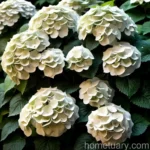
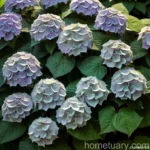
The plant features heart-shaped, deep green leaves and produces large, flat clusters of fragrant white flowers. These flowers, which typically appear in late spring to early summer, add a touch of elegance to any garden. As the seasons change, the foliage takes on beautiful autumn hues, providing year-round interest in the landscape.
Key Takeaways
– Scientific Name: Hydrangea Anomala
– Family: Hydrangeaceae
– Type: Deciduous Climbing Vine
– Foliage: Heart-shaped, Deep Green
– Flowers: Large, Flat Clusters of Fragrant White Blooms
– Native Habitat: Woodlands of the Far East
– Seasonal Interest: Beautiful Autumn Hues
Now that we have a basic understanding of what climbing hydrangeas are, let’s delve into the specifics of caring for and cultivating these beautiful vines.
Culture
Uses
Climbing hydrangeas are incredibly versatile and can be used in various settings to achieve different effects. Some popular uses of climbing hydrangeas include:
- Covering Vertical Surfaces: One of the primary uses of climbing hydrangeas is to cover walls, fences, and arbors, adding a touch of natural beauty to these structures.
- Erosion Control: Due to their vigorous growth and sprawling nature, climbing hydrangeas can be utilized to prevent soil erosion on slopes and embankments.
- Decorative Purposes: Whether in a formal garden or a natural woodland setting, the ornamental value of climbing hydrangeas is undeniable, making them an excellent choice for decorative landscaping.
Water
Climbing hydrangeas prefer consistently moist soil, especially during the growing season. However, they are also quite tolerant of brief periods of dryness once established. Adequate watering is crucial during the initial establishment period, and it’s essential to ensure that the plant receives sufficient water during dry spells in the summer.
Sunlight
While climbing hydrangeas are known for their ability to thrive in shady conditions, they also appreciate some sunlight, especially in the morning and late afternoon. In regions with very hot climates, providing the plant with some dappled shade during the hottest part of the day can help prevent stress and leaf scorch.
Fertilizer
Climbing hydrangeas generally do not require heavy fertilization. A balanced, slow-release fertilizer applied in spring can help support healthy growth and abundant flowering. It’s important not to over-fertilize, as excessive nitrogen can lead to lush foliage at the expense of flowers.
Soil
The ideal soil for climbing hydrangeas is well-draining, humus-rich, and slightly acidic. A soil pH in the range of 5.2 to 5.5 is considered optimal for these plants. Additionally, incorporating organic matter such as compost or leaf mold into the soil can help improve its texture and fertility, creating an ideal environment for the plant to thrive.
Pruning
Proper pruning is essential for maintaining the health and vigor of climbing hydrangeas, as well as controlling their size and shape. Here are some key considerations for pruning climbing hydrangeas:
- Pruning Time: The best time to prune climbing hydrangeas is immediately after flowering, typically in late summer. This allows ample time for the development of new buds for the following year’s blooms.
- Removing Deadwood: Periodically removing dead or damaged wood can help keep the plant looking tidy and prevent the spread of diseases.
- Training the Plant: Young climbing hydrangeas may need some initial training to direct their growth onto the desired support structure, such as a trellis or pergola.
Propagation
Propagating climbing hydrangeas can be achieved through various methods, including:
- Softwood Cuttings: Early summer is an ideal time to take softwood cuttings for propagation. These cuttings can be rooted in a moist, well-draining medium to create new plants.
- Layering: Air layering is another effective method for propagating climbing hydrangeas, where a stem is wounded and then wrapped in a moist medium until roots develop.
- Division: Established plants can be divided during the dormant season to create new specimens, each with their own root system.
Container Popularity
Climbing hydrangeas can also thrive in containers, making them an excellent choice for those with limited garden space or for creating portable vertical interest. When grown in containers, they require the same care as those planted in the ground, with a focus on adequate watering and well-draining soil.
Key Takeaways for Container Growth
– Well-sized Containers: Choose containers that provide ample room for the plant to grow, with good drainage holes at the base.
– Quality Potting Mix: Use a high-quality potting mix that provides good aeration and moisture retention. Adding compost to the mix can further enhance its quality.
– Regular Watering: Container-grown climbing hydrangeas may need more frequent watering, especially during hot weather, to prevent the soil from drying out.
Common Diseases
Like many plants, climbing hydrangeas are susceptible to certain diseases that can impact their overall health and appearance. Some common diseases of climbing hydrangeas include:
- Powdery Mildew: A fungal disease that often appears as a powdery white coating on the leaves, powdery mildew can weaken the plant and detract from its visual appeal.
- Gray Mold (Botrytis blight): This fungal disease can cause unsightly browning and wilting of flowers and foliage, particularly in humid conditions.
- Leaf Blight: Various fungal pathogens can cause leaf blight, leading to discolored or spotted foliage.
Disease Diagnosis
Diagnosing plant diseases can sometimes be challenging, but close observation of the plant and its symptoms can provide valuable insights. Here are some common signs of disease in climbing hydrangeas:
- Visual Symptoms: Look for abnormal spots, discoloration, or growths on the plant’s foliage and stems.
- Texture and Appearance: Changes in the texture of leaves, such as wilting or drooping, can indicate underlying issues.
- Blossom Health: Monitor the health and appearance of the plant’s flowers, as certain diseases can manifest in the blooms.
Common Pests
While climbing hydrangeas are relatively resistant to pests, they can occasionally be affected by certain insects. Some common pests that may impact climbing hydrangeas include:
- Aphids: These small, sap-sucking insects can distort new growth and cause honeydew to accumulate on the plant, leading to sooty mold.
- Scale Insects: Scale insects, which often appear as small, waxy bumps on stems and leaves, can weaken the plant by feeding on its sap.
- Spider Mites: Under hot and dry conditions, spider mites can be problematic, causing stippling and webbing on the plant’s foliage.
Botanist’s Tips
As a plant scientist and enthusiast, here are some additional tips for caring for climbing hydrangeas:
- Support Structures: When planting climbing hydrangeas, ensure that sturdy support structures are in place to accommodate the weight of the vine as it grows and matures.
- Regular Monitoring: Keep a close eye on the plant for any signs of stress, disease, or pest infestations, and address any issues promptly to maintain its health and vitality.
- Mulching: Applying a layer of mulch around the base of the plant can help retain moisture, moderate soil temperatures, and deter weed growth.
Fun Facts
Now that we’ve covered the essential care and characteristics of climbing hydrangeas, here are some fun and interesting facts about these enchanting plants:
- Edible Flowers: The flowers of some hydrangea species, including climbing hydrangeas, are edible and can be used to add a delicate floral flavor to culinary creations.
- Attracts Wildlife: The showy blooms of climbing hydrangeas can attract pollinators such as bees and butterflies, adding a touch of biodiversity to the garden.
- Medicinal Uses: In traditional herbal medicine, certain parts of hydrangea plants, including the root, have been used for their purported medicinal properties.
With their captivating appearance and versatility, climbing hydrangeas have firmly established themselves as a cherished addition to gardens and landscapes around the world.
Links to External Resources
For further information on climbing hydrangeas, propagation, care, and more, consider exploring the following resources:
- The American Hydrangea Society
- Royal Horticultural Society – Hydrangea anomala
- University of Minnesota Extension – Climbing Hydrangea
In conclusion, climbing hydrangeas stand as a testament to the beauty, resilience, and adaptability of plant life. Whether adorning a pergola, scaling a wall, or gracing a container, these captivating vines bring a touch of natural splendor to any environment. Through thoughtful care and attention, these plants can thrive and flourish, enriching our lives with their timeless elegance and charm.