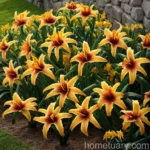
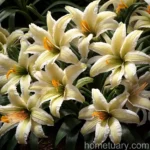
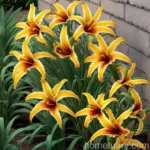
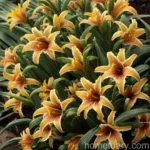
Plant Scientist Blog: All About Daylily (Hemerocallis ‘Siloam David Kirchhoff’)
Introduction
As a plant scientist, I’m thrilled to delve into the world of daylilies, particularly the Hemerocallis ‘Siloam David Kirchhoff’ variety. This beautiful cultivar has garnered attention in the realm of horticulture due to its distinct characteristics, stunning blooms, and versatile uses in landscapes and gardens. Throughout this comprehensive guide, we will explore the various aspects of this daylily, ranging from its cultural requirements to pest control, and much more. You will uncover detailed information and valuable insights that will aid in the successful cultivation and maintenance of Hemerocallis ‘Siloam David Kirchhoff’.
What is a Daylily (Hemerocallis ‘Siloam David Kirchhoff’)?
Before delving into the specifics of Hemerocallis ‘Siloam David Kirchhoff’, let’s first understand the general traits and characteristics of daylilies. These plants, scientifically known as Hemerocallis, are perennial flowering plants that belong to the family Liliaceae. They are renowned for their vibrant and showy flowers, which typically last only for a day, hence the name “daylily.” Despite their brief individual bloom duration, daylilies are prolific flowering plants, often producing numerous blooms over an extended period, which contributes to their overall charm and appeal.
Key Takeaways – Daylily (Hemerocallis ‘Siloam David Kirchhoff’)
Before delving deeper into the Hemerocallis ‘Siloam David Kirchhoff’ variety, let’s take a moment to highlight the key takeaways that will be covered in this comprehensive guide:
- Cultural Requirements: Exploring the specific cultural needs of Hemerocallis ‘Siloam David Kirchhoff’, including its water, sunlight, soil, and fertilizer requirements.
- Uses: Understanding the versatile uses of this daylily in landscaping and gardening.
- Pruning: Guidelines for effectively pruning Hemerocallis ‘Siloam David Kirchhoff’ to promote healthy growth and prolific blooming.
- Propagation: Exploring the methods of propagating this daylily, allowing for the expansion of its presence in a garden or landscape.
- Popularity and Common Diseases: Examining the popularity of this cultivar and strategies for diagnosing and addressing common diseases that may affect it.
- Pest Control: Identifying common pests that may target Hemerocallis ‘Siloam David Kirchhoff’ and implementing preventative and control measures.
- Botanist’s Tips: Exclusive insights and tips from botanists for effectively caring for and maintaining this daylily.
- Fun Facts: Uncovering intriguing and lesser-known facts about Hemerocallis ‘Siloam David Kirchhoff’.
- External Resources: Providing valuable links to further external resources for additional information and guidance on this cultivar.
Now, let’s dive into each of these aspects in detail to gain a comprehensive understanding of Hemerocallis ‘Siloam David Kirchhoff’.
Culture
One of the initial steps in successfully cultivating and nurturing the Hemerocallis ‘Siloam David Kirchhoff’ daylily is to comprehend its specific cultural requirements. By understanding its needs for water, sunlight, soil, and fertilizer, gardeners can create optimal conditions for the daylily to thrive.
Water
Hemerocallis ‘Siloam David Kirchhoff’, like many daylily varieties, generally prefers consistently moist soil. Adequate water is crucial, especially during the initial stages of growth and establishment. However, it’s important to ensure proper drainage to prevent waterlogging, which can lead to root rot and other potential issues. A balance must be struck to maintain sufficient moisture levels without compromising the soil’s ability to drain excess water effectively.
Sunlight
Daylilies, including the Hemerocallis ‘Siloam David Kirchhoff’ cultivar, thrive in areas with abundant sunlight. These perennials typically require at least 6 hours of direct sunlight per day to facilitate robust growth and prolific blooming. When selecting a location for planting, it’s essential to consider the availability of sunlight and ensure that the chosen spot meets the daylily’s sunlight requirements.
Fertilizer
Fertilization plays a critical role in supporting the growth and blooming potential of Hemerocallis ‘Siloam David Kirchhoff’. A well-balanced, slow-release fertilizer with a formulation such as 10-10-10 or similar can be applied in spring as new growth emerges. Additionally, a second application following the conclusion of the initial blooming period can help sustain the plant’s vigor and prepare it for the following season.
Soil
The soil composition and quality significantly influence the overall health and performance of Hemerocallis ‘Siloam David Kirchhoff’. These daylilies thrive in well-drained, fertile soils with a slightly acidic to neutral pH. Prior to planting, it’s advisable to amend the soil with organic matter, such as compost or well-rotted manure, to enhance its structure and nutrient content, thereby creating an optimal environment for the daylily’s root development and growth.
Uses
The Hemerocallis ‘Siloam David Kirchhoff’ daylily presents numerous opportunities for utilization in landscaping, gardening, and various horticultural endeavors. Understanding the potential uses of this cultivar allows gardeners and landscape enthusiasts to appreciate its versatility and integrate it effectively into their outdoor spaces.
Landscape Ornamentation
With its striking blooms and graceful foliage, Hemerocallis ‘Siloam David Kirchhoff’ serves as an exceptional ornamental addition to landscapes. Whether mass-planted to create visually appealing borders and edgings or strategically positioned as focal points within garden beds, this daylily cultivar contributes to the creation of vibrant, eye-catching outdoor sceneries.
Pollinator Attraction
The vibrant and nectar-rich flowers of Hemerocallis ‘Siloam David Kirchhoff’ have the added benefit of attracting beneficial pollinators, such as bees and butterflies. By incorporating this daylily into gardens and outdoor spaces, individuals can play a role in supporting local pollinator populations, contributing to the overall ecological balance of their surroundings.
Erosion Control
In areas prone to soil erosion, the robust root systems of daylilies, including Hemerocallis ‘Siloam David Kirchhoff’, can aid in stabilizing the soil and preventing erosion. Through strategic planting in erosion-prone areas, these daylilies contribute to the conservation of soil integrity and structure, hence serving a practical purpose beyond their ornamental appeal.
Cut Flower Production
The abundant, colorful blooms of Hemerocallis ‘Siloam David Kirchhoff’ make it an excellent candidate for cut flower production. Gardeners and flower enthusiasts can harvest the blooms for use in floral arrangements, adding a touch of elegance and natural beauty to indoor environments.
Pruning
Pruning is an essential aspect of daylily maintenance, including the Hemerocallis ‘Siloam David Kirchhoff’ variety. By incorporating proper pruning practices, gardeners can promote plant health, enhance blooming, and maintain a tidy and well-managed appearance.
Deadheading Spent Blooms
Removing spent blooms, a practice known as deadheading, is an effective way to encourage the continuous production of new flowers throughout the blooming season. For Hemerocallis ‘Siloam David Kirchhoff’, the removal of fading or spent blooms allows the plant to redirect its energy towards the development and maturation of new buds, thus extending the duration of floral displays.
Removal of Yellowing Foliage
As daylilies progress through their blooming cycle, older foliage may start to deteriorate and turn yellow. It’s beneficial to periodically remove these yellowing leaves from the plant, promoting a tidy and aesthetically pleasing appearance while minimizing the risk of disease development in decaying foliage.
Division and Rejuvenation
Periodic division of clumps is an important aspect of daylily care, including Hemerocallis ‘Siloam David Kirchhoff’. Dividing the plant every few years not only prevents overcrowding and congestion but also rejuvenates the individual divisions, stimulating fresh growth and promoting robust blooming. The ideal time for division is typically in early spring or immediately after the conclusion of the blooming period.
Propagation
The propagation of Hemerocallis ‘Siloam David Kirchhoff’ offers enthusiasts the opportunity to expand their daylily collection or share the plant’s beauty with others. Several methods can be employed to propagate this daylily cultivar, each with its unique advantages and considerations.
Division
Division stands as the primary and most common method for propagating daylilies, including Hemerocallis ‘Siloam David Kirchhoff’. This straightforward technique involves separating the plant’s rhizomes into individual sections, each possessing viable roots and foliage. Divisions can be replanted immediately, allowing them to establish and develop into independent plants.
Seed Propagation
While less commonly practiced due to the variability in seedling traits, Hemerocallis ‘Siloam David Kirchhoff’ can also be propagated from seeds. However, it’s essential to note that seed-grown daylilies often exhibit variations from the parent plant, leading to potential differences in flower color, size, and other characteristics. Successfully growing daylilies from seeds requires careful selection and sowing of seeds, along with meticulous attention to their subsequent growth and development.
Container Popularity
The Hemerocallis ‘Siloam David Kirchhoff’ daylily presents an ideal candidate for container gardening, allowing individuals with limited outdoor spaces or specific aesthetic preferences to enjoy the beauty of this cultivar. Container planting offers unique advantages and considerations, and understanding these aspects is crucial for successful cultivation.
Advantages of Container Planting
- Space Flexibility: Containers provide the flexibility to position Hemerocallis ‘Siloam David Kirchhoff’ in various locations, regardless of existing soil conditions or outdoor space limitations.
- Aesthetic Versatility: Container planting allows for creative compositions and arrangements, enabling individuals to accentuate the visual appeal of Hemerocallis ‘Siloam David Kirchhoff’ within their outdoor settings.
- Protection and Mobility: Containers offer the advantage of protecting the daylilies from adverse weather conditions, as well as the ability to relocate them as per seasonal requirements or aesthetic considerations.
Considerations for Container Cultivation
- Proper Drainage: Adequate drainage is crucial when planting Hemerocallis ‘Siloam David Kirchhoff’ in containers to prevent waterlogging and associated issues.
- Watering Management: Containers may require more frequent watering compared to ground-planted daylilies. Monitoring soil moisture levels is essential to prevent water stress or overwatering.
- Fertilization: Container-planted daylilies, including Hemerocallis ‘Siloam David Kirchhoff’, may benefit from regular fertilization to replenish nutrients that leach from the soil over time.
Common Diseases
Understanding the potential diseases that may affect Hemerocallis ‘Siloam David Kirchhoff’ is crucial for proactive management and preventative measures. By familiarizing oneself with common diseases and their associated symptoms, gardeners can promptly address and mitigate the impact of these issues.
Daylily Rust
Daylily rust, caused by the fungus Puccinia hemerocallidis, represents a prevalent disease that can affect Hemerocallis ‘Siloam David Kirchhoff’ and other daylily varieties. Symptoms include the presence of orange-brown pustules on foliage, often leading to defoliation and reduced plant vigor. Sufficient air circulation and prompt removal of affected foliage are essential in managing and preventing the spread of daylily rust.
Crown Rot
Crown rot, typically incited by excessive soil moisture and poor drainage, poses a threat to the health and vitality of Hemerocallis ‘Siloam David Kirchhoff’. This disease manifests through the development of soft, discolored areas at the base of the plant, often accompanied by a foul odor. Addressing underlying soil drainage issues and adopting efficient watering practices are key strategies in minimizing the risk of crown rot.
Leaf Streak
Caused by the Aureobasidium microstictum fungus, leaf streak is characterized by the appearance of elongated, dark brown lesions on daylily foliage. While not generally fatal, leaf streak can detract from the plant’s visual appeal and vigor. Pruning and disposing of affected foliage, along with practicing proper sanitation, contribute to the management of leaf streak in Hemerocallis ‘Siloam David Kirchhoff’.
Disease Diagnosis
Diagnosing diseases affecting Hemerocallis ‘Siloam David Kirchhoff’ and other daylily cultivars entails careful observation, understanding of symptoms, and proactive measures to prevent disease escalation. Gardeners must familiarize themselves with common disease indicators and take appropriate actions when observing potential issues.
Visual Symptoms
Visual symptoms, including unusual discoloration, lesions, or abnormal foliage behavior, serve as primary indicators of potential diseases affecting Hemerocallis ‘Siloam David Kirchhoff’. Monitoring the plants regularly and being attentive to any atypical developments enables early disease detection and intervention.
Diagnostic Resources
In situations where visual assessment alone may not suffice, utilizing diagnostic resources such as local agricultural extension services, plant pathology laboratories, or horticultural experts can aid in accurately diagnosing diseases affecting Hemerocallis ‘Siloam David Kirchhoff’. Submitting physical samples or digital images for professional assessment can provide valuable insights into disease conditions and suitable management strategies.
Proactive Management
Upon diagnosing a specific disease affecting Hemerocallis ‘Siloam David Kirchhoff, gardeners should swiftly implement proactive management practices, including targeted treatments, cultural modifications, and preventative measures to curtail disease progression and potential recurrence.
Common Pests
Daylilies, including the Hemerocallis ‘Siloam David Kirchhoff’ cultivar, are vulnerable to various pests that can affect their health and flowering potential. Familiarizing oneself with common pests, along with their associated symptoms and mitigation strategies, is essential for maintaining the vigor and aesthetics of these plants.
Aphids
Aphids represent a common pest that may target Hemerocallis ‘Siloam David Kirchhoff’, feeding on the plant’s sap and potentially transmitting viral diseases. Symptoms of aphid infestation include distorted or discolored foliage, the presence of sticky honeydew, and the attraction of ants to the affected plants. Implementing natural predators, such as ladybugs, or utilizing insecticidal soaps can effectively manage aphid populations.
Spider Mites
Spider mites are tiny pests that can cause stippling and webbing on daylily foliage, often leading to reduced vigor and potential foliage loss. Regularly hosing down the plants to dislodge spider mites, along with applying insecticidal sprays when necessary, serves as an effective control measure for managing this pest on Hemerocallis ‘Siloam David Kirchhoff’.
Thrips
Thrips are another potential pest that may affect Hemerocallis ‘Siloam David Kirchhoff’, feeding on the plant’s foliage and leaving behind silvering or scarring. These pests can be managed through the application of neem oil or insecticidal soaps, targeting both adult thrips and their nymphs to curtail their impact on the daylily’s aesthetics and vitality.
Botanist’s Tips
Drawing insights from botanists and horticultural experts provides valuable guidance and recommendations for effectively caring for and maintaining Hemerocallis ‘Siloam David Kirchhoff’. By incorporating these expert tips, enthusiasts can enhance their approach to daylily cultivation and ensure the best possible outcomes for their plants.
Soil Amendment
Botanists often advocate for the incorporation of organic matter into the soil when planting and caring for Hemerocallis ‘Siloam David Kirchhoff’. Amending the soil with compost, well-rotted manure, or similar organic materials enhances its structure, nutrient content, and water retention capacity, thereby fostering optimal growing conditions for the daylily.
Adequate Air Circulation
Promoting adequate air circulation around Hemerocallis ‘Siloam David Kirchhoff’ is emphasized by botanists to prevent the development and spread of foliar diseases. Proper spacing between plants, strategic placement in areas with sufficient airflow, and selective pruning contribute to a conducive environment that minimizes the risk of disease incidence.
Vigilant Monitoring
Botanists stress the importance of regular and vigilant monitoring of Hemerocallis ‘Siloam David Kirchhoff’ for early detection of pests, diseases, or any cultural issues. Timely intervention in response to observed abnormalities or stress factors is crucial in mitigating potential problems and preserving the health and vitality of the daylily.
Fun Facts
Amidst the practical insights and guidelines for cultivating and caring for Hemerocallis ‘Siloam David Kirchhoff’, some intriguing and entertaining facts contribute to a deeper appreciation of this beautiful daylily cultivar.
- Namesake: The cultivar ‘Siloam David Kirchhoff’ is named after its hybridizer, David Kirchhoff, who has made significant contributions to the world of daylily breeding and horticulture.
- Award-Winning: Hemerocallis ‘Siloam David Kirchhoff’ has received accolades and awards for its outstanding characteristics and performance, further solidifying its status as a renowned daylily cultivar.
- Extended Blooming Period: This particular daylily variety is known for its extended blooming period, often producing an abundance of vibrant flowers that captivate onlookers over an extended duration.
- Adaptability: Hemerocallis ‘Siloam David Kirchhoff’ demonstrates remarkable adaptability to a diverse range of climates and growing conditions, showcasing its resilience and versatility as a garden plant.
Links to External Resources
As we conclude this comprehensive guide on Hemerocallis ‘Siloam David Kirchhoff’, it’s essential to provide access to valuable external resources that offer further information, insights, and perspectives on the cultivation and care of this esteemed daylily cultivar.
External Links
- American Hemerocallis Society
- University of Missouri Extension – Daylilies
- Plant Care Guide for Daylilies
- Royal Horticultural Society – Hemerocallis
- National Gardening Association – Daylily Growing Guide
In closing, the Hemerocallis ‘Siloam David Kirchhoff’ cultivar stands as an epitome of beauty, resilience, and versatility within the realm of daylilies. With its stunning blooms, adaptability, and ornamental appeal, this cultivar continues to captivate and inspire plant enthusiasts and horticulturalists on a global scale. By harnessing the insights and recommendations presented in this guide, individuals can embark on an enriching journey of cultivating, caring for, and celebrating the allure of Hemerocallis ‘Siloam David Kirchhoff’ in their gardens and outdoor landscapes.
*Keywords: Hemeroc