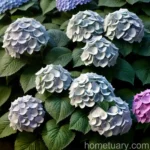
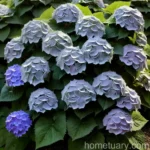
All About Bigleaf Hydrangea (Hydrangea macrophylla ‘Lanarth White’)
Hydrangea macrophylla, commonly known as bigleaf hydrangea, is a beautiful and popular flowering shrub in the horticultural world. The ‘Lanarth White’ variety, in particular, is highly sought after for its stunning white blooms and lush foliage. In this comprehensive guide, we will explore everything you need to know about caring for this exquisite plant, from its cultural requirements to common diseases and pests. Whether you’re a seasoned gardener or a newcomer to the world of horticulture, this article will provide you with valuable insights into the proper care and maintenance of Hydrangea macrophylla ‘Lanarth White’.
What is Bigleaf Hydrangea (Hydrangea macrophylla ‘Lanarth White’)?
Bigleaf hydrangea, scientifically known as Hydrangea macrophylla, is a deciduous shrub that belongs to the Hydrangeaceae family. This species is native to Japan and China, where it thrives in moist, woodland environments. ‘Lanarth White’ is a specific cultivar of Hydrangea macrophylla that is cherished for its large, showy clusters of white flowers. The plant typically reaches a height and spread of 3 to 6 feet, making it a great choice for gardens of all sizes.
Key Takeaways – Bigleaf Hydrangea (Hydrangea macrophylla ‘Lanarth White’)
Before delving into the specific care requirements of Hydrangea macrophylla ‘Lanarth White’, let’s overview the key takeaways about this exquisite plant:
- Scientific Name: Hydrangea macrophylla ‘Lanarth White’
- Common Name: Bigleaf hydrangea
- Bloom Color: White
- Cultural Preferences: Partial shade, well-draining soil, regular water, and appropriate pruning
- Distinct Features: Large, mophead-like flower clusters, beautiful foliage
- Hardiness Zones: 5 to 9
- Best Uses: Borders, woodland gardens, containers, and cut flower arrangements
- Notable Attributes: Adaptable, versatile, and relatively low-maintenance
Now that we have an understanding of the basic characteristics of Hydrangea macrophylla ‘Lanarth White’, let’s explore the detailed cultural aspects, uses, care tips, and more to ensure the successful growth and flourishing of this delightful shrub.
Culture
Cultural requirements play a crucial role in the overall health and vigor of bigleaf hydrangeas. By understanding the ideal conditions for this plant, gardeners can create an environment that promotes robust growth and prolific blooming. Here are the primary cultural considerations for nurturing Hydrangea macrophylla ‘Lanarth White’:
Water
– Hydration Needs: Bigleaf hydrangeas have moderate to high water needs, especially during the summer months and dry spells. Ensure that the soil remains consistently moist but not waterlogged, as excessive moisture can lead to root rot and other issues.
– Watering Schedule: Deep watering once or twice a week, depending on the weather conditions, is typically sufficient for established plants. Newly planted hydrangeas may require more frequent watering to aid in the establishment of their root systems.
– Mulching: Applying a 2 to 3-inch layer of organic mulch around the base of the plant helps retain soil moisture and regulates the temperature, benefitting the overall water management of the shrub.
Sunlight
– Light Requirements: While bigleaf hydrangeas appreciate dappled or filtered sunlight, they also thrive in partial shade. In warmer regions, providing morning sun and afternoon shade is generally recommended to prevent leaf scorch and maintain vibrant blooms.
– Protection from Harsh Sun: Shielding the plant from intense midday sun, particularly during the peak of summer, helps prevent stress and sunburn, preserving the plant’s health and appearance.
Fertilizer
– Nutrient Needs: Bigleaf hydrangeas benefit from regular fertilization to support vigorous growth and abundant flowering. Using a balanced, slow-release fertilizer formulated for acid-loving plants yields the best results.
– Fertilizing Schedule: Apply fertilizer in early spring, just as new growth emerges, and again in mid-summer to sustain the plant’s nutritional requirements throughout the growing season. Be cautious not to over-fertilize, as excessive nutrients can lead to lush foliage at the expense of blooms.
Soil
– Soil Type: Well-draining, loamy soil with a slightly acidic to neutral pH (5.5 to 6.5) provides an ideal growing medium for bigleaf hydrangeas. Amending heavy clay or sandy soils with organic matter, such as compost or peat moss, improves soil structure and fertility.
– Soil Moisture: Maintaining consistent soil moisture without waterlogging is crucial for the health of Hydrangea macrophylla ‘Lanarth White’. Regularly checking the soil moisture and adjusting watering practices accordingly ensures optimal growing conditions.
Pruning
Proper pruning is essential for maintaining the health, shape, and flowering potential of bigleaf hydrangeas. Understanding the specific pruning requirements of Hydrangea macrophylla ‘Lanarth White’ is crucial to avoid potential mistakes and maximize the plant’s ornamental value. Here are some key considerations when it comes to pruning bigleaf hydrangeas:
When to Prune
– Time of Pruning: Bigleaf hydrangeas should be pruned immediately after the flowering period, which typically occurs in late spring or early summer. Pruning at this time allows the plant to develop new flower buds for the following year’s bloom cycle.
– Avoiding Late Winter Pruning: Refrain from cutting back the hydrangea in late winter or early spring, as this can remove the emerging flower buds and diminish the floral display for the current season.
Pruning Techniques
– Deadheading Spent Blooms: Removing faded flower clusters promotes a tidier appearance and directs the plant’s energy towards new growth and future blossoms. Use clean, sharp pruners to trim the spent blooms just above the first set of healthy leaves beneath the flower cluster.
– Selective Removal of Stems: Thinning out congested or crossing branches enhances air circulation and light penetration within the plant, reducing the risk of diseases and promoting overall vitality.
– Size Control: If necessary, selectively trim back long or unruly stems to maintain the desired shape and size of the shrub. However, avoid excessive pruning, as bigleaf hydrangeas bloom on old wood, and excessive cutting can diminish the next year’s flowering potential.
Propagation
Propagation allows gardeners to create new plants from existing specimens, enabling the expansion of their hydrangea collection or the sharing of their favorite cultivars with others. Bigleaf hydrangeas can be propagated through various methods, including:
– Stem Cuttings: Select healthy, non-flowering stems in late spring or early summer for propagation purposes. Remove the lower leaves, dip the cut end in rooting hormone, and place the cutting in a well-draining, sterile growing medium. Keep the medium consistently moist and provide bottom heat to encourage root development.
– Layering: Encourage the growth of roots on a selected branch by gently wounding the underside of the stem and burying it in the soil while still attached to the parent plant. Once roots have developed, the new plant can be separated and transplanted into its own container or garden location.
– Division: For established plants, dividing the root ball in early spring before new growth emerges allows for the creation of multiple plants that can be replanted in favorable growing sites.
Container Popularity
Bigleaf hydrangeas are well-suited for growing in containers, offering flexibility in terms of placement, mobility, and ornamental impact. Whether used for accentuating a patio, adorning a balcony, or enlivening a garden space, container-grown hydrangeas bring a touch of elegance and charm to any setting.
Benefits of Container Gardening
– Mobility: Containers allow for easy relocation of the plant as needed, ensuring that the hydrangea receives the appropriate light and environmental conditions throughout the growing season.
– Space Optimization: For gardeners with limited outdoor space, growing bigleaf hydrangeas in containers provides an opportunity to enjoy their beauty and blooms without the need for a dedicated garden bed.
– Versatility: The ability to select and manipulate the growing medium enables gardeners to create an optimal soil mix for the specific needs of Hydrangea macrophylla ‘Lanarth White’.
– Decorative Appeal: Container-grown hydrangeas serve as eye-catching focal points, adding aesthetic value to patios, decks, and outdoor entertaining areas.
Container Considerations
– Size Selection: Choose a container that allows for ample root development while providing stability for the hydrangea. A large, sturdy pot with drainage holes is essential for the plant’s well-being.
– Soil Medium: Use a high-quality, well-draining potting mix that retains moisture without becoming waterlogged. Amending the mix with organic matter enhances fertility and supports healthy root growth.
– Watering Management: Container-grown plants may require more frequent watering, especially during hot, dry periods. Check the moisture level regularly and adjust the watering frequency as needed.
– Winter Protection: In regions with harsh winters, consider insulating the container or moving it to a more sheltered location to protect the plant’s roots from freezing temperatures.
Common Diseases
Hydrangea macrophylla ‘Lanarth White’ is susceptible to several common diseases, including fungal infections and foliar issues. By promptly identifying and addressing these ailments, gardeners can mitigate the impact on the plant’s health and prevent the spread of diseases to nearby specimens.
Disease Diagnosis
– Powdery Mildew: Characterized by a white, powdery coating on the leaves, powdery mildew can distort foliage and inhibit photosynthesis. Adequate air circulation and the use of fungicidal sprays help control the spread of this fungal disease.
– Cercospora Leaf Spot: This disease manifests as small, reddish-purple spots on the leaves, eventually leading to premature leaf drop and diminished vigor. Raking and disposing of fallen foliage, as well as applying fungicidal treatments, aid in managing this issue.
– Botrytis Blight: Often appearing in humid, moist conditions, botrytis blight causes grayish-brown lesions on the flowers and foliage. Ensuring proper spacing between plants and reducing overhead watering minimizes the risk of botrytis blight.
– Bacterial Wilt: Plants affected by bacterial wilt display wilting, browning of vascular tissue, and stunted growth. There are no effective treatments for bacterial wilt, making prevention through good cultural practices crucial.
Common Pests
In addition to diseases, bigleaf hydrangeas can also fall prey to various pests that can compromise their health and aesthetics. By staying vigilant and implementing appropriate pest management strategies, gardeners can safeguard their Hydrangea macrophylla ‘Lanarth White’ against potential infestations.
Botanist’s Tips
To enhance your experience in caring for bigleaf hydrangeas, consider the following tips and recommendations from experienced botanists and horticulturists:
– Selecting the Right Location: Prioritize partial shade and well-draining soil when choosing a planting site for Hydrangea macrophylla ‘Lanarth White’. Consider the plant’s mature size and form to ensure adequate space for growth.
– Prudent Pruning Practices: Adhere to proper pruning techniques for bigleaf hydrangeas by timing the pruning correctly and avoiding overzealous cutting. Patience and precision in pruning yield the best results.
– Soil Conditioning: Regularly amending the soil with organic matter, such as compost and mulch, enriches the soil structure and fertility, providing a conducive growing environment for the hydrangea.
– Observational Monitoring: Regularly inspect the plant for signs of pest infestations, diseases, or nutrient deficiencies, allowing for timely interventions and effective management of potential issues.
Fun Facts
Bigleaf hydrangeas have captivated plant enthusiasts for centuries, and here are some fascinating facts that highlight the charm and appeal of Hydrangea macrophylla ‘Lanarth White’:
- In acidic soils, the flowers of bigleaf hydrangeas take on varying shades of blue, reflecting the pH-dependent coloration of the blooms.
- The large inflorescences of bigleaf hydrangeas make excellent additions to cut flower arrangements, providing striking focal points in floral displays.
- A single bigleaf hydrangea plant can produce multiple flower colors simultaneously, creating a captivating display of hues within the same specimen.
- Prized for their versatility, bigleaf hydrangeas are well-suited for both formal garden settings and informal, cottage-style landscapes, adding a touch of elegance to any design scheme.
Links to External Resources
For further exploration of bigleaf hydrangea care, propagation techniques, and landscaping ideas, consider referring to the following external resources:
- American Hydrangea Society
- The Royal Horticultural Society – Hydrangeas
- University of Florida IFAS Extension – Hydrangea Cultivation
In conclusion, bigleaf hydrangea (Hydrangea macrophylla ‘Lanarth White’) stands as a captivating ornamental shrub that enchants gardeners and onlookers alike with its bountiful, showy blossoms and elegant foliage. By adhering to the recommended cultural practices, utilizing proper care techniques, and staying vigilant for potential challenges, you can cultivate a thriving, resplendent specimen of Hydrangea macrophylla ‘Lanarth White’ in your outdoor space, elevating the visual appeal and enchantment of your garden. Whether grown in the ground or showcased in a container, this splendid shrub is sure to delight and inspire with its timeless beauty and charm.
Remember, continuous learning and exploration are essential elements of successful gardening, so don’t hesitate to seek additional resources, consult with local horticultural experts, and share your experiences with fellow enthusiasts to expand your knowledge and appreciation of bigleaf hydrangeas. Happy gardening!
In this exhaustive guide, we have covered the various aspects of caring for Hydrangea macrophylla ‘Lanarth White’, from its cultural requirements to propagation methods and disease management. By integrating the valuable information provided in this article into your gardening practices, you can cultivate healthy, thriving specimens of bigleaf hydrangeas, enriching your outdoor spaces with their exquisite blooms and lush foliage.