Cirsium acaule (Stemless Thistle): A Plant Scientist’s Guide
Introduction
As a plant scientist, I have always been fascinated by the diverse and intricate world of plants. One particular plant that has captured my attention is the Cirsium acaule, commonly known as the Stemless Thistle. In this comprehensive guide, we will explore the characteristics, cultivation, uses, and ecological importance of this unique plant.
What is Cirsium acaule (Stemless Thistle)?
Cirsium acaule, or the Stemless Thistle, is a herbaceous perennial plant belonging to the Asteraceae family. This plant is native to Europe and is known for its distinctive stemless growth habit and striking purple flowers. The Stemless Thistle is renowned for its ecological significance, ornamental value, and various traditional and medicinal uses.
Key Takeaways – Cirsium acaule (Stemless Thistle)
Before delving into the details of cultivation, uses, and ecological importance of the Stemless Thistle, let’s summarize some key takeaways about this remarkable plant.
- Scientific Name: Cirsium acaule
- Common Name: Stemless Thistle
- Family: Asteraceae
- Native Range: Europe
- Growth Habit: Herbaceous perennial with stemless growth and purple flowers
- Ecological Importance: Provides food and habitat for wildlife, especially pollinators
- Cultivation Uses: Ornamental gardening, medicinal applications, and wildlife conservation
Now that we have an overview of the Stemless Thistle, let’s delve deeper into its various aspects.
Stemless Thistle: Characteristics and Description
Understanding the key characteristics and description of the Stemless Thistle is fundamental to appreciating its role in the ecosystem and its potential uses.
Stemless Thistle Facts
- Scientific Name: Cirsium acaule
- Common Name: Stemless Thistle
- Habitat: Well-drained grasslands, meadows, and open woodlands
- Growth Habit: Herbaceous perennial with a basal rosette and purple, spiky flowers
- Leaf Morphology: Deeply lobed, spiny leaves
- Reproductive Cycle: Produces seeds through pollination, often by insects
Stemless Thistle Description
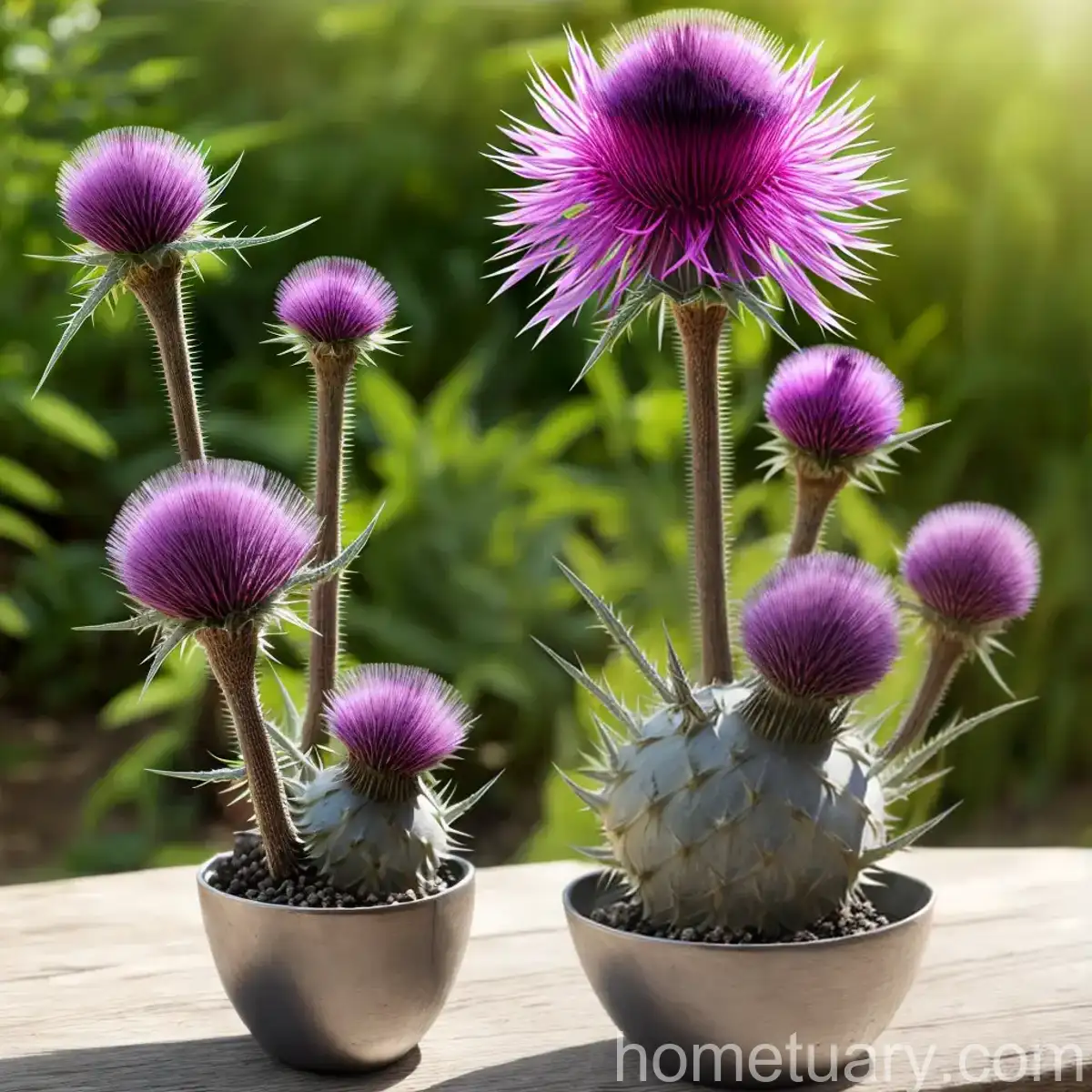
The Stemless Thistle is characterized by its lack of a visible stem, with long, deeply lobed leaves forming a rosette on the ground. During the flowering season, it produces striking purple flowers, adding color to its natural habitat.
Stemless Thistle Characteristics
- Stemless growth habit
- Spiny and deeply lobed leaves
- Purple, spiky flowers
- Perennial lifecycle
Habitat and Adaptations
The Stemless Thistle is well-adapted to specific habitats and showcases noteworthy ecological adaptations.
Stemless Thistle Habitat
The Stemless Thistle thrives in well-drained grasslands, meadows, and open woodlands with ample sunlight. It is often found in areas with rocky or nutrient-poor soils, showcasing its adaptability to harsher growing conditions.
Stemless Thistle Adaptations
- Ability to thrive in nutrient-poor soils
- Spiky leaves and stemless growth serving as defense mechanisms against herbivores
- Attraction of pollinators through its vibrant flowers
Cultivation and Care
Growing and caring for Cirsium acaule in home gardens or landscape settings requires attention to specific cultural practices.
Water
When cultivated, the Stemless Thistle generally prefers moderate watering, especially during its establishment and flowering periods. However, it is important to ensure well-drained soils to prevent waterlogging and root rot.
Sunlight
The Stemless Thistle thrives in full sunlight and is considered drought-tolerant once established. Therefore, it is ideal for gardens or landscapes with ample sunlight exposure.
Soil
Well-drained, sandy or loamy soils are optimal for cultivating the Stemless Thistle. It is essential to avoid excessively rich soils, as this can lead to overly vigorous growth and reduced flowering.
Fertilizer
Minimal to no fertilization is recommended for the Stemless Thistle, as it is adapted to nutrient-poor habitats. Excessive fertilization can lead to overly lush growth and may detract from its natural appearance.
Pruning
While the Stemless Thistle does not require regular pruning, removing spent flower heads can promote continued flowering and prevent self-seeding in cultivated settings.
Propagation and Container Growing
For those interested in propagating the Stemless Thistle or cultivating it in containers, specific methods can be employed.
Propagation
Propagation of the Stemless Thistle is commonly achieved through seed sowing in well-prepared, well-drained soils. It is important to mimic its natural habitat when establishing new plants.
Container Growing
In container gardening, selecting a pot with good drainage is crucial for cultivating the Stemless Thistle. Furthermore, providing ample sunlight and minimal fertilization can promote healthy growth in containers.
Popularity and Ornamental Value
The Stemless Thistle’s unique appearance and ecological significance contribute to its popularity in gardening and landscaping.
Popularity
Cirsium acaule is popular among gardening enthusiasts who appreciate its distinctive appearance and its ability to attract beneficial wildlife. It is often sought after for native plant gardens and pollinator-friendly landscapes.
Ornamental Value
In ornamental settings, the Stemless Thistle adds visual interest with its basal rosette of spiky leaves and vibrant purple flowers. It can be used to create dramatic focal points in naturalistic garden designs.
Uses and Ecological Importance
Beyond its ornamental value, the Stemless Thistle serves various ecological and practical purposes, contributing to its overall significance.
Ecological Importance
In its natural habitat, the Stemless Thistle provides food and habitat for a diversity of wildlife, including bees, butterflies, and other pollinators. It plays a vital role in supporting ecosystem biodiversity.
Medicinal Uses
Some traditional herbal medicine practices utilize parts of the Stemless Thistle for their purported medicinal properties. However, it is important to seek guidance from healthcare professionals before using any plant-based remedies.
Wildlife Conservation
The association of the Stemless Thistle with pollinators underscores its importance in supporting wildlife conservation efforts. By providing nectar and pollen, it contributes to the overall health of local ecosystems.
Common Diseases and Pests
While the Stemless Thistle is relatively resilient, it may still be susceptible to certain diseases and pest infestations.
Disease Diagnosis
Common diseases that may affect the Stemless Thistle include fungal infections such as rust and powdery mildew. Careful monitoring of plant health and prompt treatment can help mitigate disease-related issues.
Common Pests
Aphids and caterpillars are among the pests that may target the Stemless Thistle. Monitoring plant health and employing integrated pest management practices can help prevent pest-related damage.
Botanist’s Tips for Growing Cirsium acaule
Based on my research and practical experience, here are some valuable tips for those interested in growing Cirsium acaule:
Botanist’s Tips
- Select well-drained, sunny locations for planting
- Avoid excessive fertilization to maintain natural growth habits
- Monitor for signs of disease and pest activity
- Consider the plant’s natural habitat when establishing new growth
Fun Facts About the Stemless Thistle
Now, let’s explore some captivating and little-known facts about the Stemless Thistle:
Fun Facts
- The Stemless Thistle is often associated with myths and folklore in various cultures, symbolizing resilience and protection.
- Its spiky leaves and vibrant flowers make it a distinctive addition to naturalistic garden designs.
- In some regions, certain cultural traditions have incorporated the Stemless Thistle into herbal remedies and healing practices.
Links to External Resources
For further exploration of the Stemless Thistle and related topics, I recommend the following external resources:
- The Wildlife Trusts – Cirsium acaule
- Royal Horticultural Society – Thistles
- USDA Plant Database – Cirsium acaule
In conclusion, the Stemless Thistle, or Cirsium acaule, is a captivating plant with rich ecological significance and potential practical uses. Whether one is a gardening enthusiast, a wildlife conservation advocate, or a herbalism enthusiast, the Stemless Thistle offers a tapestry of opportunities for exploration and appreciation.
This comprehensive guide aims to provide insights into the fascinating world of the Stemless Thistle, shedding light on its characteristics, cultivation, uses, and ecological importance. I hope it serves as a valuable resource for those intrigued by this remarkable plant and its role in the natural world.
Remember, while the Stemless Thistle may appear humble in its stemless form, its impact on ecosystems and human practices is truly remarkable. Let’s continue to explore, appreciate, and conserve the wonders of the botanical realm.