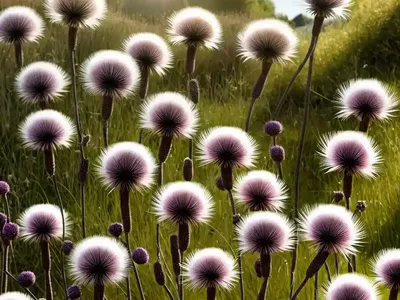
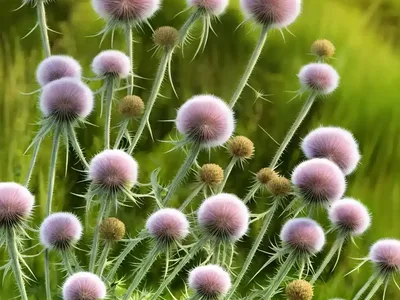
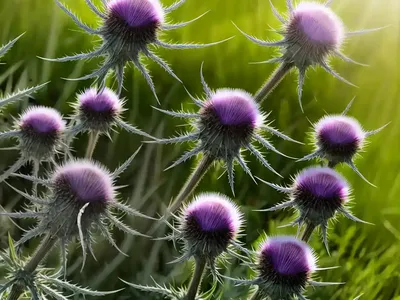
Cirsium Altissimum (Tall Thistle)
Plants have always fascinated human beings with their diversity, beauty, and significance in the natural world. The family of thistle plants, particularly.
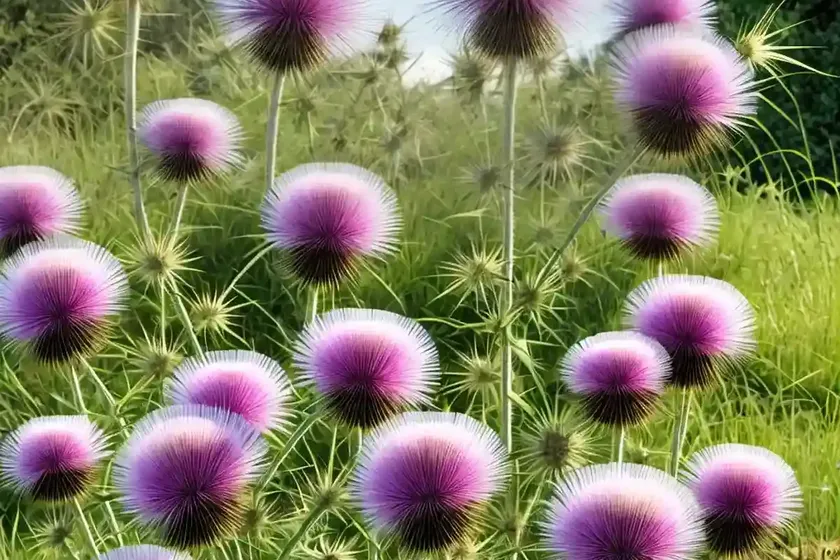
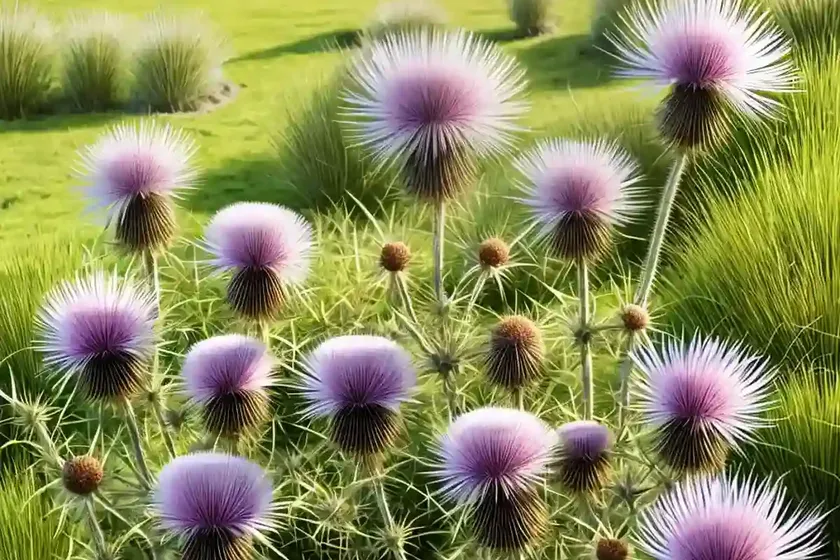
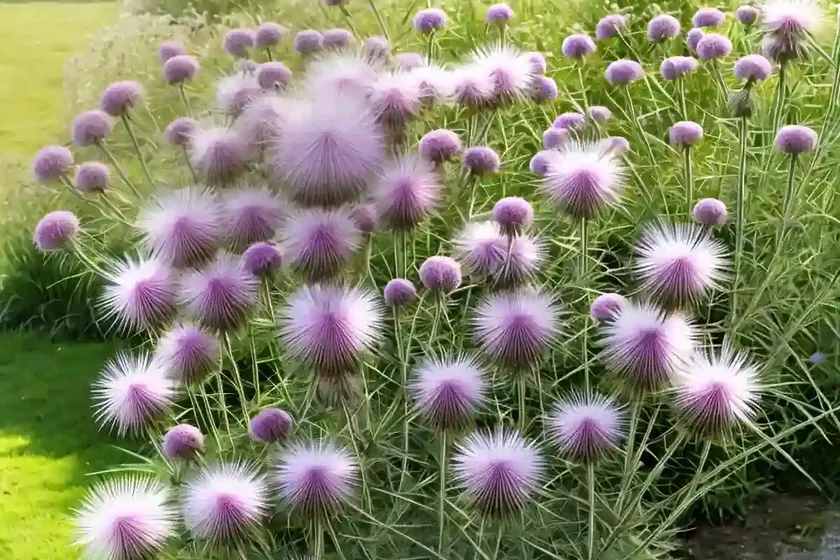
Plants have always fascinated human beings with their diversity, beauty, and significance in the natural world. The family of thistle plants, particularly the Cirsium altissimum or Tall Thistle, holds a special place in the botanical realm. This blog post is dedicated to unraveling the secrets and wonders associated with this magnificent meadow marvel.
What is a Thistle Plant?
First and foremost, it’s essential to understand what precisely a thistle plant is and its significance in the botanical world. Thistle plants belong to the family Asteraceae, and they are characterized by their prickly leaves and distinctive flowering heads. They are found in different regions across the globe and encompass a wide variety of species, each with its unique traits and characteristics.
The focus of our discussion, Cirsium altissimum or Tall Thistle, is a stunning member of the thistle family known for its towering height and striking appearance. Native to North America, this plant species has garnered attention for not only its aesthetic appeal but also its ecological and cultural significance.
Key Takeaways – Cirsium altissimum (Tall Thistle)
Before delving deeper into the various aspects of Cirsium altissimum, let’s take a brief look at the key takeaways associated with this remarkable plant:
- Thistle Plant Characteristics
- Prickly leaves
- Distinctive flowering heads
-
Towering height
-
Habitat and Adaptations
- Native to North America
- Thrives in meadow and prairie environments
-
Drought-tolerant
-
Cultural and Ecological Significance
- Attracts wildlife and pollinators
- Used in herbal medicine and traditional practices
-
Plays a role in meadow and prairie restoration
-
Gardening and Cultivation
- Suitable for landscaping and gardens
- Perennial plant
Now, let’s dive into a comprehensive exploration of Cirsium altissimum, covering various facets such as culture, uses, maintenance, and more.
Culture of Cirsium altissimum
Understanding the cultural requirements of Cirsium altissimum is crucial for its successful growth and development. This entails considerations regarding water, sunlight, fertilizer, soil, and pruning among other factors.
Water
Tall Thistle, being native to North American meadows and prairies, displays resilience to drought conditions. As such, it thrives in environments where water availability may be limited. While it can withstand dry spells, providing moderate to occasional watering can promote healthier growth and robust flowering.
- Infrequent watering is generally sufficient, especially once the plant is established.
- Ensure that the soil is well-drained to prevent waterlogging, which can be detrimental to the plant’s health.
Sunlight
-
Cirsium altissimum* typically flourishes in full sun, displaying its best growth and flowering potential under ample sunlight exposure.
-
Planting in an area that receives at least 6 hours of direct sunlight daily is ideal for this species.
- Adequate sunlight exposure is essential for promoting strong, upright growth and vibrant flowering.
Fertilizer
In most cases, tall thistle plants growing in their natural habitat may not require additional fertilization, as they are adapted to thrive in nutrient-deficient soils. However, if cultivating Cirsium altissimum in a garden or landscape setting, the application of a balanced, slow-release fertilizer can support healthy growth.
- Opt for a fertilizer with a balanced NPK ratio, applied according to the manufacturer’s recommendations.
- Avoid over-fertilization, as excessive nutrients can lead to lush foliage at the expense of prolific flowering.
Soil
The soil composition plays a pivotal role in the successful cultivation of Cirsium altissimum. Given its native habitat in meadows and prairies, the plant thrives in well-drained, slightly acidic to neutral soils.
- Sandy loam or loamy soils are conducive to healthy root development and overall growth.
- Prioritize soil quality and structure, ensuring it provides adequate aeration and drainage for the plant’s roots.
Pruning
-
Cirsium altissimum* may not necessitate regular pruning in the typical garden or landscape setting. However, removing spent flowers or cutting back the plant after flowering can promote tidier growth and prevent self-seeding.
-
Deadheading spent blooms can encourage further flowering and prevent the plant from expending energy on seed production.
- If self-seeding poses no concern in the landscape, allowing the plant to complete its natural lifecycle can contribute to the reseeding of new generations.
Uses of Tall Thistle
The versatile nature of Cirsium altissimum extends to various practical and ecological applications. Understanding the diverse uses of this plant sheds light on its relevance and value in different contexts.
Ecological Role
In its natural habitat of meadows and prairies, Cirsium altissimum serves as an essential component of the ecosystem, contributing to biodiversity and wildlife support.
- The plant’s nectar-rich flowers attract diverse pollinators, including bees, butterflies, and other beneficial insects.
- Its seeds are a food source for various bird species, contributing to the overall ecological balance.
Gardening and Landscaping
Cultivating Cirsium altissimum in gardens and landscapes can impart a wild, naturalistic aesthetic while promoting biodiversity and ecological sustainability.
- Incorporating tall thistle plants into meadow-style gardens or naturalistic landscapes can enhance their visual appeal and ecological functionality.
- The plant’s architectural form and striking flowers make it a valuable addition to perennial beds and border plantings.
Restoration and Conservation
Given its native range and ecological significance, Cirsium altissimum plays a crucial role in meadow and prairie restoration efforts, contributing to the conservation of native plant communities.
- Reintroducing tall thistle plants to degraded or disturbed habitats can aid in restoring the natural balance and diversity of native ecosystems.
- Conservation initiatives often incorporate Cirsium altissimum as a focal species in prairie restoration projects, highlighting its intrinsic value.
Propagation and Maintenance
Understanding the propagation methods and maintenance practices associated with Cirsium altissimum is integral to its successful cultivation and long-term sustainability.
Propagation
Propagating Tall Thistle can be achieved through various methods such as seed sowing and division, each with its unique considerations and benefits.
- Seed Germination
- Sowing seeds directly in the desired location in fall or early spring can facilitate natural germination and establishment.
-
Adequate soil moisture and light aid in the germination process, mimicking the plant’s natural habitat conditions.
-
Division
- Dividing mature plants in early spring allows for the expansion of existing clumps and the propagation of new specimens.
- Carefully separating the root mass and replanting divisions in suitable locations promotes the spread of Cirsium altissimum.
Maintenance
Regular maintenance practices contribute to the overall health and vigor of Cirsium altissimum in both natural and cultivated settings.
- Weed Control
- Managing competing vegetation around young Tall Thistle plants supports their establishment and initial growth.
-
The reduction of aggressive weeds can prevent them from outcompeting the thistle and hindering its development.
-
Watering and Monitoring
- During dry spells, providing occasional watering to newly established plants or those in garden settings can aid in their survival and growth.
- Monitoring the plant for signs of stress or disease allows for timely intervention and care.
Common Diseases and Pests
Despite its resilience, Cirsium altissimum may be susceptible to certain diseases and pests, warranting attention to preventive measures and management strategies.
Diseases
While Cirsium altissimum is relatively resistant to many common garden diseases, it may occasionally encounter issues such as fungal infections or foliar diseases.
- Preventive Measures
- Promoting good air circulation around the plants through adequate spacing and pruning minimizes the risk of fungal diseases.
-
Avoiding overhead irrigation and watering the soil directly can reduce moisture on the plant’s foliage, mitigating the risk of foliar diseases.
-
Management
- Prompt removal and disposal of infected plant material can prevent the spread of diseases to healthy specimens.
- Application of organic fungicides or biocontrol agents, if necessary, can target specific diseases while minimizing environmental impact.
Pests
-
Cirsium altissimum* may face occasional pest pressure from insects and herbivores, necessitating vigilance and appropriate management techniques.
-
Integrated Pest Management (IPM)
- Implementing an IPM approach involving biological, cultural, and mechanical control methods reduces the reliance on chemical interventions.
-
Encouraging natural predators and beneficial insect populations can regulate pest populations in an ecologically sustainable manner.
-
Preventive Practices
- Regular inspection of plants for signs of pest activity enables early detection and intervention, preventing infestations from worsening.
- Maintaining plant health through proper cultural practices fortifies Cirsium altissimum against pest damage and stress.
Botanist’s Tips: Cultivating Cirsium altissimum
To foster successful cultivation and enjoyment of Cirsium altissimum, consider the following expert tips and recommendations tailored to this striking plant species:
- Native Plant Communities
- Incorporate Cirsium altissimum into native plant communities and habitat restoration projects to support biodiversity and ecological balance.
-
By emulating its natural habitat conditions, such as soil type and sunlight exposure, you can optimize the plant’s growth and contribution to the ecosystem.
-
Companions in the Garden
- Pair tall thistle plants with compatible companions in the garden, such as other native wildflowers and grasses, to create visually cohesive and ecologically functional plantings.
-
Understanding the ecological relationships between Cirsium altissimum and potential companion plants enhances the overall sustainability and appeal of the garden.
-
Ethical Considerations
- When sourcing Cirsium altissimum for cultivation, prioritize obtaining plants from reputable nurseries or propagating from responsibly sourced seeds to minimize the impact on wild populations.
- Respecting the plant’s natural habitats and conservation status aligns with ethical gardening practices and contributes to the preservation of native species.
Fun Facts about Cirsium altissimum
Exploring the intriguing facets and lesser-known aspects of Cirsium altissimum adds depth to our appreciation of this captivating plant. Here are some fun facts to enrich your understanding of Tall Thistle:
- Cirsium altissimum holds a prominent place in traditional Native American medicine, where various parts of the plant are utilized for their medicinal properties.
- The silver-white, woolly hairs on the stems and leaves of Tall Thistle lend it a distinctive and visually appealing texture.
- As a biennial or short-lived perennial, Cirsium altissimum follows a lifecycle that encompasses two years, with its growth, flowering, and seed production stages unfolding within this timeframe.
Links to External Resources
Here are some valuable external resources where you can further explore the intriguing world of Cirsium altissimum and related botanical topics:
- Lady Bird Johnson Wildflower Center – Cirsium altissimum
- USDA Plants Database – Cirsium altissimum
- Illinois Wildflowers – Cirsium altissimum
- The Xerces Society – Pollinator Conservation Resource Center
In conclusion, Cirsium altissimum stands as a captivating example of the rich diversity and ecological significance of thistle plants. Its cultural, ecological, and gardening value underscores its status as a remarkable meadow marvel that deserves admiration and preservation. As we continue to explore and appreciate the wonders of the natural world, the beauty and importance of plants like Cirsium altissimum serve as poignant reminders of the interconnectedness and splendor of the plant kingdom.