

Cirsium discolor (Field Thistle): A Comprehensive Guide
Introduction
Plants are an essential component of our ecosystem. Their varied forms and functionalities contribute to the sustenance of life on Earth. One such intriguing plant species is Cirsium discolor, commonly known as Field Thistle. In this comprehensive guide, we will delve into the various aspects of Cirsium discolor, including its culture, uses, care tips, and intriguing folklore. Moreover, we’ll explore its ecological significance, wildlife interactions, and the captivating role it plays in the world of botanical sciences.
What is Cirsium discolor (Field Thistle)?
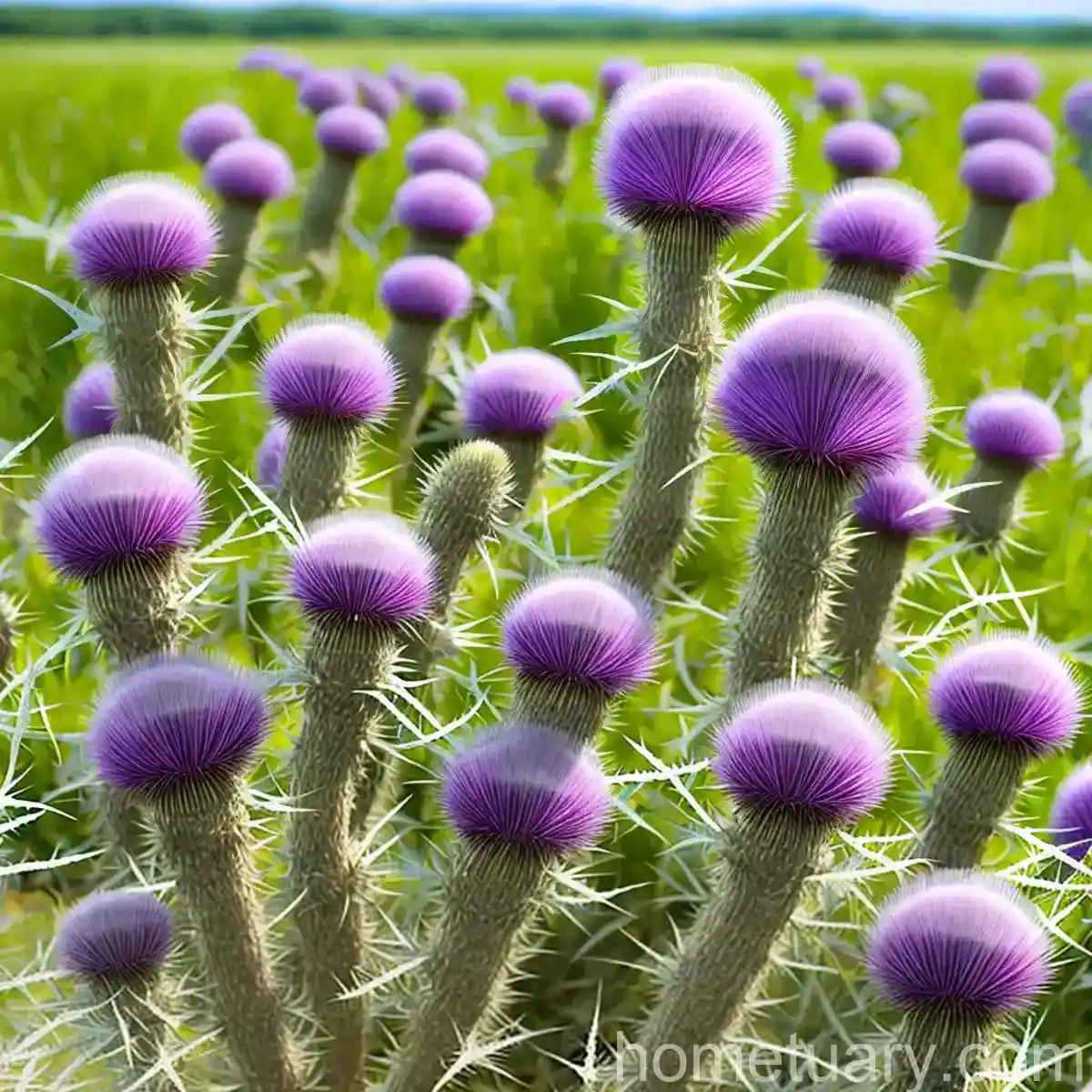
Cirsium discolor, belonging to the Asteraceae family, is a herbaceous perennial plant with an imposing appearance characterized by its spiny leaves and vibrant purple flowers. This species is native to North America and thrives in various habitats, including prairies, savannas, and open woodlands. Its ecological significance is underscored by its role in providing nectar for pollinators and serving as a food source for several wildlife species.
Key Takeaways – Cirsium discolor (Field Thistle)
Below is a summary of the key takeaways regarding Cirsium discolor:
- Culture: Understanding the cultural requirements for optimal growth and development.
- Uses: Exploring the diverse applications of Cirsium discolor in various domains.
- Water: Determining the watering needs of Field Thistle for its flourishing.
- Sunlight: Recognizing the sunlight requirements essential for its growth.
- Fertilizer: Identifying the optimal fertilization practices for Cirsium discolor.
- Soil: Assessing the ideal soil conditions for cultivating Field Thistle.
- Pruning: Discussing the importance of pruning for maintaining its health and aesthetics.
- Propagation: Exploring the propagation methods for expanding the plant population.
- Container Popularity: Analyzing the suitability of growing Cirsium discolor in containers.
- Common Diseases: Recognizing prevalent diseases affecting this species and their diagnosis.
- Common Pests: Identifying the key pests and implementing pest management strategies.
- Botanist’s Tips: Insights and tips from botanists for successful cultivation.
- Fun Facts: Uncovering intriguing and lesser-known facts about the Field Thistle.
Culture
Cultivating Cirsium discolor necessitates an understanding of its specific cultural needs. This encompasses its water, sunlight, fertilizer, and soil requirements, as well as the significance of pruning and suitable propagation methods.
Water
Proper hydration is fundamental for the robust growth of Cirsium discolor. While it does not necessitate excessive watering, it thrives in consistently moist but well-drained soil. During dry spells, supplementary watering may be beneficial, especially for younger plants and those in containers. However, it’s crucial to strike a balance, avoiding waterlogging as it can lead to root rot.
Sunlight
Field Thistle flourishes in full sun to partial shade, requiring a minimum of 6 hours of direct sunlight daily. In regions with scorching summers, partial shade can offer respite from the intense sun, aiding in the maintenance of vibrant and healthy foliage.
Fertilizer
When it comes to fertilization, Cirsium discolor favors a balanced approach. Applying a slow-release, all-purpose fertilizer in spring can provide the necessary nutrients for healthy growth and abundant flowering. It is important not to over-fertilize as it can lead to excessive foliage production at the expense of blooms.
Soil
The ideal soil for Cirsium discolor is well-drained loamy or sandy loam soil with a slightly acidic to neutral pH. Amending the soil with organic matter contributes to improved drainage and nutrient retention, laying the groundwork for the plant’s overall well-being.
Pruning
Pruning plays a pivotal role in maintaining the health and aesthetic appeal of Cirsium discolor. The removal of spent blooms not only prolongs the flowering period but also prevents self-seeding, averting the potential for invasive behavior in certain contexts.
Propagation
Propagating Cirsium discolor can be accomplished through seeds or division. Sowing seeds in a prepared seedbed in fall or spring offers a straightforward method to propagate this species. Alternatively, division during the plant’s dormant phase can yield new, genetically identical specimens, ensuring the perpetuation of favorable traits.
Uses
Cirsium discolor boasts a myriad of uses, ranging from ornamental and ecological purposes to its cultural significance and traditional applications. Its multi-faceted utility underscores its importance in diverse settings.
Ornamental Value
Field Thistle’s visually striking appearance and vibrant purple flowers endow it with significant ornamental value. It serves as an attractive addition to prairie-style and wildflower gardens, imparting a naturalistic charm to the landscape. Moreover, its architectural form and striking flowers make it an intriguing selection for cut flower arrangements, adding a touch of the wild to floral compositions.
Ecological Role
In its natural habitat, Cirsium discolor serves as an integral component of various ecosystems. Its nectar-rich flowers attract an array of pollinators, including butterflies, bees, and hummingbirds, contributing to the intricate web of ecological interactions. Additionally, the seeds of Field Thistle are a valuable food source for various bird species, further underlining its ecological significance.
Medicinal and Folkloric Uses
Traditionally, certain indigenous communities have utilized Cirsium discolor for its purported medicinal properties. Its roots have been employed in traditional herbal medicine to address various ailments. Moreover, the plant holds cultural significance in certain folklore and traditional practices, adding to its multifaceted identity.
Landscaping Applications
In landscaping, Cirsium discolor can be strategically employed to emulate naturalistic plantings and enhance biodiversity in designed landscapes. Its adaptability to various soil types and climates, coupled with its wildlife-attracting properties, renders it a valuable component of sustainable and ecologically conscious landscaping practices.
Fun Facts
Unearthing the captivating and lesser-known aspects of Cirsium discolor adds depth to our appreciation of this remarkable plant species. Here are a few intriguing fun facts about Field Thistle:
- Cirsium discolor is a host plant for the caterpillars of the painted lady butterfly (Vanessa cardui), exemplifying its role in supporting butterfly populations.
- The seeds of Field Thistle are equipped with feathery pappus, facilitating wind dispersal and contributing to the plant’s widespread distribution.
- Despite its formidable appearance, Cirsium discolor is beloved by various pollinators, serving as a crucial nectar source during its flowering period.
- In certain cultural contexts, Field Thistle holds symbolic significance, representing qualities such as resilience, protection, and adaptability.
- Cirsium discolor is a resilient species, capable of thriving in disturbed habitats and playing a role in ecological restoration efforts.
Plant Profile: Cirsium discolor (Field Thistle)
- Scientific Name: Cirsium discolor
- Common Name: Field Thistle
- Family: Asteraceae
- Native Range: North America
- Habitat: Prairies, savannas, open woodlands
- Growth Habit: Herbaceous perennial with spiny leaves and purple flowers
- Ecological Role: Nectar source for pollinators, food source for wildlife
- Cultural Significance: Traditional medicinal uses, folklore and symbolism in certain cultures
- Ornamental Value: Suitable for prairie-style gardens and cut flower arrangements
- Conservation Status: Considered secure in its natural habitat
Links to External Resources
For further exploration of Cirsium discolor, the following external resources offer valuable insights and information:
- USDA Plants Database – Cirsium discolor
- Lady Bird Johnson Wildflower Center – Field Thistle
- Illinois Wildflowers – Cirsium discolor
- Missouri Botanical Garden – Cirsium discolor
- University of Wisconsin-Madison – Field Thistle
Conclusion
Cirsium discolor (Field Thistle) stands as a captivating and ecologically significant plant species, weaving its way through diverse landscapes and ecosystems. From its ornamental allure to its ecological contributions, and from traditional uses to its cultural symbolism, Field Thistle embodies a profound connection to the natural world. By understanding and appreciating its multifaceted attributes, we can cultivate a deeper reverence for the intricate tapestry of life in which Cirsium discolor plays an enriching role.
In closing, the exploration of Cirsium discolor serves as a testament to the intricate connections between plants and the world around us, inviting us to marvel at the wondrous complexities of nature and the indelible imprint of Field Thistle on our ecological tapestry.


