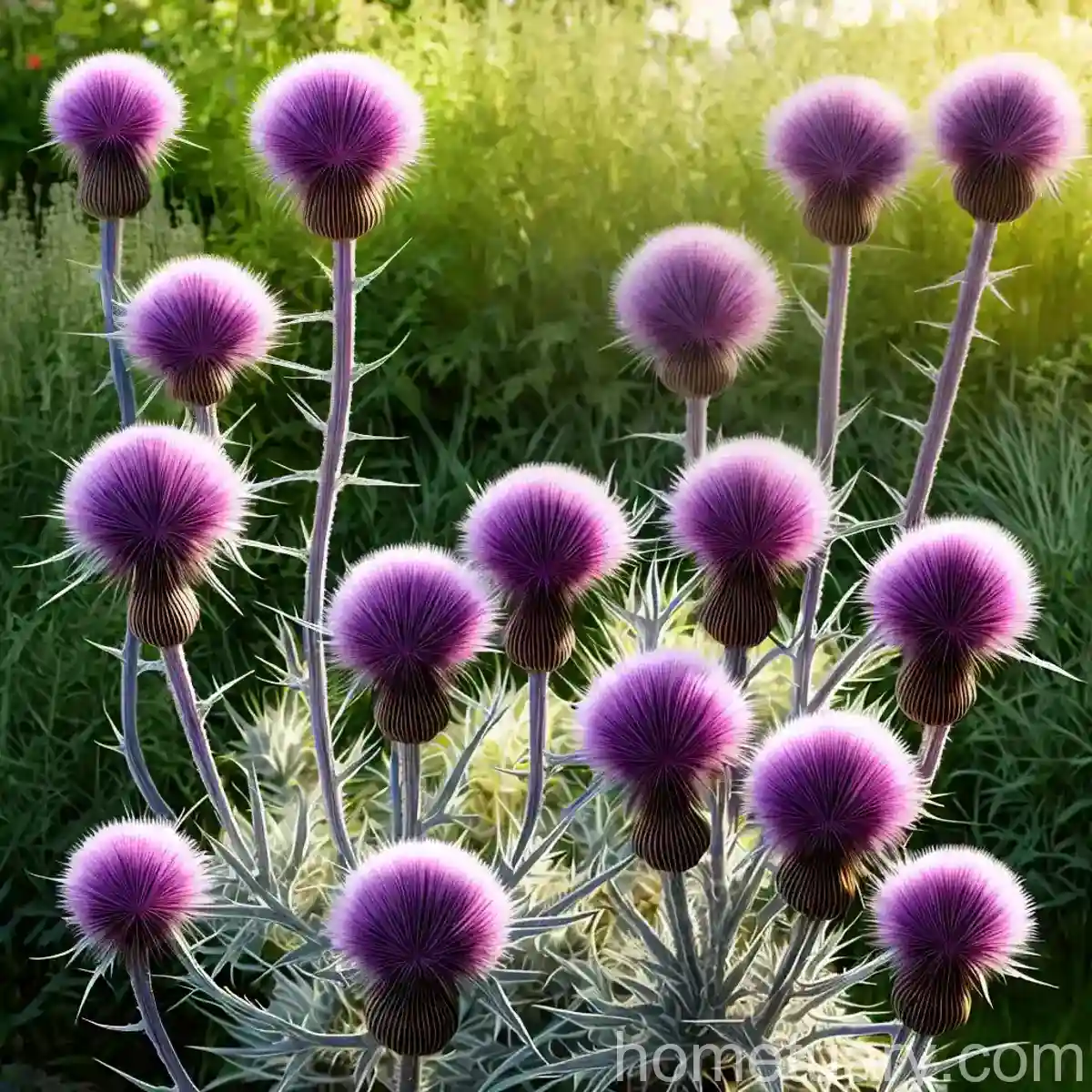
Cirsium rivulare ‘Atropurpureum’ (Plume Thistle) – A Complete Guide for Plant Enthusiasts
Cirsium rivulare ‘Atropurpureum’ is a striking perennial plant known for its attractive blooms and its ability to attract pollinators. As a plant scientist, I have always been fascinated by this resilient and beautiful plant species. In this comprehensive guide, we will explore the various aspects of Cirsium rivulare ‘Atropurpureum,’ including its culture, uses, care requirements, and much more. Whether you are a seasoned gardener or a beginner plant enthusiast, this guide will provide you with valuable insights into the world of Plume Thistle.
What is Cirsium rivulare ‘Atropurpureum’?
Cirsium rivulare ‘Atropurpureum,’ commonly known as Plume Thistle, is a herbaceous perennial plant that belongs to the Asteraceae family. This stunning plant is native to Europe and is admired for its vibrant, thistle-like flowers and its ability to thrive in various growing conditions. The genus name “Cirsium” is derived from the Greek word “kirsion,” which means “swollen vein,” referring to the traditional use of thistle plants to treat swollen veins.
The specific epithet “rivulare” comes from the Latin word “rivulus,” meaning “small stream,” which alludes to the plant’s natural habitat preferences. The cultivar name “Atropurpureum” is derived from the Latin words “atro” and “purpureum,” which translate to “dark” and “purple,” describing the intense color of the flowers.
Key Takeaways – Cirsium rivulare ‘Atropurpureum’ (Plume Thistle)
As a starting point, let’s delve into the key takeaways about Cirsium rivulare ‘Atropurpureum’ before we explore its culture, uses, and care requirements.
- Scientific Name: Cirsium rivulare ‘Atropurpureum’
- Common Name: Plume Thistle
- Plant Type: Herbaceous Perennial
- Family: Asteraceae
- Native Range: Europe
- Bloom Time: Summer to early fall
- Hardiness Zone: 4-9
- Attracts: Bees, butterflies, and other pollinators
- Watering Needs: Average
- Sunlight Requirements: Full sun to partial shade
- Soil Type: Well-draining, fertile soil
- Mature Height: 2-4 feet
- Maintenance: Low to moderate
Now that we have laid the groundwork, let’s explore the various aspects of Cirsium rivulare ‘Atropurpureum’ in detail, starting with its cultural preferences.
Culture
Understanding the cultural requirements of Cirsium rivulare ‘Atropurpureum’ is essential for its successful growth and development. From soil conditions to sunlight preferences, each aspect plays a crucial role in shaping the plant’s overall health and appearance.
Uses
As a Plant Scientist, it’s important to identify the practical and aesthetic uses of Cirsium rivulare ‘Atropurpureum’ in various horticultural settings. Whether it’s in a formal garden, a naturalistic landscape, or a pollinator-friendly planting, this versatile plant offers a range of applications.
Water
Water is an essential element in the life of any plant, and understanding the watering needs of Cirsium rivulare ‘Atropurpureum’ is fundamental to its care. Proper watering practices can help prevent issues such as drought stress or waterlogged soil, which can impact the plant’s health.
Sunlight
Sunlight is a primary source of energy for plants, driving photosynthesis and various physiological processes. Determining the sunlight requirements of Cirsium rivulare ‘Atropurpureum’ is crucial for selecting an appropriate planting location and ensuring the plant receives adequate light exposure.
Fertilizer
Fertilization plays a key role in providing essential nutrients to plants, promoting healthy growth and vibrant blooms. Understanding the fertilization needs of Cirsium rivulare ‘Atropurpureum’ can aid in establishing an effective feeding regimen for optimal performance.
Soil
The soil serves as the foundation for plant growth, providing physical support, water, and nutrients. Exploring the ideal soil type and pH requirements for Cirsium rivulare ‘Atropurpureum’ is essential for creating a hospitable growing environment.
Pruning
Pruning is a valuable horticultural practice that can shape the form of plants, promote flowering, and remove diseased or damaged growth. Understanding the pruning requirements of Cirsium rivulare ‘Atropurpureum’ can help maintain its vigor and appearance.
Propagation
Propagating plants allows for the expansion of their population and the preservation of desirable traits. Exploring the propagation methods for Cirsium rivulare ‘Atropurpureum’ can provide insights into ways of reproducing the plant for personal or commercial use.
Container Popularity
Growing plants in containers offers versatility and mobility, making it an attractive option for many gardeners. Assessing the popularity of cultivating Cirsium rivulare ‘Atropurpureum’ in containers can shed light on its adaptability to this growing method.
Cirsium rivulare ‘Atropurpureum’ Common Diseases
Like any living organism, plants are susceptible to various diseases that can affect their overall health and vitality. Understanding the common diseases that may afflict Cirsium rivulare ‘Atropurpureum’ is crucial for implementing preventive measures and targeted treatments.
Disease Diagnosis
Accurately diagnosing plant diseases is essential for effective management and control. Familiarizing oneself with the symptoms and causal agents of common diseases in Cirsium rivulare ‘Atropurpureum’ can aid in timely intervention and disease mitigation.
Common Pests
Pests can pose significant challenges to plant health, causing damage to foliage, flowers, and overall growth. Identifying the common pests that may target Cirsium rivulare ‘Atropurpureum’ is crucial for implementing integrated pest management strategies.
Botanist’s Tips
Drawing on botanical expertise and insights can offer valuable recommendations for the successful cultivation and care of Cirsium rivulare ‘Atropurpureum.’ Integrating botanist’s tips into plant management practices can enhance the overall well-being of the species.
Fun Facts
Delving into the intriguing and lesser-known aspects of Cirsium rivulare ‘Atropurpureum’ can enhance our appreciation for this remarkable plant. Uncovering fun facts about the plant can deepen our understanding of its ecological and cultural significance.
Now that we have explored the various aspects of Cirsium rivulare ‘Atropurpureum,’ it’s essential to provide external resources and references for further reading and exploration. This will help readers access additional insights, research, and practical information about Plume Thistle.
Links to External Resources
- The Royal Horticultural Society (RHS) – Cirsium rivulare ‘Atropurpureum’ Plant Profile
- University of Illinois Extension – Growing Perennials: Thistle
- Missouri Botanical Garden – Cirsium rivulare Information
In conclusion, Cirsium rivulare ‘Atropurpureum’ is a captivating and resilient plant that offers a wealth of ornamental and ecological benefits. By understanding its culture, uses, care requirements, and potential challenges, plant enthusiasts can cultivate and appreciate this species with confidence and success. I hope this comprehensive guide serves as a valuable resource for individuals seeking to explore and enhance their knowledge of Cirsium rivulare ‘Atropurpureum’ and its role in horticulture and conservation.
Thank you for joining me on this journey to discover the enchanting world of Plume Thistle – Cirsium rivulare ‘Atropurpureum.’Happy gardening!