Cyperus Papyrus ‘Prince Tut’ (Papyrus)
Cyperus papyrus ‘Prince Tut’, commonly known as Papyrus, is a striking and unique plant that has captivated the interest of gardeners, botanists, and.
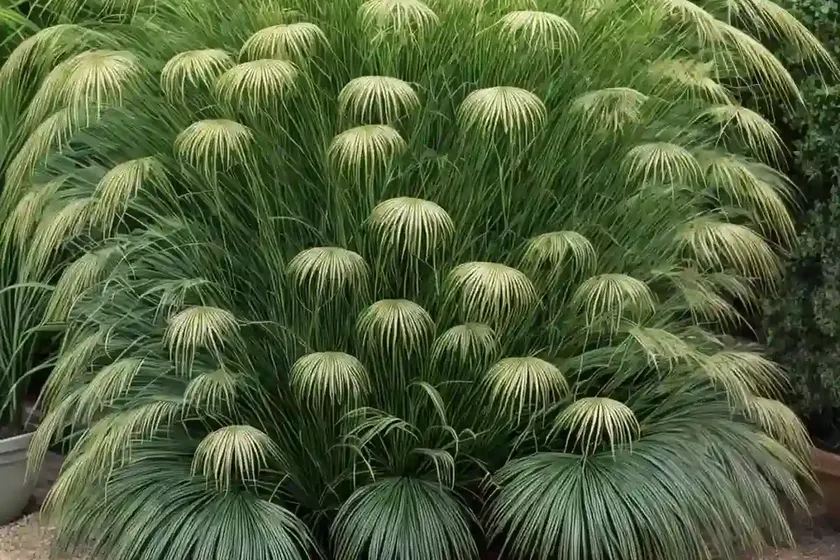
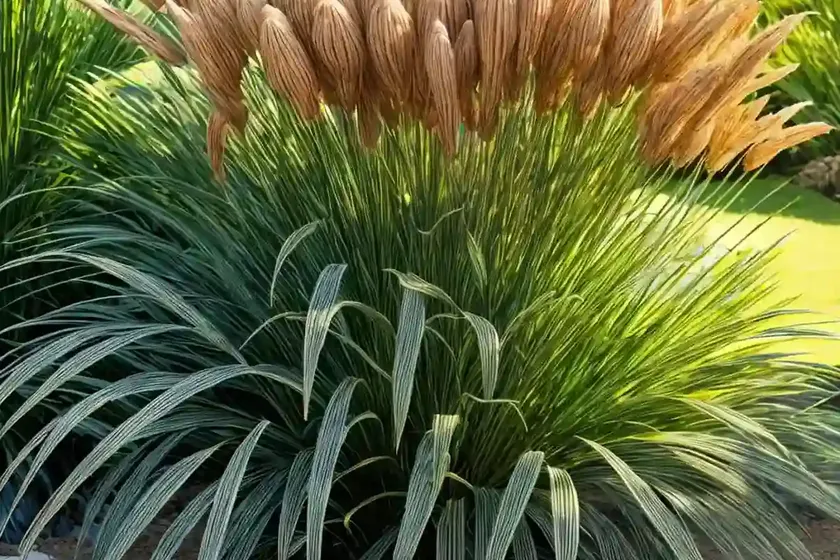
Cyperus papyrus ‘Prince Tut’, commonly known as Papyrus, is a striking and unique plant that has captivated the interest of gardeners, botanists, and nature enthusiasts around the world. Its distinctive appearance and cultural significance make it a noteworthy addition to any garden or landscape. In this comprehensive guide, we will explore the various aspects of the Cyperus papyrus ‘Prince Tut’, including its cultural uses, growth requirements, care tips, and much more.
What is Cyperus papyrus ‘Prince Tut’ (Papyrus)?
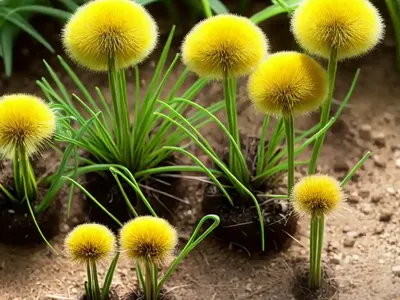
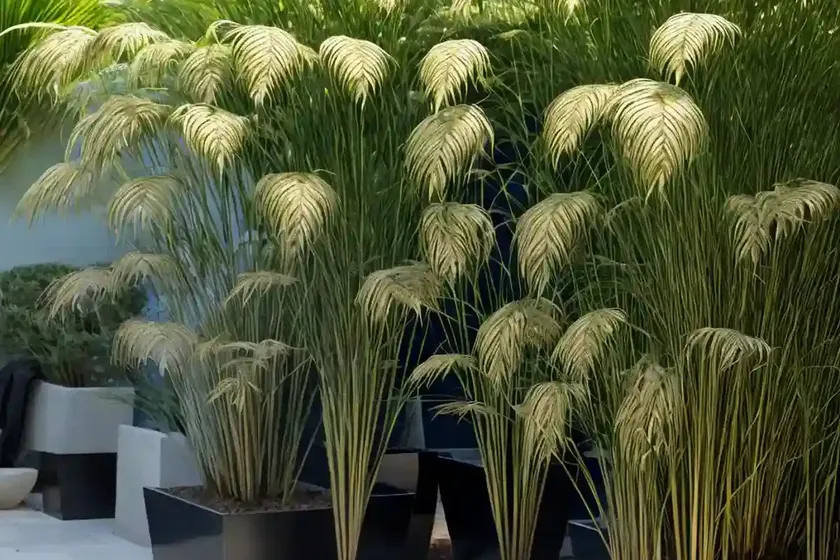
Cyperus papyrus, also referred to as Papyrus or Egyptian Paper Plant, is a tender aquatic perennial that is native to Africa. It belongs to the family Cyperaceae and is well-known for its iconic umbrella-shaped clusters of long, slender stems topped with feathery tufts. The ‘Prince Tut’ variety is a more compact cultivar of the Cyperus papyrus, making it a suitable choice for smaller gardens or as a container plant.
The historical significance of Cyperus papyrus cannot be overstated, as it was the primary material used for making paper in ancient Egypt, and its cultural significance reverberates throughout history. Today, it continues to attract attention for its ornamental value, unique growth habits, and diverse applications in landscape design.
Key Takeaways – Cyperus papyrus ‘Prince Tut’ (Papyrus)
Before diving into the details of its care and maintenance, let’s glance at the key takeaways related to Cyperus papyrus ‘Prince Tut’:
- Scientific Name: Cyperus papyrus ‘Prince Tut’
- Common Name: Papyrus, Egyptian Paper Plant
- Family: Cyperaceae
- Growth: Tender aquatic perennial
Now, let’s delve into the specific aspects of cultivating and caring for this extraordinary plant.
Culture
Cyperus papyrus ‘Prince Tut’ holds an esteemed status in various cultures and is deeply rooted in ancient history. From its traditional applications in paper-making to its modern-day use as an ornamental plant, the cultural significance of Papyrus is truly remarkable.
Uses
- Historical Significance: Papyrus holds immense historical and cultural significance, particularly in ancient Egypt, where it was used to create the first form of paper.
- Ornamental Use: In contemporary settings, Cyperus papyrus ‘Prince Tut’ is utilized as an ornamental plant in gardens, landscapes, and water features.
- Artistic Inspiration: Its distinctive appearance has served as a muse for artists, writers, and historians, showcasing its cultural and artistic significance.
Growing Conditions
Creating an environment that mimics the natural habitat of Cyperus papyrus ‘Prince Tut’ is essential for its successful growth and development. Paying attention to its water, sunlight, soil, and fertilizer requirements is crucial in ensuring its well-being.
Water
As a plant that thrives in aquatic environments, Cyperus papyrus ‘Prince Tut’ has specific water requirements that must be met to support its growth.
- Moisture: Papyrus requires consistently moist soil to flourish. Adequate water levels, especially in its natural habitat, are essential for its health.
- Growth in Water: In garden settings, it can be grown in shallow water or in areas with consistently moist soil to mimic its natural habitat.
Sunlight
Proper sunlight exposure is crucial for the growth and vitality of Cyperus papyrus ‘Prince Tut’.
- Full Sun: It thrives in full sun and requires at least 6-8 hours of direct sunlight to promote optimal growth.
- Indoor Placement: For indoor cultivation, placing it near a bright window or under grow lights with sufficient intensity can help meet its sunlight needs.
Fertilizer
While Cyperus papyrus ‘Prince Tut’ is relatively low-maintenance, it can benefit from occasional fertilization to support its growth.
- Balanced Fertilizer: Using a balanced, water-soluble fertilizer with a formulation such as 20-20-20 can provide adequate nutrients for the plant.
- Application Frequency: Fertilize the plant every 4-6 weeks during the growing season to ensure healthy growth.
Soil
Understanding the soil preferences of Cyperus papyrus ‘Prince Tut’ is essential for creating an ideal growing environment.
- Well-Drained Soil: While it thrives in water, the plant should be placed in well-drained soil in garden settings or in containers to prevent waterlogging.
- Rich Organic Matter: Incorporating organic matter such as compost or peat moss into the soil can help provide essential nutrients and maintain moisture levels.
Pruning
Pruning is an important aspect of maintaining the appearance and health of Cyperus papyrus ‘Prince Tut’.
- Dead Stem Removal: Regularly remove any dead or yellowing stems to promote new growth and maintain a tidy appearance.
- Top Growth Control: Trimming the top growth can help manage the plant’s height and prevent it from becoming too leggy.
Propagation
Propagating Cyperus papyrus ‘Prince Tut’ allows for the expansion of its presence in the garden and the creation of new plants.
- Division: Propagation through division involves separating the roots and rhizomes to create individual plants, typically undertaken during the spring.
- Water Propagation: Submerging cuttings in water can also facilitate the development of new roots and subsequent transplantation into soil.
Container Popularity
The compact nature of the ‘Prince Tut’ variety has contributed to its popularity as a container plant.
- Indoor Decor: It serves as an excellent choice for indoor water features, providing a touch of exotic elegance to interior spaces.
- Versatile Placement: Its adaptability to container growth allows it to be showcased on patios, balconies, and in small gardens with limited space.
Common Diseases
Despite its resilience, Cyperus papyrus ‘Prince Tut’ is susceptible to certain diseases that can impact its health.
Disease Diagnosis
- Root Rot: Overly moist conditions can lead to root rot, resulting in yellowing, wilting, and stunted growth. Addressing drainage issues is crucial in preventing this disease.
- Fungal Diseases: Certain fungal pathogens can lead to leaf spots and blights, necessitating the use of fungicidal treatments to mitigate their impact.
Common Pests
While generally pest resistant, Cyperus papyrus ‘Prince Tut’ may encounter some pests that require attention.
- Aphids: These small, sap-sucking insects can infest the plant, causing leaf distortion and sap drainage. Insecticidal soap or neem oil can effectively manage aphid infestations.
- Spider Mites: These tiny pests can cause webbing and stippling on leaves. Regularly spraying the plant with water can help deter and control spider mite populations.
Botanist’s Tips
Understanding the intricate details of Cyperus papyrus ‘Prince Tut’ and its growth requirements is essential for its successful cultivation. Here are some valuable tips for nurturing this exceptional plant:
- Cultural Significance: Embrace the historical and cultural significance of Papyrus, exploring its ancient roots and modern-day applications.
- Water Management: Prioritize consistent moisture levels to ensure the plant’s well-being, especially in garden and container settings.
- Light Optimization: Provide ample sunlight to promote vigorous growth and maintain the plant’s characteristic appearance.
- Pruning Precision: Exercise care and precision when pruning to maintain the plant’s aesthetic appeal and prevent overgrowth.
Fun Facts
Discovering the intriguing and remarkable aspects of Cyperus papyrus ‘Prince Tut’ adds a layer of fascination to its presence in gardens and landscapes.
- The traditional use of Papyrus in paper-making dates back to ancient civilizations, particularly in Egypt, where it served as the primary material for writing and documentation.
- Its umbrella-like clusters of slender stems have inspired artistic representations and have been featured in various forms of literature and visual arts, reflecting its cultural and historical significance.
- While primarily known for its ornamental value, Papyrus also holds ethnobotanical importance, with historical uses extending beyond its role in paper production.
Links to External Resources
For further exploration and detailed insights into Cyperus papyrus ‘Prince Tut’, the following external resources provide valuable information and perspectives:
- Royal Horticultural Society – Growing Papyrus (Cyperus papyrus)
- Missouri Botanical Garden – Cyperus papyrus ‘Prince Tut’
- University of Florida IFAS Extension – Papyrus (Cyperus papyrus)
As you embark on your journey of cultivating and nurturing Cyperus papyrus ‘Prince Tut’, honing your understanding of its cultural significance, growth requirements, and care techniques will undoubtedly elevate the experience and appreciation of this extraordinary plant.
Incorporating the profound historical legacy and exceptional ornamental appeal of Papyrus into your garden or landscape exemplifies a true appreciation for the natural world and the historical tapestry from which botanical wonders like Cyperus papyrus ‘Prince Tut’ emerge.