The Beauty of Lady’s Mantle (Alchemilla mollis)
What is Plant Lady’s Mantle (Alchemilla mollis)
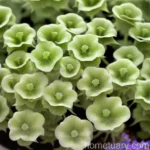
Lady’s mantle (Alchemilla mollis) is a herbaceous perennial plant native to southern Europe. It is a member of the Rosaceae family and is known for its frothy clusters of tiny, star-shaped, chartreuse flowers and distinctive fan-shaped leaves. This plant has a long history of use in traditional herbal medicine and is also prized for its ornamental value in gardens and landscaping.
Key Takeaways – Lady’s Mantle (Alchemilla mollis)
- Scientific Name: Alchemilla mollis
- Family: Rosaceae
- Common Name: Lady’s mantle
- Native to: Southern Europe
- Uses: Ornamental, Medicinal
- Growth Habit: Herbaceous perennial
- Foliage: Distinctive fan-shaped leaves
- Flowers: Frothy clusters of tiny, star-shaped, chartreuse flowers
Culture
Uses
Lady’s mantle (Alchemilla mollis) is highly valued for both its ornamental and medicinal uses. The plant has been traditionally used for its medicinal properties and is also a popular choice for garden borders, rock gardens, and as a ground cover. The distinctive leaves and delicate flowers make it a versatile and attractive addition to any landscape.
Water
Lady’s mantle (Alchemilla mollis) prefers consistently moist soil, particularly during the growing season. It is important to avoid waterlogged conditions, as this can lead to root rot. Regular watering, particularly during dry periods, will help the plant thrive.
Sunlight
This plant thrives in partial shade to full sun. In warmer climates, it benefits from some afternoon shade to protect it from scorching sun. However, in cooler regions, it can tolerate more sun exposure.
Fertilizer
Lady’s mantle (Alchemilla mollis) generally does not require heavy feeding. A balanced, all-purpose fertilizer applied in spring can help promote healthy growth and abundant flowering. It is important not to over-fertilize, as this can lead to excessive foliage at the expense of flowers.
Soil
This plant prefers moist, well-draining soil. It can adapt to various soil types, including loam, clay, or sand, as long as the soil does not become waterlogged. Amending the soil with organic matter can help improve its texture and drainage.
Pruning
Pruning helps to maintain the plant’s shape and encourages a longer flowering period. Deadheading spent flowers can also promote continuous blooming. In late fall or early spring, cut back the entire plant to ground level to rejuvenate the foliage.
Propagation
Lady’s mantle (Alchemilla mollis) can be propagated through division or by collecting and sowing seeds. Division should be carried out in early spring or fall, while seed sowing can be done in spring. Both methods are relatively straightforward and can help expand your lady’s mantle collection.
Container Popularity
While lady’s mantle (Alchemilla mollis) can thrive in containers, it is essential to ensure that the potting mix is well-draining and to monitor moisture levels carefully. Container gardening can be an excellent option for those with limited garden space or for individuals looking to appreciate the plant up close.
Common Diseases
Disease Diagnosis
Lady’s mantle (Alchemilla mollis) can be susceptible to fungal diseases such as powdery mildew and rust. These are often indicated by the presence of discolored or powdery patches on the leaves. Proper plant spacing and good air circulation can help prevent these diseases.
Common Pests
While lady’s mantle (Alchemilla mollis) is relatively resistant to pests, it can occasionally attract aphids and snails, particularly in periods of high humidity. Regular monitoring and prompt action can help keep pest populations in check.
Botanist’s Tips
-
Lady’s mantle (Alchemilla mollis) can self-seed quite readily. If this is not desirable in your garden, deadheading the flowers before they set seed can help prevent excessive reseeding.
-
Incorporating lady’s mantle (Alchemilla mollis) into mixed borders with other perennials can create a natural and graceful appearance.
Fun Facts
-
The leaves of lady’s mantle (Alchemilla mollis) are known for their ability to hold dewdrops, which sparkle in the early morning sunlight.
-
The name “Alchemilla” is derived from the Arabic word “al-kimia,” which means alchemy. This is a reference to the historical use of the plant in alchemical practices.
Links to External Resources
In conclusion, lady’s mantle (Alchemilla mollis) is a versatile and attractive plant with both ornamental and medicinal value. Its distinctive foliage and delicate flowers make it a popular choice for gardeners and landscapers alike. By understanding its cultural requirements, potential issues, and propagation methods, individuals can enjoy the beauty and benefits of this remarkable plant in their own gardens.