Aronia melanocarpa (Black Chokeberry): A Comprehensive Guide
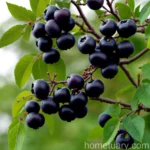
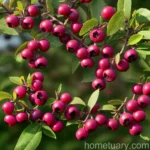
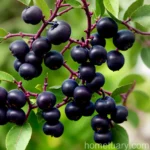
Aronia melanocarpa, commonly known as Black Chokeberry, is a deciduous shrub that belongs to the Rosaceae family. It is native to eastern North America and is well-known for its ornamental value, culinary uses, and medicinal properties. In this comprehensive guide, we will delve into the various aspects of Aronia melanocarpa, including its cultural requirements, uses, and maintenance. Whether you are a gardening enthusiast, a herbalist, or simply intrigued by the ecological benefits of this plant, this guide will provide you with valuable insights into the world of Aronia melanocarpa.

What is Aronia melanocarpa (Black Chokeberry)?
Aronia melanocarpa, commonly known as Black Chokeberry, is a versatile and hardy shrub with significant ecological, culinary, and medicinal value. Its adaptability to various environmental conditions, coupled with its attractive foliage and berries, makes it a popular choice for landscape design as well as commercial cultivation.
Key Takeaways – Aronia melanocarpa (Black Chokeberry)
Before we delve into the specifics of Aronia melanocarpa, let’s take a quick look at the key takeaways associated with this remarkable plant.
- Cultural Requirements: Aronia melanocarpa exhibits characteristics that make it suitable for a wide range of environmental conditions, making it a versatile addition to gardens and landscapes.
- Uses: The uses of Aronia melanocarpa are diverse, including culinary applications, medicinal properties, and ecological benefits.
- Maintenance: Understanding the proper care and maintenance of Aronia melanocarpa is essential for ensuring its health and productivity.
Now, let’s explore each of these aspects in detail.
Cultural Requirements
Water
Aronia melanocarpa is well-adapted to a variety of soil moisture conditions, thriving in both well-drained and moderately moist soils. However, excessive waterlogging should be avoided, as it can lead to root rot and other moisture-related issues. During the establishment phase, regular watering is essential to promote healthy root development. Once established, Aronia melanocarpa exhibits good drought tolerance, although supplemental watering during prolonged dry spells can be beneficial, particularly for optimizing berry production.
Sunlight
In terms of sunlight requirements, Aronia melanocarpa thrives in full sun to partial shade. While it can tolerate some shade, optimal berry production and foliage coloration are achieved in full sun. When selecting a planting site, it is advisable to choose a location that receives at least 6 to 8 hours of direct sunlight per day for maximum productivity and ornamental appeal.
Fertilizer
Aronia melanocarpa is a relatively low-maintenance plant in terms of fertilization requirements. A balanced, slow-release fertilizer can be applied in early spring, just before the growing season begins. It is important to avoid excessive nitrogen fertilization, as this can result in overly vigorous vegetative growth at the expense of berry production and overall plant health.
Soil
Aronia melanocarpa thrives in well-drained, acidic soils with a pH range of 4.5 to 5.5. It is important to ensure good soil drainage, as waterlogged conditions can lead to root suffocation and susceptibility to diseases. Amending the soil with organic matter such as compost or peat moss can help improve soil structure and nutrient retention. Mulching around the base of the plant with organic material can also aid in moisture retention and weed suppression.
Pruning
Pruning is an important aspect of Aronia melanocarpa maintenance, contributing to both the plant’s health and its aesthetic appeal. Pruning is typically carried out in late winter to early spring, before new growth emerges. The objectives of pruning include the removal of dead or diseased wood, shaping the plant for optimal structure, and stimulating new growth. Additionally, regular pruning of older stems can help rejuvenate the plant and promote vigorous berry production.
Propagation
Aronia melanocarpa can be propagated through various methods, including:
- Seed Propagation: Although Aronia melanocarpa produces viable seeds, propagating through seeds may result in genetic variability and longer time to maturity. Seeds can be sown in a prepared seedbed or containers, and stratification may be required to break seed dormancy.
- Cutting Propagation: Propagating Aronia melanocarpa through hardwood cuttings is a common and reliable method. Hardwood cuttings taken during the dormant season can be treated with rooting hormones and placed in a well-draining rooting medium to initiate root development.
Container Popularity
Aronia melanocarpa is well-suited for container cultivation, making it a popular choice for urban and small-space gardens. Its compact growth habit, ornamental value, and adaptability to container environments make it an ideal candidate for patio gardens, balconies, and other confined spaces. When growing Aronia melanocarpa in containers, it is important to select a container of adequate size and ensure proper drainage to prevent waterlogging.
Common Diseases
Disease Diagnosis
Aronia melanocarpa is generally resistant to most pests and diseases. However, certain environmental conditions and cultural practices can predispose the plant to specific issues. Common diseases that may affect Aronia melanocarpa include:
- Leaf Spot: Characterized by circular lesions on the leaves, caused by various fungal pathogens. Proper sanitation and adequate spacing to promote air circulation can help reduce the incidence of leaf spot.
- Fire Blight: A bacterial disease that can cause wilting and blackening of the blossoms and shoots. Pruning out affected branches and promoting overall plant health can help manage fire blight.
- Root Rot: Caused by waterlogged or poorly drained soil, leading to root suffocation and decay. Improving soil drainage and avoiding overwatering can prevent root rot.
Common Pests
Aronia melanocarpa is relatively resistant to pest infestations, but it may occasionally face challenges from certain pests such as:
- Aphids: These sap-sucking insects can distort new growth and excrete honeydew, leading to the development of sooty mold. Natural predators and horticultural oils can be utilized for aphid management.
- Spider Mites: These tiny pests can cause stippling and webbing on the foliage, affecting the plant’s overall vigor. Drought stress can exacerbate spider mite infestations, making proper irrigation essential for prevention.
Botanist’s Tips
- Companion Planting: Aronia melanocarpa can be strategically planted alongside other native shrubs and perennials to create wildlife-friendly habitats and promote ecological diversity.
- Wildlife Attraction: The berries of Aronia melanocarpa are highly attractive to birds and wildlife, making it a valuable addition to naturalized landscapes and wildlife gardens.
Fun Facts
- The berries of Aronia melanocarpa are among the richest plant sources of antioxidants, contributing to their potential health benefits and culinary appeal.
- The plant’s striking fall foliage, which transitions into vibrant shades of red and purple, adds to its ornamental value in autumn landscapes.
Links to External Resources
To further explore the world of Aronia melanocarpa and delve into specific topics related to its cultivation, benefits, and ecological significance, here are some valuable external resources:
- Aronia melanocarpa Benefits and Uses: Research Articles
- Culinary Delights: Black Chokeberry Recipes and Nutrition
- Medicinal Potential of Aronia melanocarpa: Herbal Medicine Database
- Landscaping with Native Plants: Aronia melanocarpa in Ecological Design
- Aronia melanocarpa: Cultivation Guidelines and Growing Tips
Conclusion
Aronia melanocarpa, or Black Chokeberry, is a multifaceted plant with a myriad of benefits and contributions to offer. From its ecological value as a wildlife-friendly species to its use in culinary creations and potential medicinal applications, Aronia melanocarpa continues to captivate the interest of plant enthusiasts, scientists, and nature lovers alike. Understanding its cultural requirements, uses, and maintenance guidelines is essential for harnessing the full potential of this remarkable plant and integrating it into diverse landscapes and gardens.
Remember, whether you are considering adding Aronia melanocarpa to your garden, exploring its nutritional benefits, or simply seeking to appreciate its ornamental value, this guide serves as a valuable resource for unlocking the mysteries and marvels of Black Chokeberry.
For those curious about delving deeper into the world of Aronia melanocarpa, the provided external resource links offer a treasure trove of knowledge and insights. So, dive in, explore, and let the captivating world of Aronia melanocarpa unfold before you!