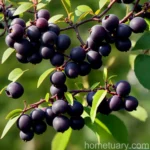
Aronia melanocarpa Ground Hug® (Black Chokeberry)
As a plant scientist with a passion for exploring the diverse world of plant species, I am thrilled to introduce you to the Aronia melanocarpa Ground Hug® (Black Chokeberry). This remarkable plant, known for its outstanding ornamental and functional characteristics, has been a subject of fascination among horticulturists, landscape designers, and nature enthusiasts.
In this comprehensive guide, we will delve into the various aspects of the Aronia melanocarpa Ground Hug® – from its cultural requirements and landscaping potential to its ecological benefits and medicinal properties. Whether you are an avid gardener, a landscaping professional, or someone with a keen interest in horticulture, this article aims to provide you with an in-depth understanding of this remarkable plant. We will explore its growth habits, maintenance techniques, uses, and much more. So, let’s embark on this journey of discovery as we unravel the captivating world of Aronia melanocarpa Ground Hug®.
What is Aronia melanocarpa Ground Hug® (Black Chokeberry)?
Aronia melanocarpa, commonly referred to as Black Chokeberry, is a deciduous shrub that belongs to the Rosaceae family. It is native to eastern North America and is known for its adaptability to a wide range of environmental conditions. The Ground Hug® variety is particularly valued for its low-growing, spreading habit, making it an excellent choice for ground cover and erosion control in landscaping. The plant’s striking ornamental features, coupled with its resilience and low maintenance requirements, have contributed to its growing popularity in gardens, parks, and naturalistic landscapes.
The Aronia melanocarpa Ground Hug® showcases an array of alluring attributes, including delicate white spring blooms, vibrant autumn foliage, and dark berries that persist into winter, providing visual interest throughout the seasons. Beyond its aesthetic appeal, the plant offers ecological benefits, serving as a valuable food source for wildlife and contributing to soil stabilization in diverse ecosystems.
In the following sections, we will delve into the key aspects of Aronia melanocarpa Ground Hug®, exploring its cultural requirements, uses, maintenance practices, and much more.
Key Takeaways – Aronia melanocarpa Ground Hug®
Before we dive into the specific details, let’s take a quick look at the key takeaways related to Aronia melanocarpa Ground Hug®:
- Cultural Requirements: Learn about the plant’s water, sunlight, fertilizer, and soil preferences.
- Uses: Explore the versatile uses of Aronia melanocarpa Ground Hug®, including its landscaping potential and ecological benefits.
- Maintenance: Understand the essential maintenance practices, such as pruning, propagation, and disease management.
- Fun Facts: Discover interesting and lesser-known facts about the plant.
Now, let’s explore each of these aspects in greater detail to gain a comprehensive understanding of this remarkable species.
Culture
Water
Aronia melanocarpa Ground Hug® exhibits moderate water requirements, thriving in moist, well-drained soils. While the plant is tolerant of occasional periods of drought once established, consistent moisture is beneficial, especially during the initial establishment phase and in prolonged dry spells. It is essential to avoid waterlogged conditions, as excessive moisture can lead to root rot and other complications.
Sunlight
This low-growing shrub thrives in full to partial sun, displaying optimal growth and flowering performance when provided with ample sunlight. When planted in shaded areas, the plant may exhibit reduced flowering and fruiting, as well as a more open growth habit. Therefore, it is advisable to select a location that receives at least six hours of direct sunlight per day for optimal development.
Fertilizer
Aronia melanocarpa Ground Hug® generally thrives in nutrient-rich soils, benefiting from the application of a balanced, slow-release fertilizer in the spring. A complete fertilizer with a balanced NPK ratio can support the plant’s growth, blooming, and fruit production. It is important to follow the recommended application rates and avoid excessive use of fertilizers, which can lead to nutrient imbalances and potential adverse effects on plant health.
Soil
The plant demonstrates a remarkable adaptability to various soil types, including acidic, loamy, and clay soils. It prefers slightly acidic to acidic soil conditions, with a pH range of 4.5 to 6.5. Well-drained soils are essential to prevent waterlogging, which can negatively impact the plant’s root health. Prior to planting, it is beneficial to amend the soil with organic matter, such as compost or well-rotted manure, to enhance its fertility and structure.
Pruning
Pruning is an essential aspect of maintaining the health, aesthetics, and productivity of Aronia melanocarpa Ground Hug®. Regular pruning helps to remove dead or diseased wood, shape the plant, and promote air circulation within the canopy. Pruning is typically conducted during the late winter or early spring, before the onset of new growth.
Key techniques for pruning Aronia melanocarpa Ground Hug® include:
- Dead Wood Removal: Trim out any dead, damaged, or diseased wood to maintain the plant’s vigor and prevent the spread of pathogens.
- Thinning: Lightly thin out the interior branches to improve air circulation and sunlight penetration, which can contribute to overall plant health and vigor.
- Shaping: Prune selectively to enhance the plant’s natural form, promote a dense growth habit, and manage the spread of the shrub.
Proper pruning practices contribute to the plant’s longevity and visual appeal, ensuring that it remains an attractive and integral component of the landscape.
Propagation
Aronia melanocarpa Ground Hug® can be propagated through various methods, including hardwood cuttings, softwood cuttings, division, and seed propagation. Each approach offers unique advantages and considerations, enabling horticulturists and gardeners to propagate the plant successfully.
Hardwood Cuttings
Hardwood cuttings are typically taken during the late fall or early winter when the plant is dormant. The selected cuttings, approximately 6 to 8 inches in length, are prepared and placed in a well-draining medium for root development. With proper care and maintenance, these cuttings can develop into new plants, retaining the desirable traits of the parent plant.
Softwood Cuttings
Softwood cuttings, obtained from young, tender growth in the spring, offer another viable method for propagation. The cuttings are treated with rooting hormone and placed in a suitable rooting medium, where they develop roots and gradually transition into independent, self-sustaining plants.
Division
Division involves separating the plant into multiple sections, each containing viable roots and shoots. This method is particularly well-suited for mature Aronia melanocarpa Ground Hug® specimens that have developed an extensive root system. By carefully dividing the plant into smaller sections, gardeners can rejuvenate the original plant and create additional specimens for propagation.
Seed Propagation
While seed propagation is a viable method for introducing genetic diversity, it may result in variations among the offspring. The seeds can be collected from ripe berries and sown in a prepared seedbed or container. Understanding the seed’s germination requirements and providing the necessary conditions for growth are crucial for successful propagation from seeds.
By employing these propagation techniques, individuals can expand their stock of Aronia melanocarpa Ground Hug® and contribute to the conservation and dissemination of this valuable plant species.
Container Popularity
The compact growth habit and ornamental appeal of Aronia melanocarpa Ground Hug® make it a popular choice for container gardening. When grown in containers, the plant offers versatility, allowing individuals to incorporate it into various settings, such as urban patio gardens, outdoor living spaces, and commercial landscapes. The containerized specimens can be strategically placed to accentuate their visual impact and contribute to the overall design composition.
Container Care Requirements
When cultivating Aronia melanocarpa Ground Hug® in containers, it is essential to address specific care requirements to ensure the plant’s well-being and vitality.
Soil and Drainage
Select a high-quality, well-draining potting mix that provides adequate aeration and moisture retention. Additionally, ensure that the container features drainage holes to prevent waterlogging, which can compromise the plant’s root health.
Watering
Containerized plants are susceptible to fluctuations in soil moisture, necessitating regular monitoring and appropriate watering practices. Maintain consistent moisture levels, avoiding both excessive drying out and water saturation in the root zone.
Sunlight
Position the containers in locations that receive sufficient sunlight to support the plant’s growth and flowering. Inadequate sunlight exposure can lead to leggy growth and diminished ornamental appeal.
Fertilization
Provide periodic fertilization to compensate for the nutrient depletion in containerized environments. A balanced, water-soluble fertilizer can be applied according to the manufacturer’s recommendations to support the plant’s nutritional needs.
Thriving in containers, Aronia melanocarpa Ground Hug® delivers an enchanting presence, whether utilized as a standalone feature or incorporated into mixed container arrangements. Its adaptability opens up new possibilities for enhancing outdoor spaces and bringing a touch of natural beauty to urban and suburban landscapes.
Common Diseases
Aronia melanocarpa Ground Hug® is generally resilient to many common pests and diseases, owing to its robust nature and minimal susceptibility to infestations and infections. However, there are certain diseases that can potentially affect the plant, necessitating vigilance and proactive management measures.
Anthracnose
Anthracnose, caused by fungal pathogens, can lead to the development of dark, sunken lesions on the plant’s leaves and stems. In severe cases, it can cause defoliation and impact overall plant health. To mitigate the risk of anthracnose, it is advisable to implement cultural practices that promote air circulation, reduce leaf wetness, and minimize the spread of pathogens.
Leaf Spot
Leaf spot diseases, characterized by the formation of circular or irregular lesions on the foliage, can be caused by various fungal and bacterial pathogens. These diseases can compromise the plant’s aesthetics and, in severe instances, lead to leaf drop. Maintaining a clean garden environment, providing adequate spacing between plants, and avoiding overhead irrigation can help reduce the incidence of leaf spot diseases.
Powdery Mildew
Powdery mildew, a common fungal disease, manifests as a white powdery growth on the plant’s leaves and stems. It can negatively impact the plant’s photosynthetic capacity and overall vigor. To manage powdery mildew, cultural practices such as promoting good air circulation, maintaining proper plant spacing, and using resistant cultivars can be beneficial.
Botrytis Blight
Botrytis blight, caused by the fungus Botrytis cinerea, can lead to the development of brown, water-soaked lesions on the plant’s flowers and foliage. Under favorable conditions, the disease can spread rapidly, posing a threat to the plant’s health and productivity. Pruning to improve air circulation, removing infected plant parts, and practicing proper sanitation can aid in the prevention and management of Botrytis blight.
Disease Diagnosis
Early detection and accurate diagnosis of plant diseases are crucial for effective management and mitigation of potential damage. When observing abnormal symptoms on Aronia melanocarpa Ground Hug®, it is important to carefully assess the nature of the symptoms and consider the potential causes. Here are key steps for diagnosing plant diseases:
Symptom Identification
Carefully observe the plant for any unusual symptoms, such as leaf discoloration, spots, wilting, or abnormal growth patterns. Document the specific characteristics of the symptoms, including their location, size, texture, and overall appearance.
Causal Agent Assessment
Consider the potential pathogens or environmental factors that could be contributing to the observed symptoms. Factors such as moisture levels, humidity, temperature, and pest activity can play a role in disease development.
Laboratory Analysis
For accurate diagnosis, consider sending plant samples to a diagnostic laboratory for analysis. A professional plant pathologist can conduct tests to identify the specific pathogens responsible for the observed symptoms, leading to targeted and effective management strategies.
Prevention and Management
Implement strategies for disease prevention, such as maintaining proper cultural practices, monitoring plant health, and applying appropriate management techniques. Early intervention can minimize the impact of diseases and preserve the plant’s vitality.
By following these guidelines, individuals can actively monitor and address potential diseases, safeguarding the health and well-being of Aronia melanocarpa Ground Hug® and other plant species in their care.
Common Pests
Aronia melanocarpa Ground Hug® exhibits a notable resistance to many common pests, contributing to its overall vigor and minimal susceptibility to infestations. However, certain pests may pose potential challenges, requiring attention and management to prevent damage to the plant.
Aphids
Aphids, small sap-feeding insects, can cluster on the plant’s tender shoots and foliage, causing damage through their feeding activity. Their presence may lead to distorted growth, leaf curling, and the development of a sticky substance known as honeydew. Natural predators, such as ladybugs and lacewings, can help control aphid populations, complementing cultural and mechanical control measures.
Spider Mites
Spider mites, microscopic arachnids, can infest the plant, causing stippling, yellowing, and eventual browning of the foliage. Their presence may be accompanied by fine webbing on the plant, signaling their activity. Regular monitoring, maintaining adequate humidity levels, and employing predatory mites can aid in managing spider mite infestations.
Scale Insects
Scale insects, characterized by their protective waxy shell, can infest the plant, affecting its vigor and overall health. They may attach themselves to the plant’s stems and leaves, feeding on sap and potentially causing wilting and decline. Horticultural oils and natural predators can be utilized to manage scale insect populations and prevent their proliferation.
Caterpillars
Caterpillars, the larval stage of moths and butterflies, can feed on the plant’s foliage, causing visible defoliation and aesthetic damage. Regular inspection and manual removal of caterpillars, where feasible, can help mitigate their impact. Bacillus thuringiensis (Bt) products offer targeted control of caterpillars while minimizing harm to beneficial insects.
By remaining vigilant and employing integrated pest management strategies, individuals can effectively address pest challenges and safeguard the health and resilience of Aronia melanocarpa Ground Hug® and other valued plants.
Botanist’s Tips
To nurture and appreciate the distinctive qualities of Aronia melanocarpa Ground Hug®, consider the following botanist’s tips for optimal plant care and enjoyment:
- Site Selection: Choose a well-drained location with sufficient sunlight to support the plant’s growth and ornamental attributes.
- Soil Preparation: Amend the soil with organic matter to enhance fertility and structure, providing an optimal foundation for the plant’s development.
- Mulching: Apply a layer of organic mulch around the base of the plant to conserve moisture, suppress weed growth, and insulate the roots.
- Regular Monitoring: Routinely observe the plant for signs of pests, diseases, and nutrient deficiencies, intervening promptly to address any issues.
- Seasonal Maintenance: Engage in regular pruning, fertilization, and watering practices tailored to the plant’s seasonal requirements, supporting its overall health and vitality.
- Wildlife Interaction: Embrace the plant’s role in supporting local wildlife, observing and appreciating the diverse organisms that are attracted to its blooms and fruits.
- Landscape Integration: Explore creative ways to incorporate Aronia melanocarpa Ground Hug® into diverse landscape settings, leveraging its ground cover potential and visual appeal.
- Educational Outreach: Share the fascinating attributes of the plant with others, contributing to a deeper appreciation for its ecological significance and horticultural value.
These botanist’s tips offer practical insights for cultivating, enjoying, and advocating for the merits of Aronia melanocarpa Ground Hug®, enriching the experience of engaging with this exceptional plant species.
Fun Facts
Dive into the enchanting world of Aronia melanocarpa Ground Hug® through these captivating and lesser-known fun facts:
- Wildlife Support: The plant’s flowers attract pollinators, such as bees and butterflies, contributing to local biodiversity and ecological balance.
- Winter Interest: The persistent dark berries serve as a valuable food source for birds during the winter months, adding a touch of life and color to the landscape.
- Historical Uses: Native American tribes utilized various parts of the Black Chokeberry for culinary and medicinal purposes, recognizing the plant’s nutritional and healing properties.
- Geological Significance: The plant’s adaptability to a range of soil types, including wet soils and clay, makes it a valuable asset in landscape reclamation and restoration efforts.
- Artistic Inspiration: The vibrant autumn foliage of Aronia melanocarpa Ground Hug® has inspired artists and designers, influencing color palettes and creative expressions in visual arts and landscape design.
- Culinary Potential: The tart, astringent berries of the plant can be used in jams, jellies, and beverages, showcasing their potential as a unique culinary ingredient.
- Erosion Control: The low-growing, spreading nature of the Ground Hug® variety makes it an effective ground cover for controlling erosion and stabilizing slopes and embankments.
- Eco-Friendly Landscaping: With its minimal maintenance requirements and ecological benefits, the plant serves as an eco-conscious choice for sustainable landscape designs.
Embrace these fun facts as a gateway to appreciating the multifaceted appeal and significance of Aronia melanocarpa Ground Hug®, revealing its role as an ecological contributor, artistic muse, and culinary muse.
Links to External Resources
To further enhance your knowledge and engagement with Aronia melanocarpa Ground Hug®, explore the following external resources for valuable insights, guidance, and inspiration:
- American Horticultural Society
- Missouri Botanical Garden
- Royal Horticultural Society
- University Extension Resources
By tapping into these reputable sources, you can access a wealth of information, research findings, and community engagement related to Aronia melanocarpa Ground Hug®, fostering a deeper connection with this exceptional plant species.
Conclusion
In conclusion, the Aronia melanocarpa Ground Hug® (Black Chokeberry) stands as a compelling testament to the botanical diversity and horticultural significance found in natural landscapes. Its stunning ornamental features, adaptive qualities, and ecological contributions underscore its value as a cherished element of gardens, naturalistic landscapes, and conservation initiatives.
As we’ve explored the cultural requirements, uses, maintenance practices, and intriguing aspects of this plant, I trust that you have gained a newfound appreciation for its inherent beauty and functional benefits. Whether you are a gardener, landscaper, nature enthusiast, or advocate for sustainable ecology, Aronia melanocarpa Ground Hug® offers a wealth of opportunities for exploration, creative expression, and ecosystem enrichment.
The continued cultivation, conservation, and advocacy for Aronia melanocarpa Ground Hug® serve as a testament to our commitment to embracing and safeguarding the diverse wonders of the plant kingdom. Let us continue to cultivate an enduring connection with nature, celebrating the unique attributes and ecological contributions of this exceptional plant species.
I hope this comprehensive guide has provided you with valuable insights and inspiration, empowering you to embark on a rewarding journey of discovery and stewardship with Aronia melanocarpa Ground Hug®.
The content provided