Chinese Witch Hazel (Hamamelis Mollis): A Comprehensive Guide
In the realm of botanical wonders, the Chinese witch hazel, scientifically known as Hamamelis Mollis, stands as a true gem. Renowned for its exquisite blooms and medicinal properties, this captivating shrub has captivated the attention of plant enthusiasts and scientists alike. In this comprehensive guide, we will delve into the captivating world of Chinese witch hazel – from its cultural significance to its care requirements and everything in between. So, let’s embark on an enriching journey to explore the captivating universe of Hamamelis Mollis.
What is Chinese Witch Hazel (Hamamelis Mollis)?
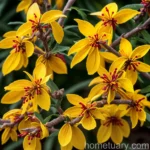
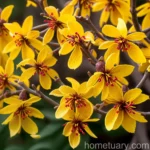
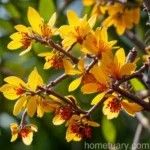
Chinese witch hazel, or Hamamelis mollis, is a deciduous shrub belonging to the family Hamamelidaceae. Native to China, this enchanting plant is renowned for its vibrant and fragrant winter blooms, featuring delicately twisted petals in shades of yellow, gold, and orange. The name “witch hazel” is derived from the Middle English word “wych,” meaning “bendable,” owing to the plant’s flexible branches. This captivating shrub typically reaches a height of 10 to 15 feet and boasts a striking, wide-spreading form.
Key Takeaways – Chinese Witch Hazel (Hamamelis Mollis)
Before delving into the intricate details of Chinese witch hazel, let’s encapsulate the key takeaways associated with this captivating botanical wonder:
- Plant Name: Chinese witch hazel (Hamamelis mollis)
- Family: Hamamelidaceae
- Native Habitat: China
- Distinct Features: Vibrant and fragrant winter blooms, flexible branches, captivating foliage
- Significance: Medicinal and ornamental plant
- Cultural Uses: Traditional medicine, ornamental landscaping
- Care Requirements: Well-drained soil, partial shade, regular watering, periodic pruning
- Propagation: Seeds, stem cuttings, layering
- Popularity: Revered for its winter blossoms and medicinal properties
Now, let’s explore each of these facets in greater detail to gain a comprehensive understanding of Chinese witch hazel.
Culture
Rooted in centuries-old traditions and valued for its myriad applications, Chinese witch hazel holds immense cultural significance. The plant is deeply ingrained in traditional Chinese medicine, revered for its therapeutic properties and used to concoct various remedies. The vivid blooms of the witch hazel have also made it a popular choice in ornamental gardening, adorning landscapes with its vibrant colors during the winter months.
Uses
- Medicinal Purposes: In traditional Chinese medicine, various parts of the Chinese witch hazel, including the leaves, bark, and twigs, are employed to address an array of health concerns. It is believed to possess astringent, anti-inflammatory, and antioxidant properties, making it an integral component in herbal remedies.
- Ornamental Landscaping: With its captivating winter blooms and alluring fragrance, Chinese witch hazel serves as an exquisite addition to botanical gardens, parks, and residential landscapes, offering a burst of color and charm during the cold winter months.
Care
The successful cultivation of Chinese witch hazel hinges upon meticulous care and attention to its specific requirements. From watering to sunlight exposure and soil composition, each aspect plays a pivotal role in nurturing the plant to its fullest potential.
Water
Ensuring adequate hydration is crucial for the healthy growth of Chinese witch hazel. While the plant is moderately drought-tolerant once established, consistent watering is imperative, particularly during periods of low rainfall. However, it is essential to maintain well-drained soil to prevent waterlogging, as excessive moisture can lead to root rot and other detrimental conditions.
Sunlight
Chinese witch hazel thrives in partial shade to full sun, displaying optimal growth in locations that receive dappled sunlight. While it can tolerate a range of light conditions, providing ample sunlight encourages prolific blooming and promotes overall plant vigor.
Fertilizer
When it comes to fertilization, the requirements of Chinese witch hazel are relatively modest. A balanced, slow-release fertilizer applied in early spring can provide the necessary nutrients for robust growth and abundant flowering. It is imperative to follow the dosage recommendations to prevent over-fertilization, which can impede blooming and adversely affect the plant’s health.
Soil
The soil composition significantly influences the well-being of Chinese witch hazel. It thrives in well-draining, slightly acidic soils with a pH range of 5.5 to 6.5. Amending the soil with organic matter, such as compost or peat moss, can enhance its texture and fertility, fostering an ideal environment for the plant’s roots to thrive.
Pruning
Pruning plays a vital role in shaping the growth and enhancing the aesthetic appeal of Chinese witch hazel. Regular pruning is generally recommended to remove dead or diseased wood, encourage a more compact growth habit, and stimulate the development of new flowering wood.
When it comes to pruning Chinese witch hazel, consider the following:
- Timing: Prune the plant in late winter or early spring before the onset of new growth.
- Techniques: Remove any dead, damaged, or crossing branches to maintain an open, well-aerated canopy. Additionally, selective thinning can promote air circulation and light penetration, further enhancing the plant’s health and vigor.
Propagation
Propagating Chinese witch hazel allows enthusiasts to expand their collection and share the captivating beauty of this plant with others. The following methods are commonly employed for propagation:
- Seeds: Sow fresh seeds in a well-draining, moist seed-starting mix and provide consistent moisture and warmth to facilitate germination. Stratification, a process of exposing the seeds to cold temperatures to simulate winter conditions, can enhance their germination rates.
- Stem Cuttings: Take semi-hardwood or hardwood cuttings in late summer or early autumn, treat them with a rooting hormone, and place them in a suitable rooting medium. Provide the necessary warmth and humidity to facilitate root development.
- Layering: Encourage the development of new roots by bending a low-hanging branch to the ground, wounding a section of the branch, and covering it with soil. Once roots have formed, the new plant can be separated and potted up.
Container Popularity
While Chinese witch hazel thrives in garden settings, it also exhibits exceptional adaptability to container cultivation. The captivating foliage and aromatic blossoms of this plant make it a popular choice for container gardening, allowing enthusiasts to relish its beauty on patios, balconies, and other confined spaces.
Container Common Diseases
While Chinese witch hazel is generally resilient, container cultivation exposes the plant to certain diseases and environmental stressors. Common diseases that may affect Chinese witch hazel in containers include:
- Root Rot: Overly moist conditions or poor drainage can lead to root rot, causing the plant’s roots to decay and ultimately compromising its health.
- Powdery Mildew: This fungal disease can manifest as a powdery white coating on the leaves, impairing their function and reducing the plant’s aesthetic appeal.
Disease Diagnosis
Closely monitoring the plant for any signs of distress or disease is essential to address potential issues in a timely manner. Early detection and accurate diagnosis are key in implementing effective treatment measures and preserving the plant’s health.
Common Pests
Chinese witch hazel is relatively resilient to pest infestations, with few pests posing significant threats. However, some common pests that may occasionally affect the plant include:
- Aphids: These small, sap-sucking insects can cluster on the plant’s tender shoots and foliage, potentially causing distortion and stunted growth.
- Scale Insects: Scale insects may appear as small, immobile bumps on the stems and leaves, feeding on the plant’s sap and weakening its overall health.
Botanist’s Tips
While cultivating Chinese witch hazel, keep in mind the following tips to maximize its growth potential and ornamental allure:
- Mulching: Apply a layer of organic mulch around the base of the plant to conserve moisture, suppress weed growth, and insulate the roots from extreme temperatures.
- Winter Protection: Shield the plant from harsh winter conditions, especially during its early years, to safeguard it from frost damage or desiccation.
- Regular Observation: Periodically inspect the plant for any signs of disease, pest activity, or nutrient deficiencies, taking prompt remedial action when necessary.
Fun Facts
Uncover some fascinating tidbits about Chinese witch hazel that add to the allure and mystique of this captivating plant:
- The distinctive fragrance of Chinese witch hazel blooms intensifies as the day progresses, permeating the surroundings with its sweet and spicy aroma.
- Witch hazel extract, derived from the bark and leaves of the plant, is widely employed in skincare products for its astringent and soothing properties.
- In addition to its ornamental and medicinal uses, Chinese witch hazel wood is prized for its flexibility and is traditionally crafted into divining rods, also known as dowsing rods.
Links to External Resources
For further exploration and in-depth insights into Chinese witch hazel, consider delving into the following external resources:
- The Royal Horticultural Society – Hamamelis Mollis
- Missouri Botanical Garden – Chinese Witch Hazel
- University of Maryland Extension – Witch Hazel Production and Marketing
Amidst the realm of botanical marvels, Chinese witch hazel stands as an enchanting and versatile plant, captivating hearts with its alluring blooms, medicinal prowess, and ornamental charm. From the tranquil landscapes of China to the thriving gardens of plant enthusiasts worldwide, the enduring appeal of Hamamelis Mollis transcends cultural boundaries, leaving an indelible mark in the world of horticulture. Whether cherished for its winter blossoms, embraced for its therapeutic potential, or admired for its enchanting foliage, Chinese witch hazel continues to enchant and inspire all who encounter its natural splendor.
So, embrace the allure of Chinese witch hazel, and let its captivating presence grace your botanical endeavors with timeless beauty and boundless wonder.
Note: The information provided in this guide is intended for educational and informational purposes. It is recommended to consult local horticultural experts and resources for specific cultivation advice tailored to your region.