Chinese Juniper (Juniperus chinensis) – A Comprehensive Guide
Introduction to Chinese Juniper
Chinese juniper, scientifically known as Juniperus chinensis, is a versatile evergreen plant that belongs to the cypress family, Cupressaceae. This plant is native to East Asia, particularly China, Japan, Mongolia, and Korea. Chinese juniper is a popular choice for landscaping and garden design due to its diverse cultivars and adaptable nature. In this comprehensive guide, we will delve into the various aspects of Chinese juniper, including its culture, uses, care requirements, propagation, common diseases, pests, and interesting facts.
What is Chinese Juniper (Juniperus chinensis)?
Before we explore the detailed aspects of Chinese juniper, let’s understand what this fascinating plant actually is.
Taxonomy and Botanical Characteristics
Chinese juniper, a member of the Juniperus genus, is renowned for its diverse assortment of cultivars, each with unique foliage colors and growth habits. The species encompasses both upright and spreading forms, contributing to its versatility in landscaping. The botanical characteristics of Chinese juniper are as follows:
- Scientific Name: Juniperus chinensis
- Common Name: Chinese juniper
- Family: Cupressaceae
- Native Range: China, Japan, Mongolia, Korea
- Foliage: Evergreen, scale-like or needle-like foliage
- Cones: Berry-like, with a waxy coating and bluish-black color
- Growth Habit: Upright or spreading, depending on the cultivar
- Hardiness Zones: 4 to 9 (may vary based on the cultivar)
- Height: Varies by cultivar, ranging from low ground covers to tall, columnar forms
Chinese Juniper Varieties
Chinese juniper boasts an impressive array of varieties, each offering distinct characteristics that cater to various landscaping and gardening preferences. Some popular cultivars include:
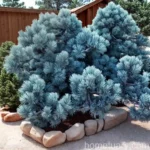
- ‘Sargentii’: A low-growing, spreading form with striking blue-green foliage.
- ‘Pfitzeriana’: A widely cultivated juniper with a dense, spreading growth habit and vibrant green foliage.
- ‘Mint Julep’: This cultivar boasts rich, mint-green foliage and a compact, pyramidal form.
- ‘Torulosa’: Also known as Hollywood juniper, it features twisted, irregular branches and blue-green foliage.
These are just a few examples of the extensive assortment of Chinese juniper varieties available to enthusiasts and landscapers.
Key Takeaways – Chinese Juniper (Juniperus chinensis)
Before delving into the specific aspects of Chinese juniper, let’s highlight the key takeaways associated with this versatile landscape plant. The following points encapsulate the essence of Chinese juniper and provide a glimpse of what this species has to offer.
Culture
- Versatile and diverse plant species
- Adaptable to various planting environments
- Offers a wide selection of cultivars with unique characteristics
Uses
- Popular choice for landscaping and garden design
- Suitable for hedging, ground covers, accent planting, and topiary
- Valued for its ornamental foliage and growth habits
Water
- Tolerant of drought conditions once established
- Regular watering during the establishment phase
- Well-drained soil is essential to prevent waterlogging
Sunlight
- Thrives in full sun to partial shade
- Varied sun exposure preferences based on the cultivar
Fertilizer
- Minimal fertilizer requirements for established plants
- Benefits from an application of balanced, slow-release fertilizer in spring
These key takeaways provide a comprehensive overview of the notable attributes and care requirements of Chinese juniper, setting the stage for a detailed exploration of its various aspects.
Chinese Juniper Culture
Cultivating Chinese juniper involves understanding its growth habits, adapting to diverse environmental conditions, and selecting suitable varieties for specific landscaping purposes. Let’s explore the culture of Chinese juniper in detail, covering its growth habits, landscape uses, and popular varieties.
Growth Habits
Chinese juniper exhibits a wide range of growth habits, making it a versatile choice for landscape design. The plant’s growth habits include upright, columnar, spreading, prostrate, and irregular forms. This diversity allows for creative and dynamic arrangements in both formal and informal garden settings.
Landscape Uses
Chinese juniper is valued for its diverse landscape uses, ranging from hedging and ground covers to focal point plantings and topiary. Some common applications of Chinese juniper in landscaping include:
- Hedging: Upright cultivars such as ‘Spartan’ and ‘Skyrocket’ are often used to create formal or informal hedges.
- Ground Covers: Low-growing cultivars like ‘Blue Pacific’ and ‘Bar Harbor’ serve as attractive ground cover options.
- Accent Planting: Unique cultivars with distinct foliage colors, such as ‘Gold Coast’ and ‘Old Gold,’ are utilized as focal points in garden beds and borders.
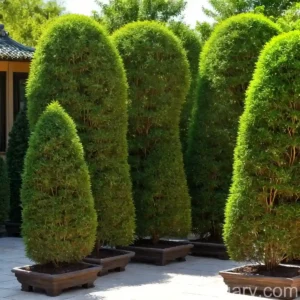
- Topiary: Compact and densely branched cultivars like ‘Hetzii’ and ‘San Jose’ are ideal for shaping into topiary forms.
Popular Varieties
The popularity of Chinese juniper is further enhanced by the wide array of cultivars available to gardeners and landscapers. Each variety offers unique foliage colors, growth habits, and environmental adaptability, catering to a broad spectrum of design preferences. Some popular varieties of Chinese juniper include:
Upright Forms
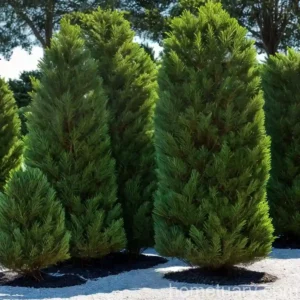
- ‘Skyrocket’: A narrow, columnar juniper with blue-green foliage, ideal for vertical accents and narrow spaces.
- ‘Spartan’: A tall, slender cultivar with dense, bright green foliage, well-suited for formal hedges and screens.
- ‘Blue Arrow’: A narrow, pyramidal juniper with striking blue-gray foliage, adding vertical interest to landscapes.
Spreading Forms
- ‘Blue Pacific’: A low-growing juniper with silvery-blue foliage, creating dense ground cover with a spreading habit.
- ‘Bar Harbor’: A spreading juniper with rich green foliage, serving as an adaptable ground cover or border plant.
- ‘Shore Juniper’: A spreading variety with gray-green foliage, ideal for erosion control and slope stabilization.
These examples illustrate the diverse range of Chinese juniper varieties available, each offering distinct characteristics for various landscape applications.
Uses of Chinese Juniper
Chinese juniper serves a multitude of purposes in landscaping and horticulture, thanks to its adaptability, ornamental attributes, and diverse growth habits. The plant’s versatility manifests in its varied uses, ranging from ornamental accents to practical applications such as erosion control. Let’s explore the diverse uses of Chinese juniper in greater detail.
Ornamental Significance
One of the primary uses of Chinese juniper is its ornamental value in landscape design. The plant’s evergreen foliage, diverse colors, and striking growth habits make it a sought-after choice for adding visual interest and structure to garden settings. Chinese juniper is utilized for the following ornamental purposes:
- Focal Point Planting: Select cultivars with unique foliage colors or growth habits are employed as focal points within garden beds and borders.
- Texture and Form: The varied growth habits of Chinese juniper, including upright, spreading, and prostrate forms, contribute to diverse textural and structural elements in landscapes.
- Topiary and Sculpture: Compact and densely branched cultivars are shaped into formal topiary forms, adding artistic flair to garden spaces.
Practical Applications
Beyond its ornamental appeal, Chinese juniper offers practical benefits in landscaping and environmental management. The plant’s resilience, adaptability, and growth characteristics enable its utilization in practical applications such as:
- Erosion Control: Spreading and prostrate forms of Chinese juniper serve as effective erosion control measures on slopes and embankments.
- Windbreaks and Screens: Tall, upright cultivars are utilized to create windbreaks and privacy screens, providing shelter and seclusion in garden and landscape settings.
- Ground Covers: Low-growing varieties serve as dense ground covers, suppressing weed growth and stabilizing soil on embankments and terraces.
These diverse uses underscore the multifaceted role of Chinese juniper in both ornamental and practical contexts, making it a valuable asset in landscaping and environmental management.
Chinese Juniper Care
Caring for Chinese juniper involves addressing its specific requirements related to water, sunlight, soil, fertilizer, pruning, and propagation. Understanding these care aspects is essential for maintaining the health and vigor of Chinese juniper plants, ensuring their longevity and ornamental value in the landscape.
Water
Chinese juniper exhibits moderate drought tolerance once established, making it suitable for arid and semi-arid regions. However, adequate watering during the establishment phase is crucial to promote healthy root development and overall growth. Here are key considerations for watering Chinese juniper:
- Establishment Phase: Newly planted Chinese juniper specimens require regular watering to ensure adequate moisture for root establishment. Water deeply and consistently until the plants are well-established.
- Drought Tolerance: Once established, Chinese juniper can withstand periods of reduced water availability. However, extended drought conditions may necessitate supplemental watering to maintain plant health and vigor.
- Drainage: Ensure that the planting site has well-draining soil to prevent waterlogging, as excessive moisture can lead to root rot and other issues.
Sunlight
Chinese juniper thrives in full sun to partial shade, exhibiting different degrees of sun tolerance based on the specific cultivar. Understanding the sunlight preferences of Chinese juniper is essential for selecting suitable planting locations and optimizing plant performance. Consider the following points regarding sunlight requirements:
- Full Sun Exposure: Many cultivars of Chinese juniper prefer full sun conditions, which promote robust growth, vibrant foliage colors, and optimal density. Ensure that planting sites receive ample sunlight, especially for varieties with full sun preferences.
- Partial Shade Tolerance: Some Chinese juniper cultivars exhibit tolerance to partial shade, making them suitable for locations with filtered sunlight or partial shading. When planting in partly shaded areas, select cultivars known for their ability to thrive under these conditions.
Fertilizer
Fertilization requirements for Chinese juniper are relatively minimal, particularly for established plants growing in favorable soil conditions. However, occasional fertilization can benefit the overall health and vigor of Chinese juniper, especially when utilizing balanced, slow-release fertilizers. Consider the following guidelines for fertilizing Chinese juniper:
- Established Plants: Chinese juniper specimens that are well-established and displaying healthy growth may not require regular fertilization. However, applying a balanced, slow-release fertilizer in spring can support optimal foliage color and overall vigor.
- Young Plants: Newly planted or recently established Chinese juniper specimens can benefit from light fertilization to encourage root development and initial growth. Use a balanced fertilizer at half the recommended strength during the first year of establishment.
- Soil Testing: Conduct soil tests to assess nutrient levels and pH, guiding the application of specific fertilizers based on the plant’s requirements and soil composition.
Soil
The soil requirements of Chinese juniper are linked to its preference for well-draining growing conditions, which are crucial for preventing waterlogging and ensuring healthy root development. Understanding the soil preferences and requirements of Chinese juniper is essential for creating suitable planting environments. Consider the following soil-related aspects when cultivating Chinese juniper:
- Drainage: Well-draining soil is essential for Chinese juniper, as waterlogged conditions can lead to root rot and other issues. Amend heavy or compacted soils with organic matter to improve drainage and aeration.
- pH Levels: Chinese juniper prefers slightly acidic to neutral soil pH, ranging from 6.0 to 7.5. Conduct soil tests to assess pH levels and make adjustments as needed to create an optimal growing medium for the plant.
- Soil Composition: A loamy, well-draining soil mix is ideal for Chinese juniper cultivation. Ensure that the planting site provides favorable soil conditions to support healthy growth and vigor.
Pruning
Pruning Chinese juniper serves multiple purposes, including maintaining plant shape, controlling growth, and rejuvenating older specimens. Understanding the principles and techniques of pruning is essential for promoting the overall health and aesthetics of Chinese juniper plants. Consider the following guidelines for pruning Chinese juniper:
- Timing: Pruning Chinese juniper is typically conducted in early spring before new growth emerges. Avoid heavy pruning during late summer or fall, as this can impact the plant’s ability to prepare for winter dormancy.
- Techniques: Use sharp, clean pruning tools to make precise cuts, removing dead, diseased, or damaged branches. Shape the plant as desired, focusing on maintaining its natural form and enhancing its aesthetic appeal.
- Rejuvenation Pruning: Older or overgrown Chinese juniper specimens may benefit from rejuvenation pruning, which involves selectively removing older wood and encouraging new growth. This process can revitalize the plant and restore its vigor.
Propagation
Propagating Chinese juniper allows for the expansion of existing plantings and the preservation of unique cultivars through asexual reproduction methods. Understanding the propagation techniques and considerations is essential for successfully propagating Chinese juniper. Consider the following approaches to propagating Chinese juniper:
- Cuttings: Propagate Chinese juniper through stem cuttings taken from semi-hardwood or hardwood stems. Use rooting hormone to promote the development of roots and provide the appropriate conditions for successful establishment.
- Layering: Air layering can also be employed to propagate Chinese juniper, especially for larger specimens that are not easily propagated through cuttings. Encourage root development on a stem section while it remains attached to the parent plant, and then detach and pot the rooted section.
- Seeds: While less common, Chinese juniper can also be propagated from seeds. However, seed propagation requires patience and is primarily utilized for breeding purposes to develop new cultivars.
The care requirements and propagation techniques discussed above provide valuable insights into the best practices for nurturing and expanding Chinese juniper plantings, ensuring their sustained health and vitality in garden and landscape settings.
Container Cultivation of Chinese Juniper
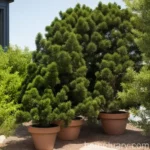
Chinese juniper is well-suited for container cultivation, offering opportunities for gardeners, horticulturists, and enthusiasts to enjoy its ornamental attributes in various settings. Container-grown Chinese juniper plants can thrive on patios, decks, balconies, and other outdoor spaces, adding visual appeal and greenery to urban and suburban environments. Let’s explore the key aspects of growing Chinese juniper in containers, including care considerations and popular cultivars for container gardening.
Benefits of Container Cultivation
Growing Chinese juniper in containers presents several advantages, making it an appealing choice for individuals with limited garden space or those seeking to enhance their outdoor settings with ornamental plants. The benefits of container cultivation include:
- Versatility: Containers allow for flexible placement of Chinese juniper, whether on patios, porches, or rooftop gardens. This versatility accommodates various design preferences and spatial constraints.
- Portability: Container-grown Chinese juniper can be moved and repositioned as desired, providing options for seasonal display arrangements and adaptation to changing environmental conditions.
- Aesthetics: The use of Chinese juniper in containers contributes to the visual appeal of outdoor spaces, providing year-round greenery, diverse foliage colors, and ornamental growth habits.
Container Selection
Selecting suitable containers for Chinese juniper is essential for ensuring optimal growth and longevity of container-grown plants. Consider the following factors when choosing containers for cultivating Chinese juniper:
- Size: Choose containers that accommodate the growth potential of the selected Chinese juniper cultivar, allowing ample space for root development and stability.
- Drainage: Ensure that containers have adequate drainage holes to prevent waterlogging and promote air circulation within the growing medium.
- Material: Select durable, weather-resistant containers made of materials like terracotta, fiberglass, or lightweight resin, balancing aesthetic appeal with functional properties.
Care Considerations
Caring for container-grown Chinese juniper involves addressing specific considerations related to watering, sunlight, soil, fertilization, and container maintenance. By understanding and implementing appropriate care practices, individuals can ensure the health and vitality of Chinese juniper plants cultivated in containers. Consider the following care considerations for container-grown Chinese juniper:
- Watering: Monitor the moisture level of the growing medium and water container-grown Chinese juniper as needed, adjusting frequency based on environmental conditions and plant requirements.
- Sunlight: Position containers in locations that provide suitable sunlight exposure based on the specific sunlight preferences of the chosen Chinese juniper cultivar.
- Soil: Utilize a well-draining, high-quality potting mix suitable for container cultivation, ensuring optimal root health and growth.
- Fertilization: Apply a balanced, slow-release fertilizer to container-grown Chinese juniper in spring to support overall vigor and foliage color.
- Container Maintenance: Monitor containers for signs of wear, damage, or soil depletion, and consider repotting Chinese juniper as needed to maintain plant health.
Popular Cultivars for Containers
When selecting Chinese juniper cultivars for container cultivation, consider those with compact growth habits, striking foliage colors, and adaptability to container environments. Some popular cultivars suitable for container gardening include:
- ‘Blue Star’: A compact, low-growing juniper with silver-blue foliage, ideal for small containers and patio settings.
- ‘Gold Lace’: This cultivar features golden-yellow foliage that adds vibrancy and visual interest to container plantings.
- ‘Daub’s Frosted’: With its striking silver-blue foliage and compact form, this cultivar thrives in containers and provides year-round appeal.
These cultivars exemplify the diverse options available for cultivating Chinese juniper in containers, offering opportunities to enhance outdoor spaces with ornamental greenery and unique foliage characteristics.
Common Diseases of Chinese Juniper
Chinese juniper is susceptible to certain diseases that can affect its overall health and appearance if not promptly addressed. Understanding the common diseases of Chinese juniper, along with their symptoms and management strategies, is essential for maintaining the vitality of cultivated specimens. Let’s explore some prevalent diseases that can impact Chinese juniper and the measures to mitigate their effects.
Disease Diagnosis
When observing signs of distress or abnormal symptoms in Chinese juniper plants, it is crucial to accurately diagnose the underlying cause, which may include diseases, pests, or environmental stressors. Proper disease diagnosis involves identifying specific symptoms and understanding the causal agents, enabling targeted management and treatment. Common diseases affecting Chinese juniper include:
- Phomopsis Blight: Characterized by tan or brown lesions on stem tips and dieback of foliage, often accompanied by cone blight and shoot dieback.
- Kabatina Blight: Causes needle browning and premature shedding, often leading to bare patches in the plant’s canopy, particularly during wet and humid conditions.
- Cedar Apple Rust: Results in the formation of gelatinous, orange-brown galls on the foliage, accompanied by yellowing and distortion of affected plant parts.
Accurate disease diagnosis enables appropriate intervention and management practices, preventing the spread and escalation of detrimental effects on Chinese juniper plants.
Disease Management
Managing diseases affecting Chinese juniper involves implementing preventive measures, cultural practices, and, if necessary, targeted treatments to minimize the impact of specific pathogens and ensure the health of the plants. Consider the following disease management strategies for Chinese juniper:
- Cultural Practices: Maintain plant health through proper watering, pruning, and soil management to minimize stress and improve resilience against diseases.
- Sanitation: Remove and destroy affected plant material to reduce the spread of diseases, particularly those caused by fungal pathogens, such as Phomopsis and Kabatina blights.
- **