Plant Scientist Blog: Comprehensive Guide to Chinese Juniper (Juniperus chinensis ‘Blue Vase’)
Welcome to our comprehensive guide to Chinese Juniper, specifically focusing on Juniperus chinensis ‘Blue Vase’. As a plant scientist, I am excited to delve deep into the various aspects of this fascinating plant. From its cultural significance to its care requirements and unique features, this guide aims to provide a holistic understanding of Chinese Juniper and how to nurture it for optimal growth and health.
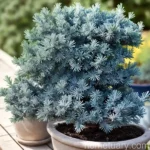
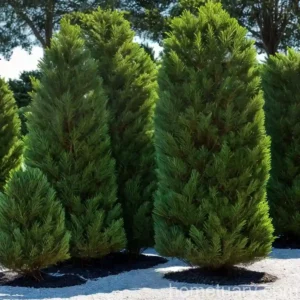
Chinese Juniper, scientifically known as Juniperus chinensis, is a species of juniper native to East Asia, including China, Mongolia, Japan, Korea, and Russia. The ‘Blue Vase’ variety is a cultivar known for its distinctive blue-green foliage and a narrow, vase-shaped growth habit. It is a popular choice for landscaping, container gardening, and bonsai cultivation due to its attractive appearance and adaptability.
Throughout this blog, we will explore the cultural uses, watering needs, sunlight preferences, fertilizer requirements, soil considerations, pruning techniques, propagation methods, container gardening tips, common diseases and pests, as well as botanist’s tips for successfully growing and caring for the Chinese Juniper ‘Blue Vase’. Additionally, we will uncover fun facts, external resources, and essential information to expand your knowledge and appreciation of this remarkable plant.
Let’s start our exploration by understanding the culture and historical significance of Chinese Juniper, followed by detailed insights into its care and maintenance requirements.
What is Plant: Chinese Juniper (Juniperus chinensis ‘Blue Vase’)
Cultural Uses
Chinese Juniper has a rich cultural significance in various East Asian societies. It is often associated with traditional practices, landscaping rituals, and symbolic representations. In Chinese culture, the juniper tree holds profound symbolism, representing longevity, strength, and resilience. The evergreen nature of the tree is highly valued, symbolizing immortality and enduring vitality.
Water
When it comes to watering, Chinese Juniper ‘Blue Vase’ has moderate water needs. It is essential to establish a watering routine that allows the soil to dry out slightly between waterings. Overwatering can lead to root rot, while underwatering may cause stress to the plant. Therefore, maintaining a balanced watering schedule is crucial for the health and vigor of the Chinese Juniper.
Sunlight
Chinese Juniper ‘Blue Vase’ thrives in full sun to partial shade. It requires at least six hours of direct sunlight daily to ensure healthy growth and vibrant foliage. When grown in shadier conditions, the plant may become leggy and lose its characteristic compact form. Placing it in a location with ample sunlight will promote optimal growth and foliage coloration.
Fertilizer
Fertilizing Chinese Juniper ‘Blue Vase’ should be done with care to avoid overfeeding, which can result in excessive foliage growth at the expense of the plant’s overall health. Using a balanced, slow-release fertilizer formulated for evergreen plants in the early spring is recommended. This provides the necessary nutrients for sustained growth and vitality throughout the growing season.
Soil
The ideal soil for Chinese Juniper ‘Blue Vase’ is well-draining and slightly acidic to neutral. It thrives in various soil types, including loamy, sandy, or rocky soils. Good drainage is essential to prevent waterlogged conditions, which can be detrimental to the plant’s root system. Amending the soil with organic matter can enhance its overall structure and fertility, promoting healthy root development.
Pruning
Pruning Chinese Juniper ‘Blue Vase’ is essential to maintain its desired shape and size. It is best to prune the plant in the early spring before the onset of new growth. This allows for rejuvenation and shaping without compromising the plant’s vitality. Remove any dead, diseased, or overgrown branches while maintaining the natural form of the plant to achieve a well-groomed appearance.
Propagation
Propagating Chinese Juniper ‘Blue Vase’ can be accomplished through various methods such as seed propagation, softwood cuttings, or hardwood cuttings. Softwood cuttings taken in early summer root relatively quickly, while hardwood cuttings taken in late autumn or early winter may take longer to establish. Propagation allows for the expansion of your juniper collection or the sharing of this beautiful plant with others.
Container Popularity
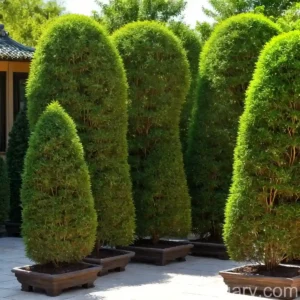
Chinese Juniper ‘Blue Vase’ is a popular choice for container gardening due to its compact growth habit and ornamental value. It can be grown in containers on patios, balconies, or as a focal point in garden designs. The striking blue-green foliage and slender profile of the ‘Blue Vase’ variety make it an excellent addition to container gardens, adding texture and visual interest.
Container Common Diseases
When cultivating Chinese Juniper ‘Blue Vase’ in containers, it is essential to be mindful of potential diseases such as root rot and fungal infections. Adequate drainage is crucial in container gardening to prevent waterlogging and the onset of root diseases. Additionally, maintaining good air circulation around the plant can help minimize the risk of fungal issues in a container environment.
Disease Diagnosis
Diagnosing diseases in Chinese Juniper ‘Blue Vase’ involves careful observation of the plant’s foliage, stems, and overall growth. Common signs of disease may include discoloration, wilting, abnormal growth patterns, or the presence of fungal spores. Prompt action, such as adjusting watering practices, improving soil drainage, or using targeted treatments, can help mitigate the impact of diseases on the plant.
Common Pests
Chinese Juniper ‘Blue Vase’ is relatively resistant to pests, but occasional infestations may occur, particularly from spider mites, scale insects, and juniper tip moths. Regular inspection of the plant for signs of pest activity is crucial for early detection and intervention. Natural predators, such as ladybugs and lacewings, can help control pest populations in an eco-friendly manner.
Botanist’s Tips
Here are some expert tips for successfully growing and caring for Chinese Juniper ‘Blue Vase’:
- Monitor the soil moisture levels regularly to ensure balanced watering.
- Provide sufficient sunlight to maintain the plant’s vibrant coloration.
- Prune the plant selectively to maintain its natural form and aesthetic appeal.
- Use well-draining soil to prevent waterlogged conditions and root issues.
- Propagate the plant during the appropriate season for the best success rates.
- Inspect the plant for pests and diseases periodically and take corrective measures promptly.
- Consider container gardening as a versatile and space-saving option for growing Chinese Juniper.
Fun Facts
- The ‘Blue Vase’ variety of Chinese Juniper is prized for its striking blue-green foliage, which adds a touch of elegance to any landscape.
- Chinese Juniper has been used for centuries in traditional medicine and is renowned for its aromatic properties.
- The resilient nature of the Chinese Juniper ‘Blue Vase’ makes it a symbol of endurance and fortitude in many cultures.
Links to External Resources
For further exploration of Chinese Juniper (Juniperus chinensis ‘Blue Vase’) and related topics, consider these external resources:
- Royal Horticultural Society – Juniperus chinensis ‘Blue Vase’
- University of Florida IFAS Extension – Juniperus chinensis Chinese Juniper
- Missouri Botanical Garden – Juniperus chinensis
Continued in the next section…
As a plant scientist, I am committed to providing accurate and comprehensive information on Chinese Juniper (Juniperus chinensis ‘Blue Vase’). Let’s continue our exploration with a focus on the environmental and ecological aspects of this distinctive plant.
Botanist’s Tips
Here are some expert tips for successfully growing and caring for Chinese Juniper ‘Blue Vase’:
- Monitor the soil moisture levels regularly to ensure balanced watering.
- Provide sufficient sunlight to maintain the plant’s vibrant coloration.
- Prune the plant selectively to maintain its natural form and aesthetic appeal.
- Use well-draining soil to prevent waterlogged conditions and root issues.
- Propagate the plant during the appropriate season for the best success rates.
- Inspect the plant for pests and diseases periodically and take corrective measures promptly.
- Consider container gardening as a versatile and space-saving option for growing Chinese Juniper.
Fun Facts
- The ‘Blue Vase’ variety of Chinese Juniper is prized for its striking blue-green foliage, which adds a touch of elegance to any landscape.
- Chinese Juniper has been used for centuries in traditional medicine and is renowned for its aromatic properties.
- The resilient nature of the Chinese Juniper ‘Blue Vase’ makes it a symbol of endurance and fortitude in many cultures.
Links to External Resources
For further exploration of Chinese Juniper (Juniperus chinensis ‘Blue Vase’) and related topics, consider these external resources:
- Royal Horticultural Society – Juniperus chinensis ‘Blue Vase’
- University of Florida IFAS Extension – Juniperus chinensis Chinese Juniper
- Missouri Botanical Garden – Juniperus chinensis
The next section will further delve into the ecological significance and unique features of Chinese Juniper (Juniperus chinensis ‘Blue Vase’). Stay tuned for more intriguing insights!
Ecological Significance
Wildlife Attraction
Chinese Juniper ‘Blue Vase’ plays a vital role in attracting and supporting wildlife. Its dense, evergreen foliage provides cover and nesting sites for birds, while the small, bluish cones serve as a food source for various avian species. In addition, the plant’s structure and foliage attract beneficial insects, contributing to the overall biodiversity of the surrounding ecosystem.
Indigenous Habitats
The indigenous habitats of Chinese Juniper ‘Blue Vase’ encompass diverse regions, from mountain slopes to coastal areas. It is well-adapted to various environmental conditions, including rocky terrains and sandy soils. Its resilience to harsh climates and variable soil types makes it a valuable component of many natural landscapes.
Fire Resistance
One remarkable feature of Chinese Juniper is its inherent fire resistance. The volatile compounds present in its foliage act as natural fire retardants, making it an essential plant for fire-prone regions. Its presence in wildfire-prone ecosystems serves as a protective barrier and contributes to overall fire management strategies.
Drought Tolerance
Chinese Juniper ‘Blue Vase’ exhibits remarkable drought tolerance, making it suitable for xeriscaping and water-wise landscaping. Its ability to thrive in arid conditions and withstand prolonged periods of drought makes it an excellent choice for sustainable, low-maintenance landscaping projects.
Air Purification Benefits
In addition to its ecological significance, Chinese Juniper ‘Blue Vase’ contributes to air purification by capturing and filtering airborne pollutants. The plant’s foliage acts as a natural air purifier, trapping dust particles and absorbing harmful gases, thus enhancing the environmental quality of its surroundings.
Medicinal Uses
Chinese Juniper has a long history of traditional medicinal uses. The essential oils derived from its foliage have been utilized in aromatherapy for their calming and rejuvenating properties. In traditional herbal medicine, juniper extracts have been used to address various health concerns, including respiratory issues and skin ailments.
Cultural Significance
Chinese Juniper holds cultural significance in many societies around the world. It is often associated with mythological references, symbolic meanings, and historical importance. The enduring presence of Juniper in cultural narratives reflects its enduring impact on human societies and the natural world.
Bonsai Cultivation
Chinese Juniper ‘Blue Vase’ is well-suited for bonsai cultivation, given its compact growth habit and aesthetic appeal. Bonsai enthusiasts appreciate the plant’s adaptability to the art of bonsai, where it can be shaped and trained to embody the beauty of nature in miniature form.
Evergreen Characteristics
A unique feature of Chinese Juniper ‘Blue Vase’ is its evergreen nature, providing year-round beauty and structural interest to landscapes. Its enduring foliage serves as a reminder of resilience and continuity, making it a cherished addition to gardens, parks, and natural settings.
Color Variations
While the ‘Blue Vase’ variety is known for its blue-green foliage, Chinese Juniper exhibits a range of color variations, including shades of green, blue, and silver. The diverse color palette adds visual richness and diversity to the plant, offering options for creative landscape designs.
Companion Plants
When selecting companion plants for Chinese Juniper ‘Blue Vase’, consider species that complement its growth habits and aesthetic qualities. Ornamental grasses, such as fountain grass (Pennisetum), and flowering perennials like lavender (Lavandula) and sedum (Sedum spectabile) can create harmonious combinations in garden settings.
Landscaping Ideas
Chinese Juniper ‘Blue Vase’ can be incorporated into various landscaping themes and styles, including formal gardens, Japanese gardens, rock gardens, and Mediterranean-inspired landscapes. Its versatility and adaptability make it a valuable asset in diverse landscaping contexts.
With its remarkable features and ecological significance, Chinese Juniper ‘Blue Vase’ offers multifaceted value for both natural ecosystems and human well-being. It is a plant of enduring beauty, resilience, and cultural importance.
Conclusion
Our exploration of Chinese Juniper (Juniperus chinensis ‘Blue Vase’) has uncovered a wealth of information regarding its cultural significance, care requirements, ecological attributes, and unique features. From its historical importance to its environmental contributions, the Chinese Juniper ‘Blue Vase’ stands as a symbol of enduring vitality and natural beauty.
As a plant scientist, I am continually inspired by the diversity and complexity of plants such as the Chinese Juniper. I hope this comprehensive guide has fostered a deeper appreciation for this remarkable species and provided valuable insights for cultivating and nurturing it.
For those who embrace the beauty of nature and the art of gardening, Chinese Juniper ‘Blue Vase’ offers a timeless connection to the natural world and an opportunity to create harmonious landscapes that reflect the enduring qualities of this exceptional plant.
Thank you for joining me on this journey of exploration and discovery. May the enduring beauty of Chinese Juniper ‘Blue Vase’ enrich your natural spaces and inspire your botanical pursuits.
References
- “Royal Horticultural Society – Juniperus chinensis ‘Blue Vase'”
- “University of Florida IFAS Extension – Juniperus chinensis Chinese Juniper”
- “Missouri Botanical Garden – Juniperus chinensis”